Jueputa!
Agarraró de las mechas a la estúpida del PAC, la tiró al piso, la arrastró por el piso, la aporreó contra las paredes y finalmente la tiró dentro de su propio barril de mierda.
Mejor se hubiera quedado callada. BRUTA!
Adwa’s Triumph: How Ethiopia’s Collective Action Defies the Odds!
(1/4)
In this piece, I explore the Battle of Adwa through the lens of collective action. I tap into a sociological theory of collective action that examines how individuals come together to pursue shared goals, especially when doing so seems irrational from a self-interest standpoint. At its core, the theory addresses overcoming the free-rider problem and hinges on three key ideas: 1) incentives, 2) organization, and 3) group size.
Mancur Olson, a thinker closely associated with the theory of collective action, argues that people need selective incentives to join collective efforts, especially in large groups where individual contributions may feel invisible. He posits that the smaller the group, the less room for the freeriders. Without incentives however, Olson believes a rational actor tends to be reluctant to participate in larger groups and emphasizes the importance of organization, as someone must coordinate the chaos, align goals, and enforce participation.
The Battle of Adwa, fought on March 1, 1896, where Ethiopian forces decisively defeated the Italian army, offers a fascinating case to examine the principles of collective action theory. While Olson argues that the success of collective action depends on selective incentives, coordination, and cohesive groups, the Battle of Adwa seems to challenge these assumptions in several ways.
Adwa Beats Both Theoretical and Practical Odds
The Battle of Adwa defies multiple principles stipulated in the theory of collective action. First, the Battle involved an astonishingly large and diverse troop drawn from various ethnic groups, regions, and social strata in the country. Although the theory predicts such a massive, heterogeneous group would struggle with coordination and motivation, the Ethiopian forces displayed remarkable unity and discipline, defying the expectation that large-scale collective action dilutes effectiveness due to logistical or commitment issues.
Moreover, and to the surprise of Olson, Ethiopia was facing serious internal division in 1896, with regional lords still fighting the expanding forces of Emperor Menelik II. However, the Emperor pulled off what Olson might call the improbable: mobilizing a massive force to defeat the Italian invading army. He rallied tens of thousands from across the country. This mobilization was not without incentive, however. The Emperor leveraged a mix of incentives, including the tangible threat of Italian conquest (a classic common enemy uniting factor), promises of land, and appeals to Ethiopian sovereignty. These strategies likely helped reduce the free-rider problem Olson highlights, where individuals might otherwise refrain from contributing, allowing others to bear the burden.
The second issue relates to the motivation of the fighters. The motivation behind Adwa does not align neatly with the theory’s emphasis on selective incentives like personal rewards or punishments. Some argue that the Ethiopian resistance was driven by a shared sense of collective identity and the urgent need to protect sovereignty against external colonial encroachment, as well as resisting internal encroachments. This collective spirit transcended individual or internal group gain, suggesting that cultural and ideological solidarity can overpower the rational-choice logic that Olson posits, where individuals supposedly act only when personal benefits outweigh costs.
Under the leadership of Emperor Menelik and Empress Taytu, alongside regional lords, a patchwork of forces was transformed into a cohesive army. They pooled resources, combining rifles with traditional spears, and used Ethiopia’s rugged terrain to their advantage. This collaboration turned a fragmented society into a war machine. Taytu’s role in rallying troops and securing water at Adwa demonstrates how effective leadership addressed the logistical gaps Olson identified, which large groups often struggle with.
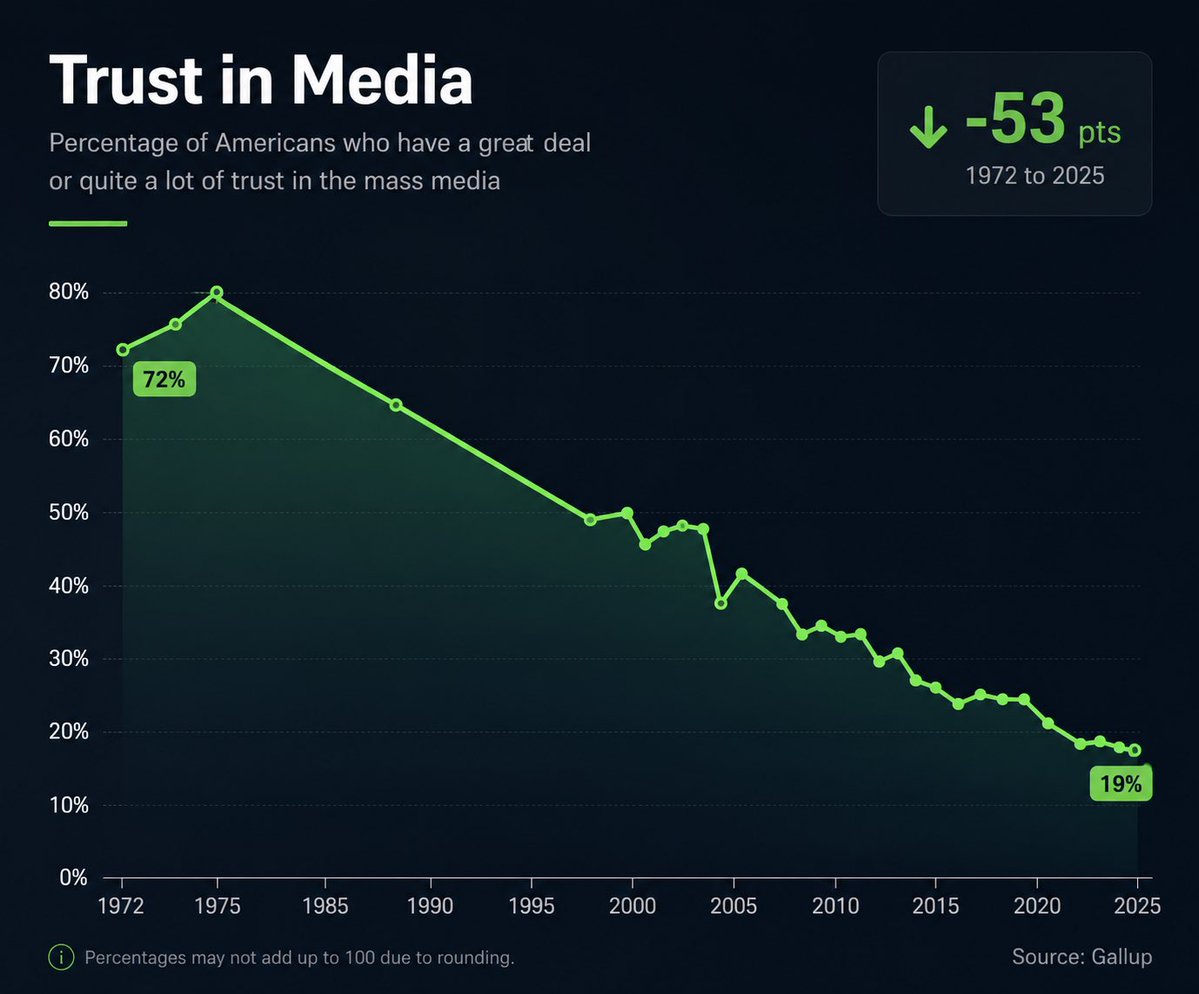
Trust in traditional media has fallen to a historic low.
At the same time, 𝕏 continues to reach record levels of usage.
𝕏 is now the #1 News App in over 150 countries worldwide.
LA LIBERTAD AVANZA
Quiero felicitar a @ABDELAESPRIELLA por su triunfo en la primera vuelta de las elecciones de Colombia, y a los colombianos por esta ejemplar jornada electoral.
Este resultado refleja el anhelo de libertad y progreso del pueblo colombiano, y una voluntad expresa de decirle basta al fracasado modelo socialista que tanto daño le ha hecho a nuestra región, y a Colombia en especial, en los últimos 4 años.
De repetirse este resultado en segunda vuelta, no tengo dudas que Colombia va a ingresar nuevamente al concierto de las Naciones Libres, y retomará un rumbo orientado a la defensa de la vida, la libertad y la propiedad.
VIVA LA LIBERTAD CARAJO...!!!
🗳️ El candidato izquierdista, Iván Cepeda, cuestionó los resultados preliminares de la primera vuelta presidencial y apostó por derrotar en la segunda vuelta al “fascismo mafioso”.
https://t.co/9bIyx9TqDn
🇮🇷🇺🇸 | AHORA: Irán afirma que el alto el fuego con Estados Unidos incluye todos los frentes, incluido el Líbano; Washington y Tel Aviv "son responsables de las consecuencias de cualquier violación".
Palabras del expresidente Álvaro Uribe:
Colombianos, hemos perdido. Asumo humildemente mis responsabilidades. Colombia ha descubierto a una gran líder, con toda la vigencia hacia el futuro, Paloma Valencia.
Ganó el Dr. Abelardo De La Espriella. Cumplimos la palabra, votaremos por él y pedimos que se vote por él y por Colombia, por la defensa de la Constitución, de las libertades, de la creatividad individual, de la cohesión social, de la economía fraterna, del Estado pequeño y austero.
Colombia no puede seguir en el camino de convertirse en una sucursal del chavismo, de Petro y Cepeda. Colombia no puede pretender elegir presidentes como Cepeda, apoyado por los grupos terroristas.
Elijamos Presidente al Dr. Abelardo De La Espriella.
🇮🇱 | La Knéset israelí organizó evento donde delegaciones se arrepintieron públicamente en nombre de sus naciones por el "apoyo insuficiente" a Israel:
Un alemán: ¡Señor, por favor perdónanos por todas las cosas que hicimos que no apoyaron a Israel!
🇮🇷🇺🇸 | Ministro de Asuntos Exteriores de Irán, Abbas Araghchi:
"El alto el fuego entre Irán y Estados Unidos es inequívocamente un alto el fuego en todos los frentes, incluido el de Líbano.
Su violación en un frente es una violación del alto el fuego en todos los frentes.
Estados Unidos e Israel son responsables de las consecuencias de cualquier violación".
@AltomonteA141@El_Poas@presidenciacr Ya pasó lo de ser primera dama, ubíquese Claudia PAC, y por si mal no recuerdo quedó como la figura política menos querida o impopular, por eso hace cortinas de humo y rabietas. Trabaje y déjese de acusetas y chiquilladas.
Ardida hasta la médula. Derrotada, ninguneada, repudiada, sin discurso, Populista acabada. Se le siente en la voz la frustración por la pateada de culo que le dió el Pueblo. @presidenciacr
🚨 ÚLTIMA HORA | EE.UU. e Irán alcanzan un acuerdo preliminar para abrir el estrecho y comenzar las conversaciones nucleares, pero Trump aún debe dar su visto bueno
https://t.co/G9lnzll8ww