NEW: The 2026 @BBGNewEconomy Forum will be held in India as announced by @Bloomberg & @BloombergDotOrg Founder @MikeBloomberg. "From October 13th to the 15th we'll gather in New Delhi with the cooperation and support of Prime Minister Modi."
⏯️ https://t.co/J5lCJTamOX
Thrilled to be working on this Coalition at a pivotal moment in human history—an electrification supercycle driven by AI, growing populations, and the overall energy transition. Ambitious of course, but I’m encouraged by the leadership of Bloomberg and @SchneiderElec.
A historic milestone: renewable energy surpassed coal as the world’s top source of electricity in early 2025. The economics of solar are just undeniable.
https://t.co/c2jh26WwuU
2080 is expected to mark peak global population x urbanization, which could mean 9.2 billion people living in cities. @GregClarkCities and colleagues break down the trends cities will have to grapple with.
The century from 1980 to 2080 will be a period of rapid urban expansion that strains housing and planning capacity around the world. Then comes population decline https://t.co/53VEYhbOxC
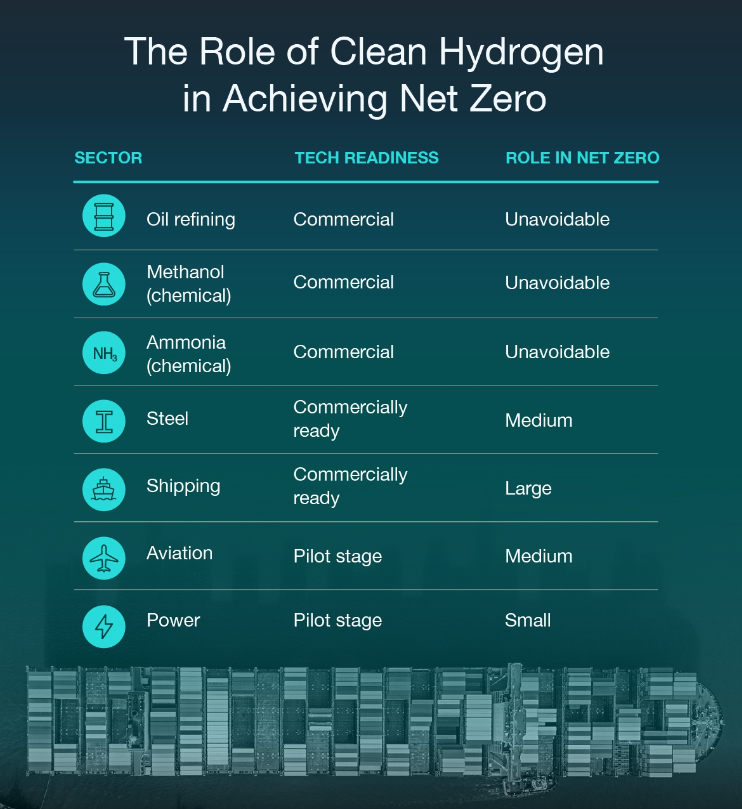
There's no net-zero future without hydrogen. Find out how we can unlock the power of the world's most abundant element with this new report by Bloomberg New Economy Founding Partner, @envisioncn.
https://t.co/xnZOkiFKZQ
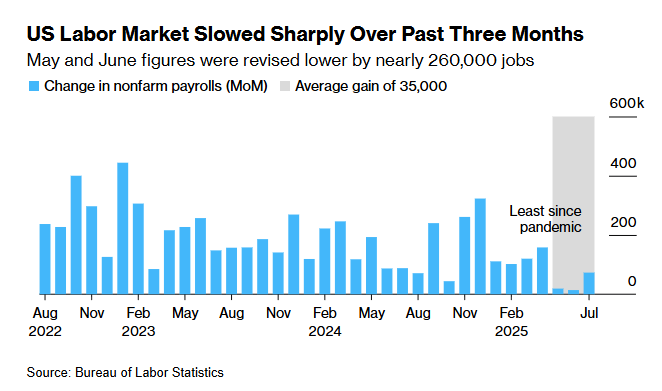
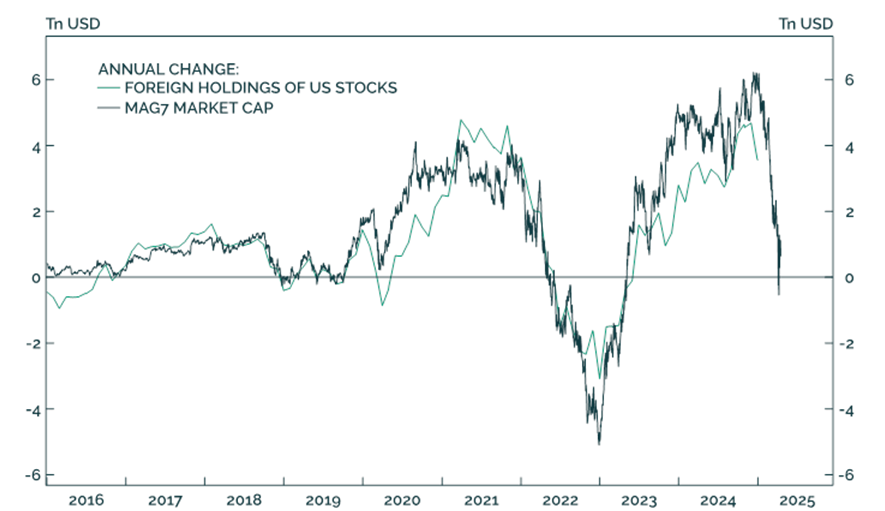
One of the best charts from a good friend of mine who for compliance reasons can't receive a shout out on this platform. It basically shows that the EXODUS has not even started folks.
The White House has put itself and the country in a bad situation but doesn’t realize it yet.
Around April 10th China to USA trade shut down.
It takes ~30 days for containers to go from China to LA.
45 to Houston by sea, 45 to Chicago by train.
55 to New York by sea.
That means that there are no economic effects of what was done on April 10th until about May 10th.
Around that time (it’s already started to happen) trucking work is going to dry up. Warehouses will start doing layoffs because no labor is needed to unload containers and some products will be out of stock, reducing the need for shipping labor.
All this will start in the Los Angeles area.
After about 2 weeks, it’ll start hitting Chicago and Houston.
Let’s say the White House, after 3 weeks, changes its mind, on May 31st.
“This isn’t working out like we thought it would. Tariffs back to 0.”
Let’s say China says “bygones be bygones, we’ll go back to how things were”.
Let’s say every factory in China that got screwed by their orders being cancelled says the same thing “no problem, we’ll make and ship”.
The problem is, even under the most favorable conditions of China and the factories restarting economic ties as though nothing happened, it will be at least another 30 days before economic activity is revived.
And that’s just in LA.
In Chicago/Houston, you’ll need to wait another 45 days.
New York, at that point, will still be getting containers from before April 10th, they will then have 50 days (May 31 minus April 10) of zero economic activity at the ports, in trucking of Chinese goods, in warehousing.
The whole situation is a bit like lockdowns. Once you shut down, it takes a long time to get economic activity back to where it was, if you ever can.
And again, this assumes, that China and its factories, which make things you can’t buy elsewhere, will start right back up again as though nothing happened, which is unlikely.
It’s almost like we’re speeding towards a brick wall but the driver of the car doesn’t see it yet.
By the time he does, it’ll be too late to hit the brakes.
"Energy = intelligence" — @G42ai CEO Peng Xiao neatly summarizes the most salient theme I witnessed at this year's @wef re all the power and infrastructure we'll need for AI.
Watch his conversation w/ @flacqua & @BlackRock's Larry Fink at #BloombergHouse. https://t.co/1kZzgfI1uV
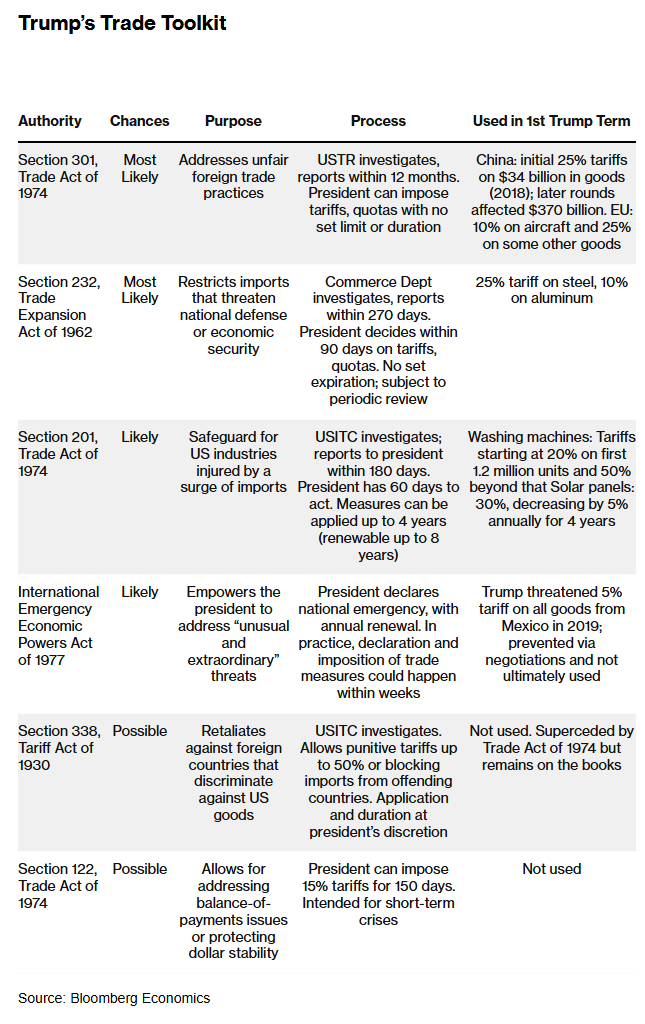
Helpful list of Trump's trade toolkit + analysis from @economics, given what we know of tariff agenda during his first term and the new cabinet appointments announced so far.
https://t.co/R84UuM24Gr
One for the books: Exxon Mobil's CEO urging Trump not to exit the Paris Agreement in a #COP29 interview:
“The way you influence things is to participate, not to exit,” —Darren Woods. https://t.co/wEXN3EJZz4
Excellent coverage by @jendlouhyhc@luzdingyu on the nuances of IRA incentives for domestic manufacturing of solar tech, which seems to me like a great model for U.S.-Chinese collaboration that is ultimately enabling the green transition of our economy. https://t.co/S18we3yYKF
Pessoas como @edulyragf, Secretaria Elisabete França e Jorge Paulo Lemann me dão esperança renovada na humanidade e em nossa capacidade de fazer coisas incríveis uns pelos outros.
Muito obrigada por tudo o que você faz e por reservar um tempo para se juntar a nós em #BNEatB20
"...you cannot solve a cooperative game uncooperatively. And trade is a cooperative game."
Lots of good tidbits on structural econ trends, multilateralism 2.0, adn mroe in this @McKinsey_MGI@mchui interview with @elerianm and Michael Spence. https://t.co/asDQGahkZ7
Oh, the irony. Asheville—"Climate City"—has the highest per-capita population of climate-related professionals & is home to the top US school for civil engineering + @NOAANCEI, which has the world's largest library of weather and climate data. https://t.co/cjPZv9XpVe
It's become "a caldron," I often say of the Gulf, as more storms seem to emanate and pick up speed there before barreling into land. Asheville is in that increasingly exposed cone of disaster, but even then you would think a city in the mountains could escape the worst of it!