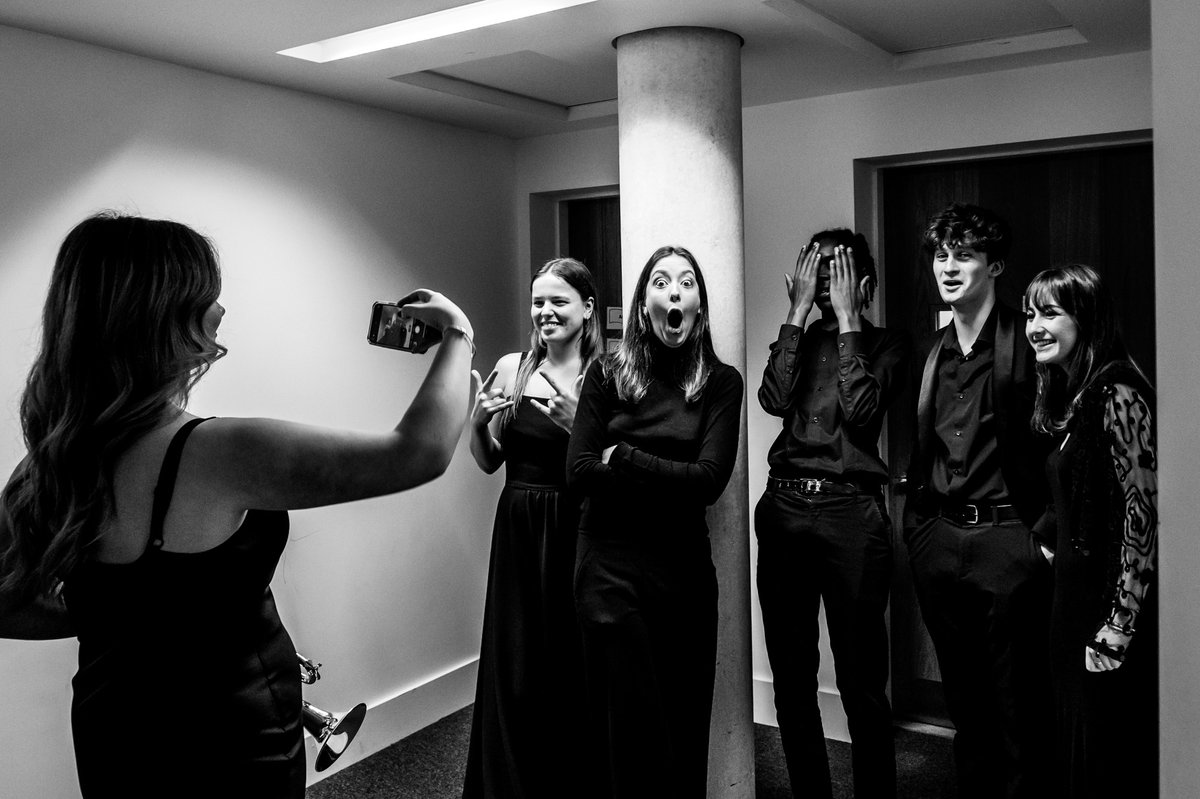
Thanks to the Evans Arts Trust, we're hosting a special concert at St Bart’s Church, Wilmslow, on 28 September! It will support our Ukrainian Bursary Fund, which enables young musicians from Ukraine to continue their education in safety. Find out more
👉https://t.co/GbOqier3TB
✨We offer FREE workshops for key stage 2✨
These online workshops get whole classes involved in making and enjoying music together 🎶
Enjoy singing, writing, quizzes, and live music from Creative Artists and Chetham’s students 🧡
Find out more https://t.co/NIfJrZ4234
It all began 6 years today @EssendeneLodge & continues today @Chethams School of Music.
Both schools are places where every student has the opportunity & support to reach their full potential. #music#education#mds@DCMS
I know there’s an election on Thursday, but after you’ve voted come and hear @Chethams Symphony Orchestra & Chorus @BridgewaterHall. Possibly a once in a life time chance to hear Joseph Marx’s paean to nature, Herbstchor an Pan
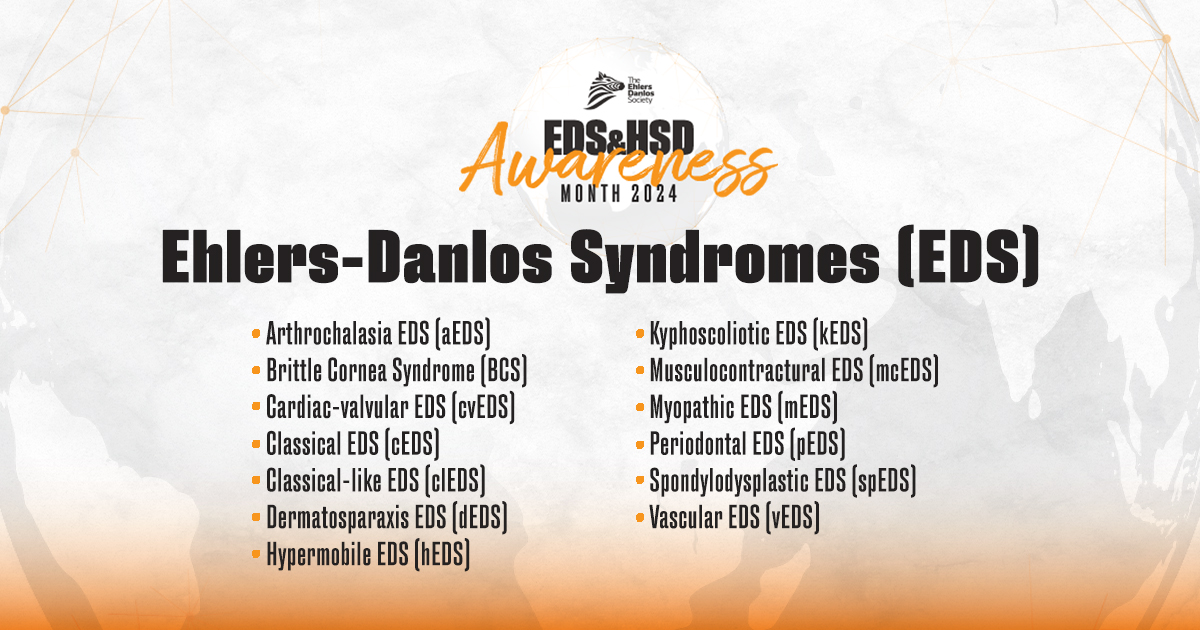
What are the types of EDS?
The current classification includes 13 types of #EhlersDanlosSyndrome (EDS).
Each type of EDS has its own set of features with distinct diagnostic criteria. Some features are seen across all types of EDS, including joint hypermobility, skin hyperextensibility, and tissue fragility.
🧬Arthrochalasia EDS (aEDS)
🧬Brittle Cornea Syndrome (BCS)
🧬Cardiac-valvular EDS (cvEDS)
🧬Classical EDS (cEDS)
🧬Classical-like EDS (clEDS)
🧬Dermatosparaxis EDS (dEDS)
🧬Hypermobile EDS (hEDS)
🧬Kyphoscoliotic EDS (kEDS)
🧬Musculocontractural EDS (mcEDS)
🧬Myopathic EDS (mEDS)
🧬Periodontal EDS (pEDS)
🧬Spondylodysplastic EDS (spEDS)
🧬Vascular Ehlers-Danlos Syndrome (vEDS)
Each type of EDS is caused by variants in specific genes that provide the instructions for making collagens and related proteins. Some types of EDS are associated with multiple different genes. The genetic cause(s) of hEDS have not been identified.
Learn more about the associated gene(s), affected protein(s), and distinguishing features of each type of EDS here: https://t.co/hkadA9VH9j #MedTwitter #Healthcare #MedEd
May is Ehlers-Danlos Syndromes Awareness Month. What are the Ehlers-Danlos syndromes (EDS)?
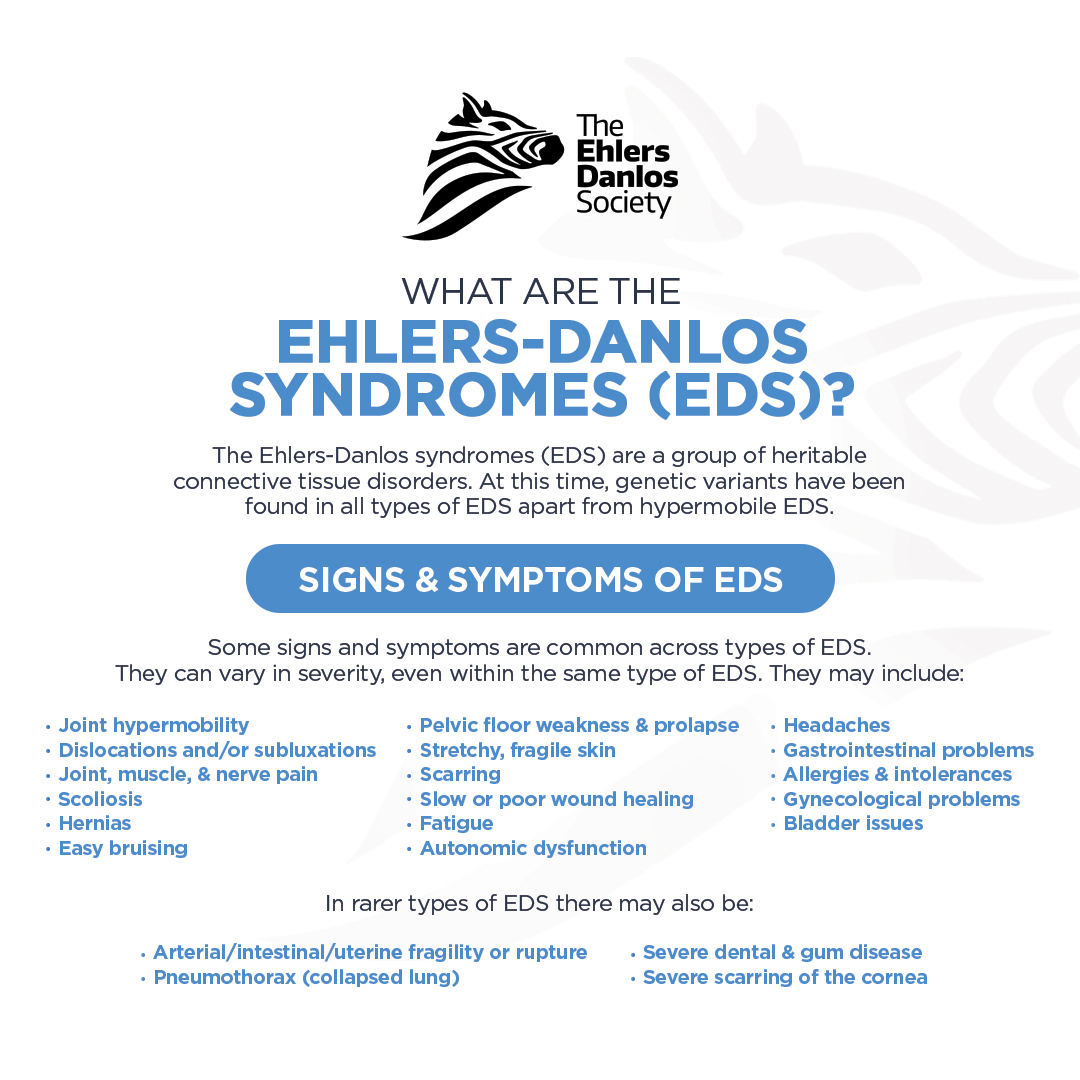
The Ehlers-Danlos syndromes (EDS) are a group of heritable connective tissue disorders that vary in how they affect the body and their genetic causes. 🧬
Variants in the genes that determine how the body makes collagen and other proteins that work alongside collagen have been shown to cause EDS.
At this time, genetic variants have been found in all types of EDS, with the exception of hypermobile EDS (hEDS).🔬
Connective tissue is everywhere in the body. It provides support and structure to other tissues and organs, including bone, ligaments, tendons, blood vessels, lymphatic vessels, the tissue that holds the gastrointestinal tract in place, etc.
❓️Signs and symptoms
Some certain signs and symptoms are common across all types of EDS. However, these can vary in severity between individuals, even with the same type of EDS.
These include:
• Joint hypermobility
• Joint instability with dislocations and/or subluxations
• Injury to connective tissues in and around joints
• Joint, muscle, and nerve pain
• Scoliosis
• Hernias
• Pelvic floor weakness and prolapse
• Easy Bruising
• Stretchy skin
• Fragile skin
• Scarring
• Slow or poor wound healing
In rarer genetically-defined types of EDS, there are specific concerns with certain tissues of the body that can present with complications such as:
• Arterial/intestinal/uterine fragility or rupture (usually
associated with vascular EDS (vEDS))
• Pneumothorax (collapsed lung)
• Severe dental and gum disease
• Severe scarring of the cornea of the eye
Across all the types of EDS, a number of conditions and symptoms are now also recognized as common. These include:
• Fatigue
• Autonomic dysfunction (such as fast heart rate and/or low blood pressure)
• Headaches
• Gastrointestinal problems
• Anxiety disorders
• Heavy and painful periods and bladder pain
• Allergies and intolerances
➡️ Learn more here: https://t.co/hkadA9VH9j
❓️What would you like people to know about EDS?
#MedTwitter #MedEd #EhlersDanlosSyndrome #Healthcare #Hypermobility
It's Ehlers-Danlos Syndromes (EDS) and Hypermobility Spectrum Disorders (HSD) Awareness Month! [Thread]
What is #EDS?
The Ehlers-Danlos syndromes (EDS) are a group of 13 individual genetic conditions, all of which affect the body’s connective tissue: https://t.co/VkWrfxYKDn
We welcome applications & hold auditions throughout the year, so there's still time to apply for Chetham's ✨ You'll make music, friends and memories like this... 😍
We're a friendly bunch and we're here to help you throughout the application process 👉https://t.co/6GGy5fKIFm
Speaking another language can be fun, but can it also help us make better decisions? Listen to this fascinating insight into thought and language. https://t.co/V9jIoSdqLP
Just 3 days left to register interest in writing a new piece for the early music vocal ensemble @TallisScholars. You don’t have to have your compositions and scores ready; just register your interest we'd love to hear from you. https://t.co/A6AaJA1J2A
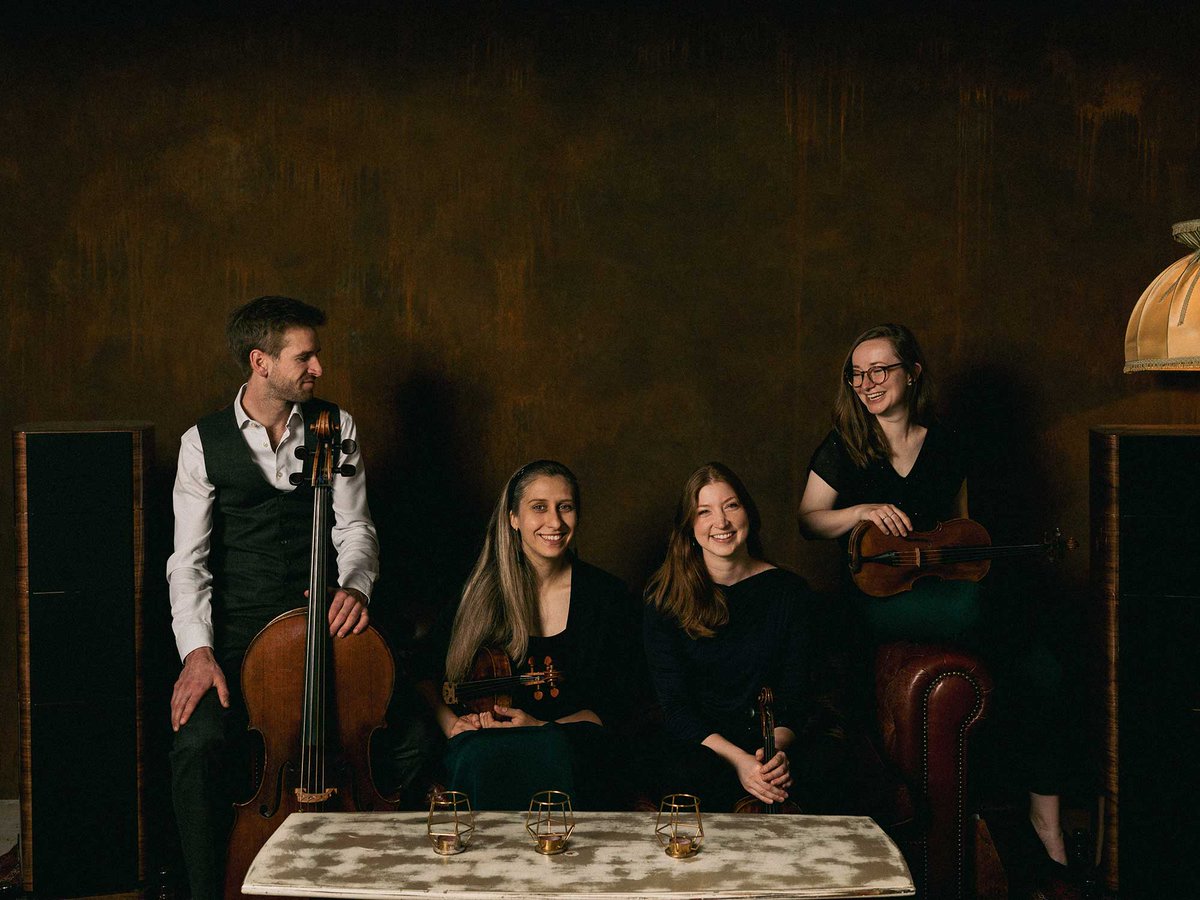
📸 Team cello!
🗓️ See them and the rest of the Chetham's Symphony Orchestra @StollerHall on Friday 16 February, 7.30pm
👉 Book your tickets to witness the most exciting young musicians in the country perform live https://t.co/y3t4HzMXqF
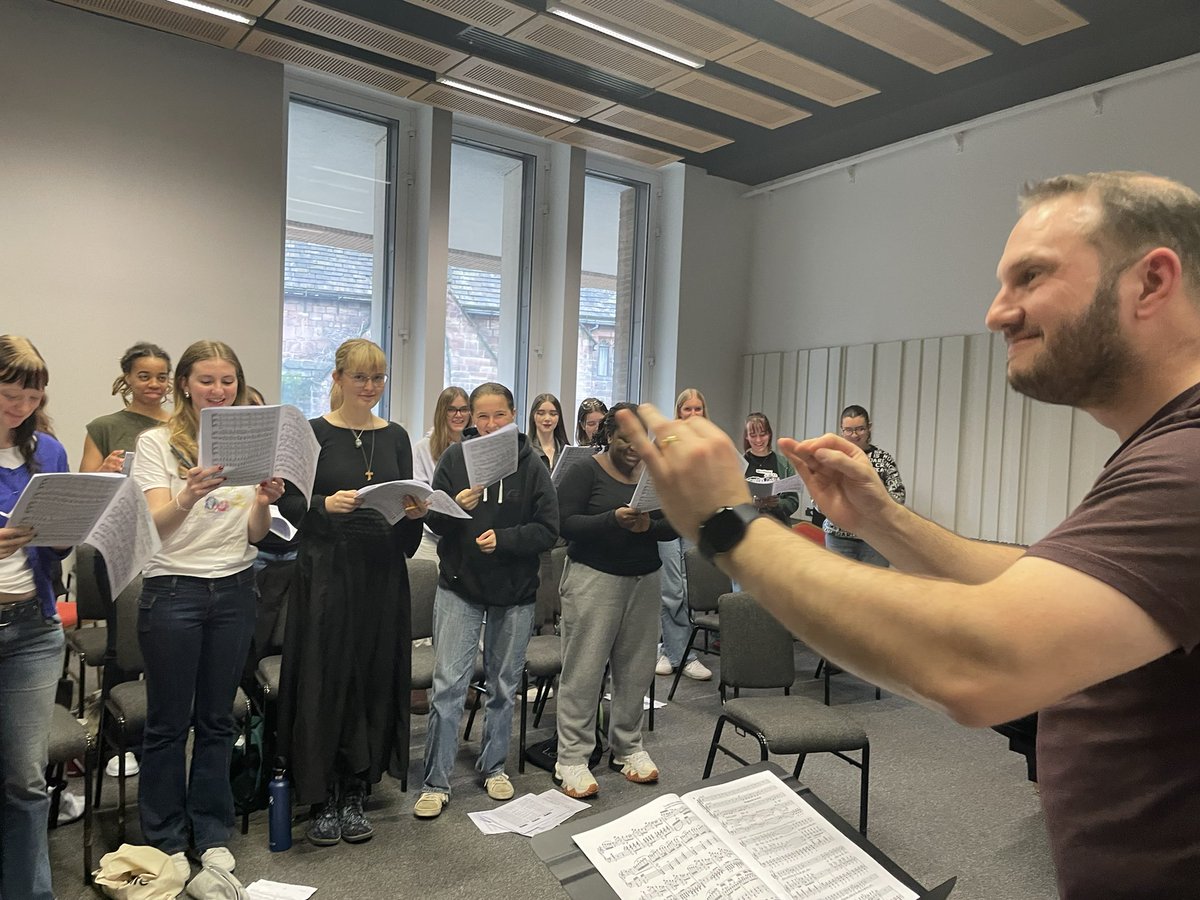
.@Chethams music course is underway. A jam packed week of orchestras, opera scenes, piano classes, improvisation &…music.
Very excited to welcome Elizabeth Vergara Gallego to conduct Brouwer, Ginastera, Resphigi & Sibelius. Only a few tickets left for performances @StollerHall
See some of the most exciting young musicians in the country perform at their home venue @StollerHall on 16 February 🎟️
To book tickets👉https://t.co/XKnUJ802LT
Our FREE academy days are a fantastic way to get a taste of life at Chetham's.
Join our Brass and Percussion Academy Day for masterclasses, ensemble playing and discussions, led by Chetham’s tutors, students, and professional musical guests ✨
https://t.co/LNiqdpD5hM








![ehlersdanlosuk's tweet photo. It's Ehlers-Danlos Syndromes (EDS) and Hypermobility Spectrum Disorders (HSD) Awareness Month! [Thread]
What is #EDS?
The Ehlers-Danlos syndromes (EDS) are a group of 13 individual genetic conditions, all of which affect the body’s connective tissue: https://t.co/VkWrfxYKDn https://t.co/JFDVgUP5ux](https://pbs.twimg.com/media/GMfCdO_XEAAAws3.jpg)