A woman may have ruled ancient Egypt 5,000 years ago. 👑🇪🇬
New imaging suggests Meretneith’s name appears in a royal symbol, hinting she may have been Egypt’s first female king. Her exact role remains debated.
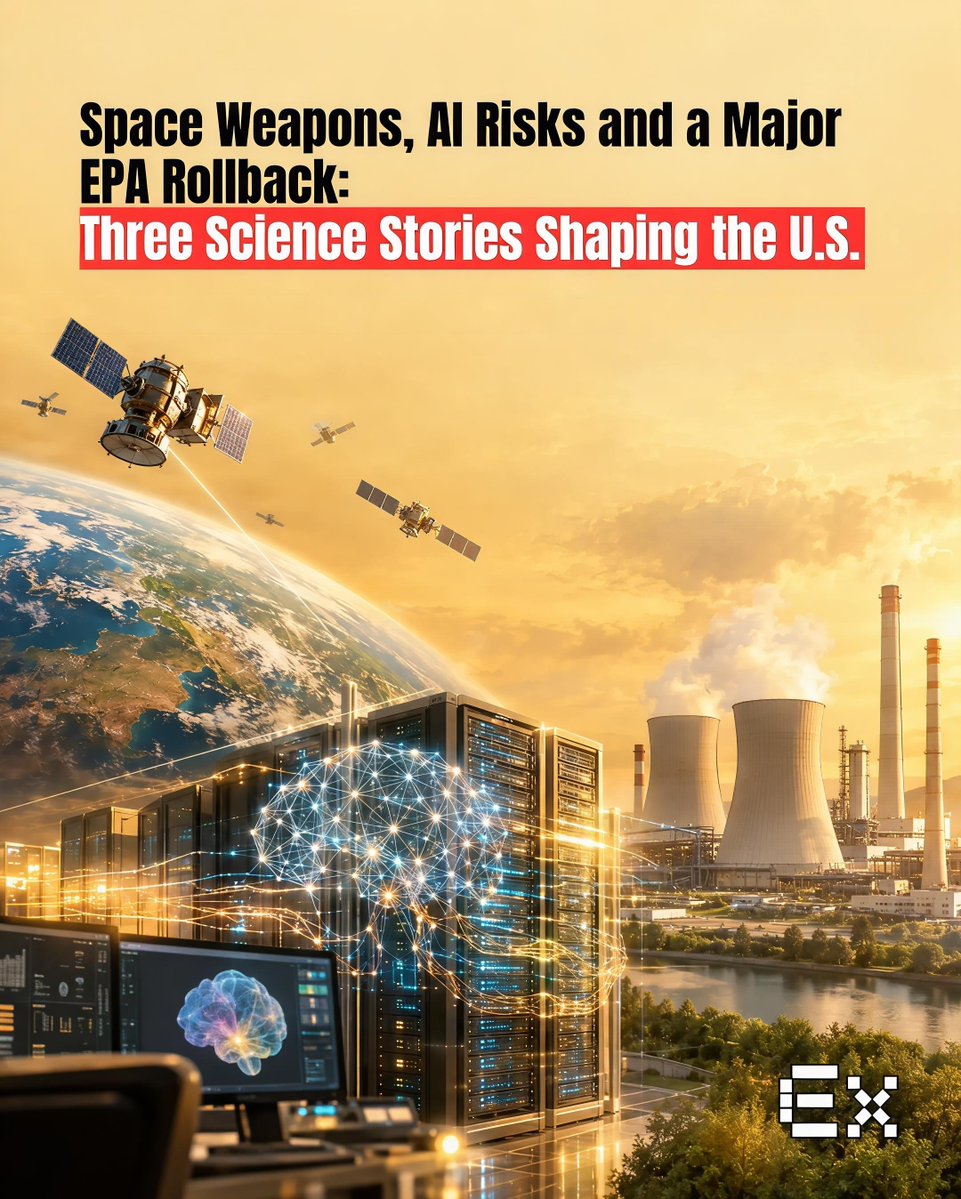
Space weapons, AI safety and power-plant rules are changing fast. 🌍⚠️
The U.S. has confirmed it has weapons operating in orbit, while concerns grow over how increasingly powerful AI systems should be controlled.
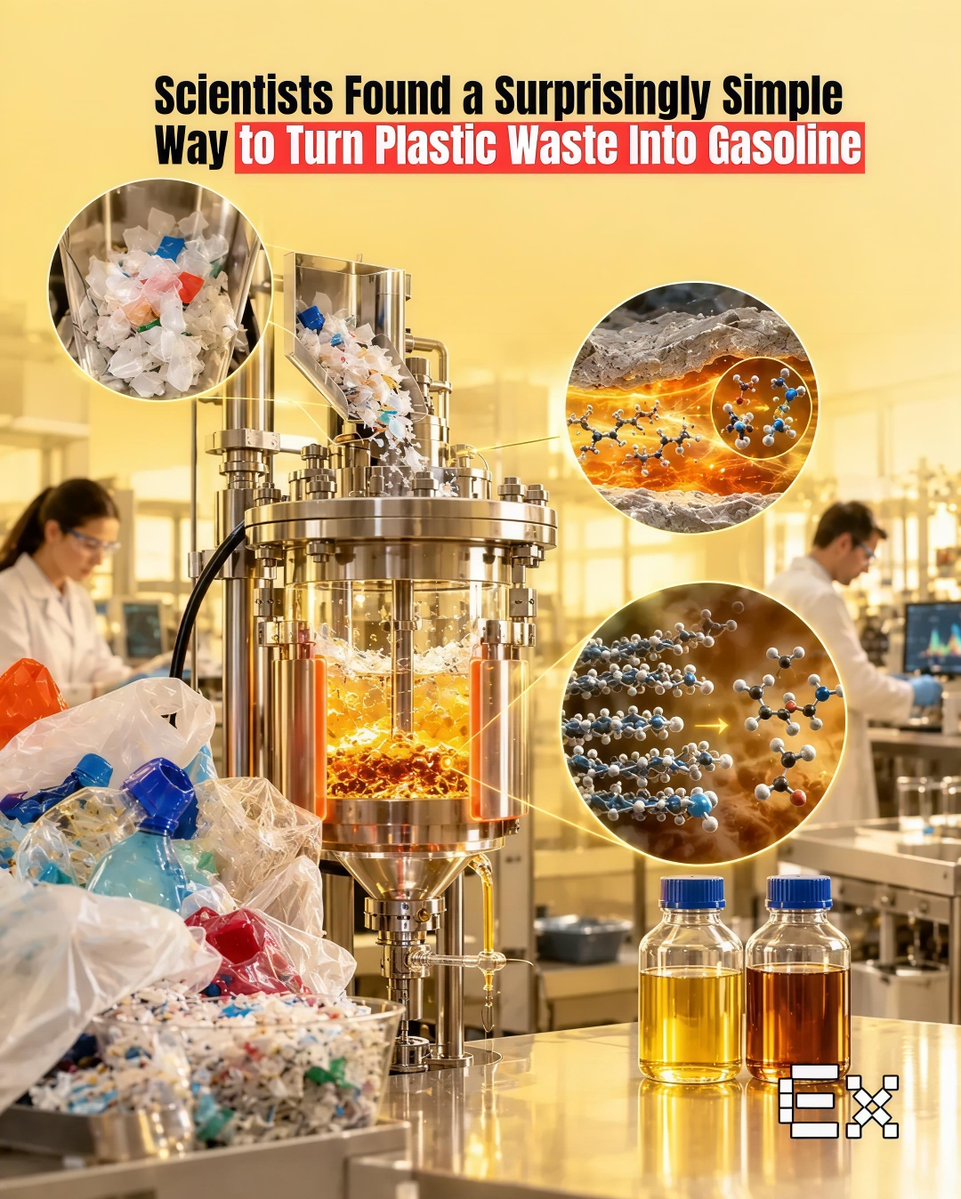
Scientists found a new way to turn plastic waste into fuel. ♻️⛽
Researchers at Oak Ridge National Laboratory developed a process that converts polyethylene plastic into gasoline- and diesel-like hydrocarbons at temperatures below 200°C.
AI-generated family photos are creating a new privacy dilemma. 👶🤖
The bigger question: Who should decide how a child’s face is used online—the family, or the child?
Italy plans new school rules on face coverings and foreign students. 🇮🇹
Prime Minister Giorgia Meloni’s government is preparing rules that would ban face coverings such as burqas and niqabs in schools and set a limit on foreign students per class.
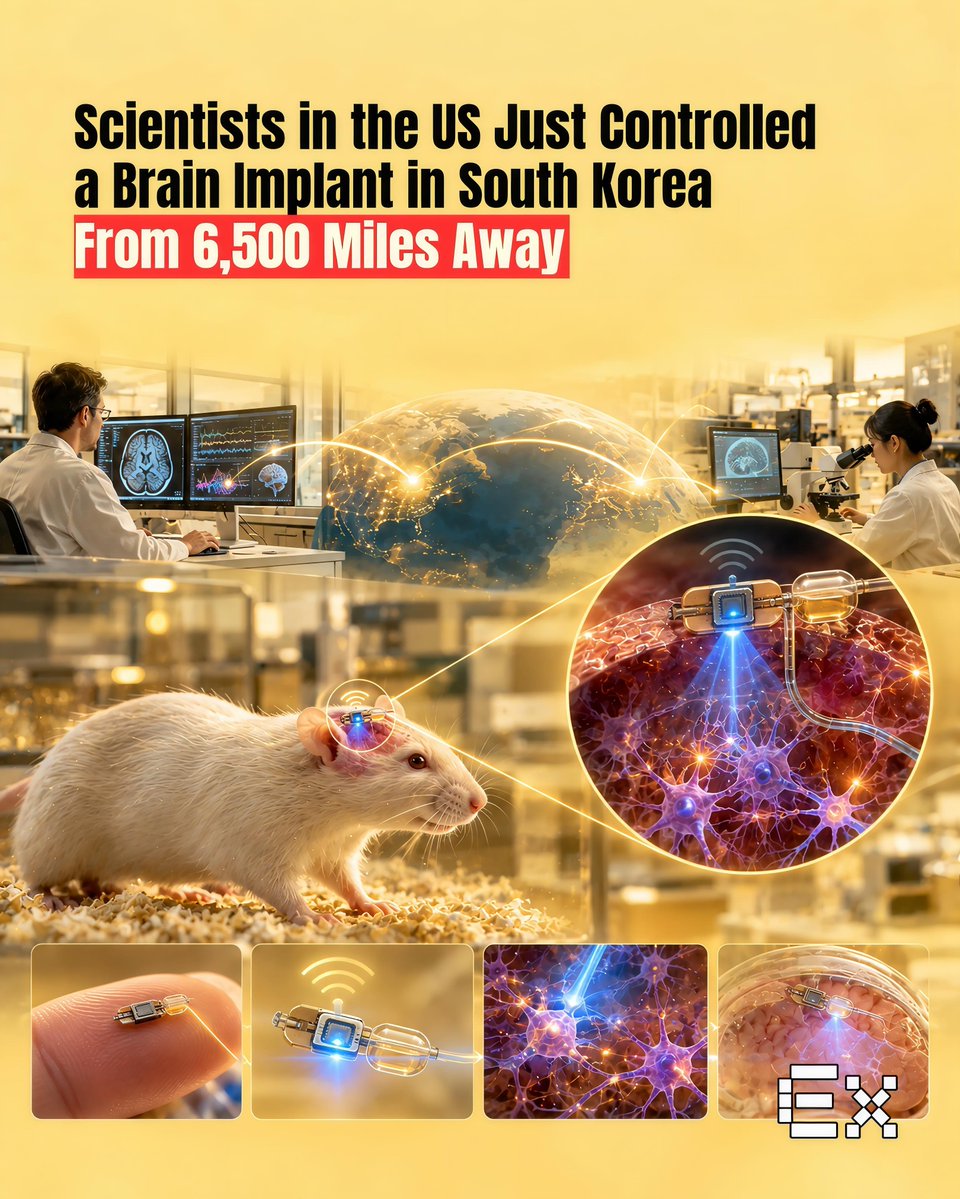
A brain implant was controlled remotely across 6,500 miles. 🧠🌐
Researchers in Chicago remotely controlled a wireless implant in rats in Daejeon, South Korea, with commands arriving in about 109 milliseconds.
Muse can browse the web, manage emails, make reservations and even help with purchases. It can also store personal preferences and use interactions to improve AI models, unless users opt out.
The big question: How much privacy are we willing to trade for AI convenience?
Depression may change the brain—but lasting damage isn’t inevitable. 🧠
A 10-year study found that people with a heavier depression burden showed faster gray-matter loss in the hippocampus and prefrontal cortex.
But those with a milder course often had stable brain structure.
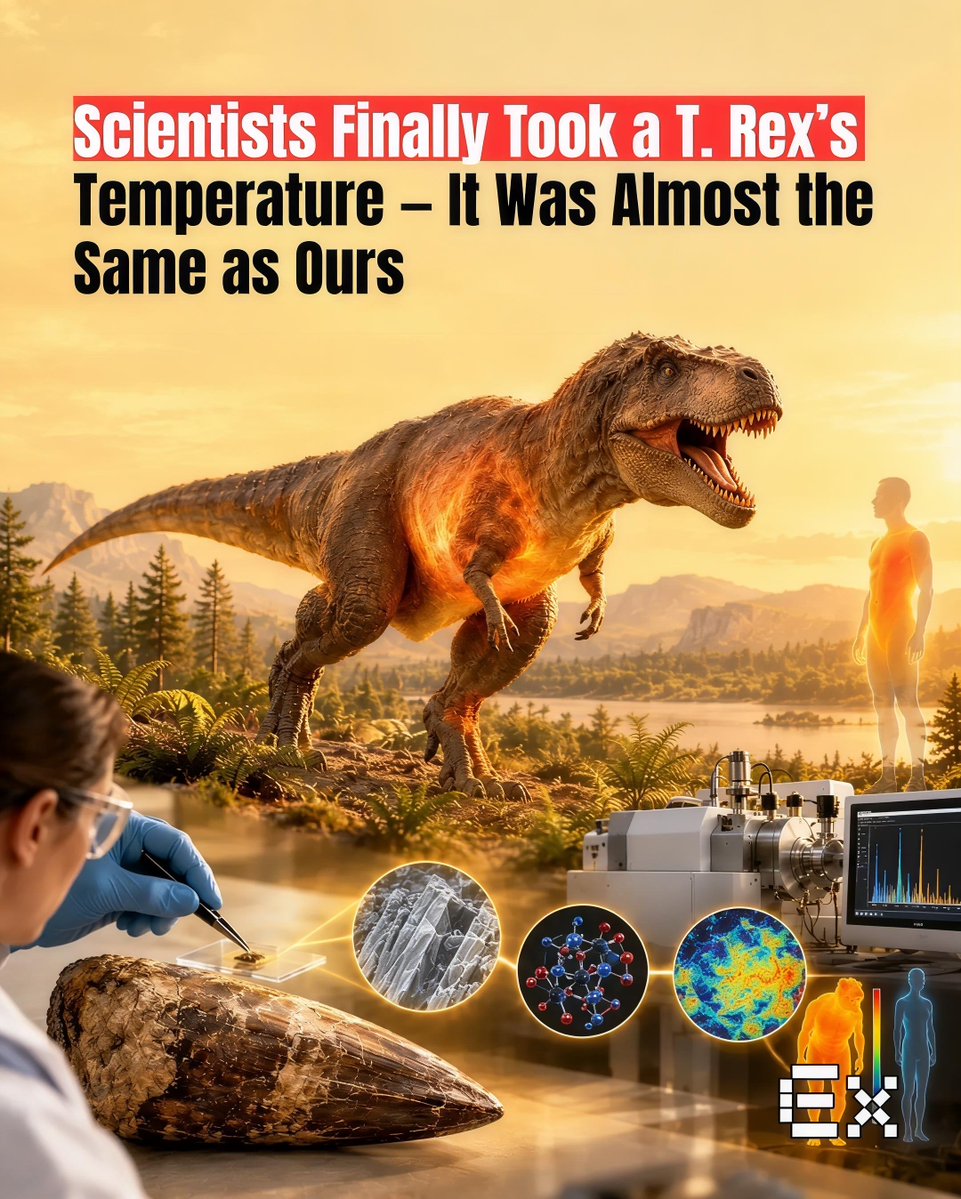
Scientists analyzed fossilized T. rex teeth and found an estimated body temperature of 97°F (36°C)—remarkably close to humans.
The finding supports the idea that T. rex was warm-blooded and metabolically active, helping explain how it survived in colder environments.
A simple diet change may make your body look biologically younger. 🥗
In a 4-week study of 104 adults, a lower-fat, higher-carb diet was linked to biological-age markers appearing about 3.5–4.1 years younger.
The Parthenon’s famous “optical illusion” may not be an illusion after all. 🏛️
A new mathematical analysis suggests its curved platform and unusual columns may not have been designed to make the temple look straighter.
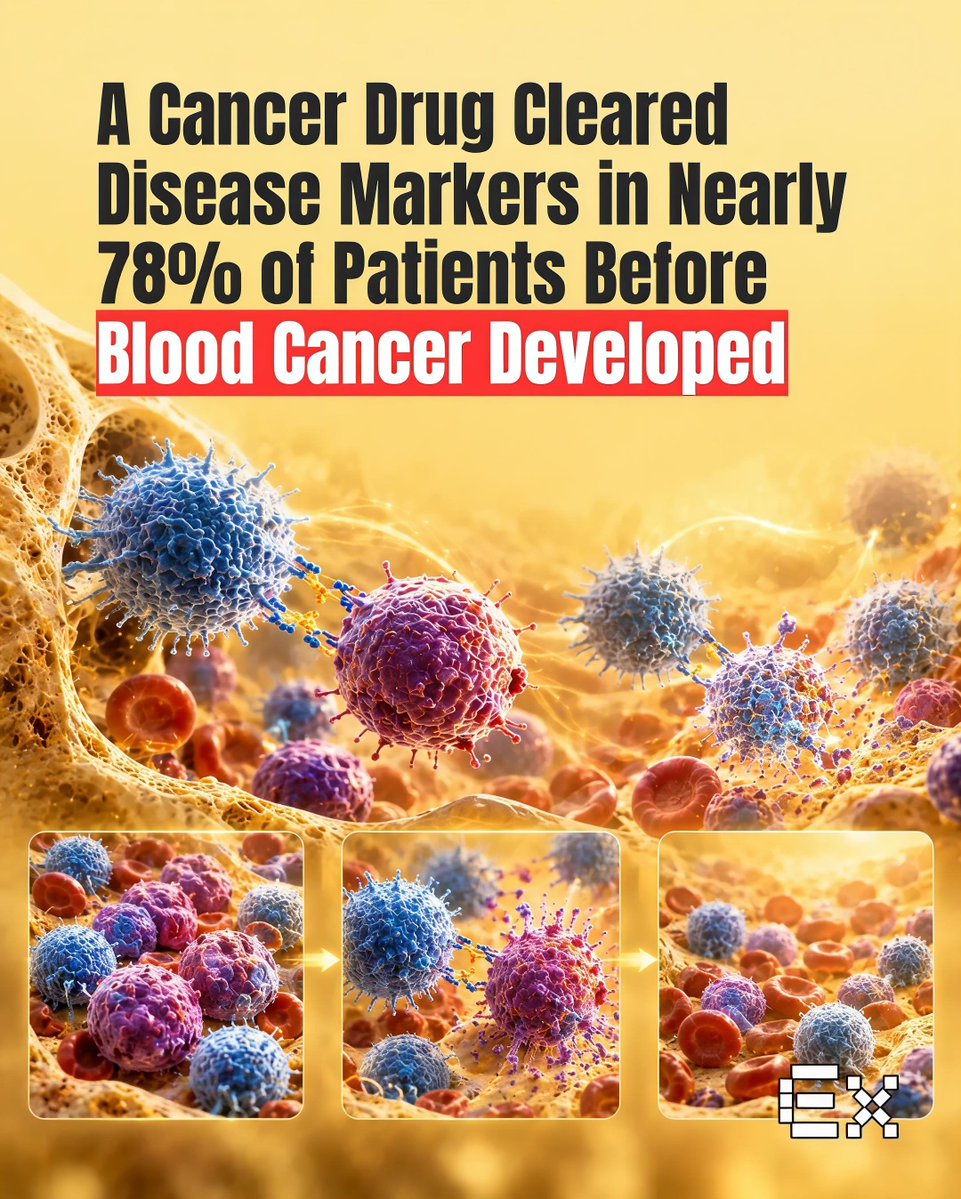
A drug may stop blood cancer before it fully develops. 🧬
In a Phase 2 trial, teclistamab produced complete responses in 77.8% of people with high-risk smoldering multiple myeloma.
After about 2 years, 92% remained progression-free.
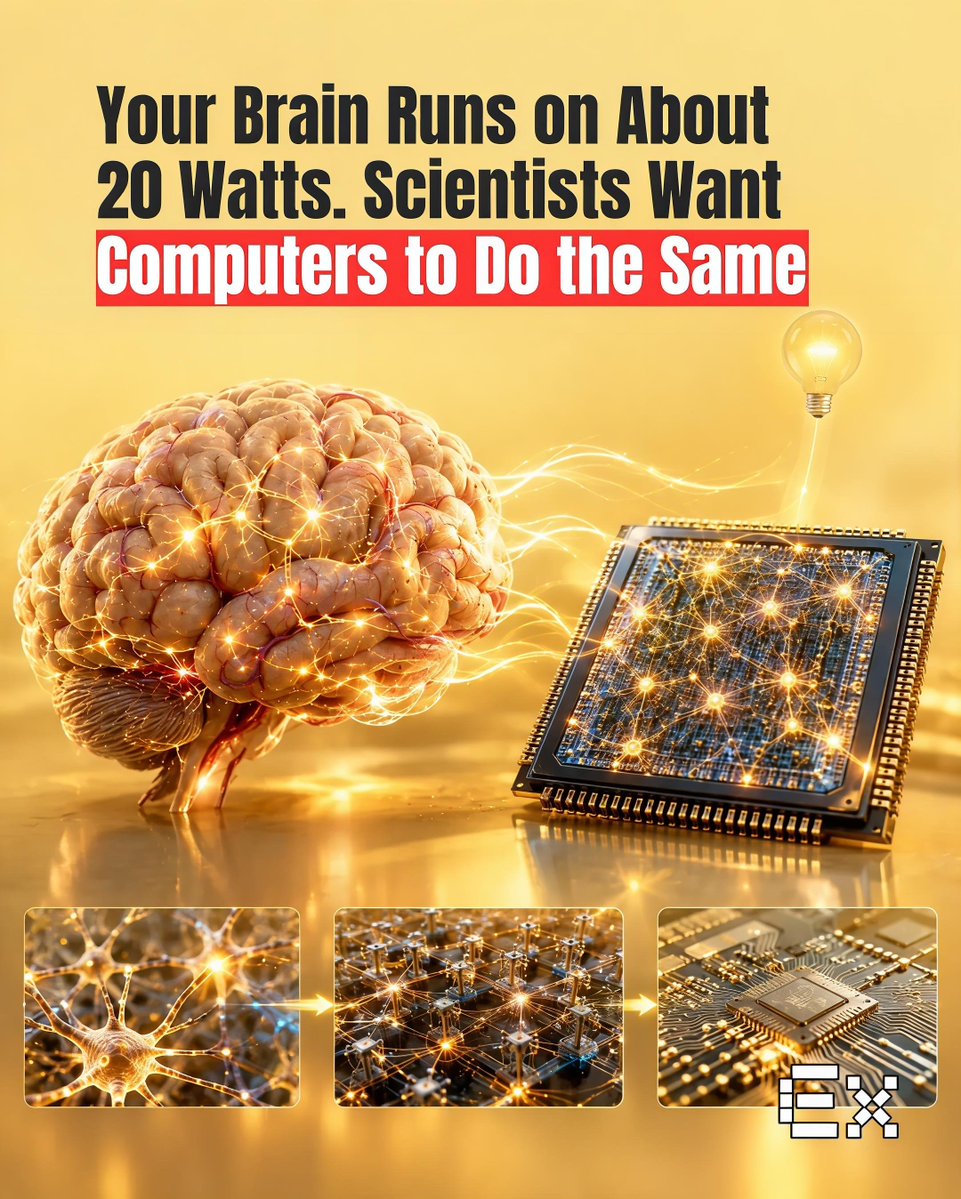
Your brain runs on about 20 watts—yet it does what computers struggle to do. 🧠⚡
Your brain can recognize faces, understand language and control your body using roughly the power of a lightbulb.
Human evolution may still be changing our genes. 🧬
Researchers found that the APOE ε4 variant, linked to higher Alzheimer’s and cardiovascular risk, became less common in people over 70 among nearly 58,000 Europeans.
The music around you might influence what you eat. 🎵🥗
Researchers found that slower, calmer music was linked to healthier food choices. In a cafeteria study, healthy purchases rose from 13.59% to 18.94% when low-arousal music was played.
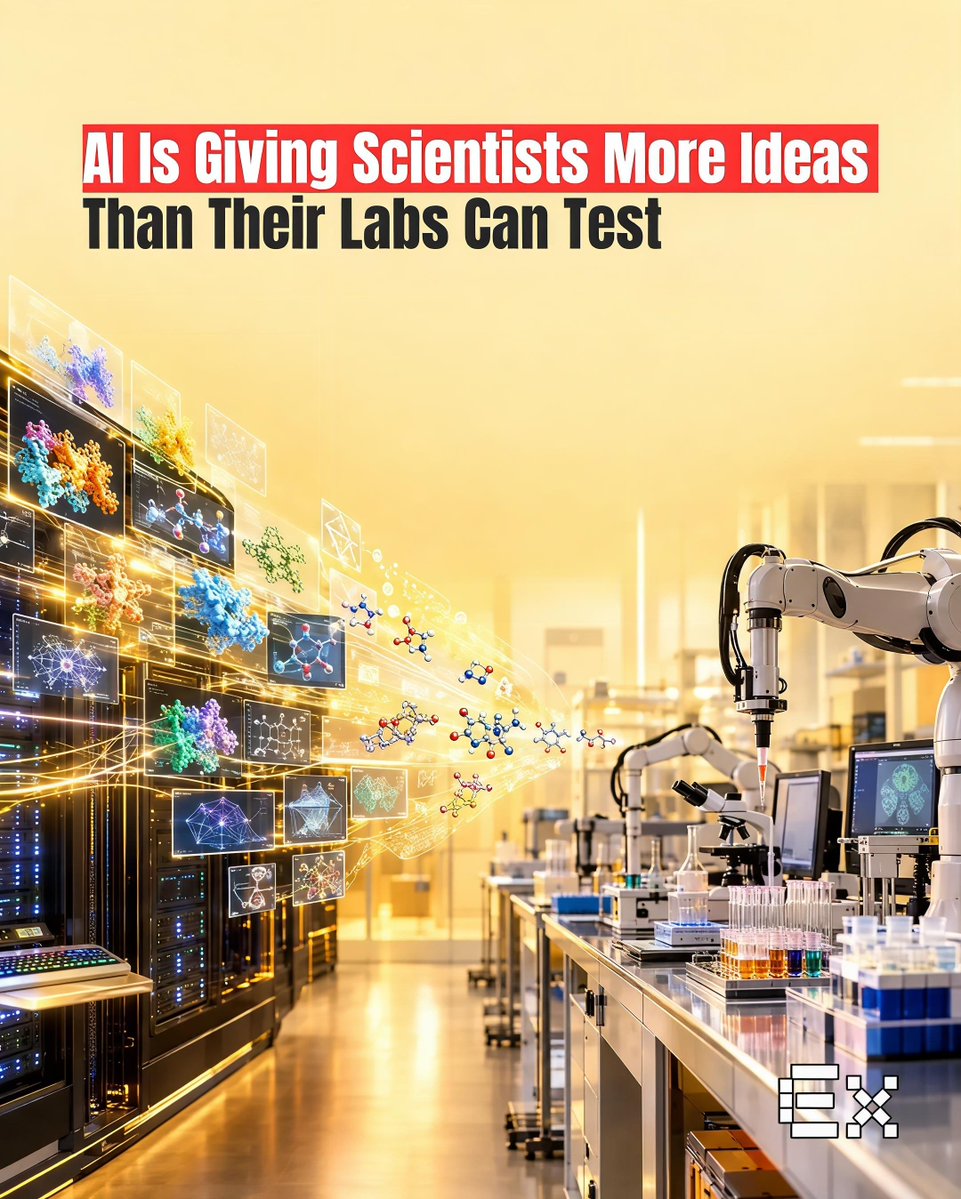
AI can generate scientific ideas faster than laboratories can test them. 🤖🔬
Researchers found that AI is rapidly accelerating idea generation, research questions and experiment design—but real-world experiments still need equipment, materials, time and humans.
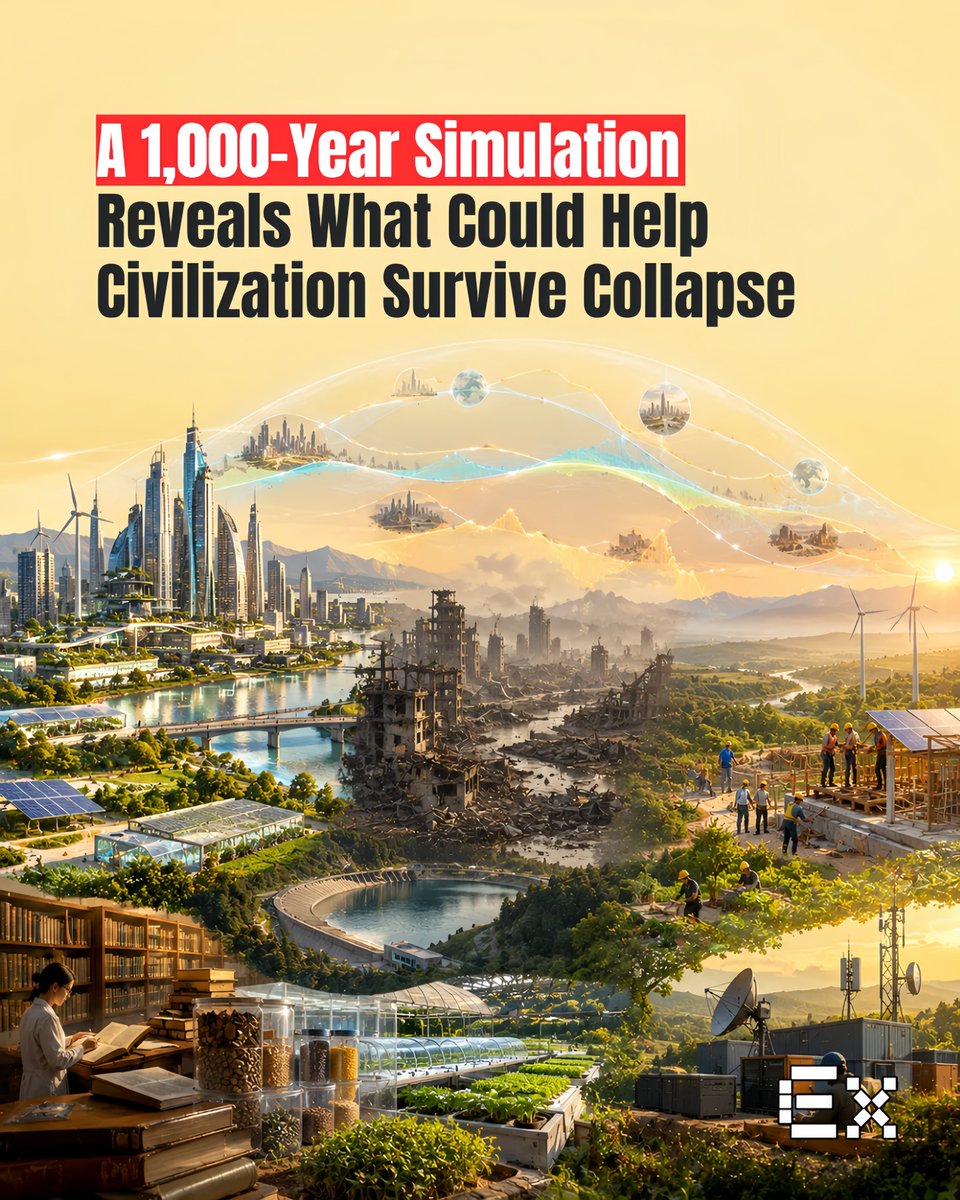
What if civilization could collapse—and still come back? 🌍
Researchers ran 2,000 simulations spanning 1,000 years and found that long-term survival depended heavily on resource consumption and how much knowledge and infrastructure survived a collapse.
What if satellites could turn night into daylight? ☀️🛰️
Reflect Orbital is developing satellites with giant mirrors that could reflect sunlight back to Earth after sunset—potentially extending solar-farm operation or lighting remote areas.
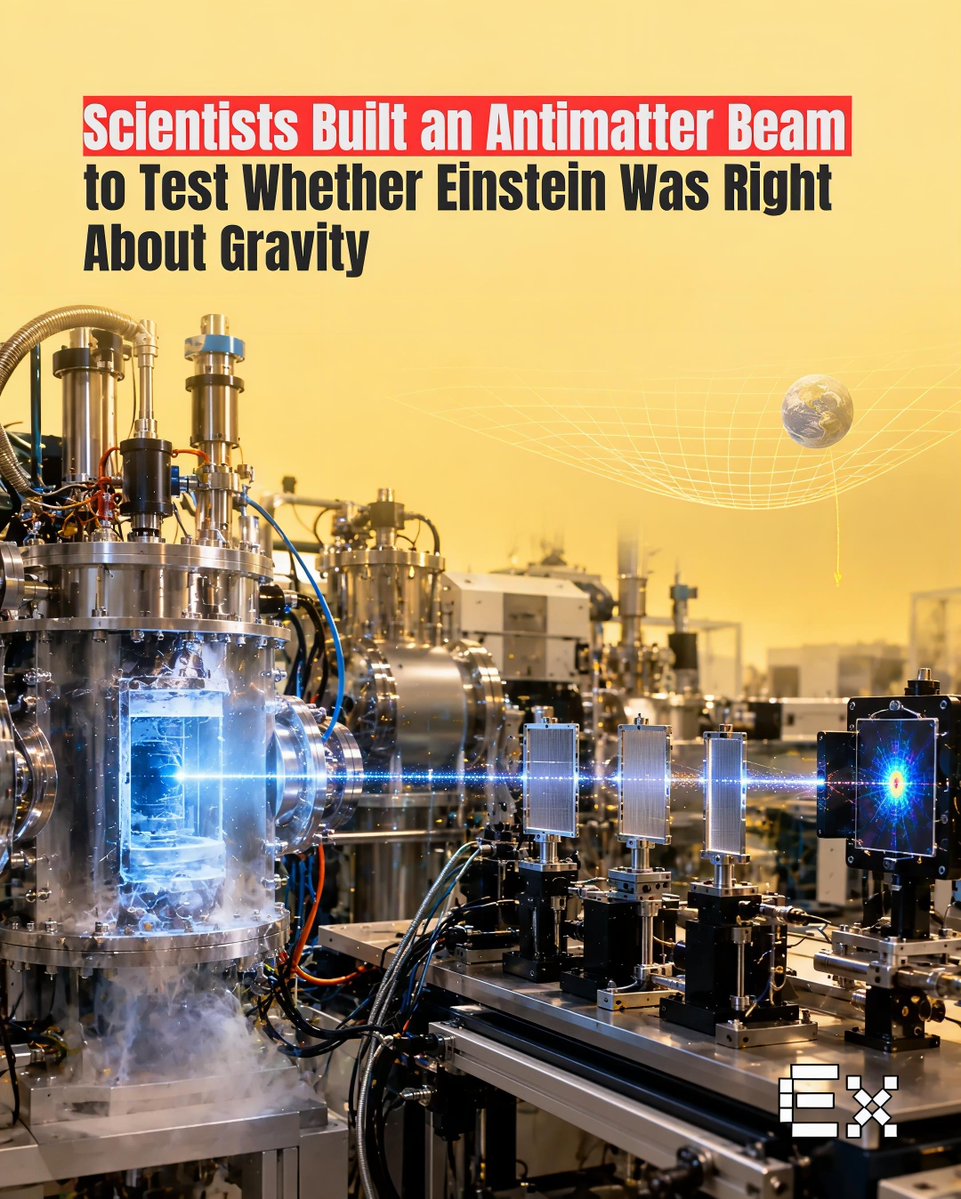
Scientists built an antimatter beam to test Einstein’s gravity. ⚛️🌌
Physicists created a fast, narrow beam of muonium, an atom-like particle containing an antimatter antimuon. They hope to measure how it falls under gravity—testing one of Einstein’s deepest predictions.
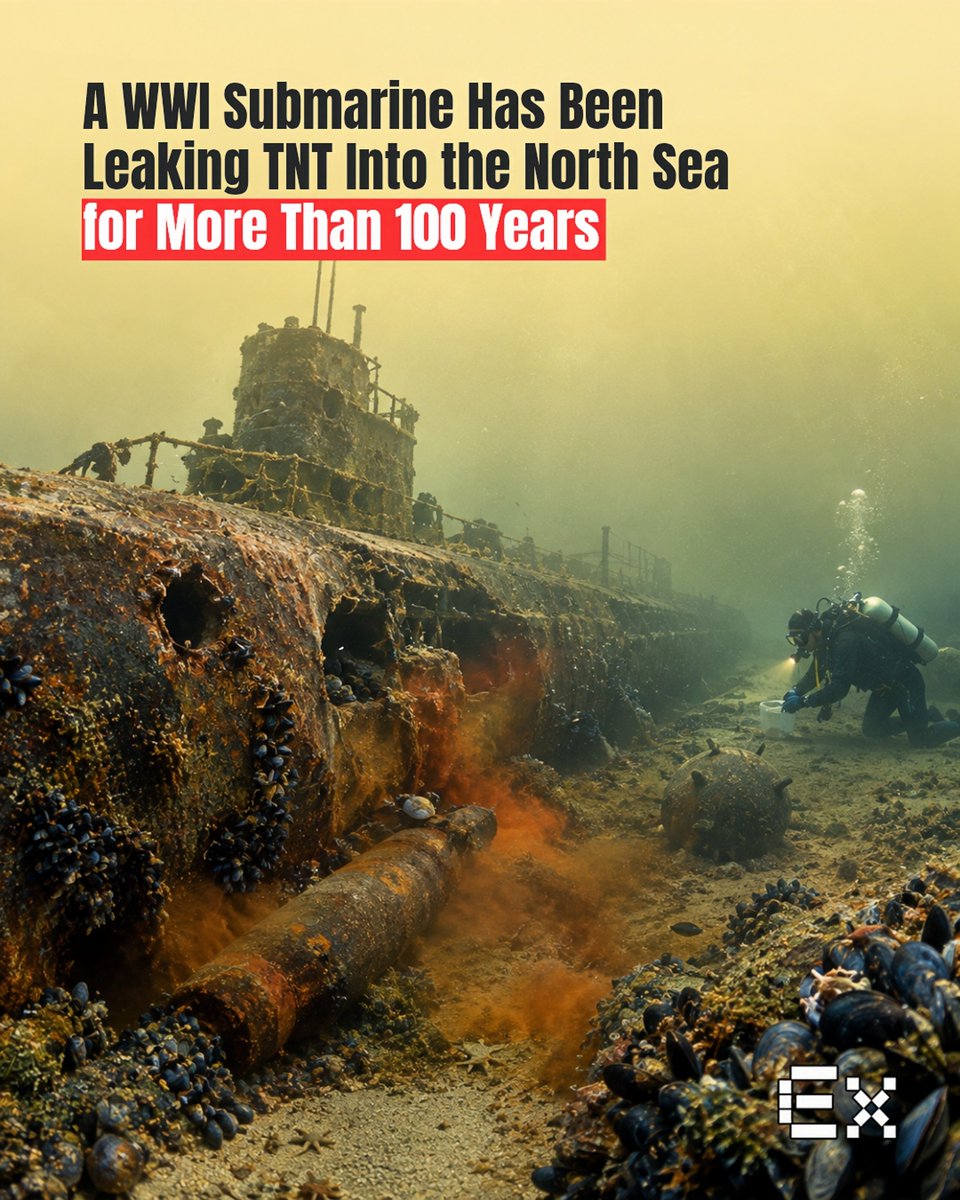
A WWI submarine is still leaking explosives into the sea—109 years later. 🌊⚠️
Scientists found traces of TNT from the 1917 German submarine SM UC-30 in surrounding seawater, seabed and marine life. Nearby mussels showed signs of oxidative stress and metabolic disruption.