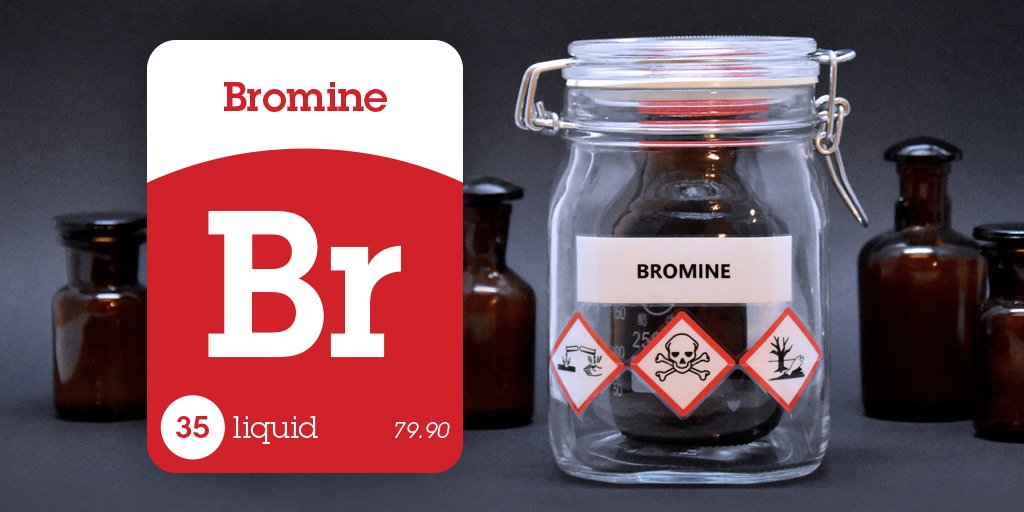
Bromine is corrosive to human tissue in a liquid state and its vapors irritate eyes and throat. Bromine vapors are very toxic with inhalation. #bromine#periodictable#trivia
The chemical industry produces and consumes vast quantities of sulfur. It’s used to manufacture fertilizers, explosives, other acids, dyes, glue, wood preservatives and automobile batteries. #batteries#fertilizer#periodictable#trivia
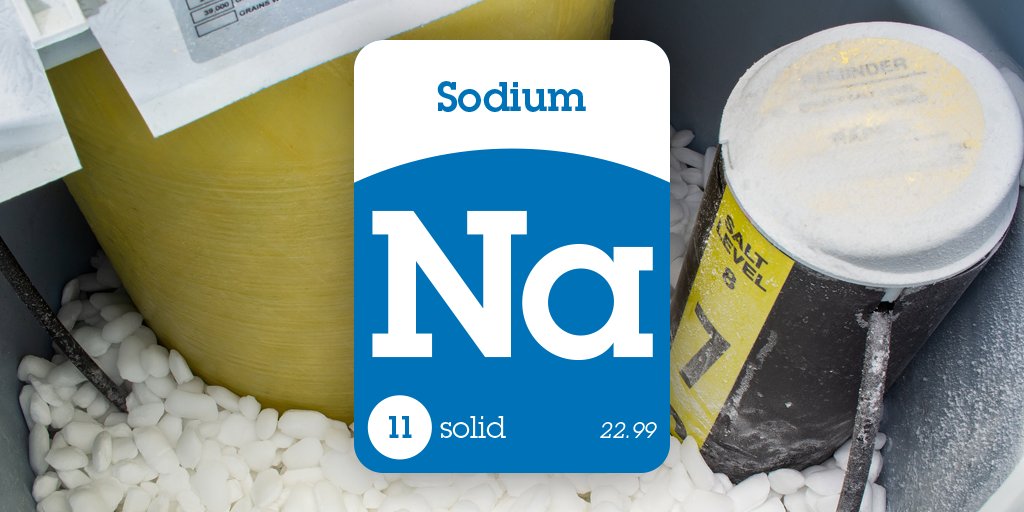
A salt-based water softener (AKA an ion exchange water softener) draws heavy minerals (like calcium and magnesium) into a resin within the softener, then releases sodium ions to complete the ion exchange process. #WaterSoftner#periodictable#trivia
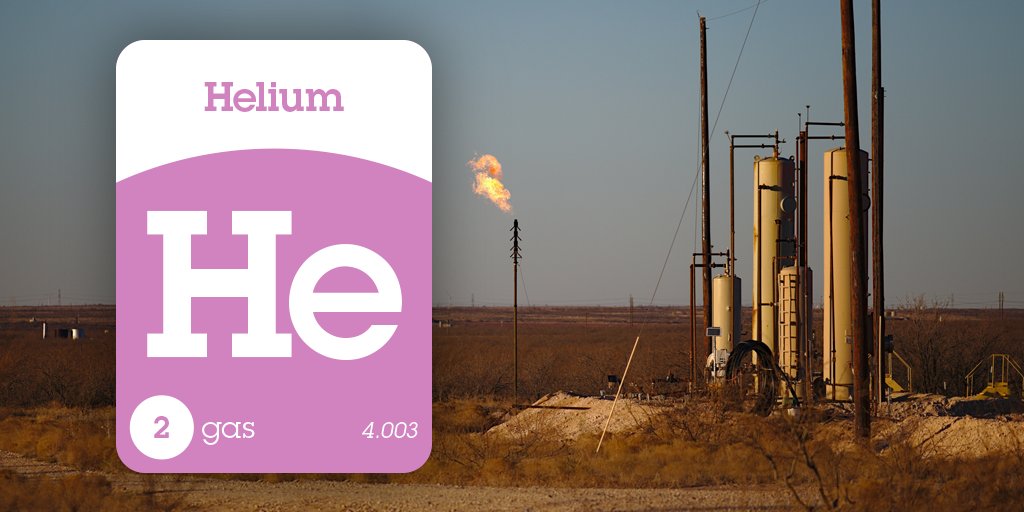
Helium is most commonly recovered from natural gas deposits. Geologic conditions in Texas, Oklahoma, and Kansas make the natural gas in these areas some of the most helium-rich in the world. #Helium#periodictable#elements#trivia
Most stadium bleachers are made from aluminum. Aluminum bleachers require little maintenance, are easily cleaned with soap and water, and never require sanding and repainting. #sports#periodictable#trivia
Peridot, August’s birthstone, is predominantly natural light green in color. The more iron present, the more distinct the gem and the more valuable it is. #peridot#August#Periodictable#trivia
Chile has the world’s largest known lithium reserves. The country is part of the “lithium triangle” in South America, along with Bolivia and Argentina. #Chile#Lithium#periodictable#trivia
Sulfuric acid is the world's largest volume industrial chemical. It’s used to make storage batteries, fertilizers, paper products, textiles, explosives, and pharmaceuticals, and in steel and iron production. #sulfuricacid#periodictable#trivia
Goats and sheep require cobalt in their diet for the synthesis of vitamin B12. It also improves the quality of the wool. #goats#sheep#periodictable#trivia
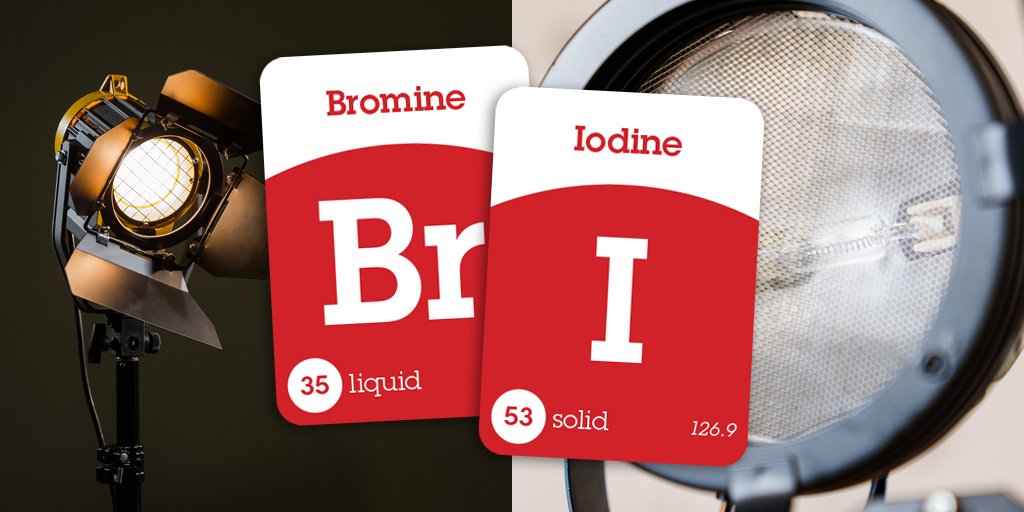
Used widely in the theatrical and studio industries, halogen lights consist of a tungsten filament, enclosed in an environment of an inert gas and a small amount of a halogen, bromine or iodine. #halogen#periodictable#trivia
The six platinum group elements (PGEs) – platinum, palladium, rhodium, ruthenium, iridium and osmium – have similar physical and chemical properties, and tend to occur together in the same mineral deposits. #periodictable#elements#trivia