Someone very important to me told me that his favorite flower is the sunflower. Because sunflowers always grow towards the sun, never bowing their heads no matter the weather. Later, I slowly realized that people are actually the same. Truly warm and steadfast people aren't those who have never experienced darkness, but those who, even after going through many things, still choose to approach the light and believe in goodness. I think that's why I have a special feeling for sunflowers. 🌻
Have you ever seen a “bleeding” fungus? When the devil’s tooth is moist, it oozes striking droplets of red liquid. But this only happens when the fungus is young—as it grows, it turns brownish & stops secreting fluid. Believe it or not, this “bleeding” mushroom is not toxic!
This critter can spend up to 23 hours a day looking for food! Meet the Eastern mole. This dirt puppy weighs 4.9 oz (140 g)—about the weight of about two C batteries. With poor eyesight, it spends most of its life underground hunting for worms and other insects.
This archival image, snapped sometime before 1960, depicts duck-billed dinosaurs on display at the Museum. Also known as hadrosaurs, these massive herbivores were the dominant plant-eaters during the Late Cretaceous ~85 million years ago.
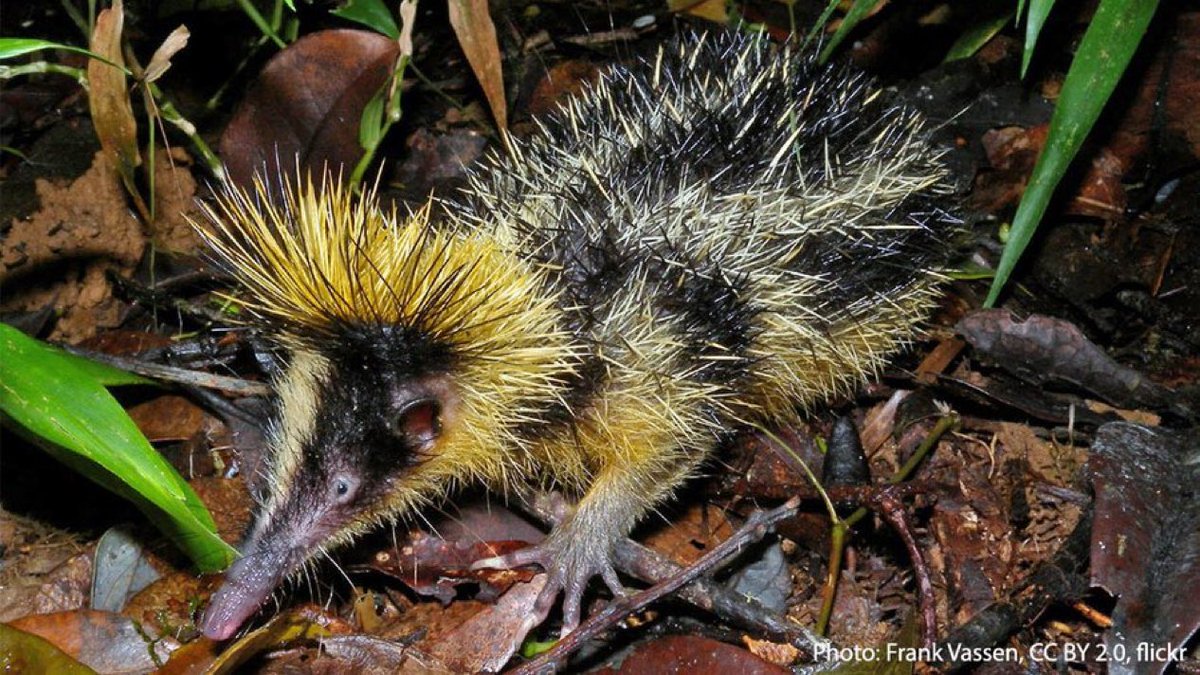
What’s that critter? It’s the lowland streaked tenrec. Its yellow & black quills provide protection from predators, but also serve as a means of communication! This animal can rattle its quill tips together, producing a high-pitched sound that’s thought to signal others.
Have you ever seen a glass squid? Their bodies are mostly see-through, helping them hide from predators, except for their opaque eyes. However, a light-producing organ below their eyes emits flashes, mimicking sunlight from above to camouflage them from threats lurking below.
The Warren mastodon was discovered in 1845 by a crew digging for peat fuel. Every bone in its skeleton is real—it was the first complete American mastodon skeleton found in the USA and is still one of the most complete mastodon skeletons known.
Meet one of the world’s smallest reptiles: the Nosy Hara leaf chameleon! An adult grows to be just over 1 inch (2.5 cm) long, & a juvenile can fit on the head of a match. Scientists think that its miniature size may be an extreme form of island dwarfism.
This Trilobite Tuesday, meet one of Utah's rarest Middle Cambrian trilobites: Kootenia randolphi. Known for decades, often from scattered parts, this species was officially named following a major scientific study conducted in 2011.
This #FossilFriday, scoot into the weekend with Scutosaurus karpinskii: the “shield lizard.” This large herbivore lived during the Late Permian ~253 million years ago. It’s part of a group known as pareiasaurs, which had thickened knobs around their skulls & peg-like teeth.
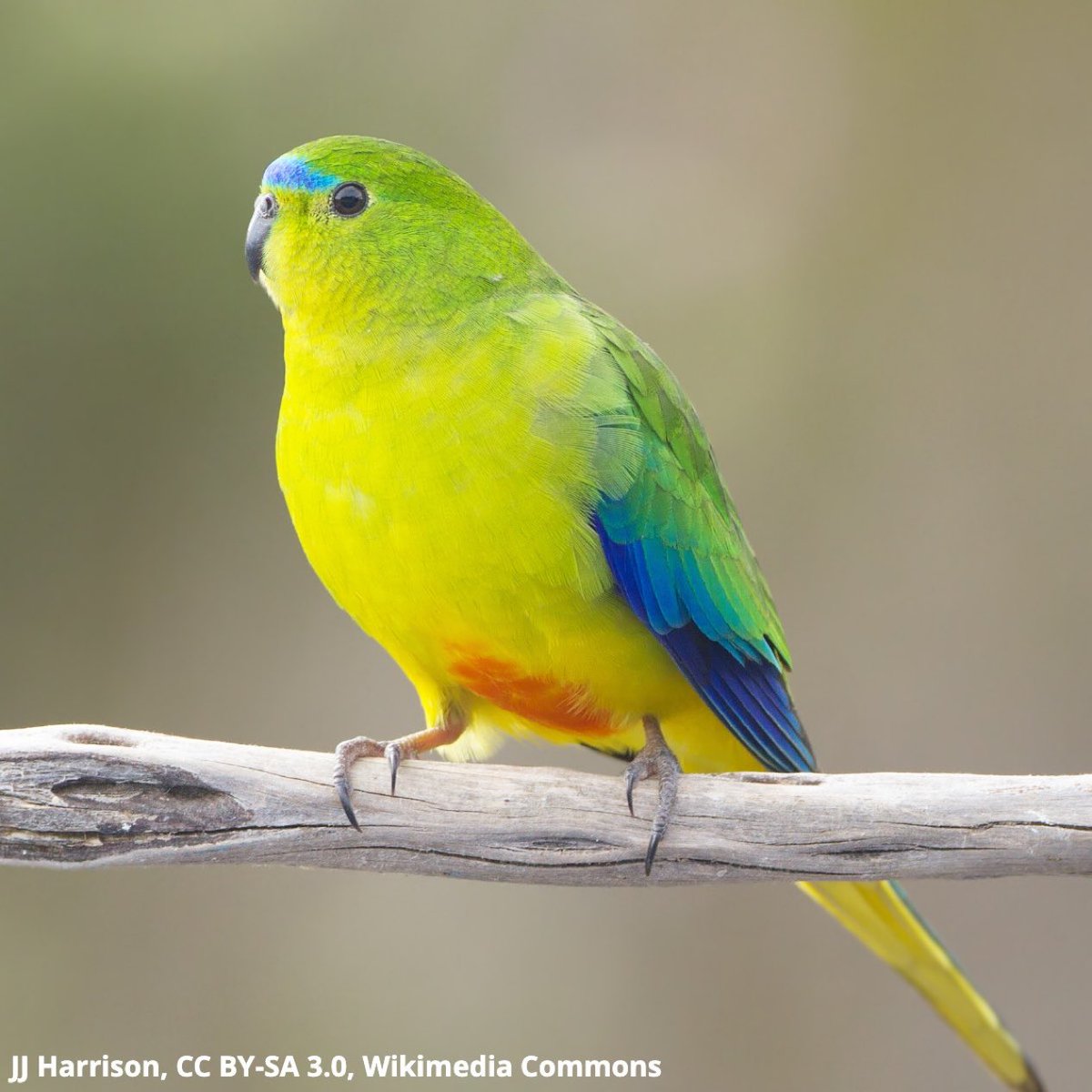
Need a plump bird to brighten your day? Meet the Orange-bellied Parrot! This endangered species can be spotted throughout parts of Australia. Males & females have green plumage with blue markings, but males tend to be brighter in color, with more distinct patches of color.
Meet the northern walking stick—a master of camouflage. Its color and shape fool predators into thinking it’s an inedible twig. In fact, its camouflage is so thorough that its eggs resemble tiny seeds!
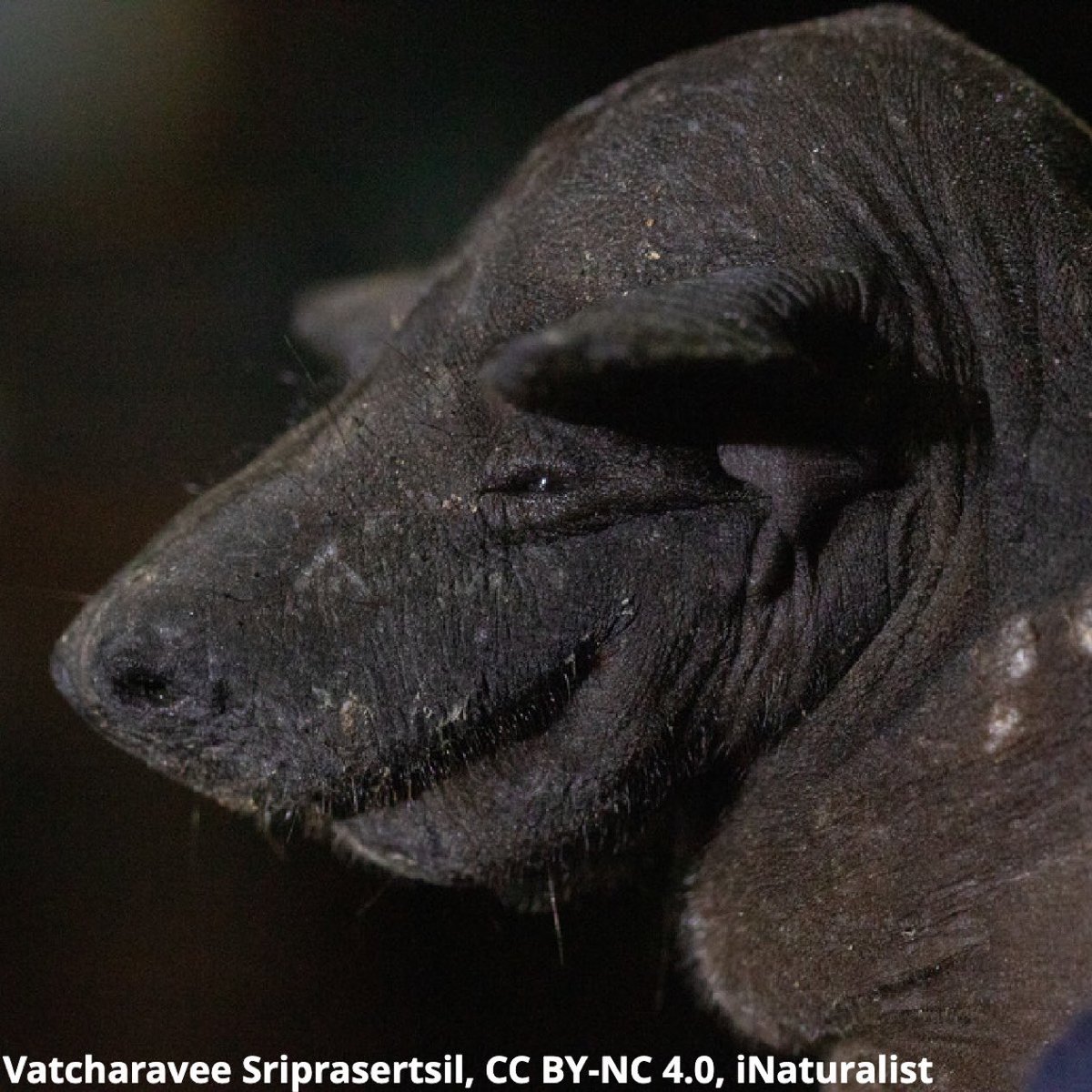
Does this summer heat make you feel like a greater naked bat? Glands on this mostly hairless mammal's neck produce unpleasant-smelling secretions—the scent of which has been compared to “stale socks drenched in engine oil.” It can be found in colonies of ~20,000 individuals.
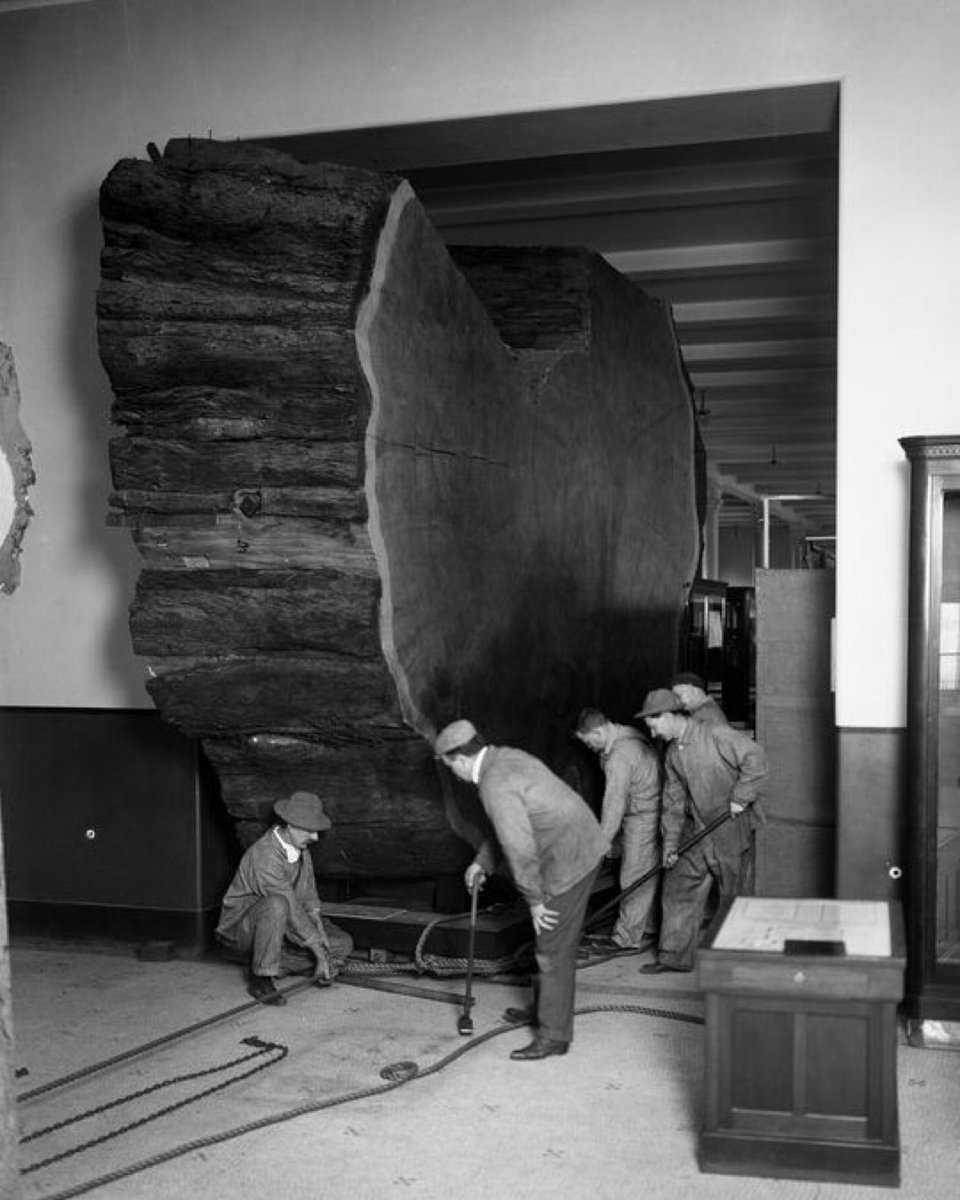
Today’s Exhibit of the Day? The Museum’s giant sequoia. How do you fit a 16-ft- (4.9-m-) tree slice through a 12-ft- (3.7-m-) doorway? In 1912, this sequoia slice was cut to fit through the Museum. Visitors today can still spot the seams where it was put back together!
Meet Eryops megacephalus. Evidence including strong limbs and trackways that may have been made by this critter suggest it was one of the most terrestrial early tetrapods. It lived ~280 mya during the Early Permian.
Meet the blunt-headed burrowing frog! Also known as the balloon frog, it spends much of its time underground. During the breeding season, it comes to the surface and takes advantage of seasonal rain pools to release up to 300 eggs.
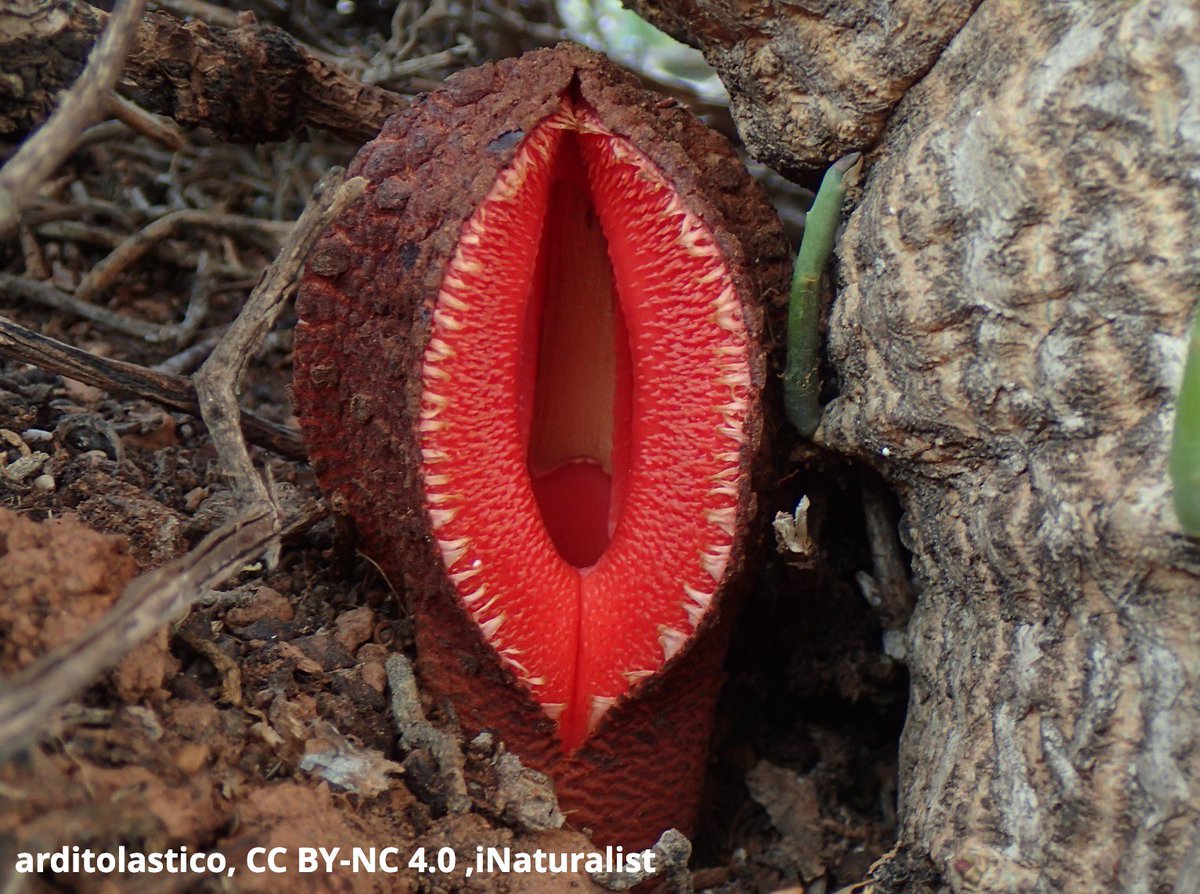
Behold the jackal food. Rather than using photosynthesis to make food, this parasite siphons nutrients from host plants. The corpse-like stench of its fruit attracts jackals & other carnivores... but how does it taste? Its texture & flavor have been compared to that of a potato!
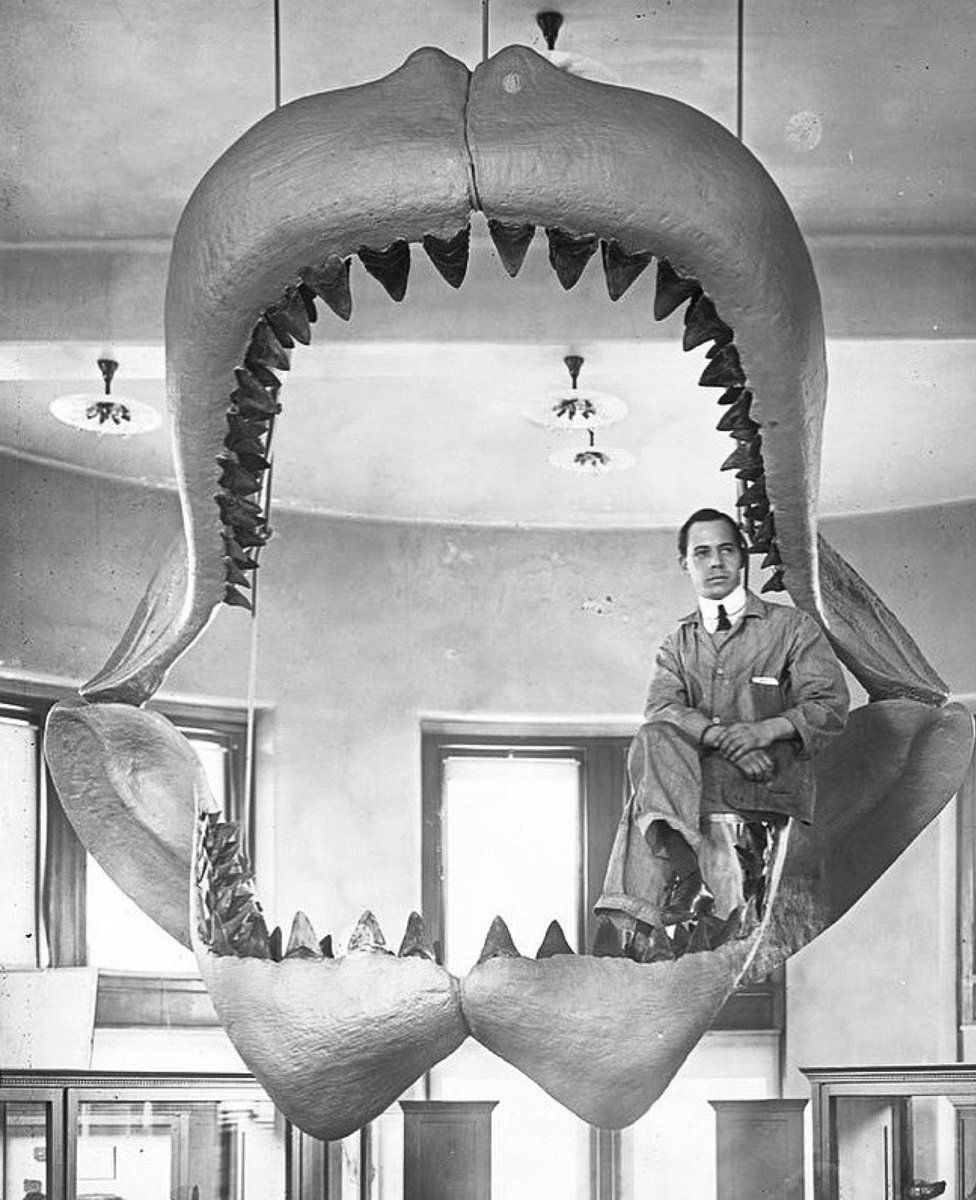
Check out these jaws. They belong to Otodus megalodon: a gigantic shark. 🦈 Dwarfing all living sharks, megalodon measured roughly 50 feet (15 m) long. It also had a bite force of 41,000 pounds—ten times that of the great white (Carcharodon carcharias).
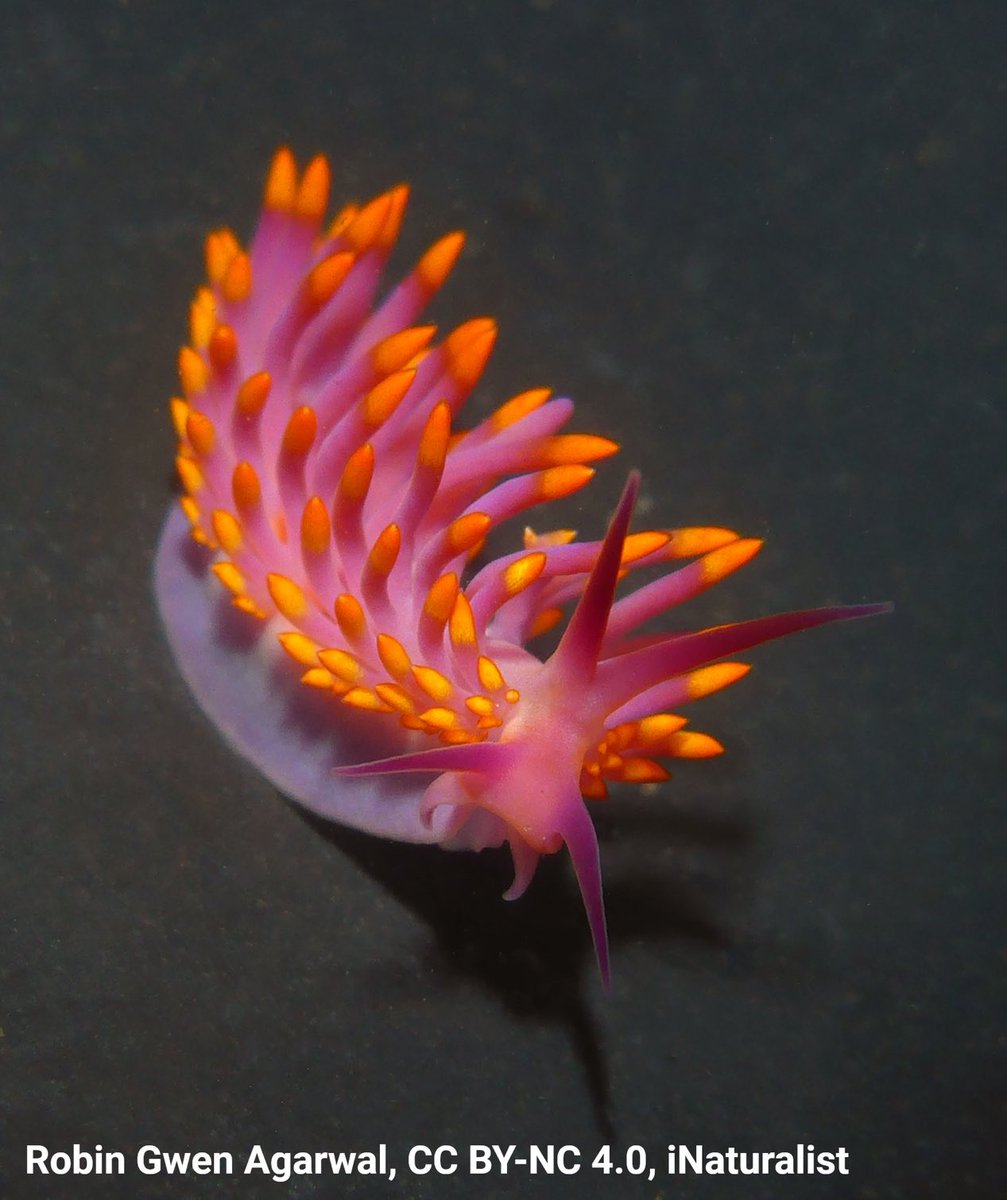
Have you ever seen a tropical gasflame? 👀 This colorful critter is a nudibranch. Notice the tentacle-like structures on its body? They’re called cerata: Nudibranchs use them to store stinging cells from prey like jellyfish, converting their meals into a form of self defense.
Did you know? The toad fly lays its eggs in an unusual place: a toad’s nostrils. When its eggs hatch, the larvae feed on the toad’s face and body. Unfortunately, this leads to the toad’s demise.
On this day in 1969, Apollo 11's Neil Armstrong became the first person to walk on the Moon. The journey was an astounding achievement, & scientific results & specimens gathered by Armstrong & Buzz Aldrin on the surface fueled research long after the mission was over.