Directly from Sicily (Italy) •
Research Fellow at ESO-Chile •
PhD in Astrophysics •
Main interests are globular clusters, Milky Way, stellar populations, IMBH.
For decades, astronomers believed that one day, our Milky Way Galaxy would collide with our nearest major galactic neighbor, Andromeda.
Now, with the latest Hubble data and computer simulations, our galaxy's fate isn't as certain: https://t.co/5Zy6cUClVp
Giunta al termine della sua lunga perlustrazione della Via Lattea, la sonda @ESAGaia ha ricevuto questa mattina il comando che – spegnendone tutta l’elettronica e instradandola verso l'orbita di parcheggio – pone definitivamente fine alla missione.
https://t.co/c1uSGcIIhh
The Gaia spacecraft is now successfully passivated. Sharly, the girl from the fairing logo waves Gaia a final goodbye. She also sent her farewell to Gaia: "I waved while you soared up into the sky, now I wave you a proper goodbye." https://t.co/uFZW1z6C1G
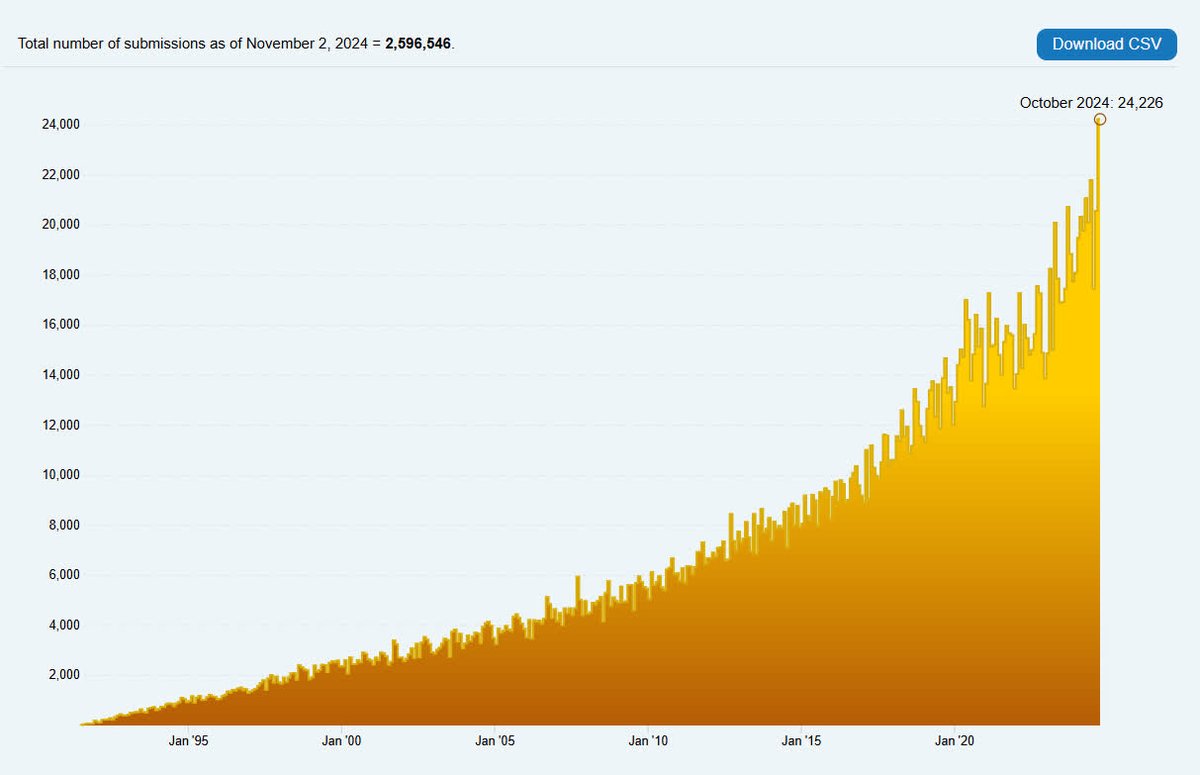
5 million monthly users
2.6 million scientific articles
3 billion downloads
24,000 submissions in ONE MONTH!
The numbers don't lie - arXiv is dedicated to advancing open & collaborative research & we can't do it without you!
https://t.co/MzHJse3Emk
The skies above Paranal are at risk from a proposed industrial megaproject.
This would be located in the vicinity of ESO's Observatory. If constructed, it would irreparably impact astronomical observations.
Read more: https://t.co/gDmT0D3OLB
📷 ESO/P. Horálek
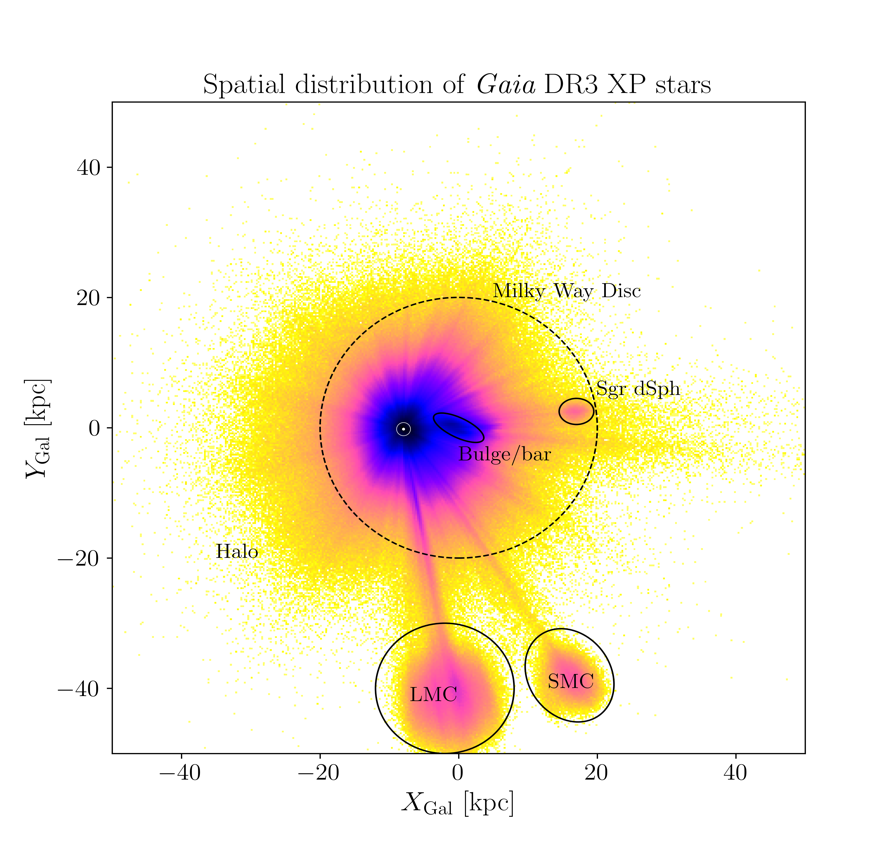
🔵#News | The @ESAGaia mission, combined with a novel machine learning technique, has allowed to process 217M stars in an extremely efficient way, revolutionizing our understanding of the galaxy! 🌌✨
With #ICCUB-@IEEC_space researcher Friedrich Anders
🔗https://t.co/kVo4zMUFSV
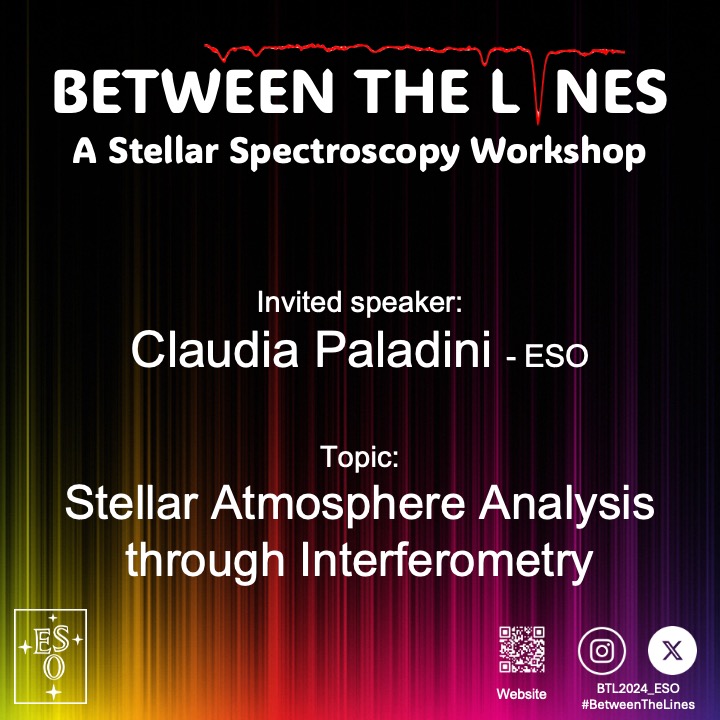
Claudia Paladini is ESO Staff astronomer at the Paranal Observatory, and instrument scientist of PIONIER and MATISSE. She is our invited speaker about stellar atmosphere analysis through interferometry.
We are thrilled to have her share her expertise with us.
#BetweenTheLines
It is a pleasure to be part of this big collaboration! The VVV(X) data is a big treasure for those people that want to scan the inner Galactic regions so difficult to study!
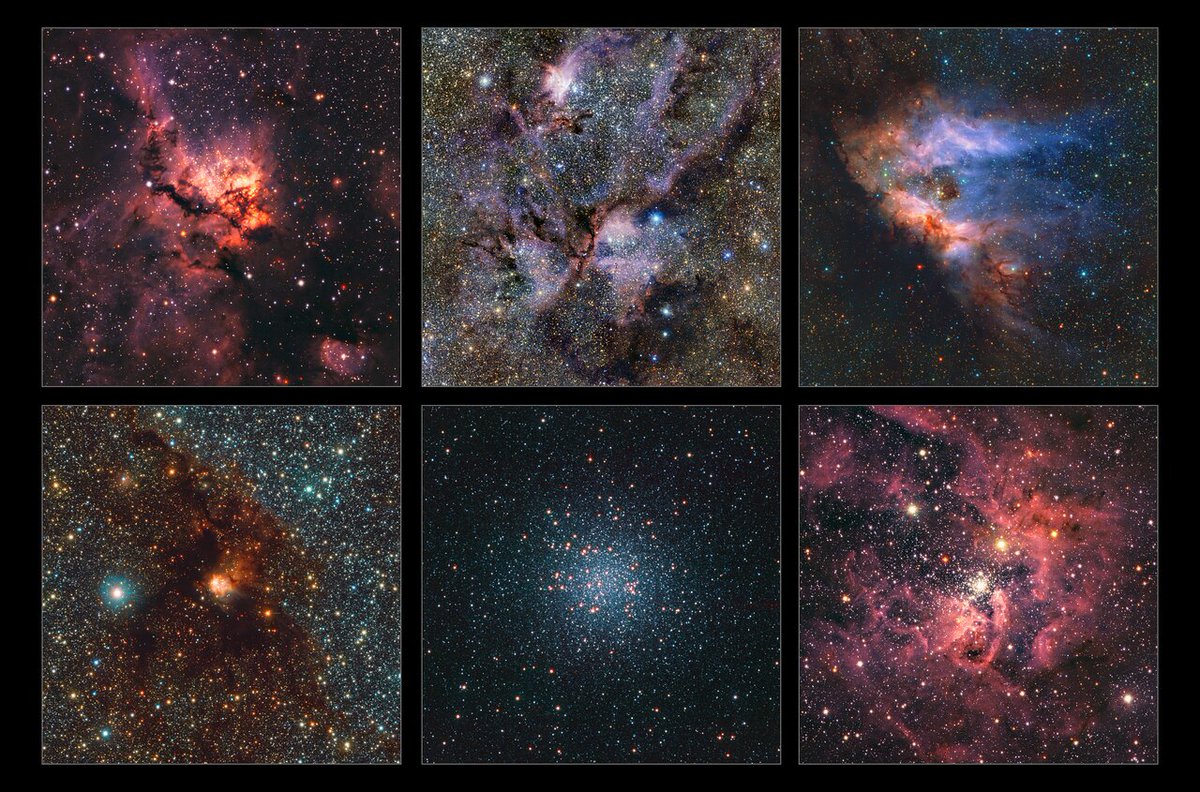
ESO telescope captures the most detailed infrared map ever of the #MilkyWay! 🌌🔭
The largest observational project ever carried out with an ESO telescope, this 3D chart of our home galaxy comprises 200 000 images! 😲
Discover more: https://t.co/j2vZfzz0qP
📷 ESO/VVVX survey
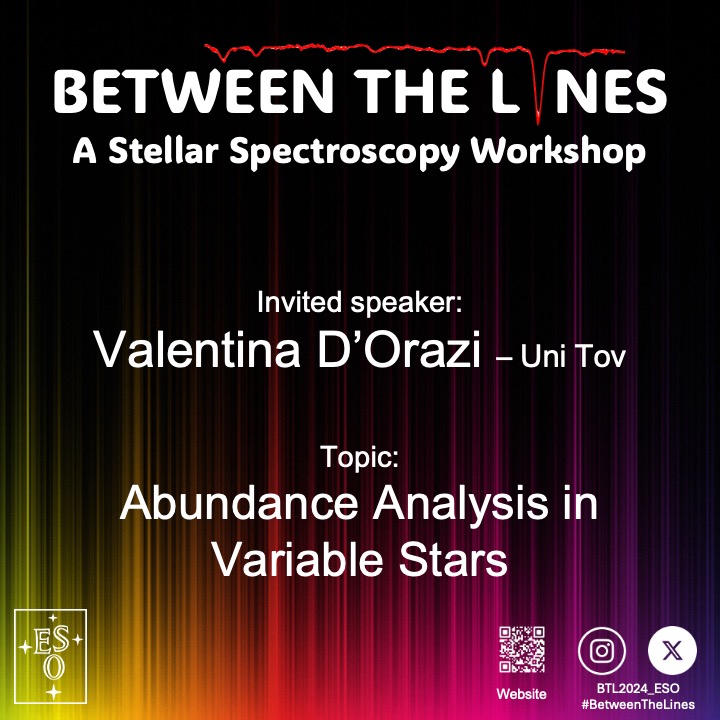
Valentina D'Orazi, researcher at the INAF and University of Tor Vergata (Uni ToV) of Rome, Italy, is out invited speaker about abundance analysis in variable stars.
We are thrilled to have her share her expertise with us.
#BetweenTheLines
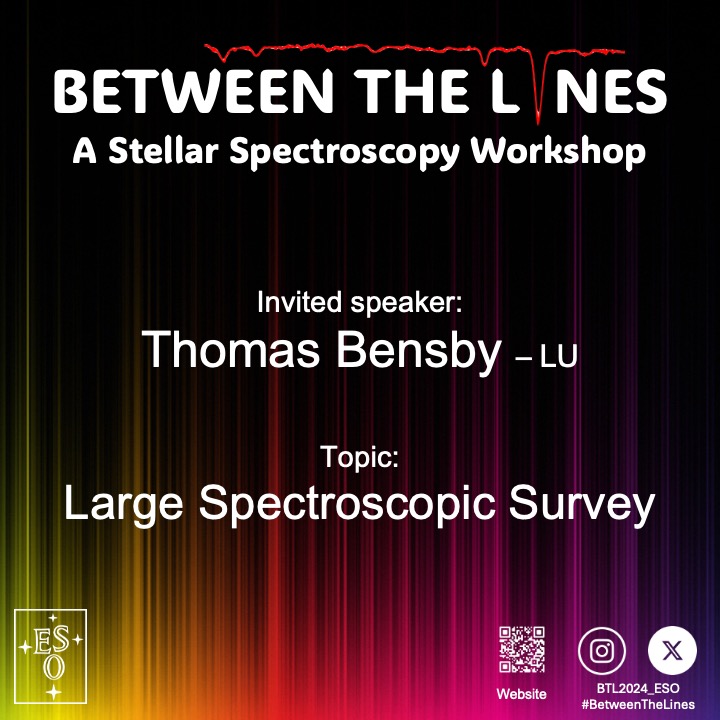
Thomas Bensby, Senior lecturer at Lund University (LU), Sweden, is our invited speaker about Large Spectroscopic Survey.
We are thrilled to have him share his expertise with us.
#BetweenTheLines
5/
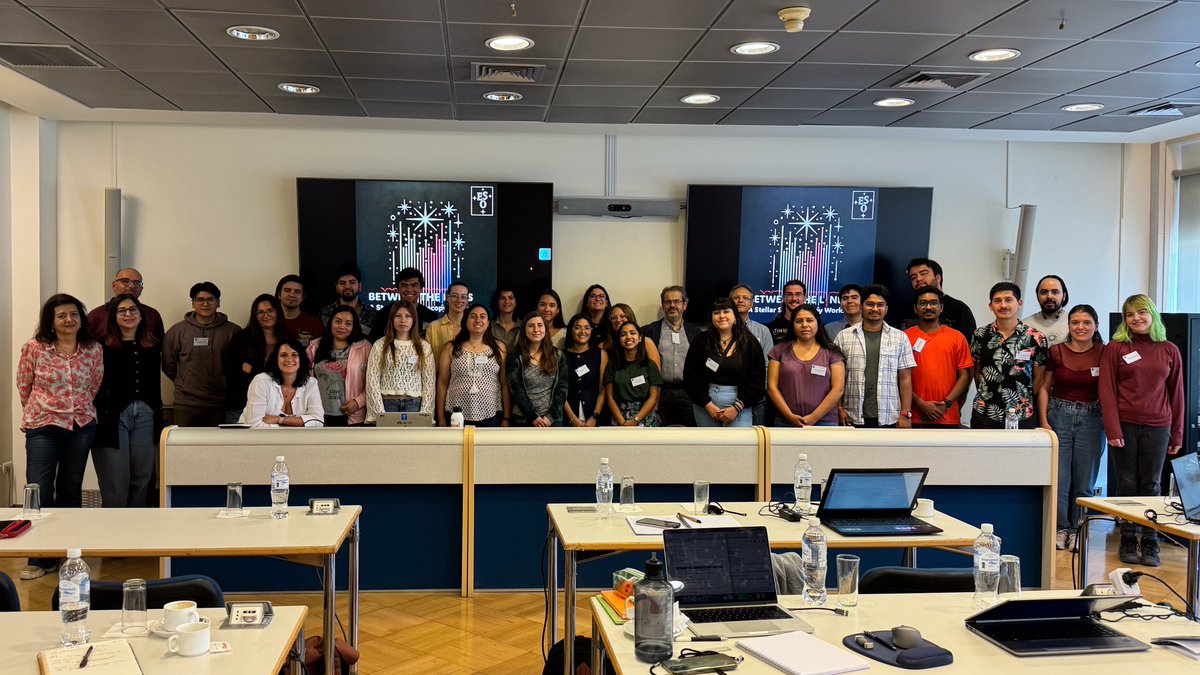
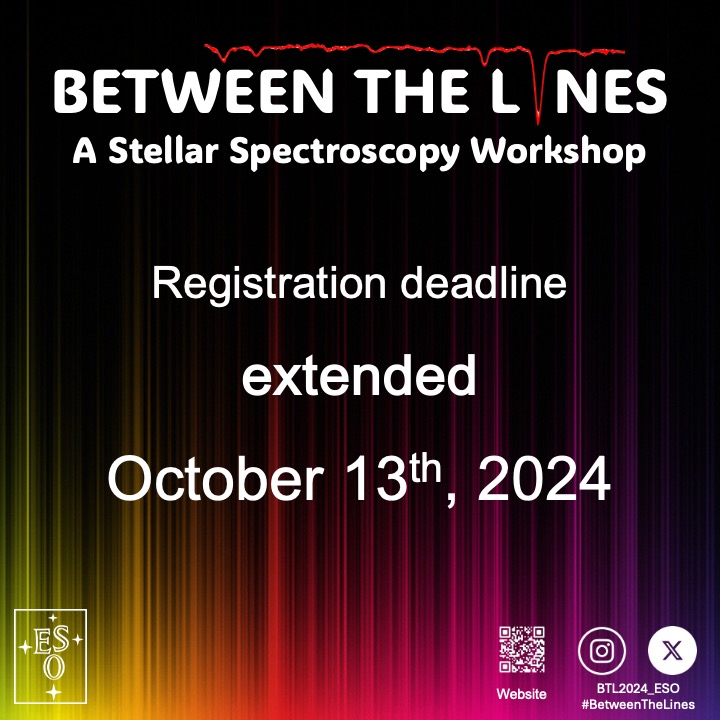
🌟 From 2-4 Dec 2024 we'll host in our Vitacura office a mini-workshop on stellar abundances. It will include hand-on sessions, perfect for early-career researchers.
🗓️ Registration deadline: 4 Oct
➡️ Follow @BTL2024_ESO
ℹ️ https://t.co/SdoxWaiyLF
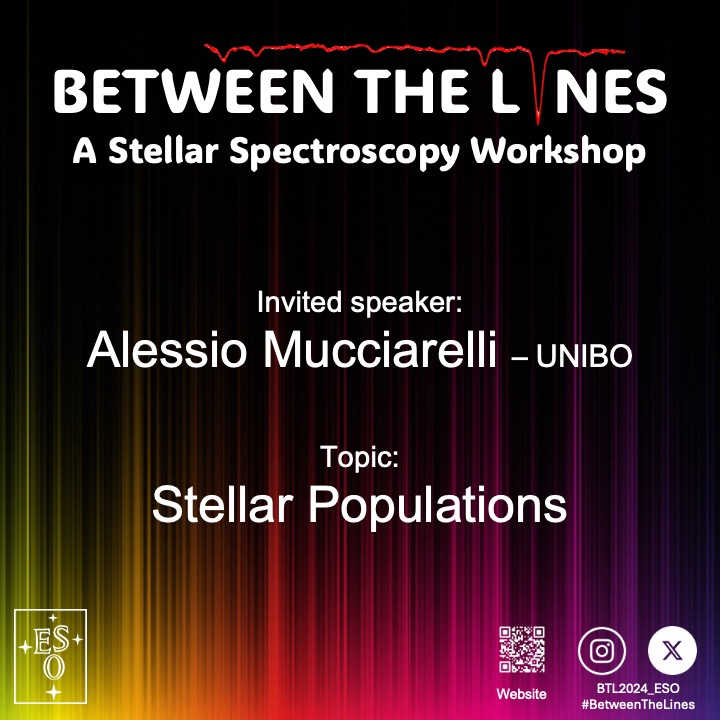
Alessio Mucciarelli , Associate Professor at the University of Bolonia (UNIBO), Italy, is our invited speaker about Stellar Populations.
We are thrilled to have him share his expertise with us.
#BetweenTheLines
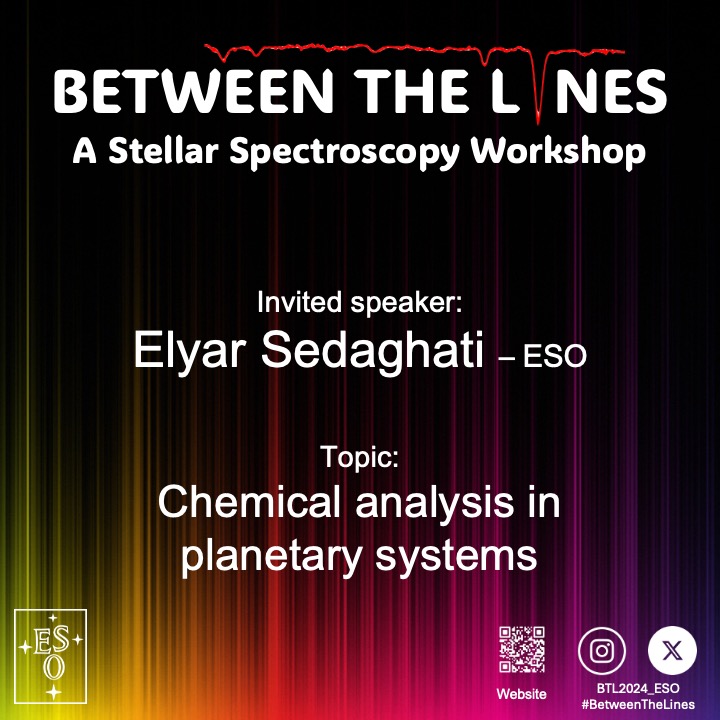
Elyar Sedaghati is ESO Staff astronomer at the Paranal Observatory, and instrument scientist of FORS2 and ESPRESSO. He is out invited speaker about chemical analysis in planetary systems.
We are thrilled to have him share his expertise with us.
#BetweenTheLines
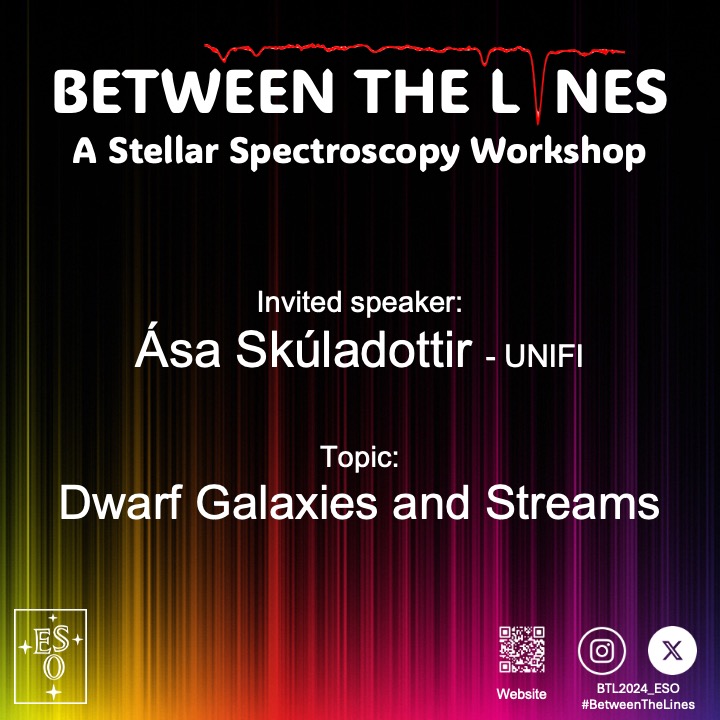
Ása Skúladóttir, Assistant Professor at the University of Florence (UNIFI), Italy, is our invited speaker about the Dwarf Galaxies and Streams.
We are thrilled to have her share her expertise with us.
#BetweenTheLines
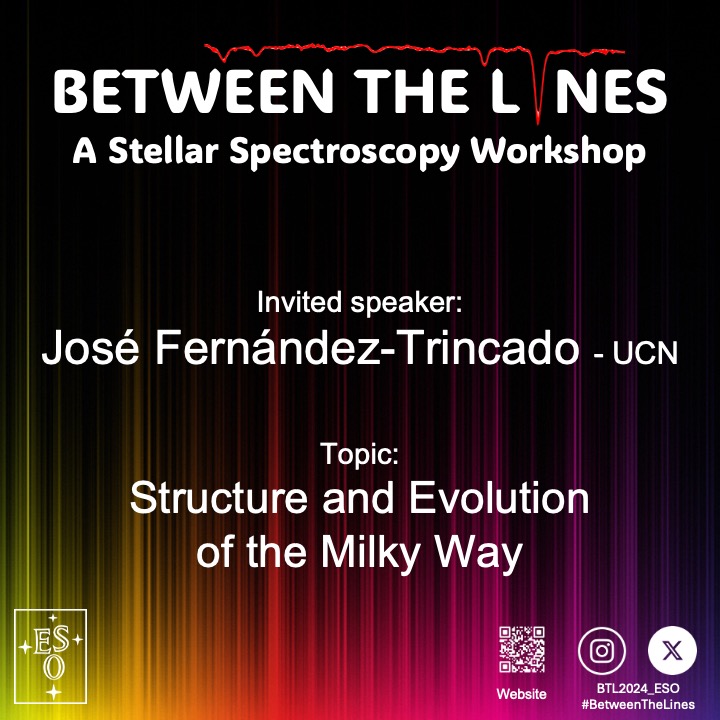
José Fernández-Trincado, Professor at Universidad Católica del Norte (UCN), Chile, is our invited speaker about structure and evolution of the Milky Way.
We are thrilled to have him share his expertise with us.
#BetweenTheLines
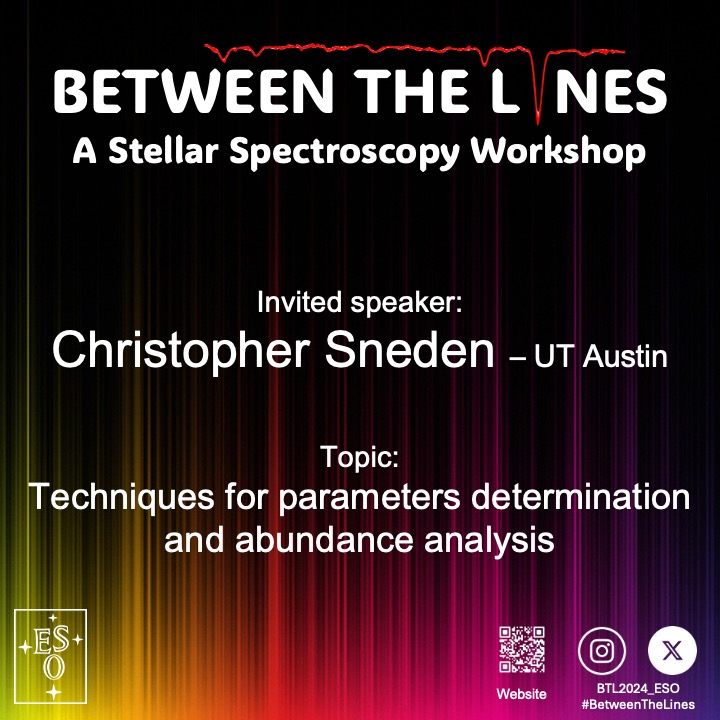
Christopher Sneden, Professor Emeritus at the University of Texas at Austin (UT Austin), is our invited speaker about Techniques for parameter determination and abundance analysis.
We are thrilled to have him share his expertise with us.
#BetweenTheLines