The efforts to combat the various consequences of the changing climate are going to have to be multifaceted.
'Go out and see what's happening': Traditional owners call for action over climate change https://t.co/WxLXXnkPqm
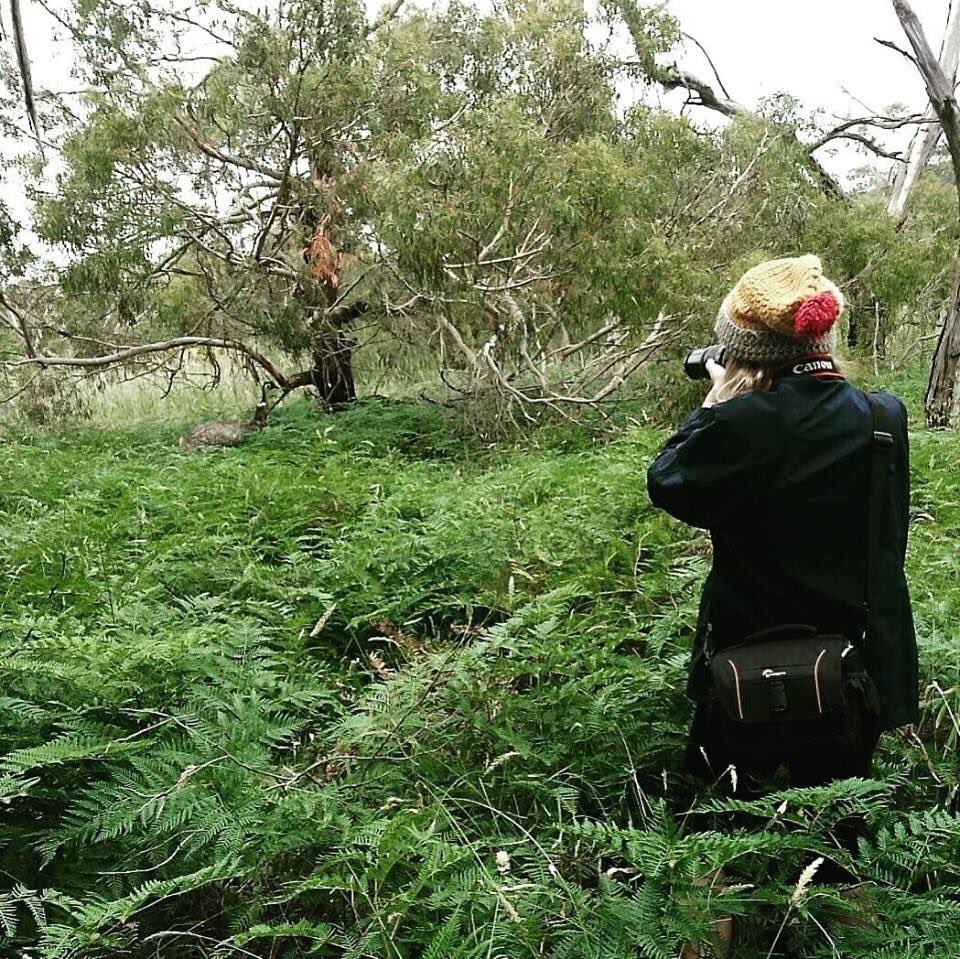
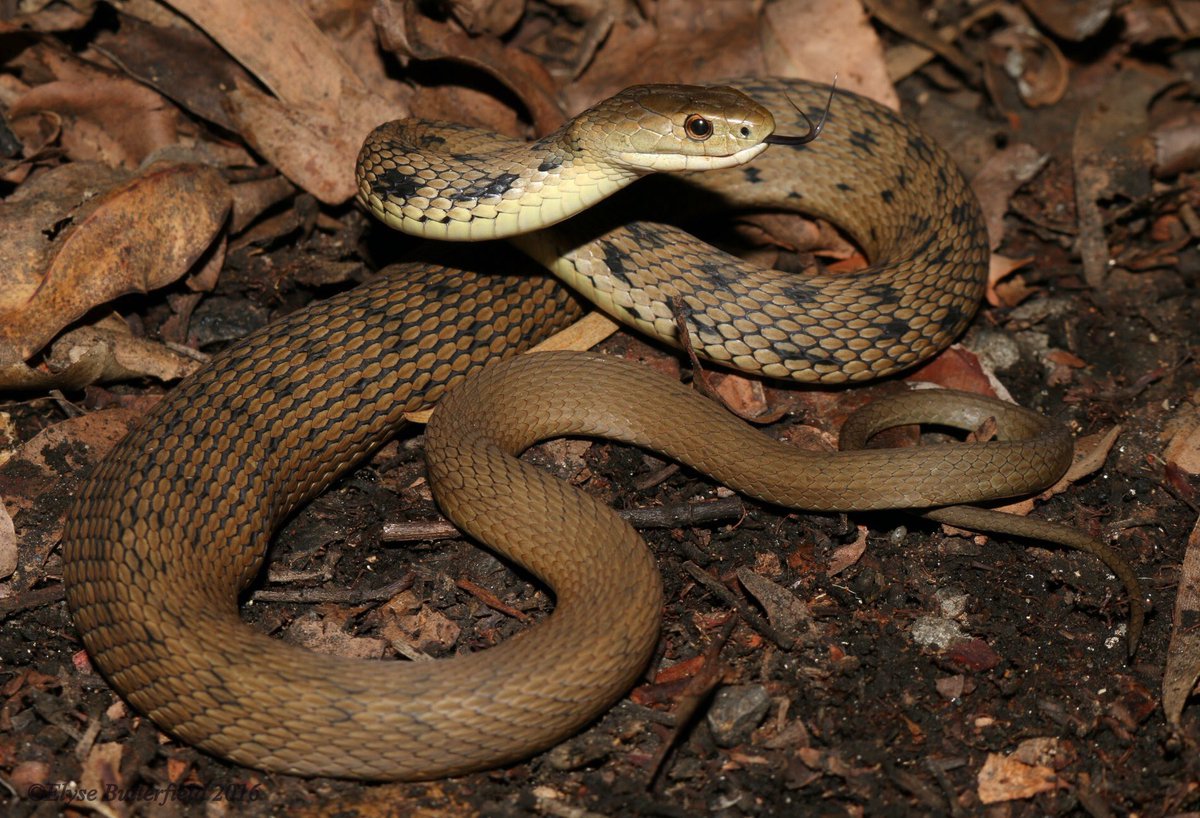
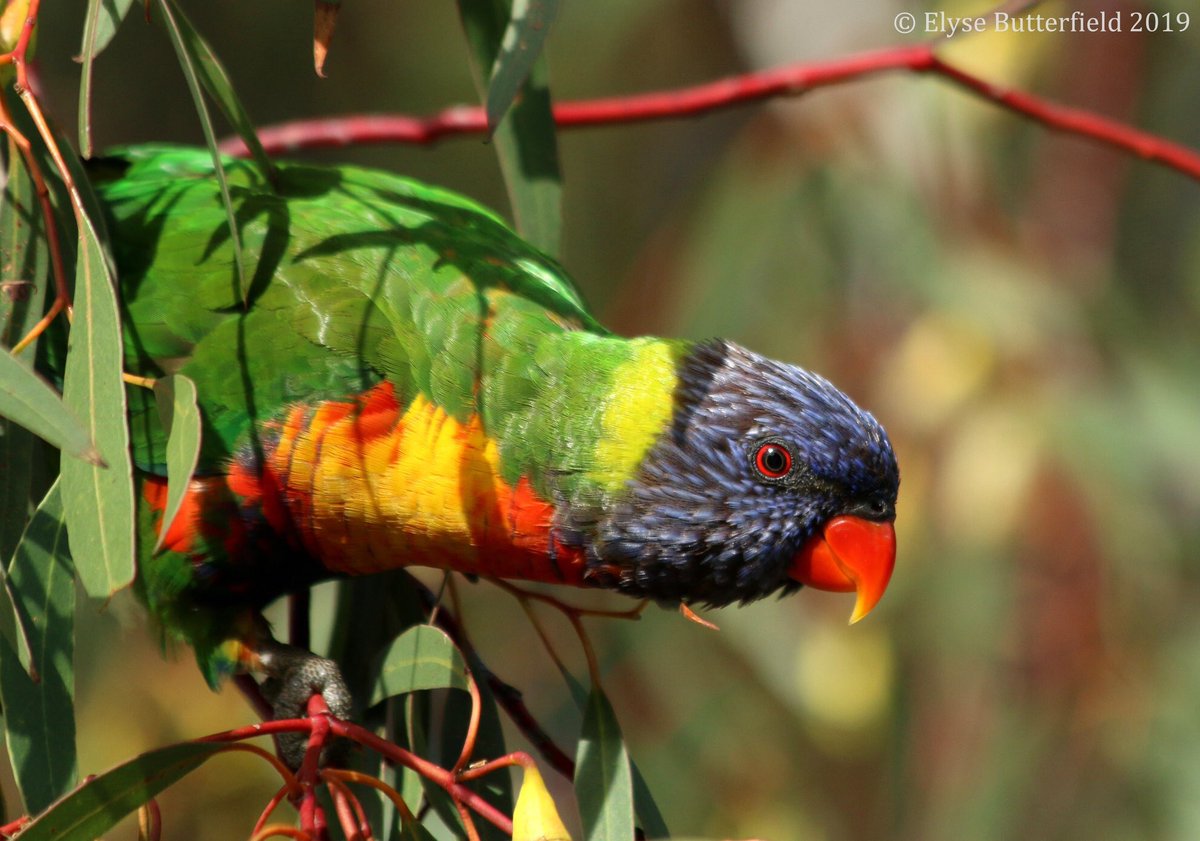
Thought it is finally time to show the #Twitterverse my somewhat varied photography skills! Whenever I have the chance I go out wherever takes my fancy and photograph whatever animals and plants and scenery I find. Enjoy 😊
New favorite artwork. Describes my feelings accurately
Original artwork by @EsthervanHulsen
Recommend checking out her other works, brilliant!
#mammal#riseofmammals
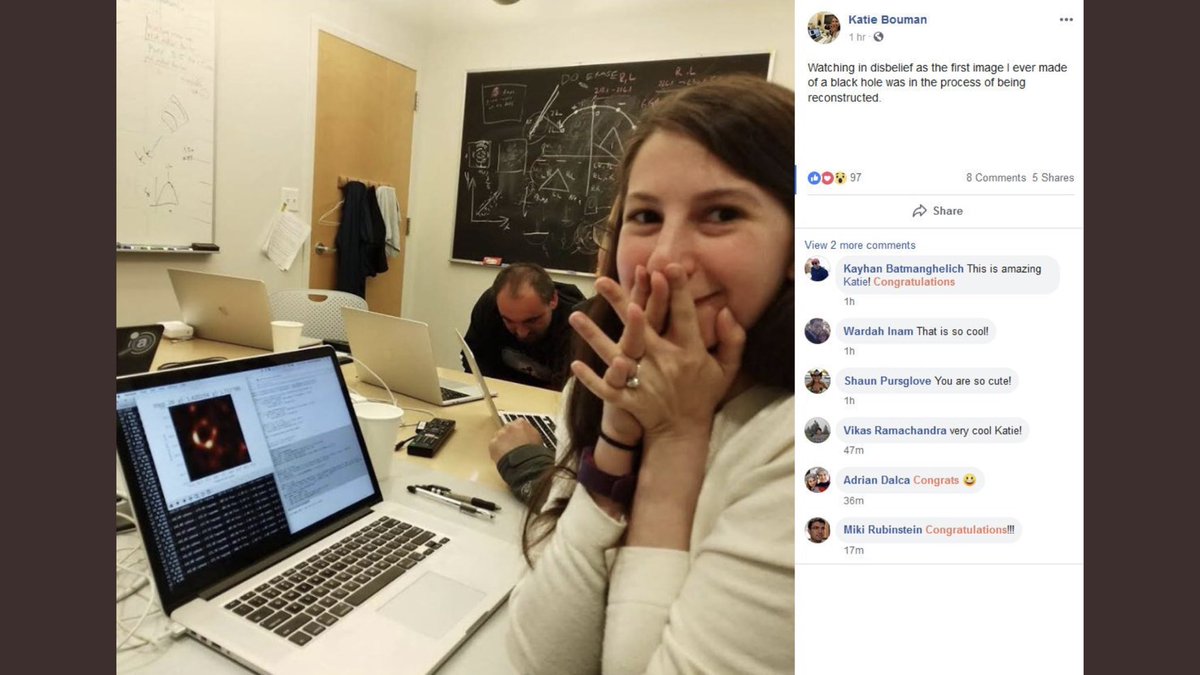
Congratulations to Katie Bouman to whom we owe the first photograph of a black hole ever. Not seeing her name circulate nearly enough in the press.
Amazing work. And here’s to more women in science (getting their credit and being remembered in history) 💥🔥☄️
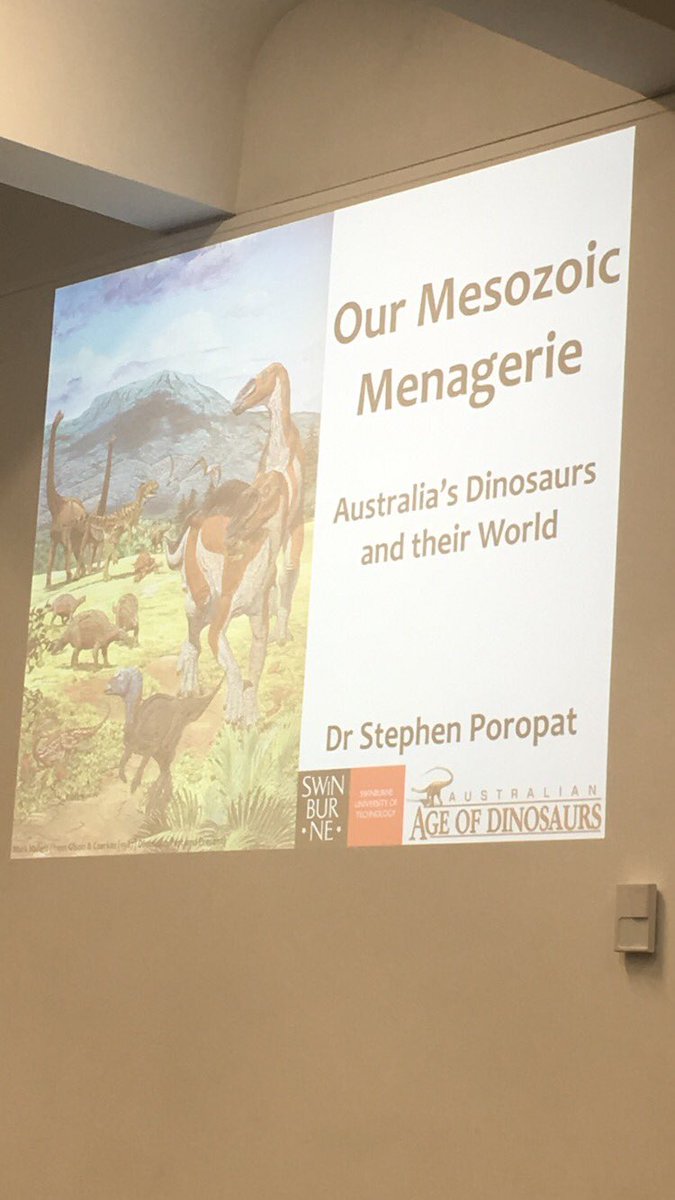
Have you heard? @zieglertn explains that Victoria has a new #dinosaur called Galleonosaurus dorisae! The size of a wallaby, this dinosaur roamed the land between Australia and Antartica 125 million years ago! 🦖 Learn more via @abcnews: https://t.co/yx2VBJ5pol
The team are so excited to announce this amazing treasure!
The significance of this find is mind blowing & we can’t wait to showcase this bit of Australian history to you all.... https://t.co/bjCd2hnGot
It's hard to grasp the immense size of the #QueenslandFloods until you see it from space. 🛰️
This false-colour image from the #Himawari8 satellite shows over 500 km of vast, continuous flooding along the #FlindersRiver in far north-west Queensland:
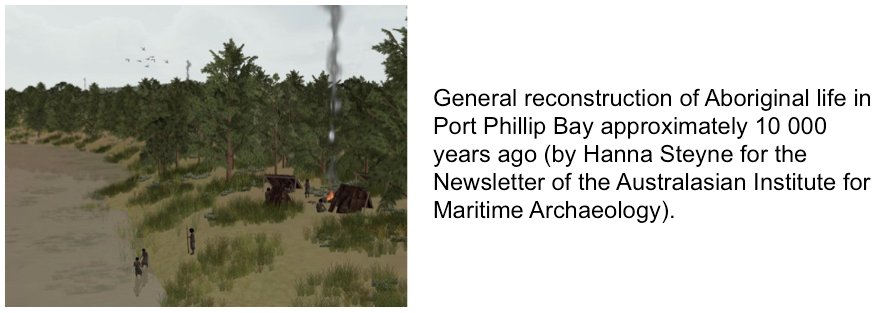
@Melb_Palaeo It's also known that Aboriginal people lived and hunted around the bay during these times. It would be good, I think, to compare fire regimes pre- and post Aboriginal arrival. Maybe some future research there!
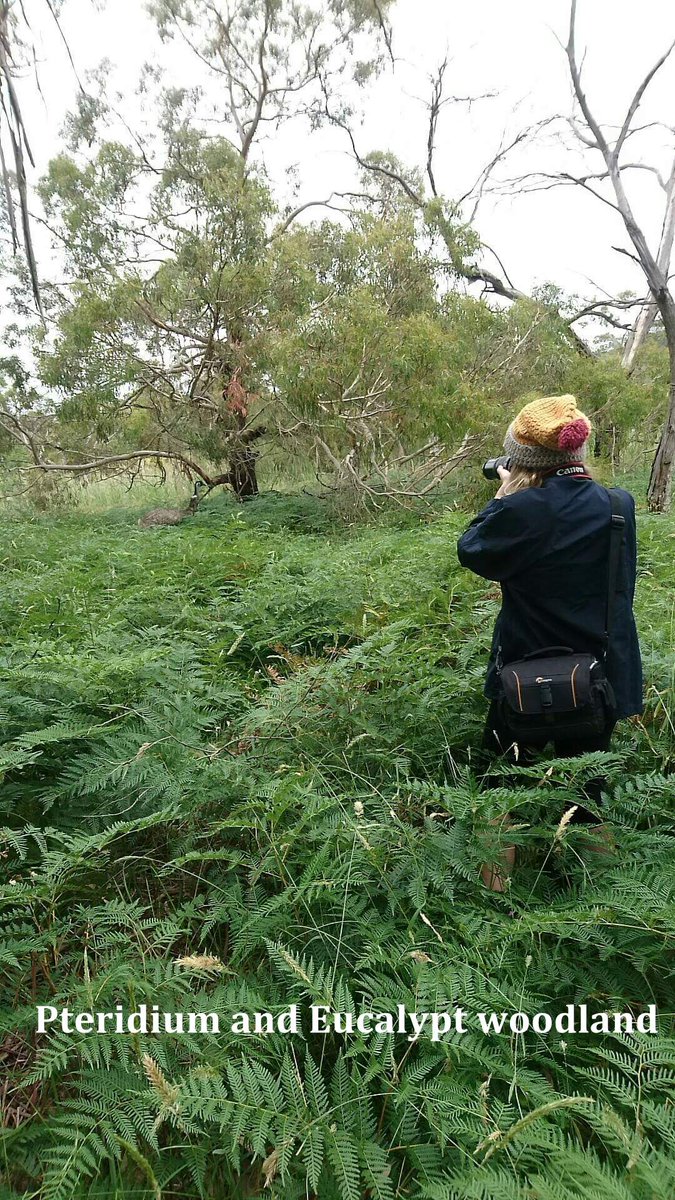
6 #QUAPAL18 Evidence of human intervention can be seen in the relationship between Pteridium (bracken fern) and charcoal, which indicates Aboriginal burning regimes. Introduced Pinus heralds the arrival of European people. But I'm not done yet! Keep your eyes peeled for papers!
@Melb_Palaeo At this point I'm still in the data collection stage so I'll know more in a month or 2! Ignition sources I think will not be possible in my case (unless anyone has any ideas I haven't read about) but so far I've found a definite correlation between Pteridium and charcoal.
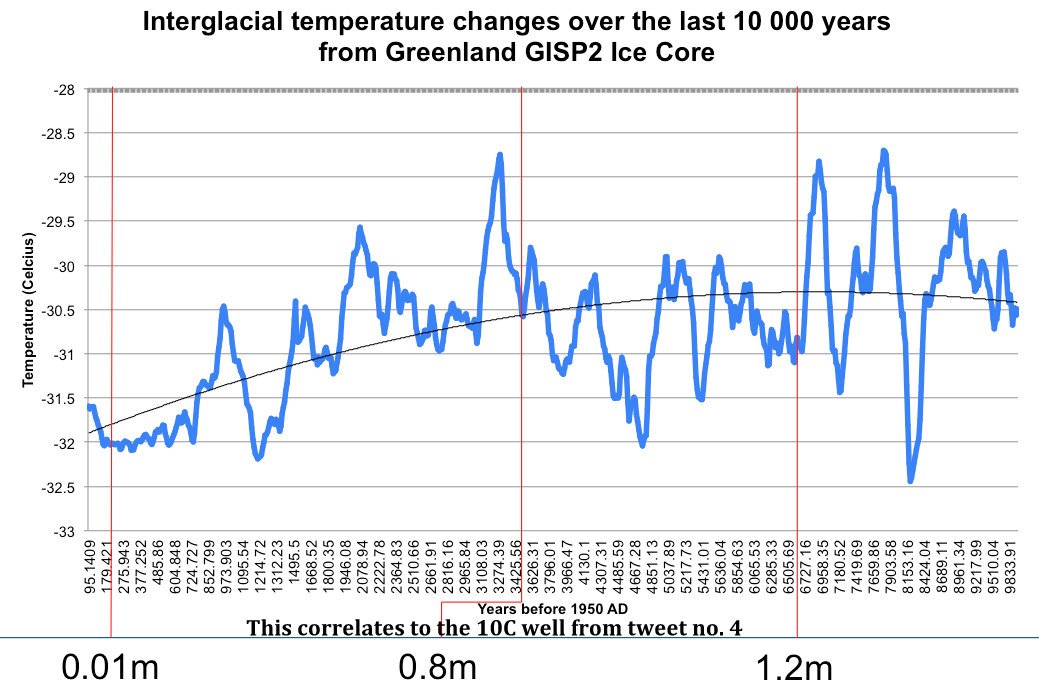
5 #QUAPAL18 The trends I've analysed so far show that PPB was dry for periods of time including the theorised 1000-3000 years by Holdgate et al. 2011. Rising #Eucalyptus and tree ferns and decreasing she oaks correlate with the known warming climate and increased precipitation.
4 #QUAPAL18 So far I've found myriad #Eucalyptus, she oaks, daisies, salt bushes, ferns, dinoflagellate and algal cysts and charcoal, to name a few. There also appears distinct trends; positive, negative, inverse and so on, between many of these taxa along all of the cores.
3 #QUAPAL18 Methods: to investigate how the vegetation changed, I've palynologically analysed 3 drill cores (3 more to go) from PPB. I followed the processing methods outlined by Faegri and Iverson (1975) with 3 changes to account for small and fragile #palynomorphs.
2 #QUAPAL18 Background: Port Phillip Bay (PPB) is a saline water body formed within a regional graben-like structure. Currently, vegetation communities range from #Eucalypt woodlands and myrtaceous heathlands to saltmarshes and copses of White Mangroves (Avicenna marina).