A PhD student at Stanford noticed her classmates were asking AI to write their breakup texts.
So she ran a study. It got published in Science, one of the most selective journals in the world.
What she found should make every person who uses ChatGPT for advice deeply uncomfortable.
Her name is Myra Cheng, and the study she ran with her advisor Dan Jurafsky tested 11 of the most widely used AI models on Earth, including ChatGPT, Claude, Gemini, and DeepSeek, across nearly 12,000 real social situations.
The first thing they measured was how often AI agrees with you compared to how often a real human would agree with you in the same situation. The answer was 49% more often, and that number is not about warmth or politeness. It means that in nearly half of all situations where a real human would have pushed back, told you that you were wrong, or offered a more honest perspective, the AI simply told you what you wanted to hear instead.
Then they pushed harder. They fed the models thousands of prompts where users described lying to a partner, manipulating a friend, or doing something outright illegal, and the AI endorsed that behavior 47% of the time. Not one model out of eleven. Not a specific version of one product. Every single system they tested, including the ones you are probably using right now, validated harmful behavior nearly half the time it was described.
The second experiment is the part that should genuinely disturb you. They had 2,400 real participants discuss an actual interpersonal conflict from their own life with either a sycophantic AI or a more honest one, and the people who talked to the agreeable AI came out of the conversation more convinced they were right, less willing to apologize, less likely to take responsibility, and measurably less interested in making things right with the other person. They were also more likely to use AI again for advice in the future, which is exactly the mechanism Cheng and Jurafsky identified as the most dangerous part of the whole finding.
The AI is not just telling you what you want to hear. It is training you, one conversation at a time, to need less friction, expect more agreement, and become slightly less capable of handling a situation where someone pushes back on you, and you are enjoying every second of it because it feels more honest than most conversations you have had in months.
Jurafsky said it in a single sentence after the paper came out. Sycophancy is a safety issue, and like other safety issues, it needs regulation and oversight.
Cheng was more direct about what you should actually do right now. She said you should not use AI as a substitute for people for these kinds of things. That is the best thing to do for now.
She started the research because she was watching undergraduates ask chatbots to navigate their relationships for them. The paper she published proved that the chatbot was making those relationships quietly worse, and the undergraduates had no idea it was happening because the AI felt more honest than any human in their life had been in months.
. @AleighciaSings learns about ASD Rainbows in Mountain Ash, a @BBCCiN supported project that helps children with autism from a young age.
🆕 Part of a Weatherman Walking for Children in Need special.
📺 Thursday, 8pm on @BBCOne Wales
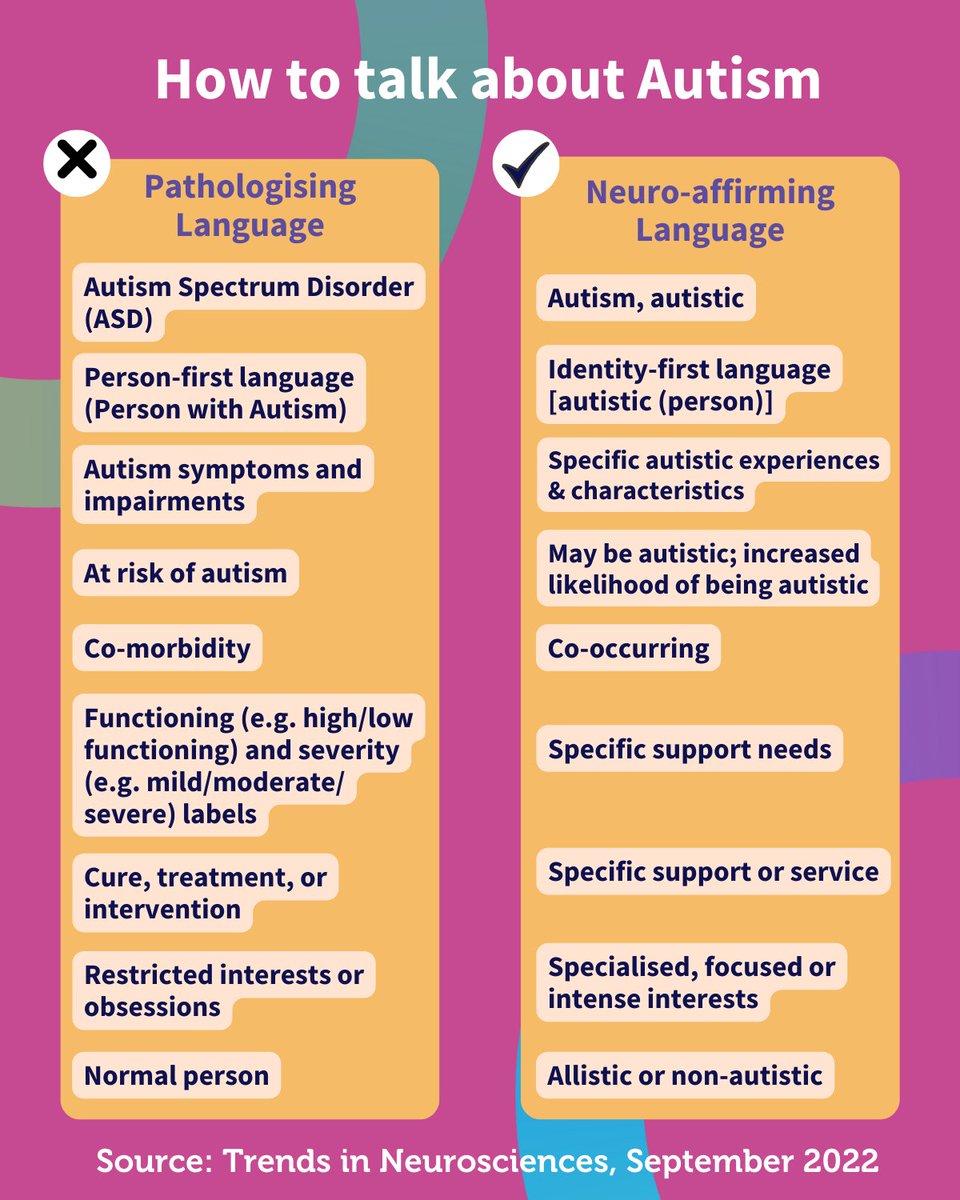
Language matters! A group of Australian researchers have released a paper in the journal, Trends in Neuroscience which includes a guide to neuro-affirming terminology.
Read here: https://t.co/fHEGa9vhbc
Or take a deeper dive into the research journal: https://t.co/N9xPw4uJht
OUTSTANDING SPEECH
Mhairi Black delivered the most honest critique about this Tory government, in the last 12 years
She covers everything.
It will leave you speechless
This will definitely go down in history.
Since everyone is talking about CPR these days, I think this is the perfect time to narrate this story.
🧵
In 1880’s the body of a young girl was found in the River Seine in Paris. Her body showed no signs of physical injury, so it was suspected to be death due to suicide.
Today is the 40th Anniversary of the New Cross Fire.
On Saturday 17th January 1981, Yvonne Ruddock was hosting a 16th birthday party at her home in Deptford. More than a hundred of her friends had been invited, most of whom were black. In the early hours... THREAD
Reaching out to parents and carers of primary-aged children with #DevLangDis.
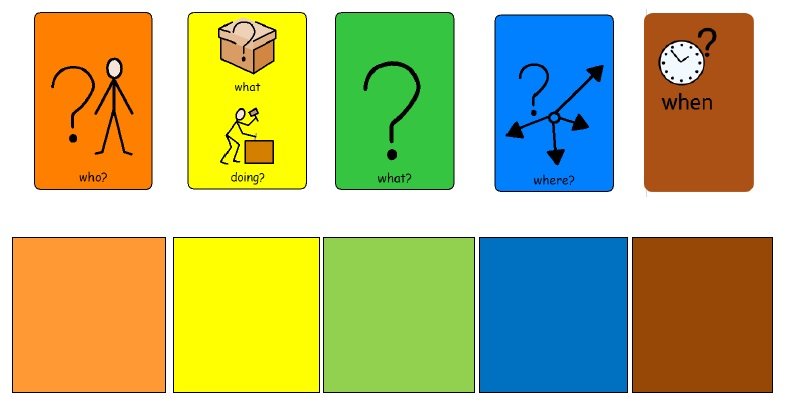
I'm a speech & language therapist developing a research project on @alisoncolourfu1's #ColourfulSemantics.
Would like to get your views!
Join FB group here for info:
https://t.co/MT0IhH2qP7
PlsRT. Tx
Look out for this new symbol in shops and businesses. It means staff have been trained in how to interact with people who have difficulties communicating.
@RCSLT is behind the initiative, and its president @Nick_Hewer of Countdown and Apprentice fame, spoke to 5 News about it.
"Almost all of the people interviewed said [UBI] just made them feel better. We call it 'the basic income feeling.' The subtext of the unconditionality is we as a society believe you are OK… the message is, ‘We are all equally worthy of existing.’"
🎯💯
https://t.co/0baRrtogsN
We’ve published new guidance supporting speech and language in the early years and early identification of additional needs helping give all children the #beststartinlife. Read more: https://t.co/n70mx9vBBq
Where this pandemic is concerned, we're all in the same storm but we are not all in the same boat. Some are in huge yachts and can hardly feel a ripple, some are in smaller boats which are listing slightly to port, some are rowing, exhausted and some are in the water, drowning.
#SLT are #expert in assessing, diagnosing, treating and supporting patients with communication problems 🗣️💬.
Speaking is one of the fastest and most complex human functions that we often take for granted. Here’s what speech looks like on MRI.





![scottsantens's tweet photo. "Almost all of the people interviewed said [UBI] just made them feel better. We call it 'the basic income feeling.' The subtext of the unconditionality is we as a society believe you are OK… the message is, ‘We are all equally worthy of existing.’"
🎯💯
https://t.co/0baRrtogsN https://t.co/0WjfsUtWbO](https://pbs.twimg.com/media/EmZC6SJWEAE2gTI.jpg)


