This is our mission. The timeline for achieving this shrinks significantly if we can 10-100x the useful output of our engineering and manufacturing teams. AI and robotics make this possible. This can happen in our lifetime.
Another fabulous look in Courchevel. Just so you know, I change into these magnificent gowns in the back of a van 🥺🤣🤣
For more stories, be sure to pre-order my new book, TIMELESS, The Art of Reinvention and Resilience at Any Age. It’s coming out in September. https://t.co/W9KRc2KNbf
#ItsGreatToBe78
38 airlines have now partnered with SpaceX to bring @Starlink to their fleets, and based on my research, more than 6,300 commercial aircraft already have Starlink installed or are under contract to receive it.
• American Airlines
• Southwest Airlines
• United Airlines
• British Airways
• Singapore Airlines
• Emirates
• Qatar Airlines
• Air France
• Hawaiian Airlines
• Alaska Airlines
• Virgin Atlantic
• Lufthansa
• Korean air
• Air Baltic
• Air Canada
• Aer Lingus
• Air Busan
• Air Dolomiti
• Air New Zealand
• flydubai
• Air Seoul
• Asiana Airlines
• Austrian Airlines
• SWISS Air
• Scandinavian Airlines
• Gulf Air
• Iberia
• Discover Airlines
• ITA Airways
• Vueling
• Brussels Airlines
• Jin Air
• LEVEL
• WestJet
• Edelweiss Air
• JSX
• ZipAir
• Eurowings
and no doubt more to come 😎
Grok Imagine image and video generation are truly incredible
The realism is insanely good to the point where it starts blurring the line between AI generation and reality
NOW: Mamdani says his admin will transfer ownership from bad landlords to non-profits.
“For buildings that have suffered chronic neglect, we will work to transfer ownership to responsible stewards.
Stewards that include community land trusts, non-profits, or even the tenants themselves.”
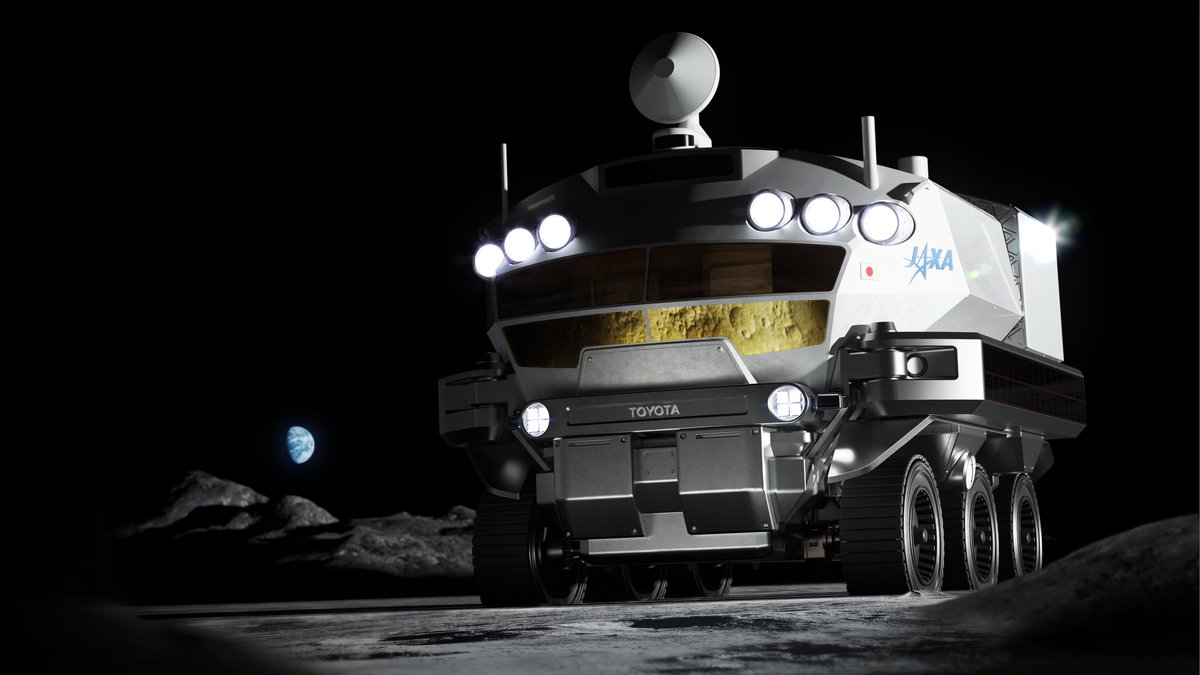
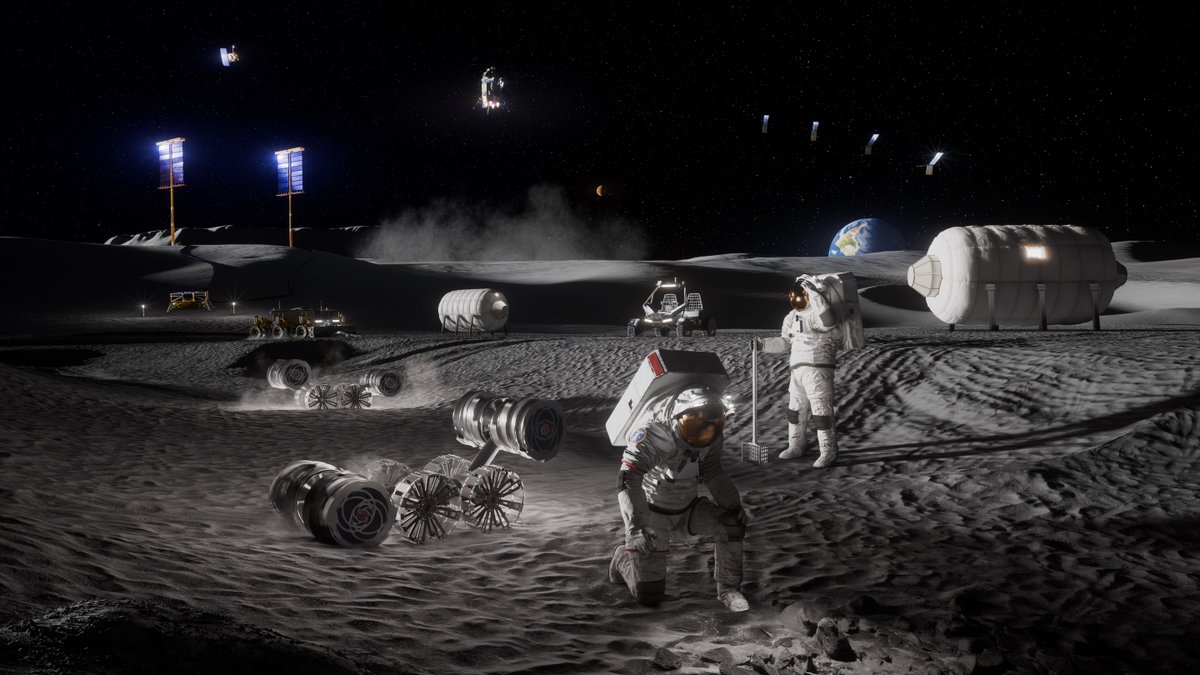
NASA has just launched a new website for its Moon Base missions, which aims to build a permanent $20 billion U.S. base on the Moon. @SpaceX's Starship rocket will play a big role in these missions.
"The Moon Base is a home away from Earth for Artemis astronauts who will live and work at humanity’s first lunar outpost. NASA is leading global teams of innovators across international space agencies, industry, and academia to build the Moon Base and establish an enduring human presence near the lunar South Pole for the benefit of all.
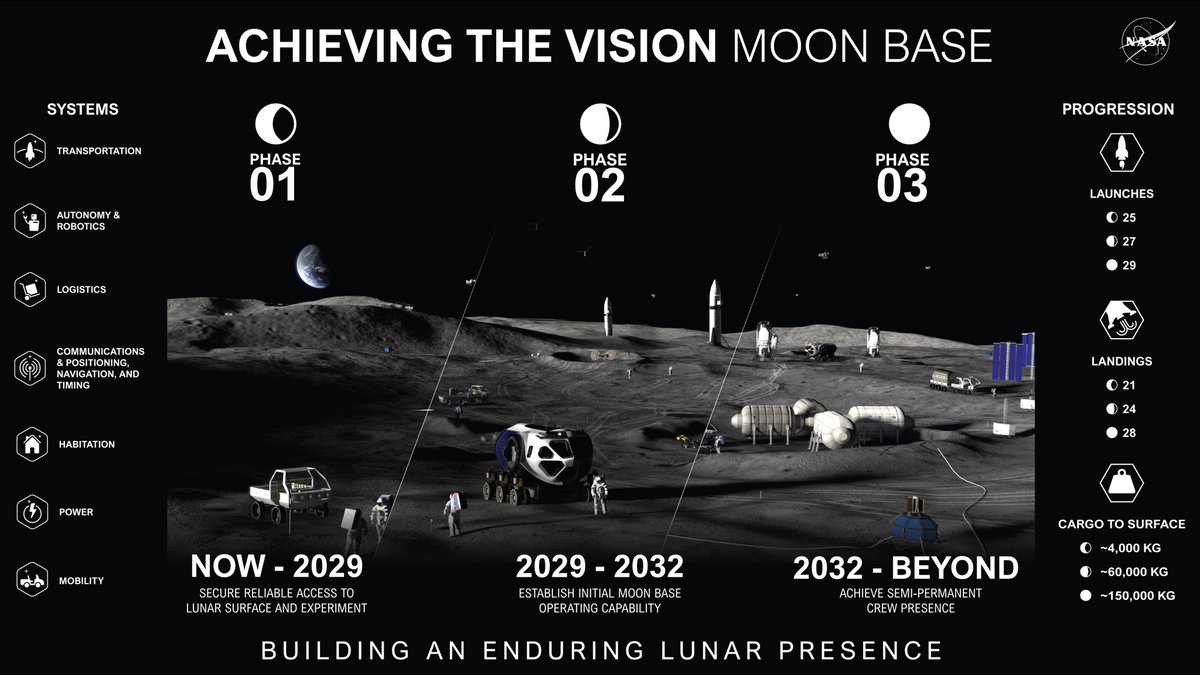
Phase One (Now–2029): Experiment and Learn
NASA will begin with a rapid series of robotic missions to scout the lunar South Pole region, test technologies, and prepare for surface operations ahead of future astronaut missions.:
• A major increase in lunar activity, with up to 25 missions, including 21 landings.
• Crewed and autonomous rovers for mobility demonstrations and surface preparation, along with four drones known as MoonFall and communications relay and observation satellites.
• Early demonstrations of power, navigation, communications, and nuclear radioisotope heater unit technologies designed to endure the long lunar night.
• Scientific payload opportunities integrated across landers and rovers.
• The first tangible footprint of Moon Base effort, with four tons of payload delivered to test what works on the lunar surface.
Phase Two (2029–2032): Early Habitation
By 2029, NASA will transition to assembling semi-permanent infrastructure and initiating early habitation and logistics operations:
• Deployment of expanded solar power systems and initial nuclear surface power capabilities, potentially including fission reactors and radioisotope power systems.
• Upgraded rovers, potential advanced MoonFall drones, and early habitation elements.
• Enhanced surface-to-orbit communications networks to provide reliable connectivity across the lunar South Pole region.
• Delivery of up to 60 tons of cargo through as many as 24 landings using low-, medium-, and heavy-class cargo landers.
Phase Three (2032 and Beyond): Sustained Human Presence
This phase will scale operations to achieve a true enduring presence, with routine crew rotations and continuous surface activity. This is when living and working on the Moon becomes a reality:
• Semi-permanent habitation modules with spacious interior for crew living and operations.
• Operational fission surface power systems capable of delivering steady, reliable energy through the long lunar nights, leveraging in situ resource manufacturing.
• Advanced logistics networks supported by crewed and autonomous rovers to keep the base supplied and functioning year-round.
• Delivery of up to 38 tons of cargo annually to sustain habitats, power systems, logistics operations, and major science outposts, enabled by low-cost reusable heavy-lift capabilities."
Moon base website: https://t.co/nefXl3J2FR
Thank you so much for all the feedback on the Grok Build Beta.
Some of you reported hitting limits quickly. Our team found areas to improve caching, so we've reset Grok Build usage limits for all accounts.
Please keep sharing feedback - the team is here to help.
Policymakers worried about the rise of the so-called “far right” should avoid criminalizing accurate, data-driven political speech about mass migration — as this ruling appears to explicitly contemplate.
Doing so means that people willing to be convicted of “racism” get a monopoly on making arguments that strike large segments of the public as important and true.
Bug fixes shipping to Grok Build 0.2.3 (release notes will be available in the TUI)
- add “Yes, and don't ask again for anything (always-approve mode)"
- add alpha/stable to welcome screen
- JetBrains/JediTerm terminal detection so TUI does not get confused and detect it as some other terminal
- persist model ID instead of display name for default_model
- clamp Q&A height to prevent ratatui buffer overflow
- better UX for tmux inside ssh copy-paste issues
- store vim mode persistently in the config.toml to prevent restart loss
- memory usage improvements for managing chat history on the hot path