@akinalabi Hello sir
We just lunched Nairalet — a startup helping shortlets and serviced apartments in Nigeria get steady, serious renters through Google and direct WhatsApp leads.
The success of Nairabet inspired the vision behind Nairalet. Can I send you a pitch deck ?🙏
@akinalabi Hello sir @Akin_Alabi,
We just lunched Nairalet — a startup helping shortlets and serviced apartments in Nigeria get steady, serious renters through Google and direct WhatsApp leads.
The success of Nairabet inspired the vision behind Nairalet. Can I send you a pitch deck ?🙏
@akinalabi Hello sir @Akin_Alabi,
We just lunched Nairalet — a startup helping shortlets and serviced apartments in Nigeria get steady, serious renters through Google and direct WhatsApp leads.
The success of Nairabet inspired the vision behind Nairalet. Can I send you a pitch deck ?🙏
@kingwhsam The global beauty industry outsells anything tech. All these tech skills are just fancy names. Nothing will sell as much as beauty for women
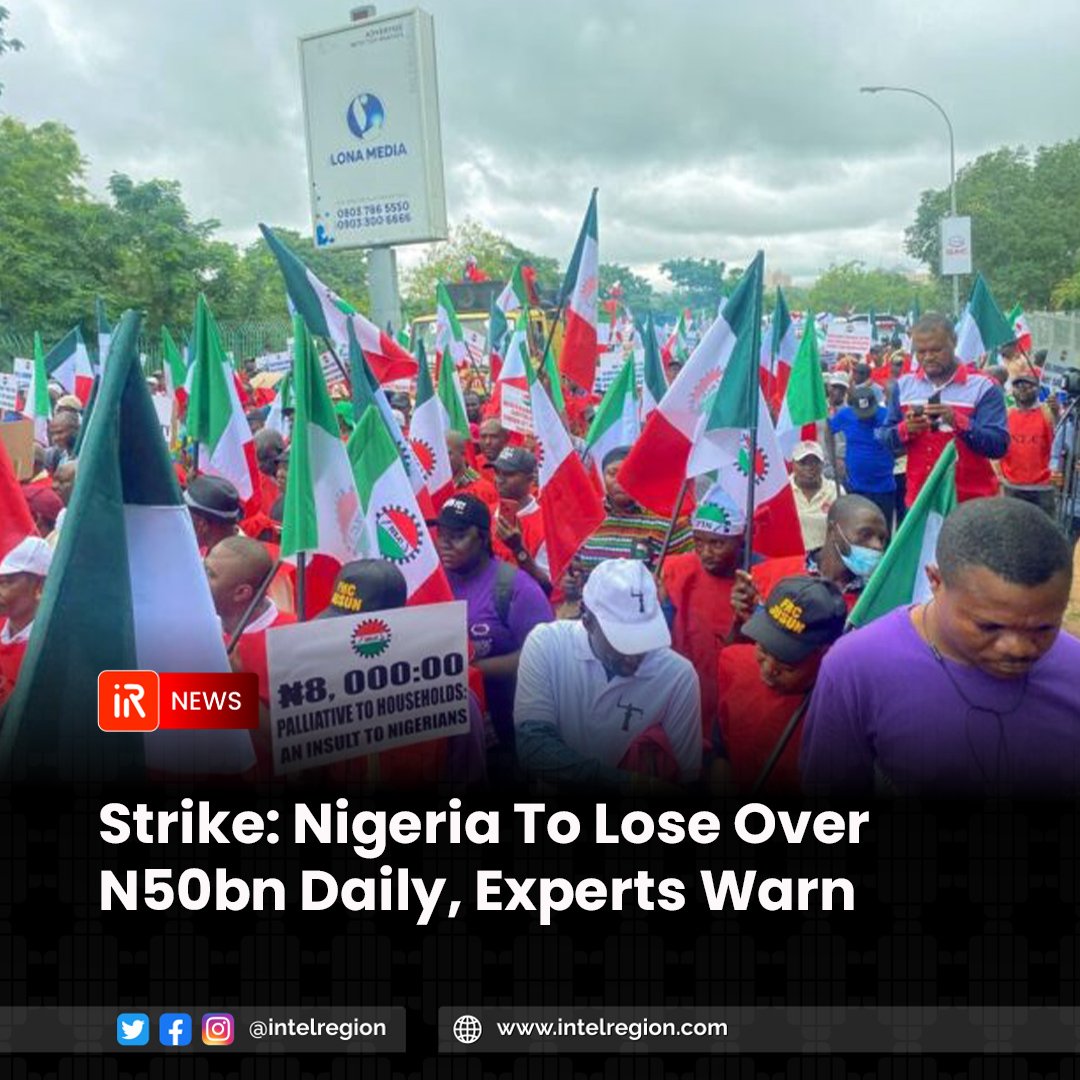
Experts in various sectors of the economy have warned that Nigeria could lose N50 billion daily if Organized Labour proceeds with its planned strike.
They expressed concerns about the potential impact of the strike on the nation's economy and emphasized that the timing of the industrial action could worsen economic problems and deter foreign investors.
President of the Association of Small Business Owners of Nigeria, Dr. Femi Egbesola, stated that the strike could lead to an estimated daily loss of N50 billion based on previous assumptions from the Nigeria Bureau of Statistics (NBS).
The strike is expected to disrupt various economic sectors, including manufacturing, transportation, and services, resulting in decreased productivity and economic output.
Business owners may struggle to meet financial obligations, and investor confidence in the economy may diminish.
The experts also pointed out that strikes can lead to secondary costs such as lost employment opportunities and increased social issues like crime and poverty.
The strike is scheduled to begin on Tuesday, and Organized Labour is demanding better working conditions and an increase in the minimum wage for workers in Nigeria.
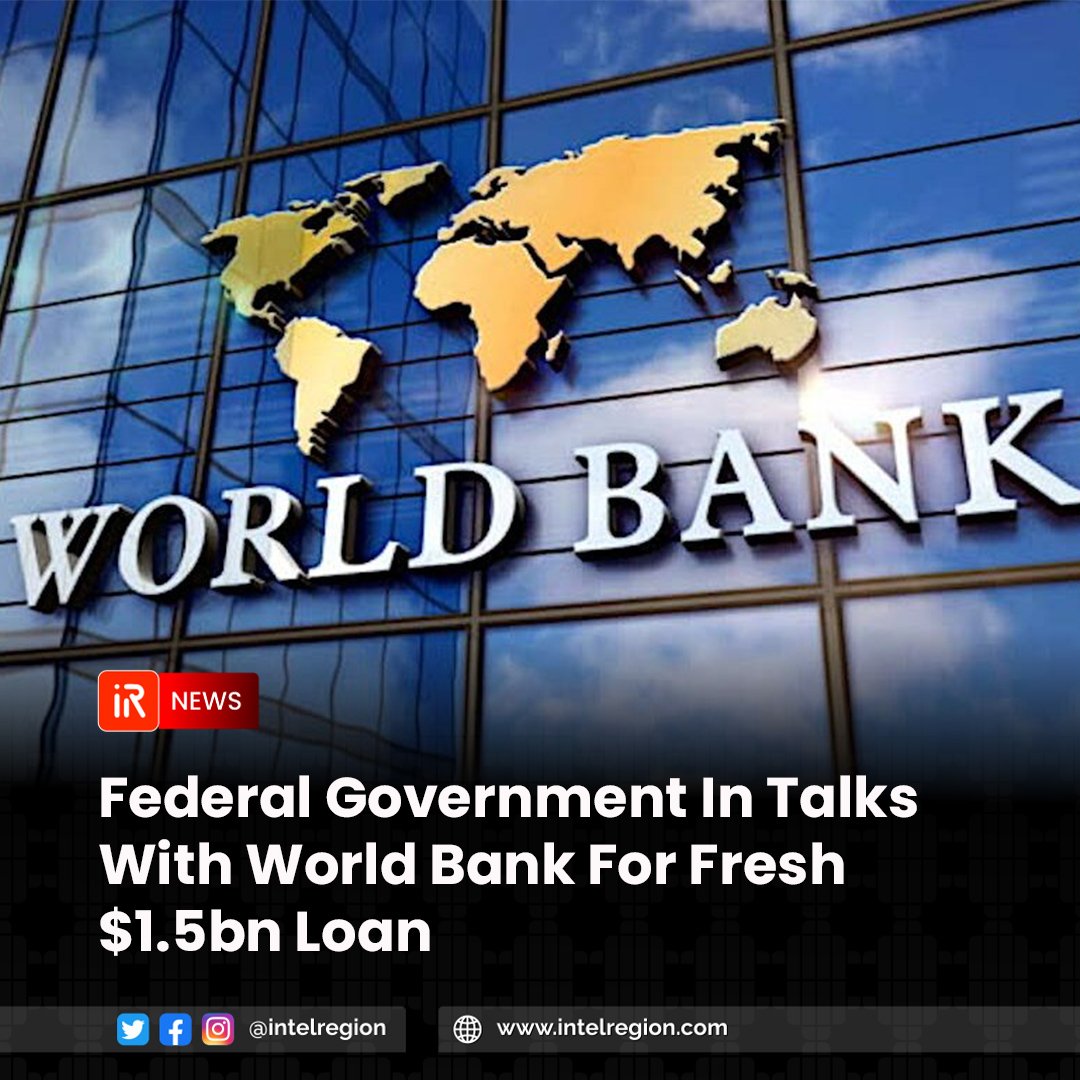
The Federal Government of Nigeria is in discussions with the World Bank for a fresh loan of $1.5 billion, known as the "Nigeria Human Capital for Opportunities and Empowerment" (HOPE) loan.
The objective of this loan is to strengthen systems for improved delivery of basic education and primary health services in participating states. It is scheduled for implementation in 2024, pending approval by the World Bank Group's board.
Another loan titled "Nigeria Macro-Fiscal Reforms for Economic Stability and Economic Transformation" was mentioned, but the amount was not disclosed at the time of the report.
Discussions are ongoing for five other loan projects, including funding for internally displaced persons, rural access, renewable energy, sustainable power and irrigation, and reforms. The outcome of these discussions will determine if the loans are approved.
Nigeria has already secured a total of $1.95 billion in loans from the World Bank in the first four months of President Bola Tinubu's administration.
The World Bank is Nigeria's largest multilateral creditor, with the country owing about $14.51 billion as of June 30, 2023, with a breakdown of $14.51 billion in IDA debt and $485.75 million in IBRD debt by the second quarter of the year.
Nigeria's total public debt reached N87.38 trillion at the end of the second quarter, according to the Debt Management Office.
APPLY: 2024 UNFPA Global Internship Program For Young Graduates
Host Country: USA
Category:
• Internships
• Training
• Fellowships
Eligible: All Countries
Benefits:
✅Monthly Stipends
Deadline: December 31, 2023
APPLY↙️
https://t.co/uOiTIjG7AH