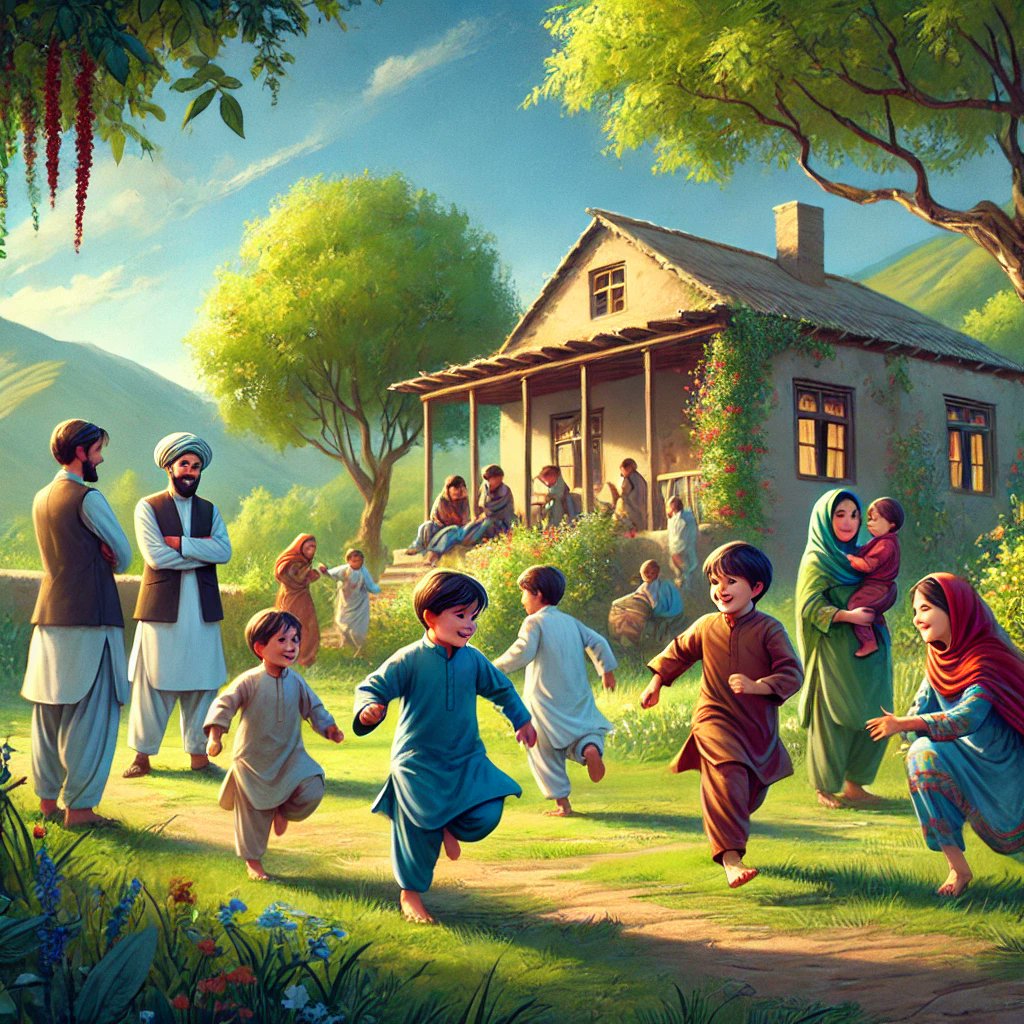
The digital divide further marginalizes Afghan women, limiting their access to education, resources, and opportunities. How can we bridge this gap and empower them through technology?
@MalalaFund#EM203
The systemic oppression of Afghan women impacts their access to education, healthcare, and freedom. How can we support more inclusive and sustainable solutions for their empowerment?
@MalalaFund#EM203
In a time where the people of Afghanistan are facing severe economic, human rights, and climate challenges, the International Rescue Committee has risen to the challenge. See their incredible work below:
https://t.co/zyZYBDhkCe
@EM203AIndra I completely agree, Akshana! Digital distractions were a major struggle during my transition to post-secondary education and increased daily autonomy. I also found the tips insightful and look forward to implementing them in my life!
@EM203BCederwall That's interesting! When I think of the Internet, I associate my usage mainly with communication, school, and entertainment. It's fascinating to see how others use our innovative digital world differently.
@SwarnikaSel Sounds like an exciting start to the course. Exploring learning theories while applying them to hands-on activities like knitting is a creative way to engage. Looking forward to hearing more about your progress in the coming weeks. #LifelongLearning
@EM203JCollins I agree, Jeremy. Connectivism was an insightful topic which I learned a lot from. I'm looking forward to the rest of the content we'll learn throughout the course!
@EM203AndyLiu Great point, Andy! The Internet really has reshaped knowledge access, making it more accessible for underdeveloped communities worldwide. Digital tools have truly changed the world as we know it. Again, well done
In the first few weeks of #EM203Robin, we've learned who learners in the digital age are, how they learn, and the Three M's (multi-media, multi-modal, multi-tasking). The information is very relevant to my daily life on the Internet, I look forward to Lesson 4 and beyond!