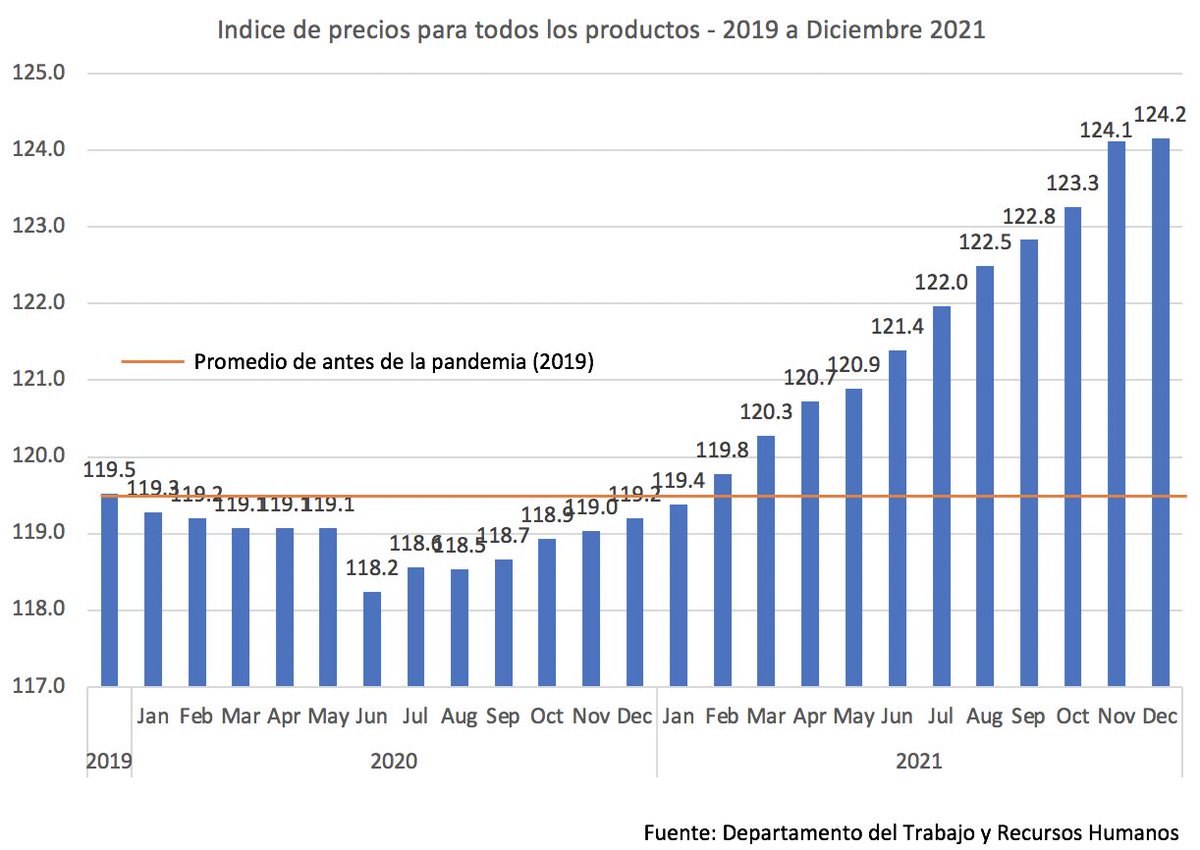
El 2021 fue el primer año en que los precios aumentaron en *cada uno* de los 12 meses del año en Puerto Rico desde que se comenzó a medir el indice de precios al consumidor en 1984. Abro hilo sobre la inflación actual y los factores que la mantienen y podrian mantener elevada:
For many in the DC-area flying community, the crash tonight wasn’t a matter of if, but when.
DC airspace is some of the most congested in the world, with helicopters and jets forced into a small operating area.
Doesn’t exactly help that the Army uses it as a training ground.
The thing that baffles me is that good and serious people have seen versions of what happened tonight in the US for eight years and are still surprised that people don’t see the world as they do.
1) Voters think “the economy” is “can I afford to live” NOT “we are doing better nationally than others”. Inflation is politically more important than GDP
2) Immigration matters, both the sense of control/uncontrolled and the raw numbers, particularly when money is tight. See 1
3) Don’t take voters for fools: in this case don’t insist a clearly gaga leader is up to the job
4) Don’t try to fight a charismatic opponent with someone who can’t answer basic questions about why they want to be in charge. The ability to communicate is not an optional extra for politicians, it is a core part of the job description
5) Go woke, go politically broke
6) What the metro elites regard as an illogical vote is not necessarily illogical for people who are struggling and angry - see 1,2,3,4,5
Personally I think democracy matters very much and some/much of what Trump says is appalling but until his opponents learn the lessons above, voters will keep voting for someone who manages to encapsulate what they feel
There are many sources of monopsony power, some of which are endemic to the labor process.
But there are also practices that create monopsony by artifice. Like non-competes. This new rule change banning them could help reduce that harm and raise dynamism. https://t.co/BUK6Q1AYUT
Hey @elonmusk, first those are not "our" bases. We are hosted by allies who provide access. Also, the graphic you posted is nonsense. We don't have access in more that a few, none in many of the countries you show. Truth matters.
Biases that distort our Decision Making:
1. Confirmation Bias - We interpret new information as confirmation of our existing beliefs.
2. Availability Bias - We tend to rely on information that comes to our mind easily/the quickest.
3. Action Bias - We favor action over inaction.
That's why we sell or buy prematurely.
4. Overconfidence - We overestimate our own knowledge and ability.
Often because we know too little to know better.
(Less knowledge => more confidence)
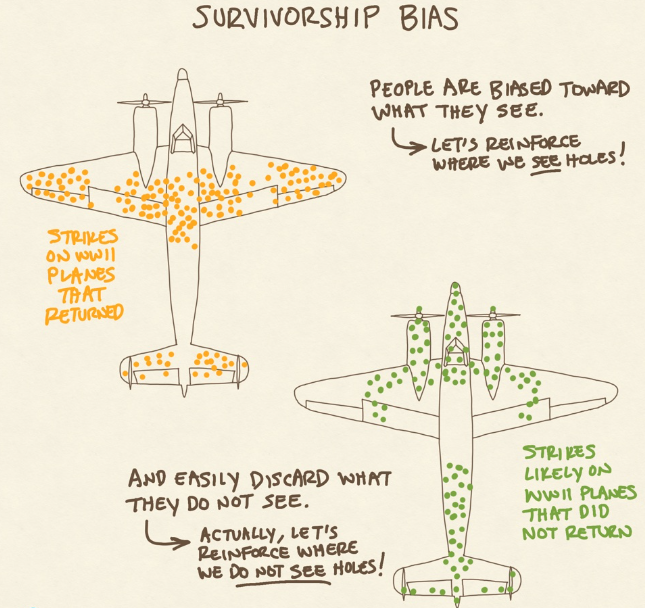
5. Survivorship Bias - This is a sample bias that occurs when we assess only successful outcomes and disregard failures.
What Biases do you struggle the most with?
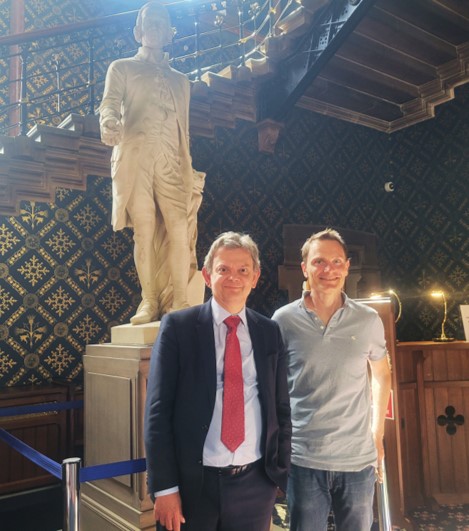
Spent the day at beautiful Glasgow University, and saw the Adam Smith statue (with Anton Muscatelli) on Smith's 300th anniversary.
Visiting Glasgow's Adam Smith statue was free, while visiting London's Karl Marx's grave cost £4.
Capitalism v Communism in practice and theory :-)
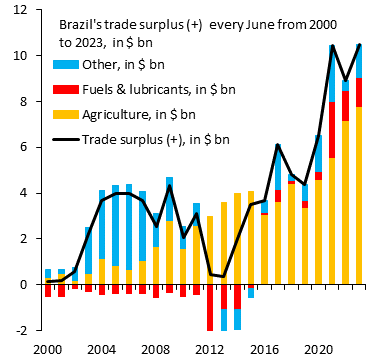
Brazil is the world's new agricultural superpower. The emergence of massive trade surpluses over the past decade isn't about oil (red). Instead, it's almost entirely about agriculture (orange), with a big chunk of those agriculture exports going to China and the rest of LatAm...
Lemme update this bad boy for ya. So far we have two indicators for June (and they're two of the most reliable indicators), and they're both firmly positive.
And so this is yet another day in which it looks pretty unlikely that the U.S. is in a recession.
La inflación estaría en el mismo sitio si hubieran empezado a subir las tasas 9 meses antes, **pero** los precios no. Los precios, en promedio, fueran más bajos, pues la inflación hubiera aumentado por menos el año pasado.
US inflation would be no different today if the Fed had started raising interest rates nine months earlier, according to simulations of a new Bloomberg Economics model by @D_W_Wilcox (https://t.co/KuSylEVjk4)
Por eso solamente, harán un esfuerzo por esperar a los datos de los próximos meses para ver si los aumentos ya aprobados tienen algún efecto sobre la econ. y la inflación. Lo único seguro es que de no tenerlo, está dudoso que no las vuelvan a subir una o dos veces más este año.
El canal de crédito entrando en acción. Reducción en depósitos = reducción en oferta de crédito disponible (liquidez bancaria que puede generar préstamos) -> menos préstamos de todo tipo a individuos y compañias -> baja demanda agregada, empleo y salarios -> baja inflación
Si con lo que se ha restringido el crédito hasta ahora no lo logran, probablemente sigan subiéndo las tasas. Pero está bien documentado que la política monetaria usualmente tarda en tener su efecto máximo sobre la economía, y ya las tasas están igual de altas que antes del 2008.