My brother tried to kill himself the day after we saw this movie. I’m not blaming the movie but he didn’t do that with the previous 8. I have only ever seen it once.
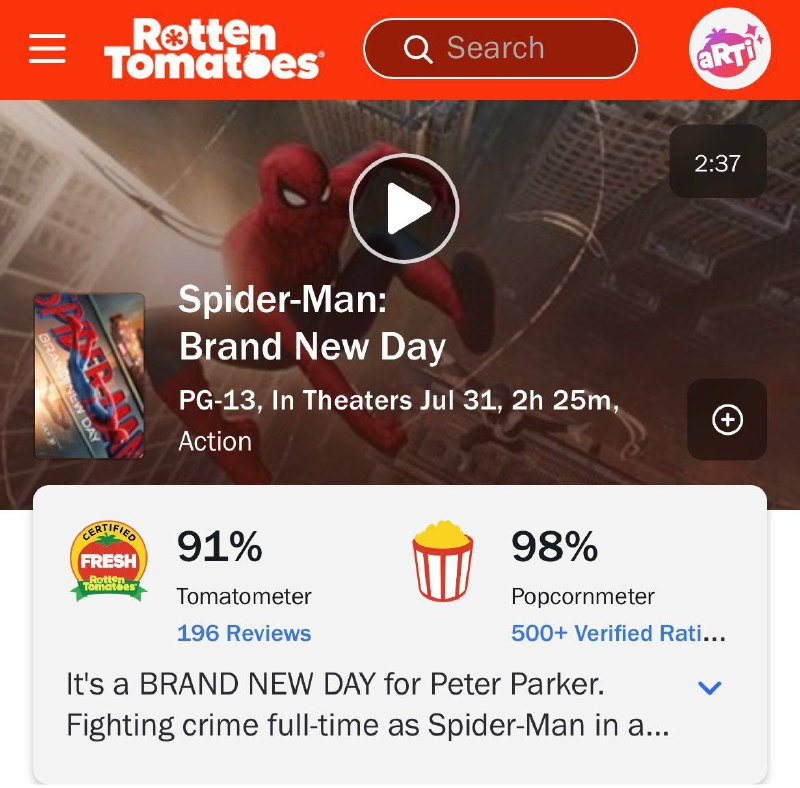
‘SPIDER-MAN: BRAND NEW DAY’ debuts with an audience score of 98% on Rotten Tomatoes.
• The highest-rated MCU movie of all time.
• The highest-rated Spider-Man movie.
🚨 Mauricio Pochettino on course to agree new contract & extend reign as USA head coach through to 2030 World Cup. Barring unexpected change of heart 54yo Argentine boss set to remain in charge of #USMNT for next cycle @TheAthleticFC after @AndresCantorGOL https://t.co/TYHr8JVuHm
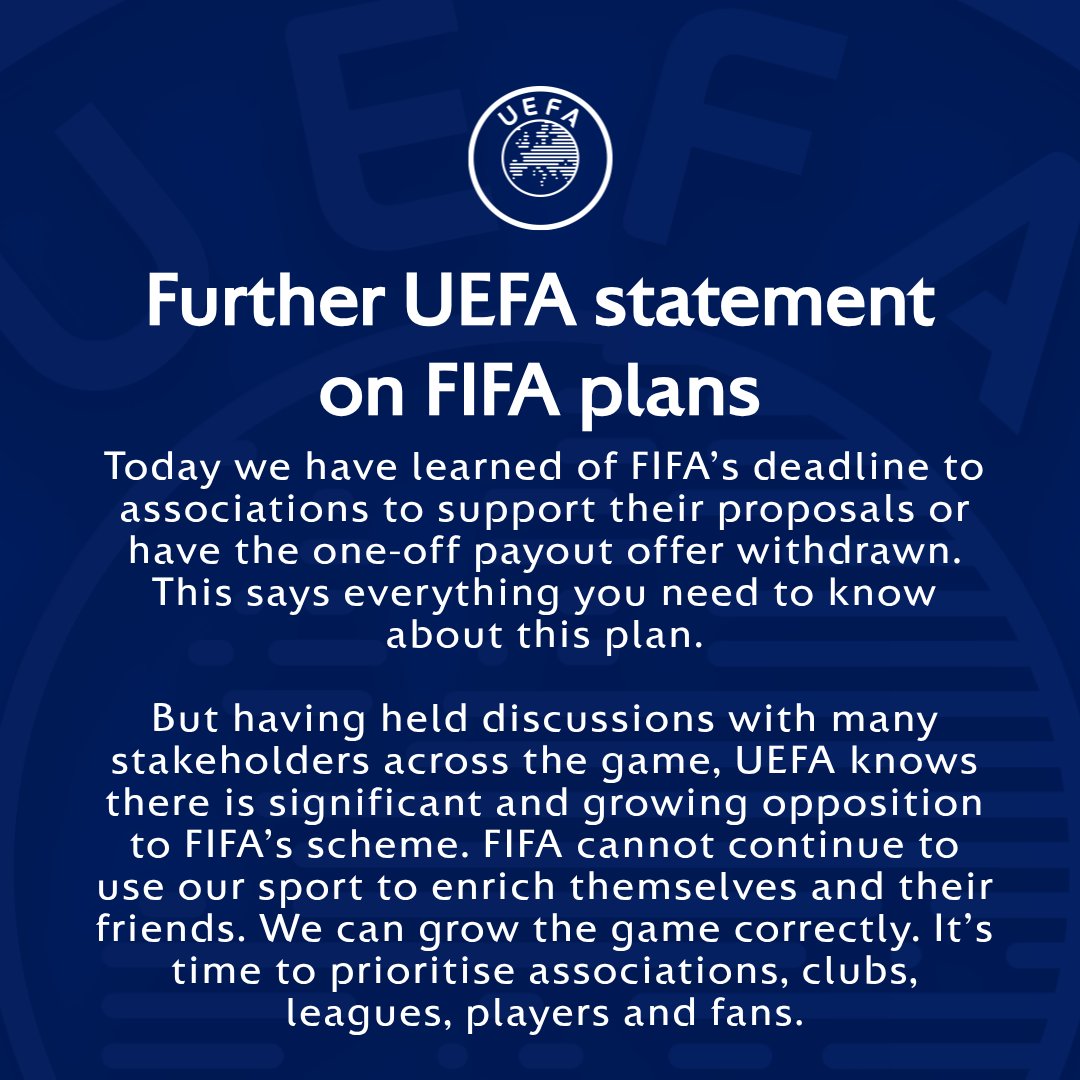
I, personally, look forward to the 220-team World Cup presented by Blackrock, hosted exclusively in the United States every six months and powered by Polymarket.
🦔AI companies are bulk-buying rare books, scanning them through high-speed machines that cut the spines off, and shredding the originals. A service called ISBNdb facilitates orders of up to a million books and keeps buyers anonymous. Pre-2022 books are premium because they're free of AI-generated text. A federal judge ruled the practice is fair use because eliminating the original means only one copy exists at a time. Anthropic hired the former head of Google Books partnerships to obtain "all the books in the world."
My Take
This got to me. A bookseller told 404 Media that rare books with almost no surviving copies are being fed into this pipeline. Books that survived wars, fires, and centuries of handling are being shredded so an AI can learn to write a better marketing email.
ISBNdb's website literally says "'AI company destroys two million books' is not a headline that generates sympathy," and they still built an entire business around making it happen quietly. They offer NDAs as a feature. They coach clients to call it "digital preservation."
I've covered AI companies scraping the internet, torrenting libraries, and stealing music. This is worse because it's irreversible. You can re-upload a website. You can reprint a bestseller. You can't replace the last three copies of an 18th-century botanical text once someone shreds them for training data. And the judge said it's legal. So it's going to accelerate.
"We shred rare books and offer NDAs so nobody finds out" is a legitimate business model in 2026. What a timeline.
Hedgie🤗
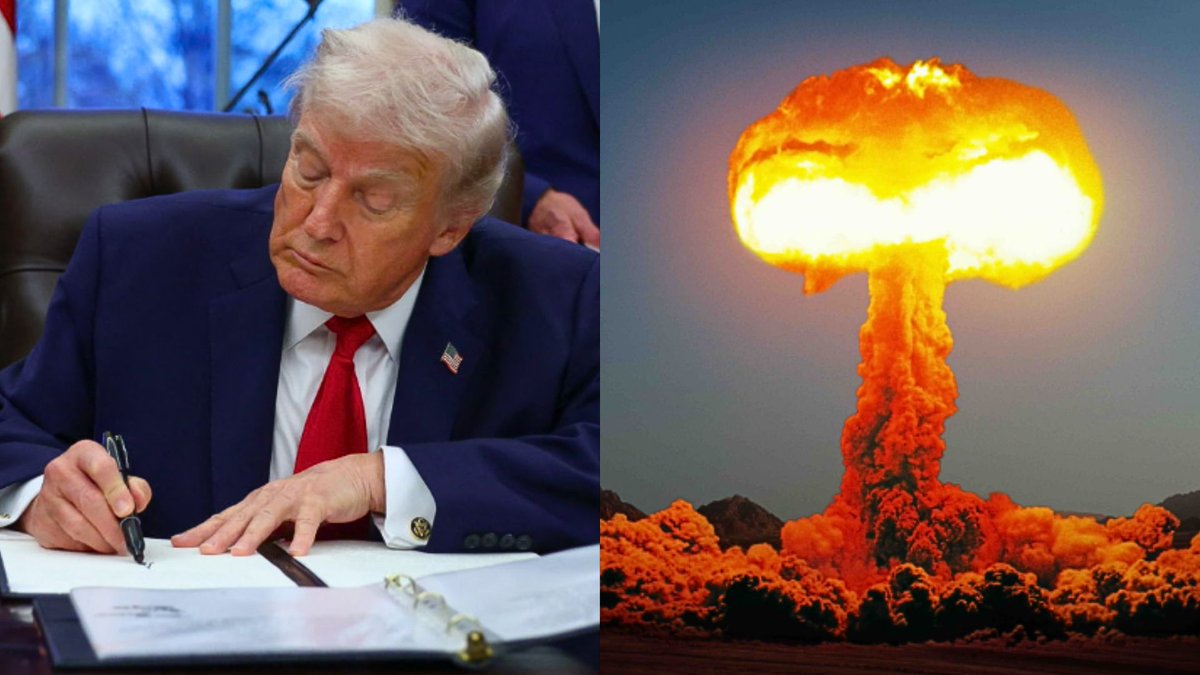
🚨 The Trump Administration ends regulations protecting Americans from radiation overexposure.
Experts predict this will significantly increase cancer risk for many Americans.
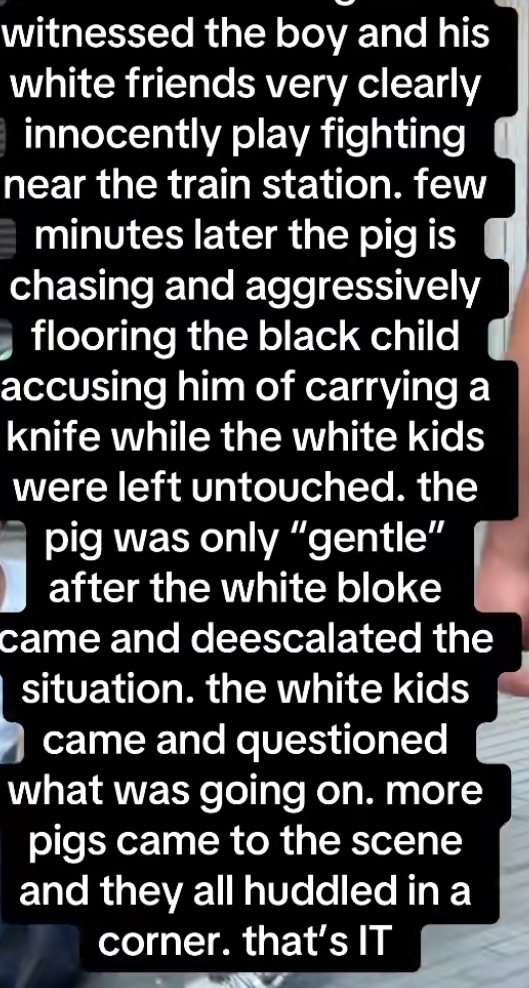
According to a witness, police saw a Black child play-fighting with his white friends. The police then chased the Black child down and put him in handcuffs.
Massive respect to the kind man who stepped in to help him and made sure they remembered that he is a child and should be treated gently.
Adultification is real.
Didier Deschamps: “Would you like to become a coach one day?”
Kylian Mbappé: “No. My businesses are doing well, so I could become a businessman. My team even tells me I should run for President of France after I retire… but I definitely won’t be a coach.” 😂🇫🇷
I saw a post on Reddit that said that “The underlying purpose of AI is to allow wealth to access skill while removing from the skilled the ability to access wealth.” And I don’t think I’ve ever seen AI described so incisively.
A 24 year old from Chicago who still lives with his parents spent months studying sports betting books and found a legal edge in football parlays. He won $800,000 across two Caesars casinos. Caesars voided every ticket and sent his $50,000 stake back instead. Two state gaming commissions sided with Caesars. He is now suing them in federal court.
– Thomas McPeek is a 24 year old from suburban Chicago who lives with his parents.
– He spent months reading sports betting publications and studying parlay structures, bets where multiple events all have to happen to produce a win.
– He identified what he believed was a consistent edge in certain football wagers where Caesars was pricing odds in ways that gave a sharp bettor an advantage.
– In August 2024 he walked into the Horseshoe Casino in Hammond Indiana with roughly $30,000 and placed hundreds of small bets at self-service kiosks over the course of a week.
– He won $350,000.
– In September he moved to the Isle Casino in Bettendorf Iowa also owned by Caesars and won another $450,000.
– He placed his bets in small amounts at kiosks specifically to avoid drawing attention.
– Total winnings across both casinos: $800,000.
– When McPeek returned to collect at Horseshoe in October 2024 his winning tickets were voided.
– Caesars said he had violated their house rules by coordinating bets across state lines and by structuring his wagers in small amounts.
– Caesars refunded his original $50,000 stake. They kept the rest.
– One casino had already paid him before catching on. Blue Chip Casino in Michigan City Indiana paid him $127,000 in winnings then asked him never to return.
– McPeek filed complaints with gaming regulators in both Indiana and Iowa. Both sided with Caesars.
– In 2025 he filed a civil lawsuit against Caesars in US District Court in Nevada.
– Caesars filed a motion to dismiss in July 2025 arguing the lawsuit was filed in the wrong jurisdiction and that McPeek had agreed to their terms when placing his bets.
– "It's not like I can snap my fingers and make the bets win," McPeek told CBS News. "They still have to win."
– The case is still ongoing.
A 24 year old who lives with his parents studied betting books, found a legal edge, won $800,000 across two casinos, and watched every winning ticket get voided.
An Iowa man bet just over $300 on a loophole he found in a sportsbook's own rules. His bet should have paid out $14 MILLION. The company canceled it and sent his money back instead.
– Nicholas Bavas, a bettor from Iowa, found what he believed was a near-guaranteed exploit in how DraftKings priced certain wagers.
– He placed roughly $300 across bets structured to profit no matter the outcome, if DraftKings' own odds and rules were taken at face value.
– Had DraftKings paid out as the bets were technically written, Bavas stood to collect more than $14 MILLION.
– Instead, DraftKings unilaterally voided the bets and simply refunded his original stake, citing its house rules about pricing errors.
– Bavas sued in a 39-page breach of contract complaint, arguing a bet is a contract, and if DraftKings accepts it, it owes what it promised.
– His attorney said DraftKings gave no real explanation beyond telling him the bet wouldn't be honored.
– The case was moved from Iowa state court into federal court in Des Moines.
– As of the most recent public reporting, the case remains in litigation, with no public ruling yet on whether Bavas is entitled to any of the $14 MILLION.
A $300 bet built entirely around the sportsbook's own rules should have paid him more than most people make in a decade. The company just canceled it and mailed his money back.