Hot off the press 📢: one of the most surprising and unsettling findings of my PhD. A novel social tradition emerged in the tool-using capuchins of Jicarón island… abducting and carrying the infants of another species. Thread with gifs, videos, and all the bizarre details 👇
🎉Congratulations to @EmilyMayGrout 🎓who successfully defended her thesis "Communication and fission-fusion dynamics in white-nosed coatis" , under the supervision of @MegCrofoot and @ariSPeshkin
🎉 Congratulations to Odd Jacobson 🎓who successfully defended his thesis "Social and environmental drivers of capuchin movement ecology: a long-term perspective" , under the supervision of @MegCrofoot and Susan Perry.
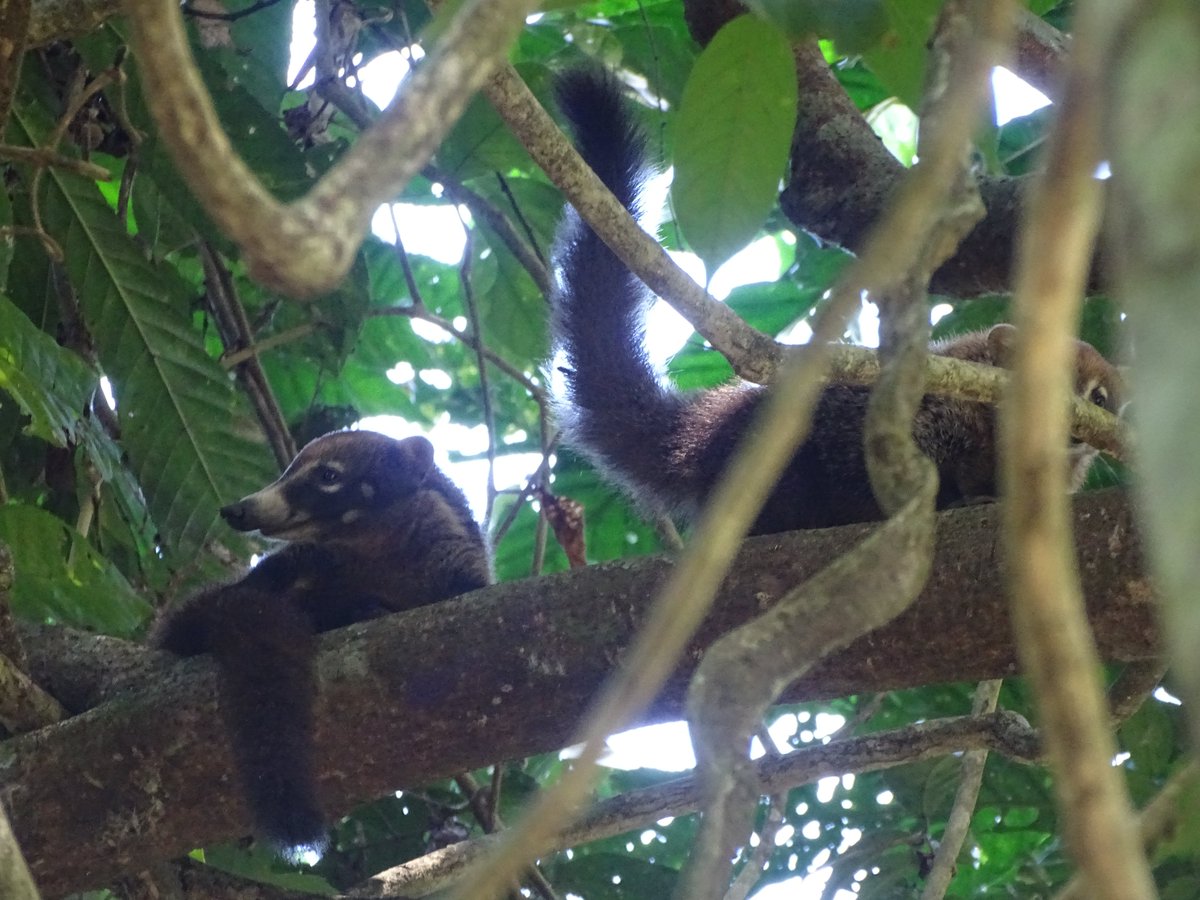
Excited to share that our paper on white-nosed coati subgrouping dynamics is out in Animal Behaviour! Using high-resolution GPS collars to track entire groups, we found that coatis consistently split with their close relatives. 🐾 https://t.co/c3QIgd75LF
New preprint out (finally) !!!! We present YOLO-Behaviour, a flexible, easy to implement, robust framework for automated behavioural annotation from videos. @CBehav
https://t.co/VKqCWbE66d
How the geographical range of a species does collapse?
In our latest paper in @PNASNews, we were able to reconstruct the extinction pattern of the woolly rhino using process-based model validated with the fossil and the aDNA record.
#Lessonsfromthepast
https://t.co/9g69j3BM3s
1/9) Very excited to share that we have a new OA paper on rhythm in cetacean vocalizations in @PNASNews! This was one of my favorite PhD thesis chapters. It continued to grow at @MPI_NL with @AndreaRavignani, and I'm happy it's finally out in the world.
https://t.co/FAYGZ5CITN
Our new paper tests the diet hypothesis for brain expansion. We found no evidence that larger-brained primates had more efficient foraging paths than smaller brained procyonids.
GPS is relatively new. So how can we study long-term animal movements? Our approach in @Ecology_Letters transforms historic location records (pre-GPS) into valuable data, revealing capuchins' responses to #climate and demographic change. #openaccess (https://t.co/soqMWA5vLK) 1/8
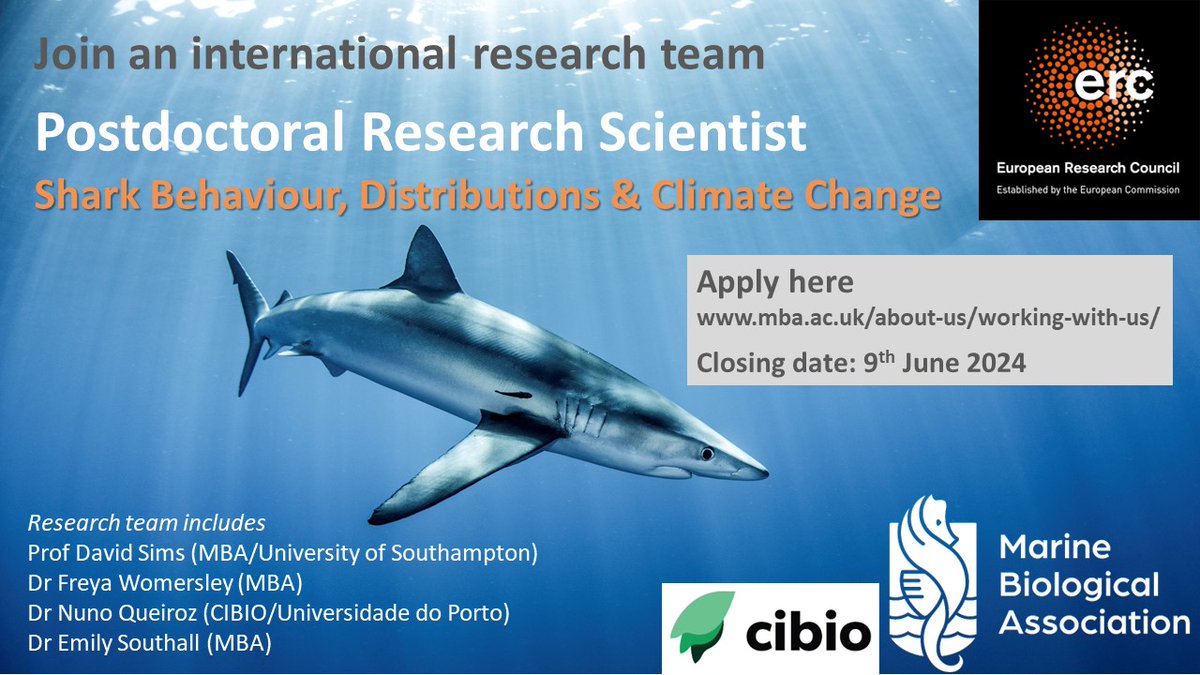
New Postdoc Research Scientist position available to work on #shark movements & distributions under #ClimateChange w/ biologging data
Please apply here: https://t.co/oR8wecfD4A
🚨🚨Help us spread the word!!!! Fully funded field course for South African students. Apply by March 31. Come to learn how to study animal communication and collective behaviour in the wild. Plan and run your own project on the amazing Kalahari fauna. For details click 👇 or DM
So immensely proud to see my PhD work out today in @Nature!
Combining neuroscience and ethology to an unprecedented degree in primates, we uncover neural signatures of social support and grooming reciprocity—building blocks of relationships.
https://t.co/hAGkBSMDiU 🧵👇
Join us at the Kalahari desert 🔥 this June for the Collective Behaviour Field Course. The program is fully funded for South African 🇿🇦students. Application is open until the end of March 🗓️Check out our website for more details 👇🏻.
My first PhD chapter is out as a preprint!🎉 Investigating white-nosed coatis, we collared entire groups and uncovered a fascinating pattern: consistent subgrouping with close relatives!📚
New video from @DLR_en shows how we use space-based technology to better understand animal societies here on earth 🌍
Featuring @MegCrofoot@livingingroups and @vivekhsridhar with some lovely footage by @UntamedScience 📽️
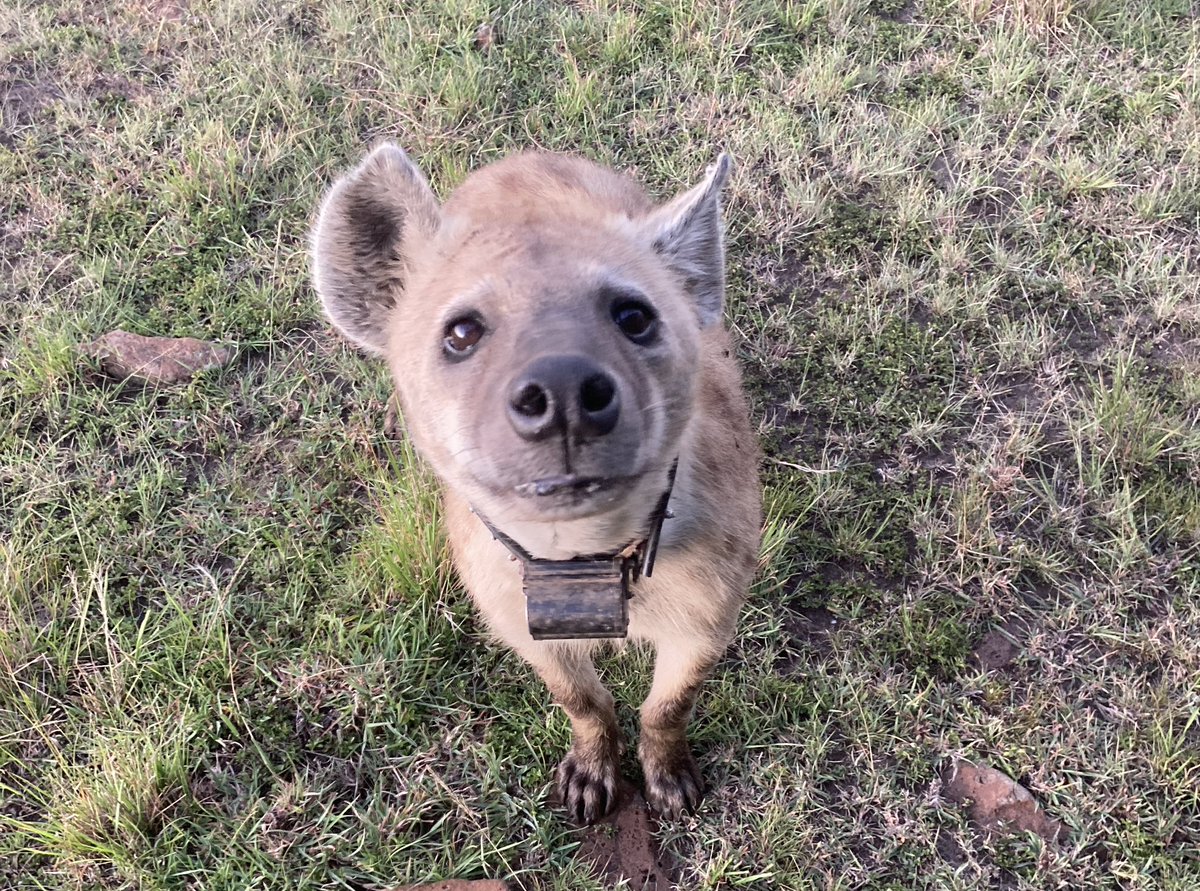
Our paper on #hyena#cooperation is out in @RSocPublishing 🥳! We (@KDSLehmann @jcbeehner @kay_holekamp@MaraHyenas et al) show how long-term social bonds & short-term friendly intx help hyenas overcome barriers to cooperation during risky fights w/ lions: https://t.co/j4enBy4dGf