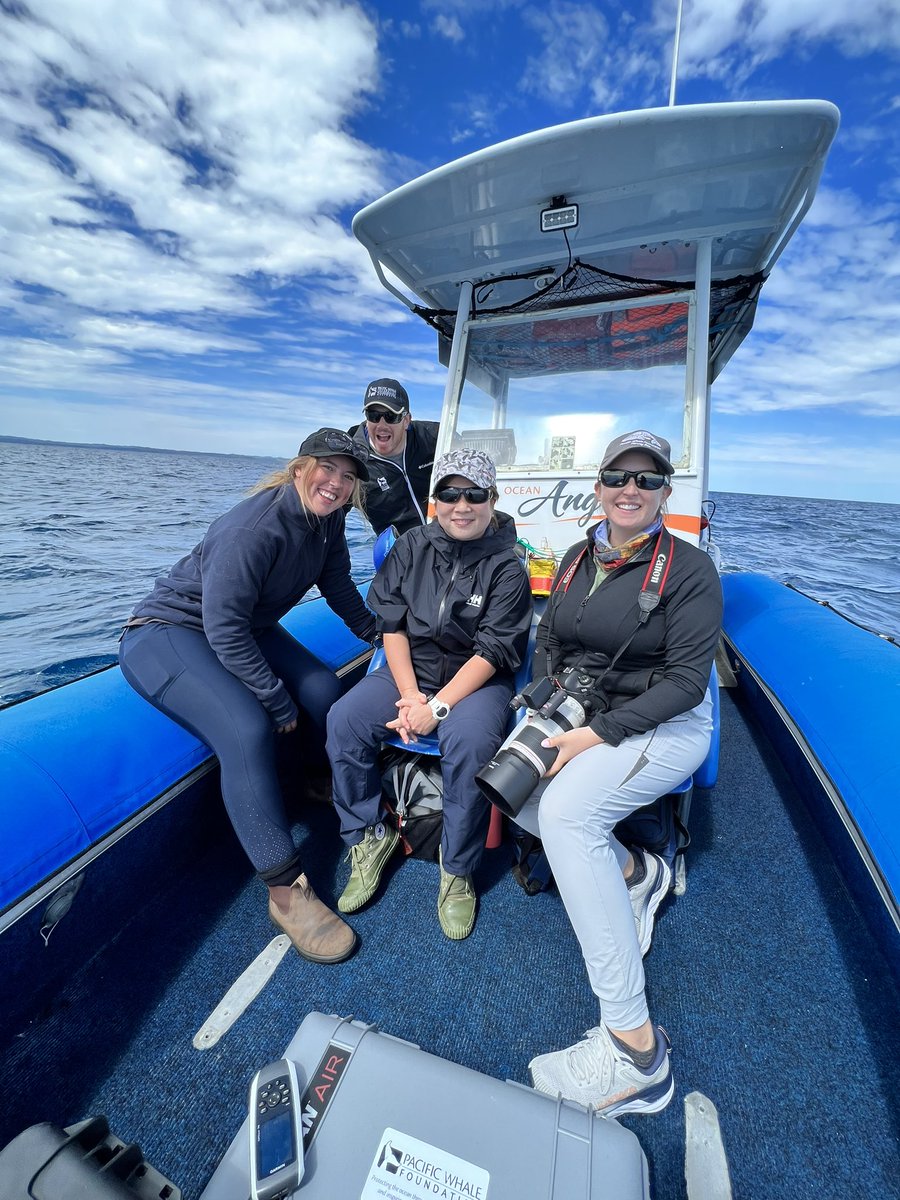
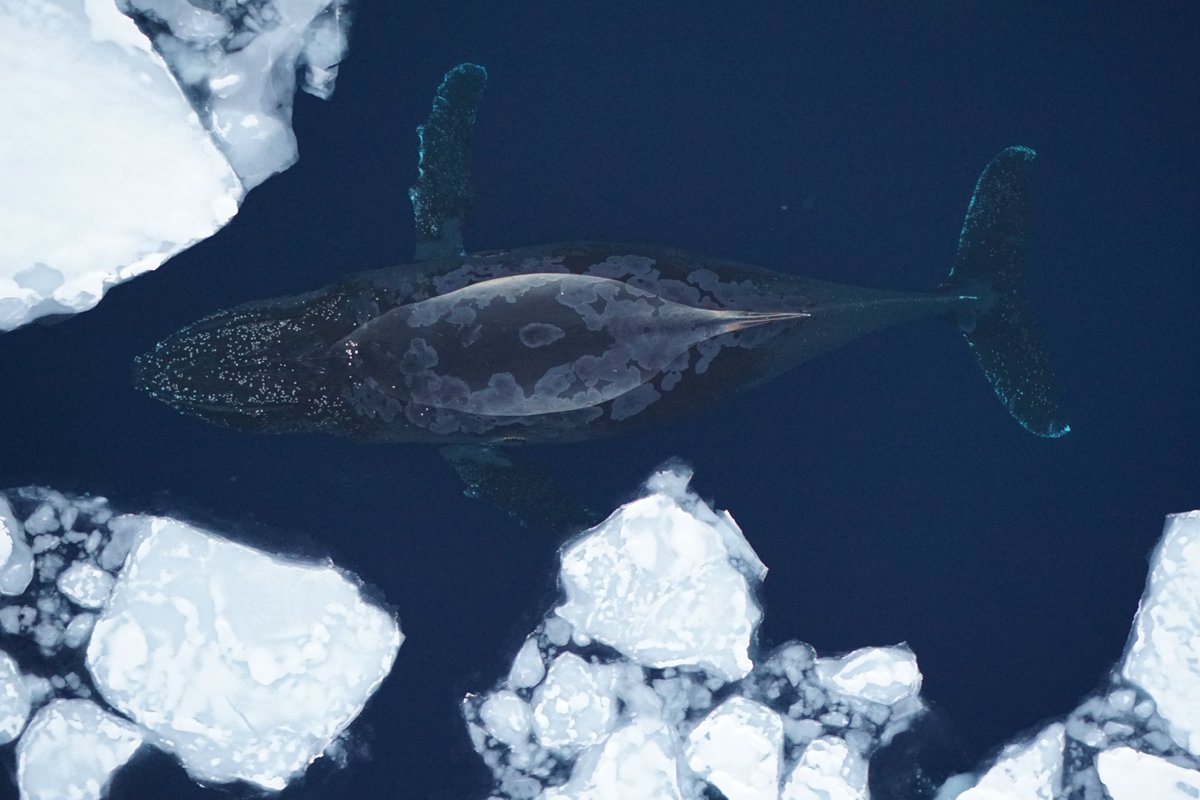
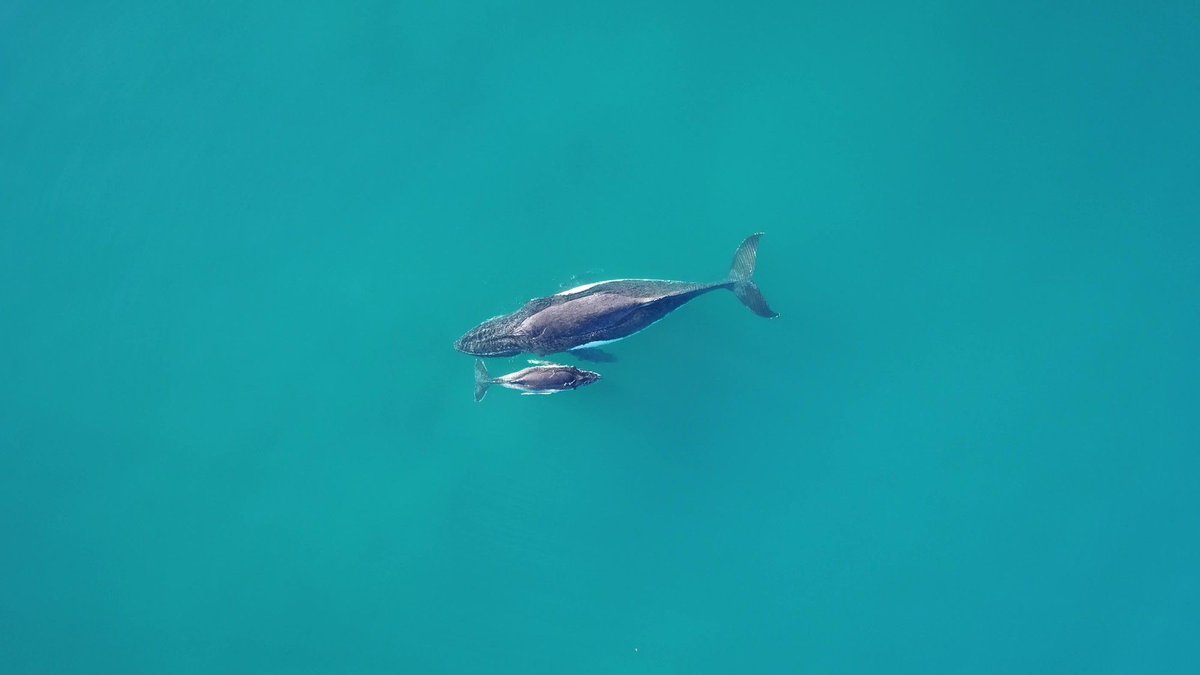
We are pleased to welcome Dr. Nozomi Kobayashi to Hervey Bay! Nozomi is a whale researcher from the Okinawa Churashima Foundation that is collaborating with PWF to study the potential impacts of whale-watch tours and swim-with-whale tours in Okinawa, Japan.
It's published! I am so happy to share such a huge collaborative effort
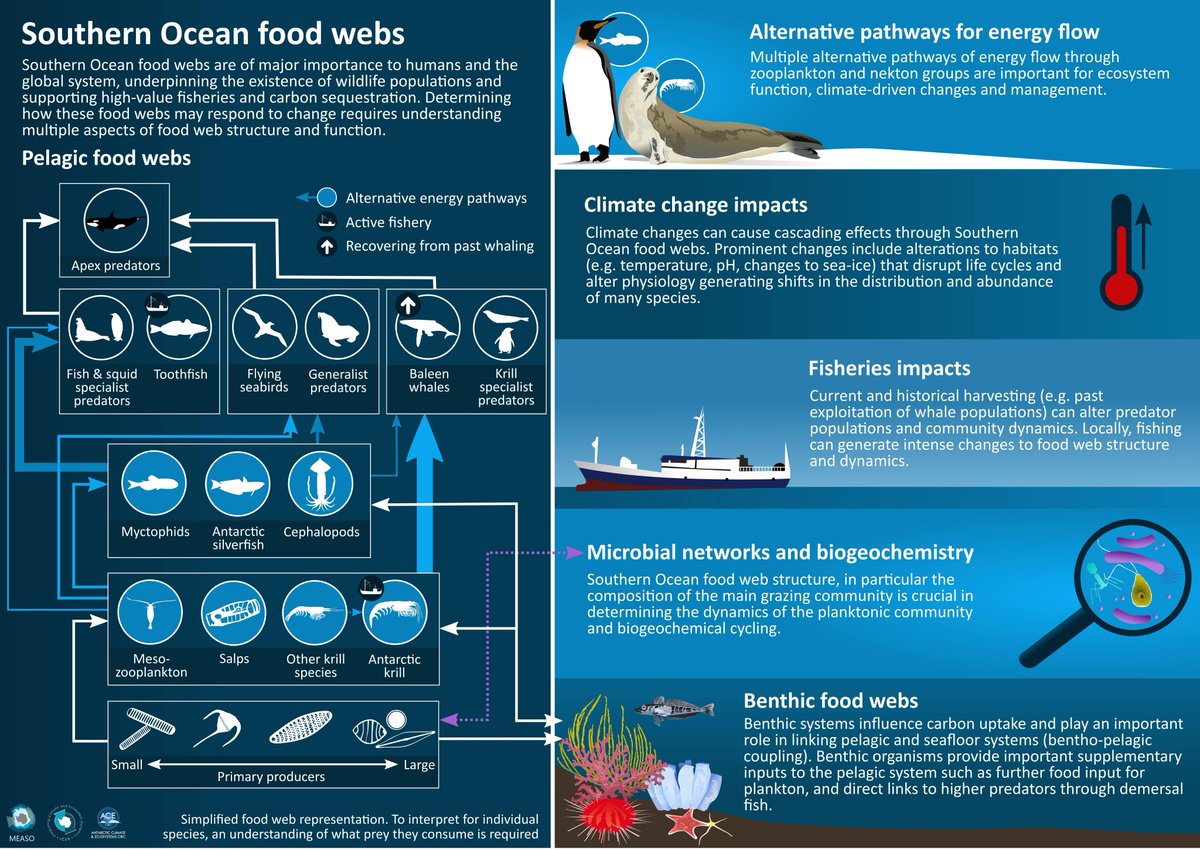
This open access paper is a contribution to @MEASO20 discussing the current progress, prognoses & potential future priorities for #SouthernOcean food web modelling & policy makers
https://t.co/I5pNBMMcFc
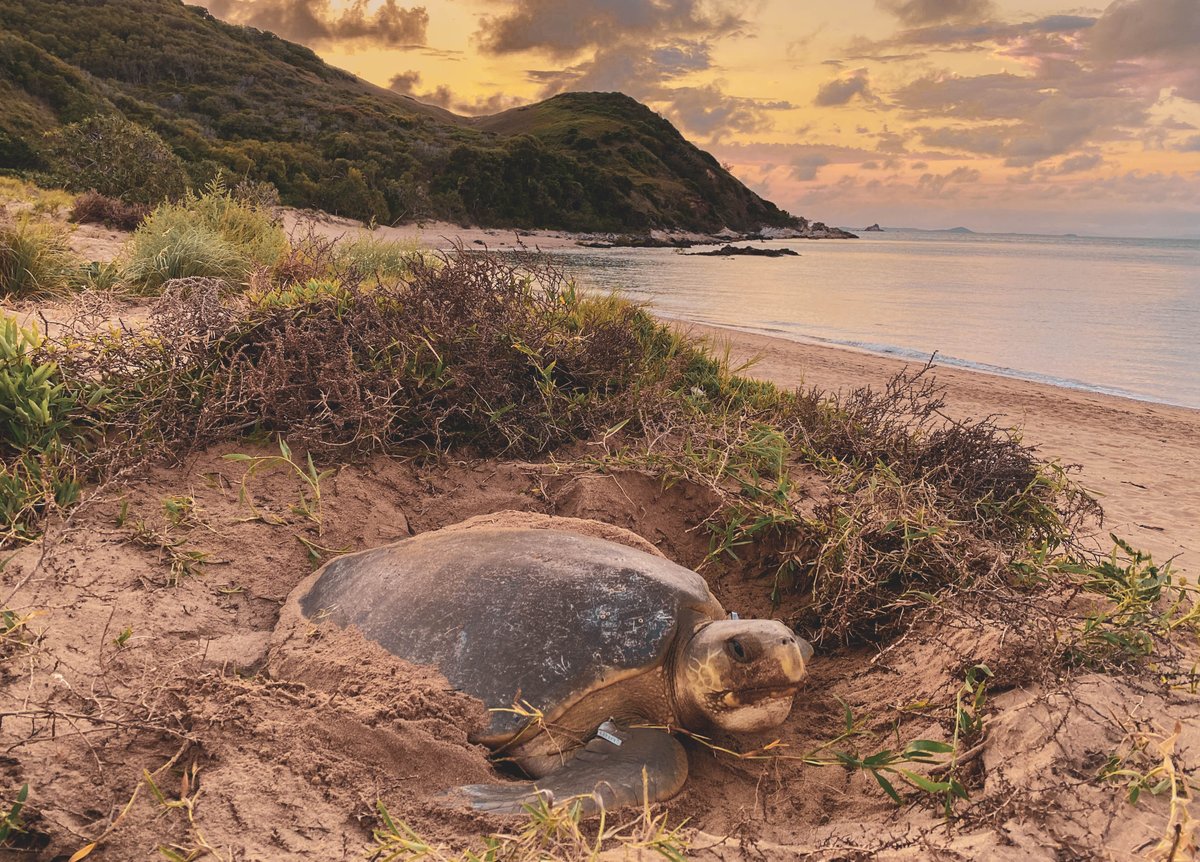
One of my roles with @CouncilSCC is to support their TurtleCare citizen science program, monitoring Sunshine Coasts marine turtle nesting population - proud to say TurtleCare vols are highly trained, passionate and enormously dedicated conservationists!🐢
https://t.co/ZB6A6bufmU
Scientists have a two week window to study the humpback whales which make their annual migration here from the colder waters of Alaska. KHON2 got a look at the human effort needed learn more about the humpback whales and their behaviors. #HawaiINews https://t.co/Wo9nnSXVil
Tried to make the last 3 days of the @anzscsmm conference slightly less virtual with @AlexisLevengood 😅. A great way to kick start 2021, listening to some incredible #marinemammal#science going on! 🦭🐋
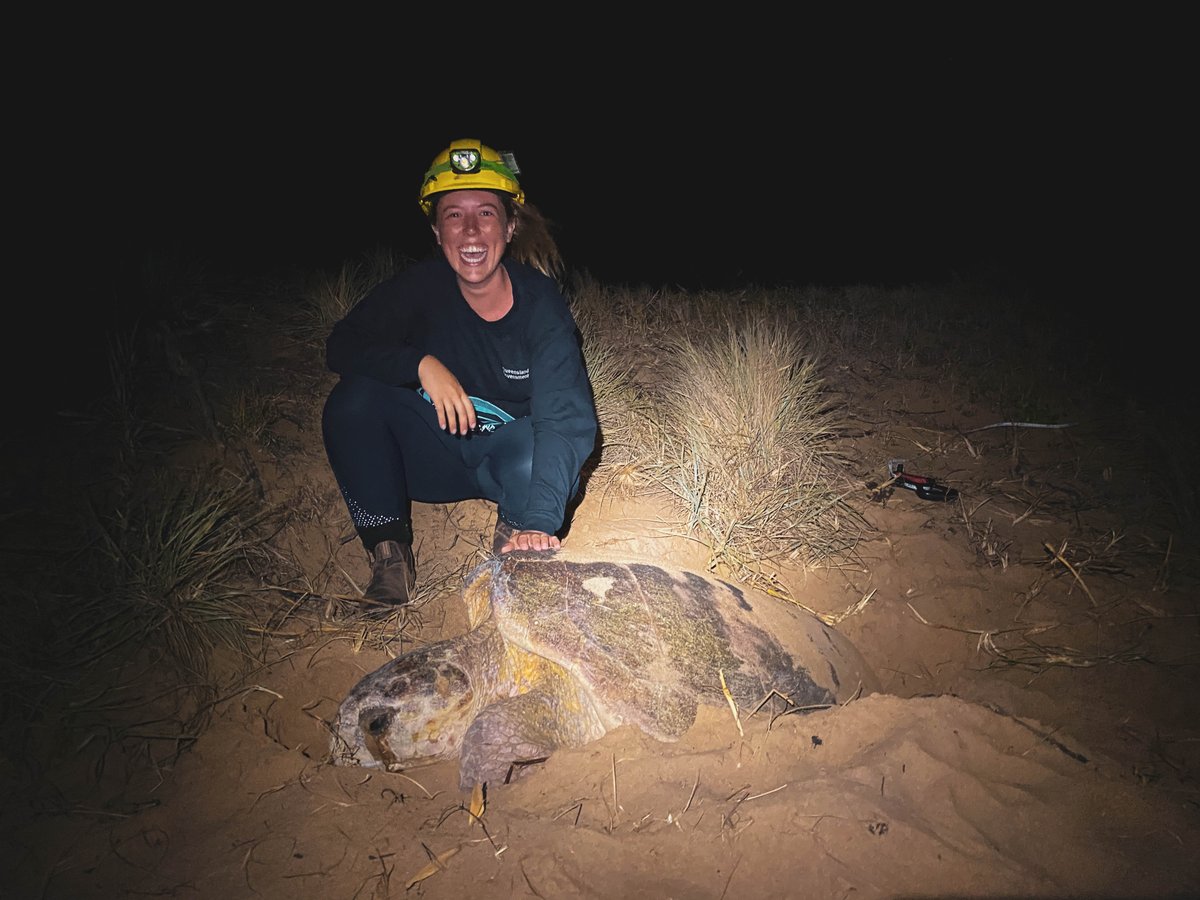
Spent the last few weeks camped on Peak Island with the Qld Turtle Monitoring Program.
The Peak Island flatback nesting population has been monitored by Dr. Col Limpus since the 80s, so it was a real privilege to be invited to contribute to this very groovy longterm data set!🐢
Whales need some peace and quiet. In the latest #eLifePodcast, @KateSprogis tells us about research that has highlighted the need for new guidelines for noise levels from whale-watching boats
🎧 https://t.co/8Zcsa38PPv
New Research: Climate Change Will Re-draw the Map for Marine Megafauna and the People Who Depend on Them: Climate change is expected to dramatically alter the distribution of many marine megafauna, impacting the people and economies that… https://t.co/csFSV7FOqc #MarineScience
Important new study propose that whale watching guidelines should be based on noise levels rather than distance alone. Well done @KateSprogis @SimoneVidesen and Peter T Madsen
Watch out narwhals! As the #Arctic warms and sea ice disappears in #Nunavut, a new study @Umanitoba says a population of 136-190 #killerwhales is eating as many as 1,500 #narwhals every summer—or more than Inuit hunters can take in a year #climatechange https://t.co/ReM3eXfBfc