Perhaps the deepest deep-dive on WTF (What's that fact?) ever... What is the biggest animal in the sea? Why are deep sea animals so BIG? 🐋 What is DEEP SEA GIGANTISM? 🦑 Always love a chat with BBC Hereford & Worcester concerning fishy facts 🐟
https://t.co/pVuUt0WKZL
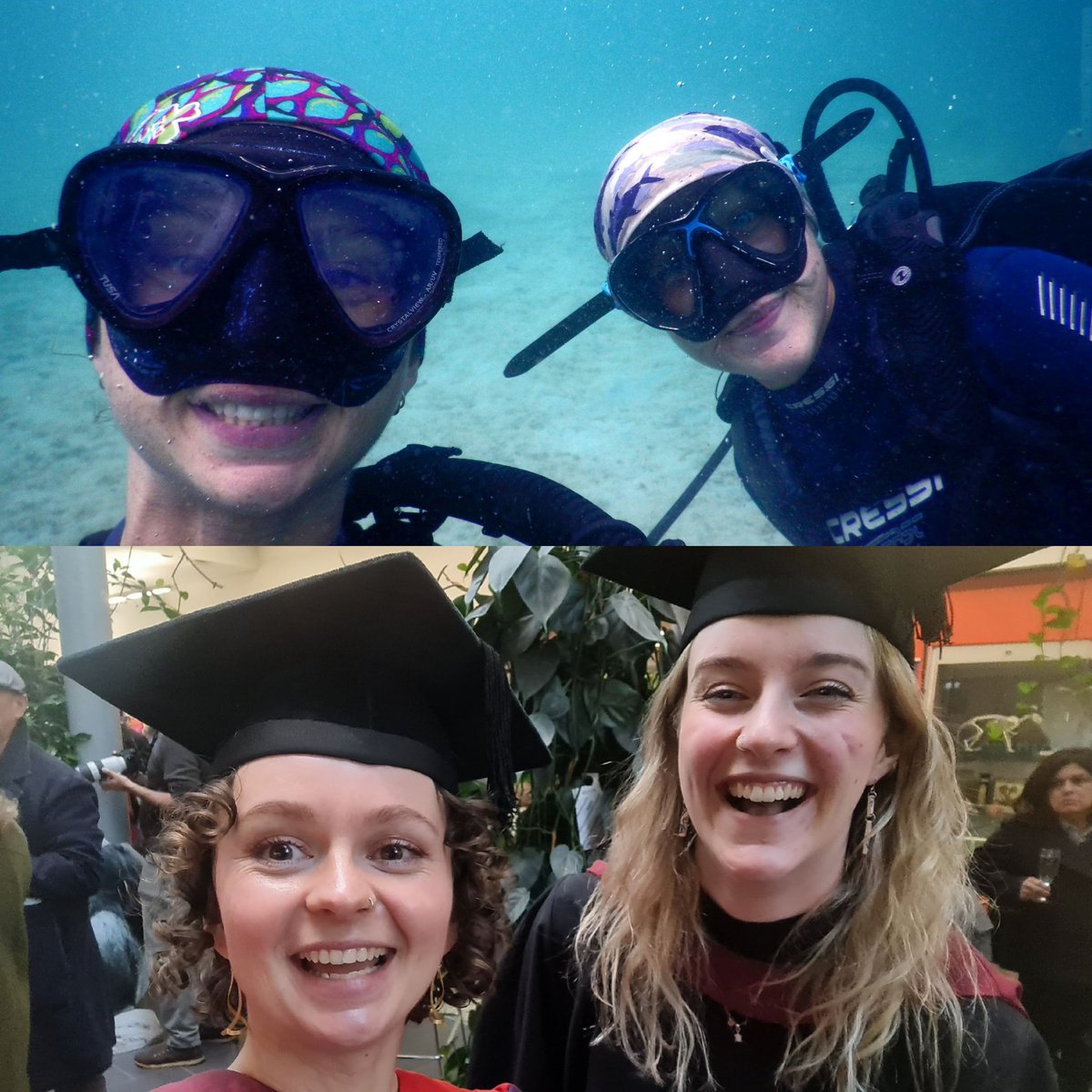
I’m very happy to share my first paper, and the first from my Masters, is out in @RsocPublishing#OpenScince 🤩 w/ coauthor and supervisor @C_C_Ioannou
🔗 https://t.co/fslL1laNuz
🧵1/12
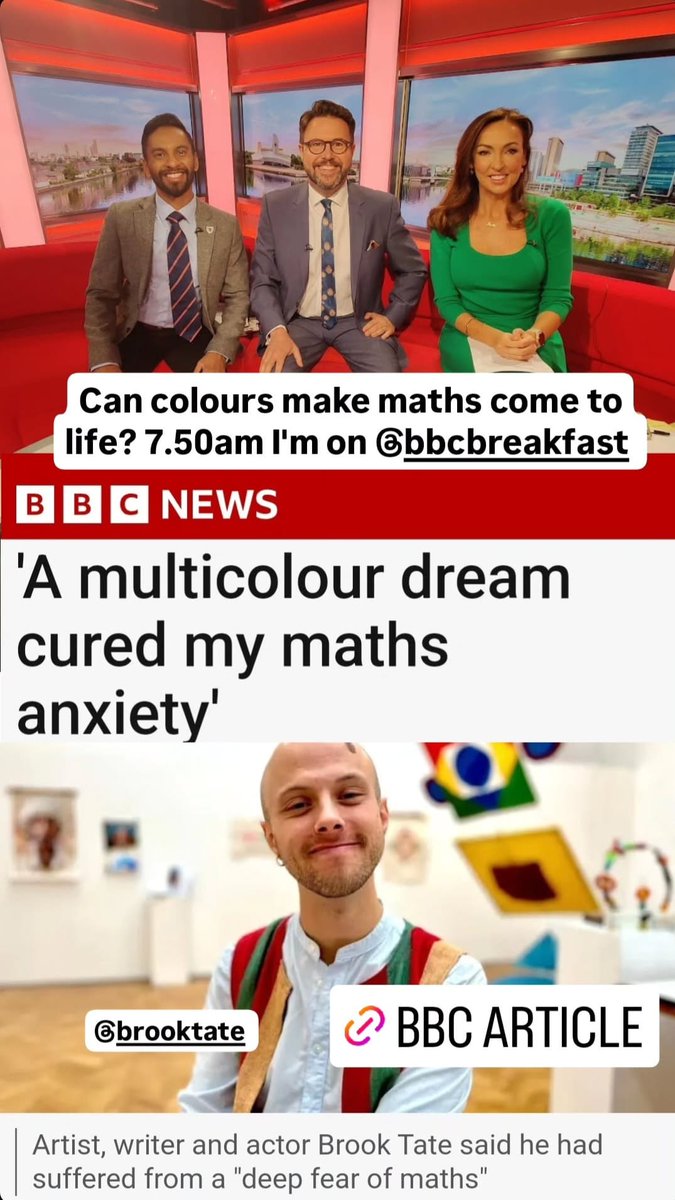
My mate, the creative prodigy @brooktatearts, has imagined a new vibrant method for learning maths to help those who usually struggle🧮Tune in to @BBCBreakfast tomorrow morning to hear all about it, or read it in the @BBC article:
https://t.co/GBAUy1cEKW
❤️🧡💙💚
JOB OPPORTUNITY: Postdoctoral Investigator – Soundscape and Larval Ecology of Coral Reefs (Woods Hole Oceanographic Institute)
https://t.co/DVMpKDxo3c
The Biology Department is searching for a Postdoctoral Investigator to join the Sensory Ecology and Bioacoustics Lab to study soundscape and larval ecology of coral reefs. This is a full-time, exempt position eligible for benefits. Sea duty is required.
The successful candidate will be primarily responsible for helping design bioacoustic and soundscape experiments. Thus, it is desired to have experience in acoustic experiments with marine animals, analysis of bioacoustic and behavior data, SCUBA diving research, field research, laboratory studies, hearing studies (physiology and behavior), and acoustic measurements, particularly with particle motion. Candidate should also be able to code in Matlab and troubleshoot data analyses code as needed to improve data quality through assessment and modifications of the collected data and its analyses and be able to handle field situations appropriately.
#coralreefs #coraljobs #coralreefjobs #coralcareers #coralreefecology #careeropportunities #bioacoustics #sensoryecology #marinebiology
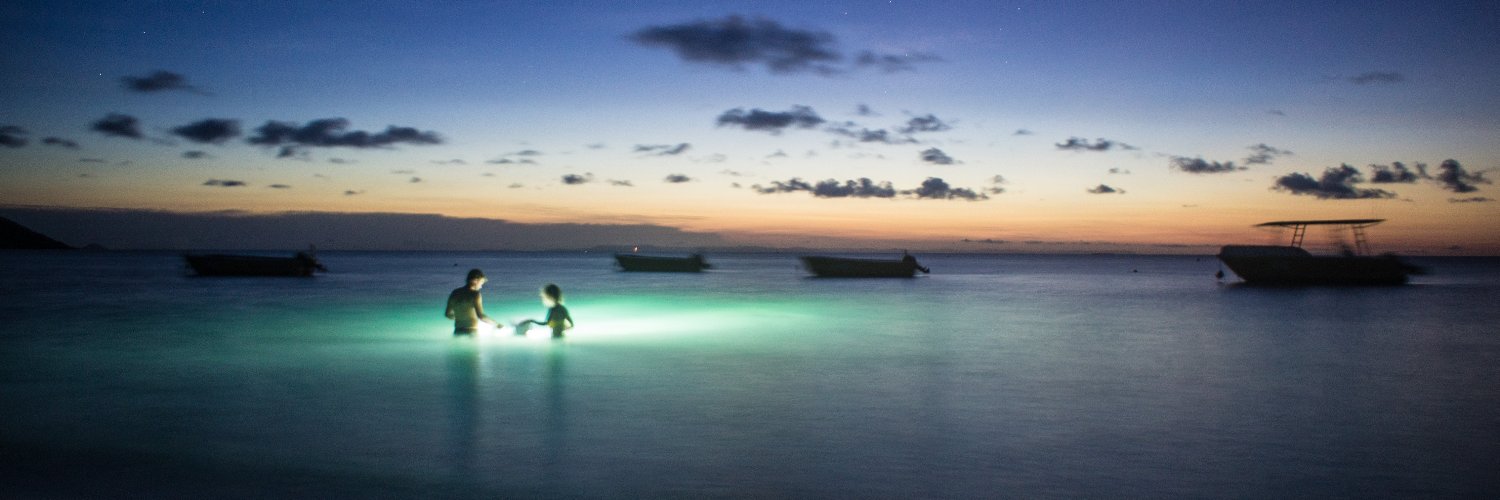
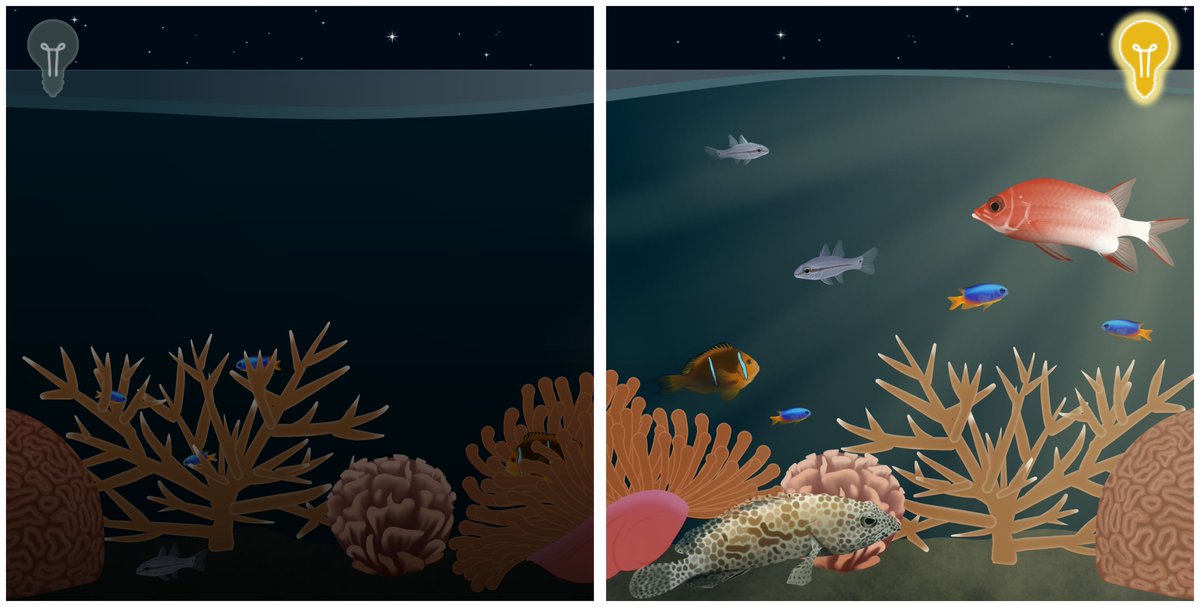
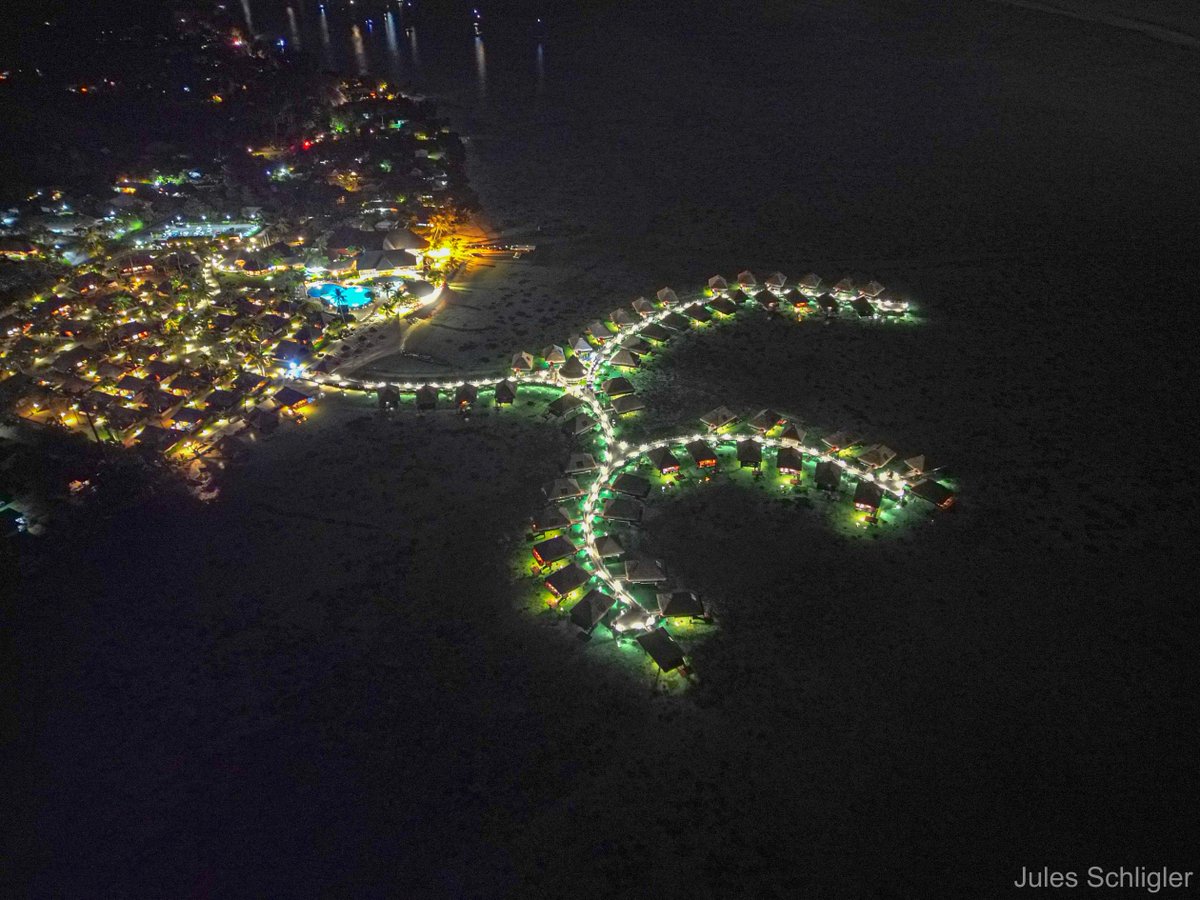
🚨When the sun sets, coral reefs transform - but artificial light is disrupting this delicate balance by waking sleeping #fish and attracting predators - exposing these communities to danger. 🐟🐡🔦
https://t.co/PFMRuxof2x
@BristolBioSci@EmmaFishGal@DrSteveSimpson
6/ 25 nights of light had community-scale impacts on coral reef nightlife, but only three nights was too short to elicit changes. This suggests that there could be low-cost solutions to reduce impacts of artificial light on coral reef inhabitants🏝️
📷: @jules_schligler
5/ Some species were nocturnal predators that had been attracted to the artificially illuminated reef.
Other were diurnal (day-active) species that had been roused from sleep ⏰