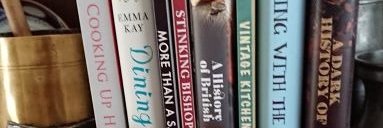
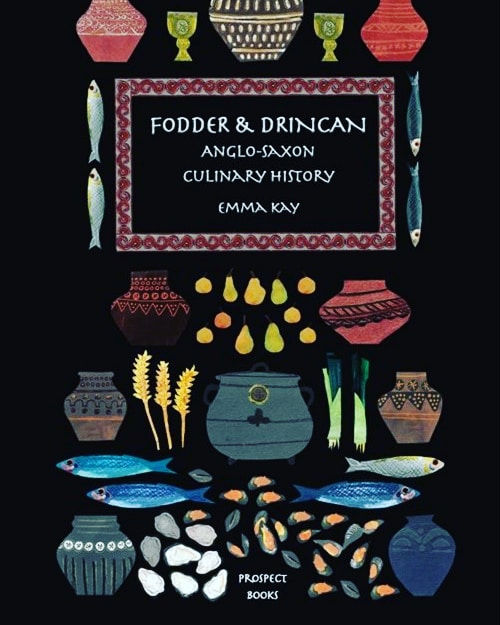
My new book Fodder & Drincan out October 22 @prospectbooks explores the history of food,drink & a whole lot more in the early medieval period - busts plenty of myths & brings Anglo-Saxon society vividly back to life (if I do say so myself)! #viking#History#earlymedieval#saxon
@Lostock_Henge It was great celebrating with you. Thank you for inviting us! That looks wonderful, but I know we definitely won't be celebrating another anniversary if I bring any more acquisitions into the house!...Love to you all.
@Lostock_Henge Oh yeah, I forgot about his breaded fish restaurant! I seem to remember he dabbled in the levitation business too.Well the other JC hasn't done badly either, or my Dad come to think of it, who is also a JC...What incredibly fantastic results.Very well done indeed daughter mk2. 👱♀️
Interested in how butter used to be made at home? My latest YouTube short is up on my channel to show you how, featuring lots of lovely objects from my collection.
https://t.co/RtMqJVQkfD
#museumofkitchenalia#butter
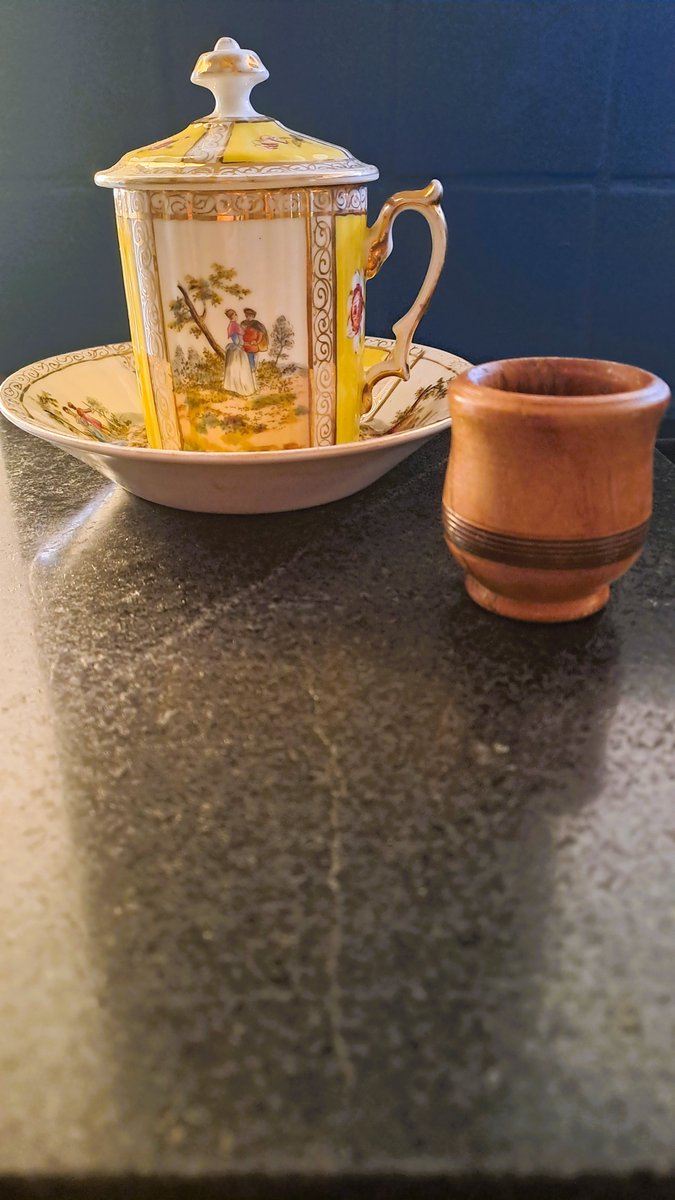
Ever wondered what a Trembleuse was? Well, my Blog article reveals all. If you're hankering for a comfy nostalgic hot chocolate in this crazy heat (unless you're somewhere it's crazy cold, in which case you will definitiely be hankering) Visit https://t.co/PRUmViB05M
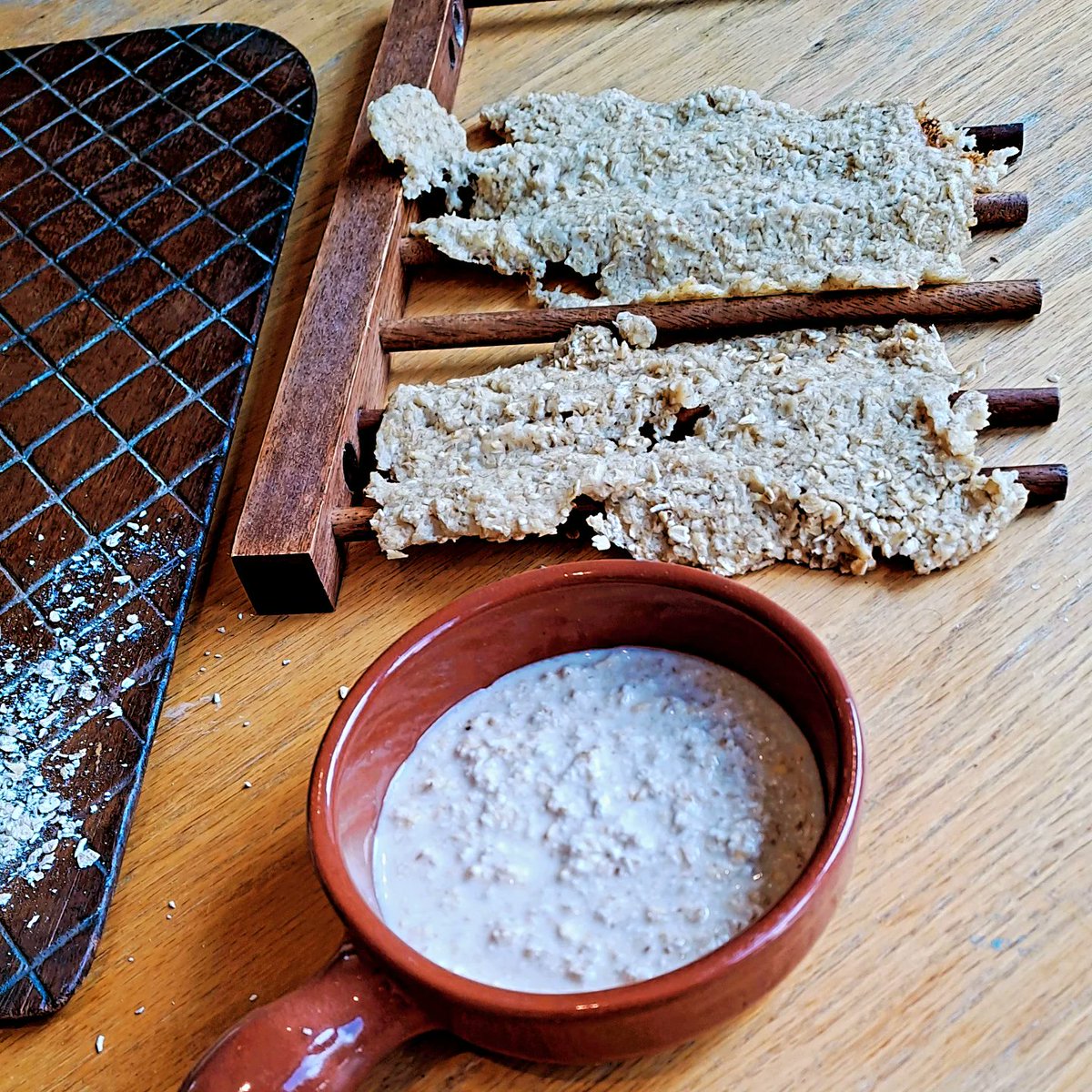
Discover how Riddle Bread was made on a genuine Riddle Board from the collections of the Museum of Kitchenalia.
Visit the Blog at https://t.co/DCf0t00RlE
The history of this particular board makes this a prized object in my collection of over 400 objects.
#foodhistory
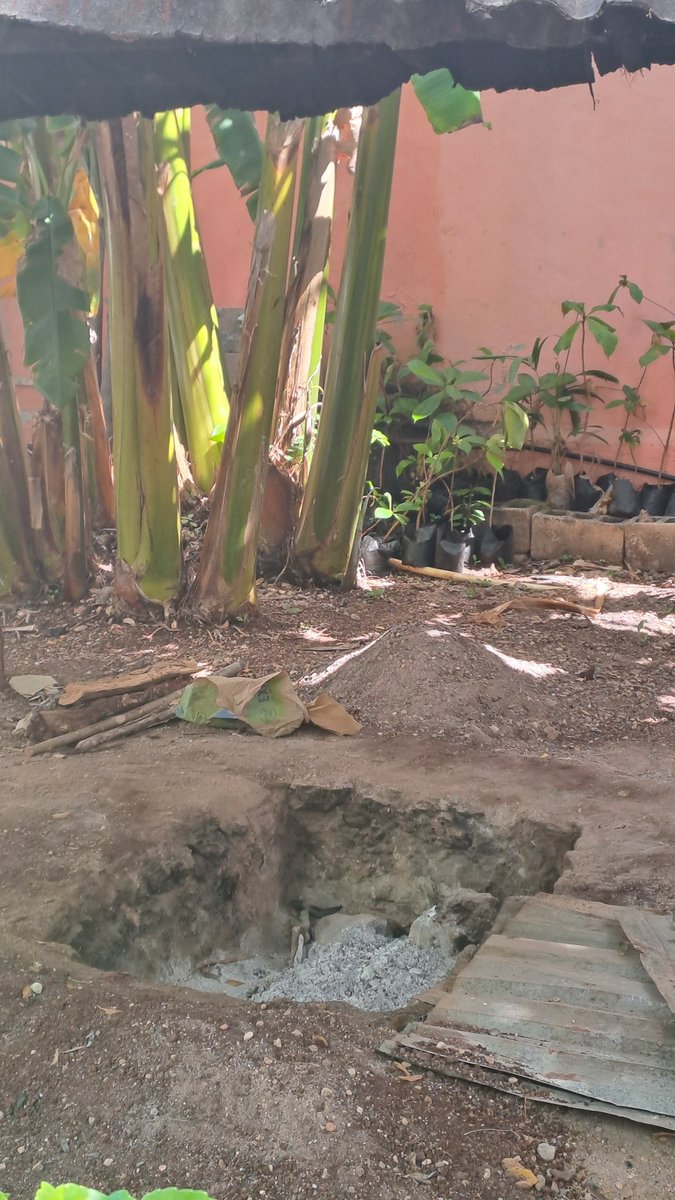
I came across one of these when visiting a Mexican village. It's a traditional Mayan Pib - a method of cooking I'm tackling for some learning resources.Underground ovens traverse many cultures, but I've never created one.
Has anyone else? I'd love to know.
#undergroundcooking
New Blog, New YouTube, Instagram & tiktok shorts - It's all about the objects.
What is it?...
Visit the new Museum of Kitchenalia Blog https://t.co/DCf0t00jw6
#museumofkitchenalia#history
@davided41633250 It could be, but more likely used for sugar paste borders. If you read my blog post https://t.co/IyJIBOnl5D you'll see how they were similar and often made by the same wood carvers. This one has a provenance to suggest it was used for gum paste.