@dr_mattmorgan Not sure but whatever reason can't see how there is a difference between regions in the UK that means there are different levels of risk for IP&C or H&S
@jamestoml1 Mmmh, definitely get the sentiment but maybe 'developing' is a more meaningful word in education than 'producing' - latter sounds a bit factory production line and 'doing to', rather than the nurturing required in #MedEd#ICRE2024
@DrBrandonTang@ICREConf@toliopoulos This is a really big issue in the UK, of is this service provision or is it training and what counts as either? And yes there is value to both. I worry we sometimes dismiss service tasks and dont see them as educational- cos you can learn from everything
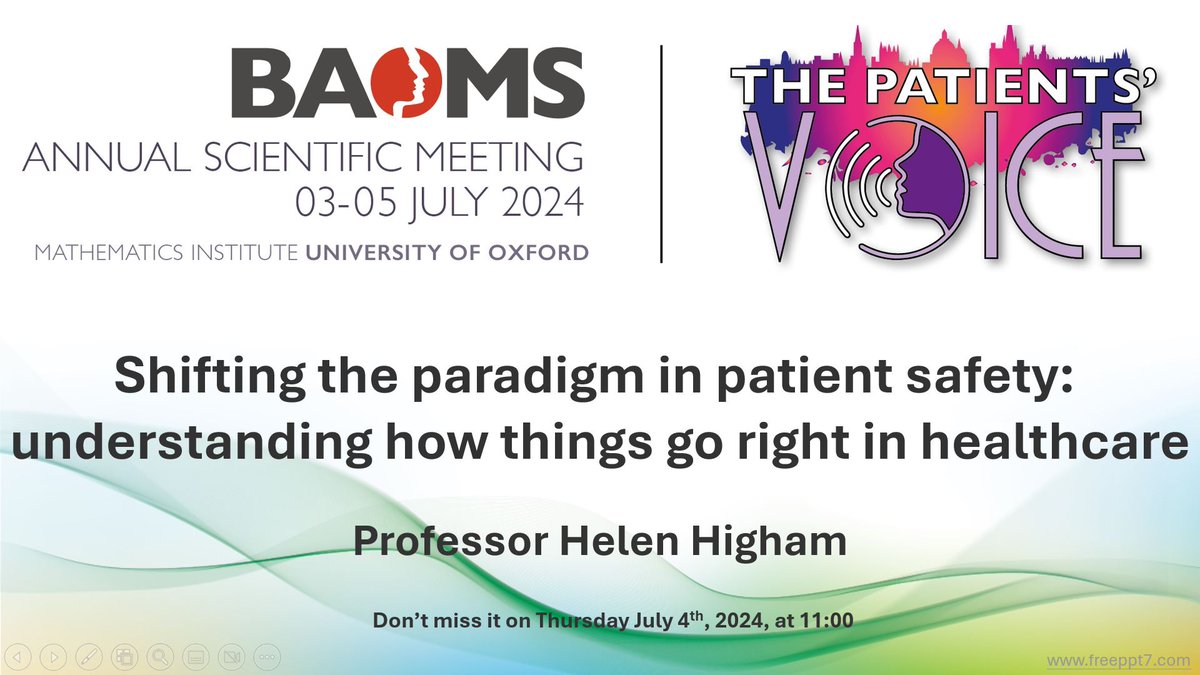
#BAOMS2024 Prof @HelenEHigham from @OUHospitals is giving a keynote lecture on shifting the paradigm patient safety. Find out more about Helen's fascinating work here: https://t.co/IqTfQVBkU6
Look at the pace McParland gets on this pass. He's not changing anything here aside from setting a very solid base and driving off it. Everything else is staying exactly the same.
12)
Let's look at Archie McParland here. It's quite different to what Marmion is doing. We don't see the same leg position for example. However, the principles are still the; a replicable technique that withstands pressure.
8)
🌹 Cousins
🌹 McParland
🌹 Wright
🌹 Pollock
Four of our young Saints will start for England Under-20 once again as they take on Scotland this Friday evening.
'Taskification' is the biggest issue in the workforce substitution debate.
Any task has two bits - the thinking (cognition) and the doing.
The thinking bit is the most important. Why am I doing this? Am I doing this properly? What happens if it goes wrong? Etc.
1/
'Taskification' is the biggest issue in the workforce substitution debate.
Any task has two bits - the thinking (cognition) and the doing.
The thinking bit is the most important. Why am I doing this? Am I doing this properly? What happens if it goes wrong? Etc.
1/
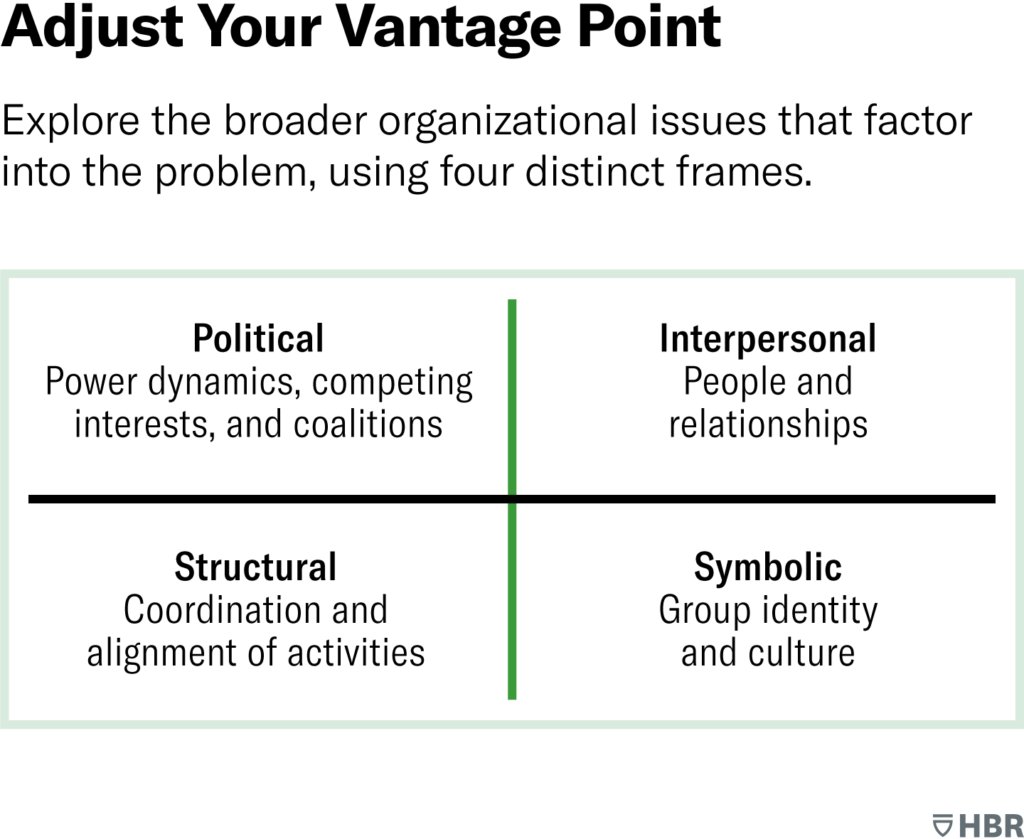
Research shows that when facing tough problems, leaders & teams tend to dive straight into "solving" mode; often not examining or defining problems before trying to solve them. Julia Binder & @MichaelDWatkins suggest we undertake "problem-framing" before "problem-solving". There are 5 stages:
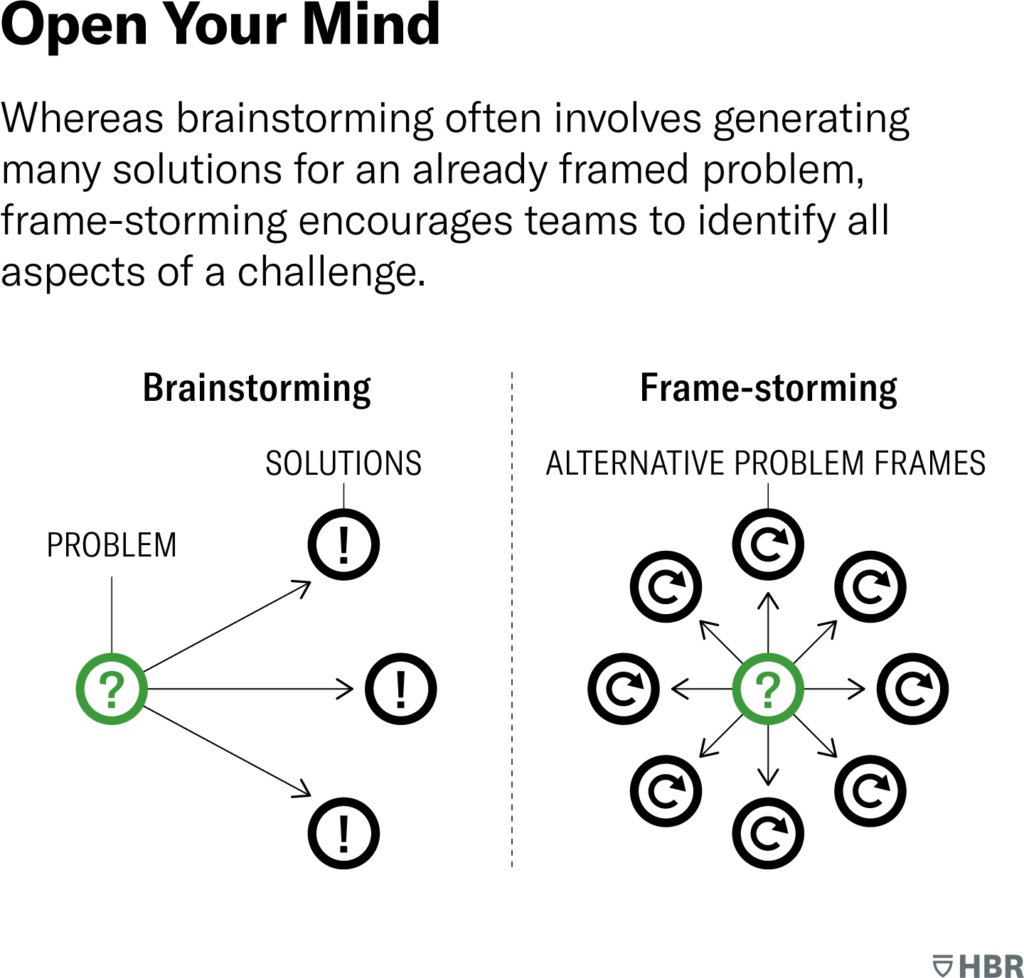
1) expand: identify multiple aspects of a problem
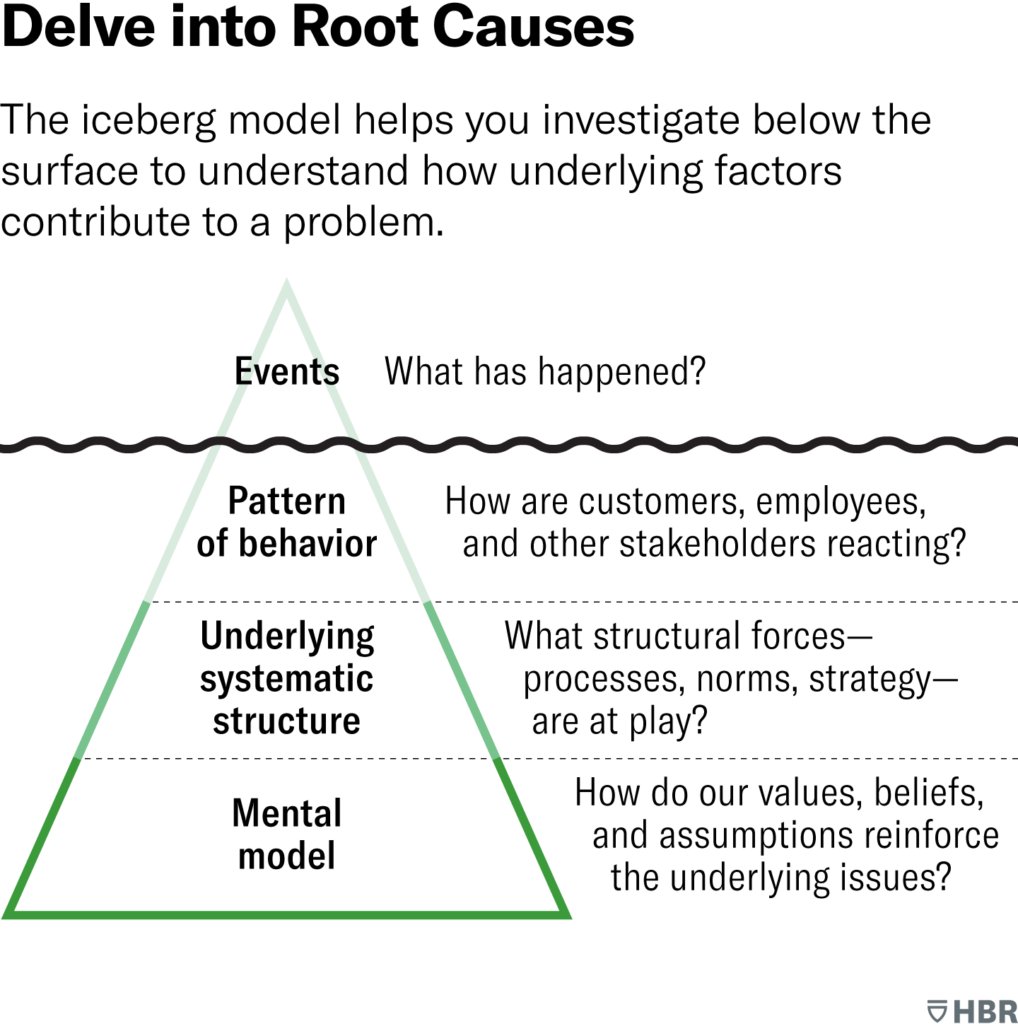
2) examine: dive into root causes
3) empathise: consider other's perspectives (& co-design)
4) elevate: put the problem into a broader context
5) envision: create a road map toward the desired outcome
The article contains some great graphic tools: https://t.co/BKluPTdIHa