I was asked this question as part of the Q&A on my recent theatre tour and I thought it would be helpful to share my answer here too.
Menopause is “natural” in the sense that every woman will experience it. But menopause is a permanent reduction of your hormone levels which can bring on wide ranging symptoms and an increased risk of inflammatory conditions and diseases. This isn’t something I believe women should have to just accept.
There is an evidence based treatment (HRT) available that, for most women, has more benefits than risks. You don’t have to take it - it is your choice. But I think it is important women have access to credible information so they can weigh up the benefits vs risk for them as an individual, and then make their own choice on whether HRT is the right treatment for them.
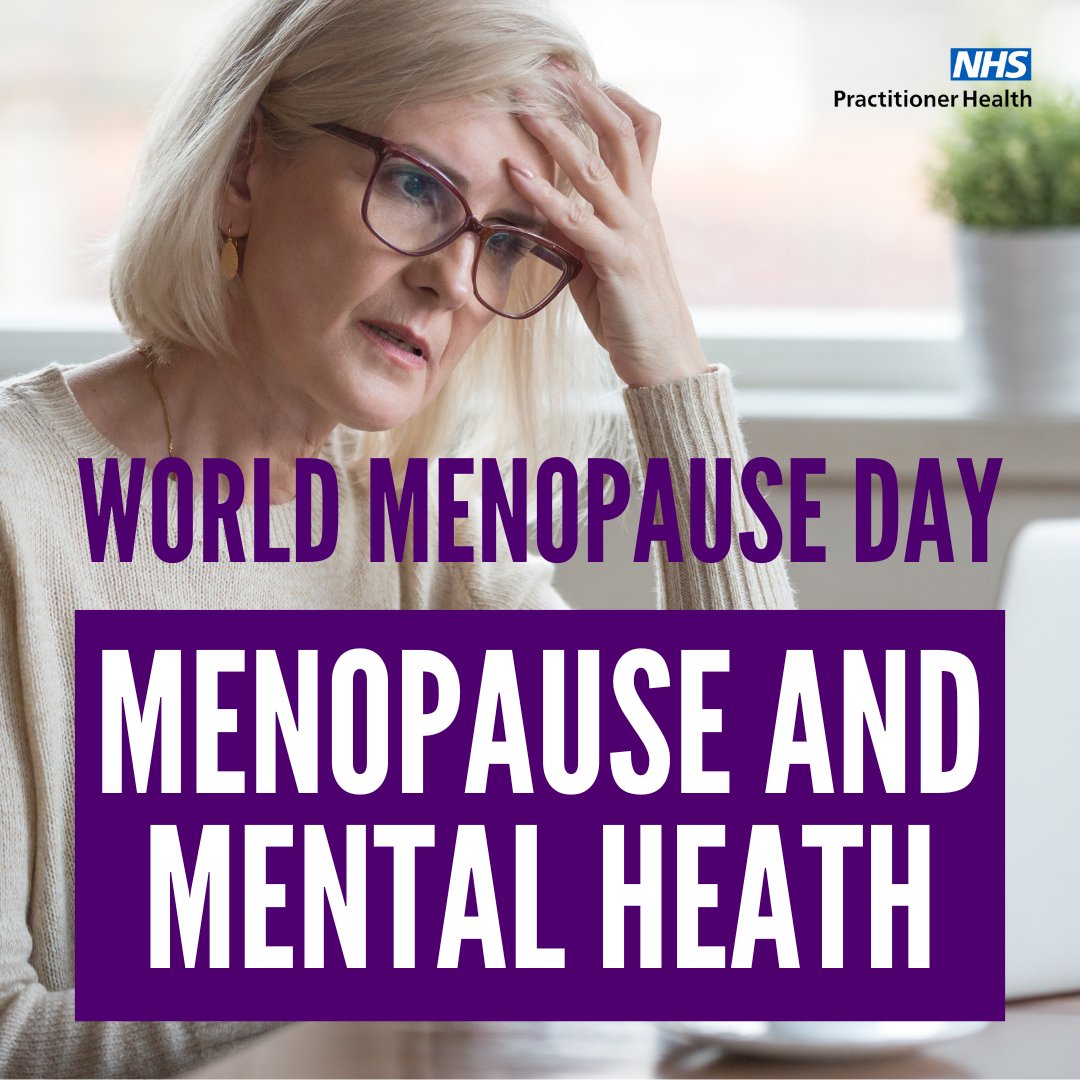
We know that perimenopause and menopause can impact mental health, which is usually due to fluctuating or low hormone levels as the hormones oestradiol, progesterone and testosterone have important functions in your brain.
For some women, they can also experience something called reproductive depression. Reproductive depression is a hormonally based depression that can come and go over the course of your reproductive life, including the perimenopause.
You might have reproductive depression if you experienced premenstrual depression (PMS or PMDD) and if you’ve had children, you may have suffered with postnatal depression. When you become perimenopausal, symptoms of depression might be at their worst yet (even though they can still fluctuate) and they may persist without the right dose and type of hormone treatment.
The underlying explanation for reproductive depression is that some women’s brains are much more sensitive to the hormonal fluctuations of the menstrual cycle, after pregnancy and during perimenopause. The female brain relies on mechanisms to adapt to the hormonal flux that happens every month and around pregnancy and perimenopause. When these adaptive mechanisms are not working as they should, it results in some women experiencing to a hormonal depression, particularly when levels of oestradiol, progesterone and testosterone decline.
If you are struggling with your mental health, please do reach out to your healthcare professional for help - there are many routes available for support and treatment.
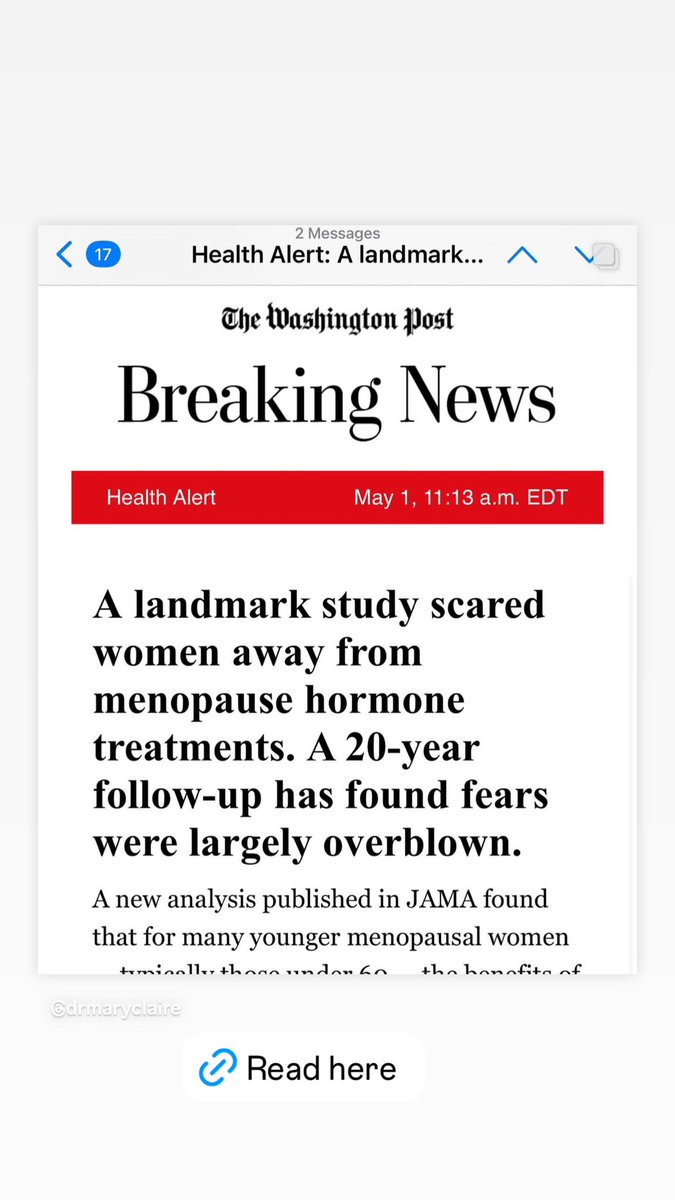
BMS, national & international guidance advises that if standard dose HRT is given to women with no contraindications to treatment and care is individualised, the benefits associated with HRT outweigh the risks. Women using HRT should have an annual review https://t.co/SBI6jpVvNN
Updated NICE menopause guidelines published today.
While it’s welcome to see HRT as the preferred treatment for the menopause, this is a disappointing update overall. The focus remains primarily on vasomotor symptoms – hot flushes and night sweats – which are, for many women, not the main symptoms of perimenopause and menopause. Most women experience brain symptoms – brain fog, low mood, anxiety, poor concentration, sleep disturbances, memory problems and fatigue – and these are things we know are unlikely to be alleviated in the long term by CBT, as suggested.
The guidelines also do not differentiate between older, synthetic HRT and the natural (body identical) hormones now more commonly prescribed – while the word “risk” is mentioned three times as often than the word “benefit”, these newer forms offer more benefit than risks.
The true risk comes in NOT taking HRT at all, with good quality evidence showing that low hormones during menopause increases the risk of heart disease, osteoporosis, type 2 diabetes, dementia, neurodegenerative diseases, clincial depression, autoimmune diseases and an earlier death. These diseases reduce in women taking hormones and life expectancy increases.
Women deserve to be fully informed and involved at every step of their healthcare consultation to make an informed decision on the right treatment or combination of treatments for them. While we have seen a rise in recent years in access to evidence-based treatments like HRT, a postcode lottery still exists, particularly for those from lower socio-economic backgrounds. Too many women are still struggling to receive HRT, and these guidelines will be confusing for both healthcare professionals and women.
Perimenopause and menopause is sorely under-researched and under-funded, and this must change. In the meantime, women deserve to have a choice, and those who want to take HRT should be able to have it prescribed. That HRT is now the frontline treatment is refreshing, but future documents and consultations must go further to ensure women get the treatment they deserve.
https://t.co/9tut2nB1SO
This #WorldMenopauseDay, it is important to understand the ways that perimenopause and menopause can affect someone's mental health in order to better support your colleagues, friends, and relatives. If you are unable to receive confidential support, register with us.
This needs to be repeated time and time again:
Pharmacists don’t “just hand out” whatever the doctor issued.
Thorough checks and balances are in place for a reason, and if you’re ever unsure of the reason - do me a favour and google Harold Shipman.
The pharmacist flagged it.
I think if I was England manager and I had wanted to win that game I would have asked the boys to score more goals than the Spanish team but that’s just me
I have written this blog post with the incredible @jayashrikulkar1 who is a consultant psychiatrist who understands the roles of our hormones oestradiol, progesterone and testosterone in our brains.
Body identical HRT has more benefits than risks for most women. Benefits include improving symptoms as well as improving future health.
Important to remember that our hormones oestradiol, progesterone and testosterone are biologically active hormones with many beneficial roles in our bodies.
These benefits and risks charts are worth a read.
https://t.co/BJSh9YJZ9V
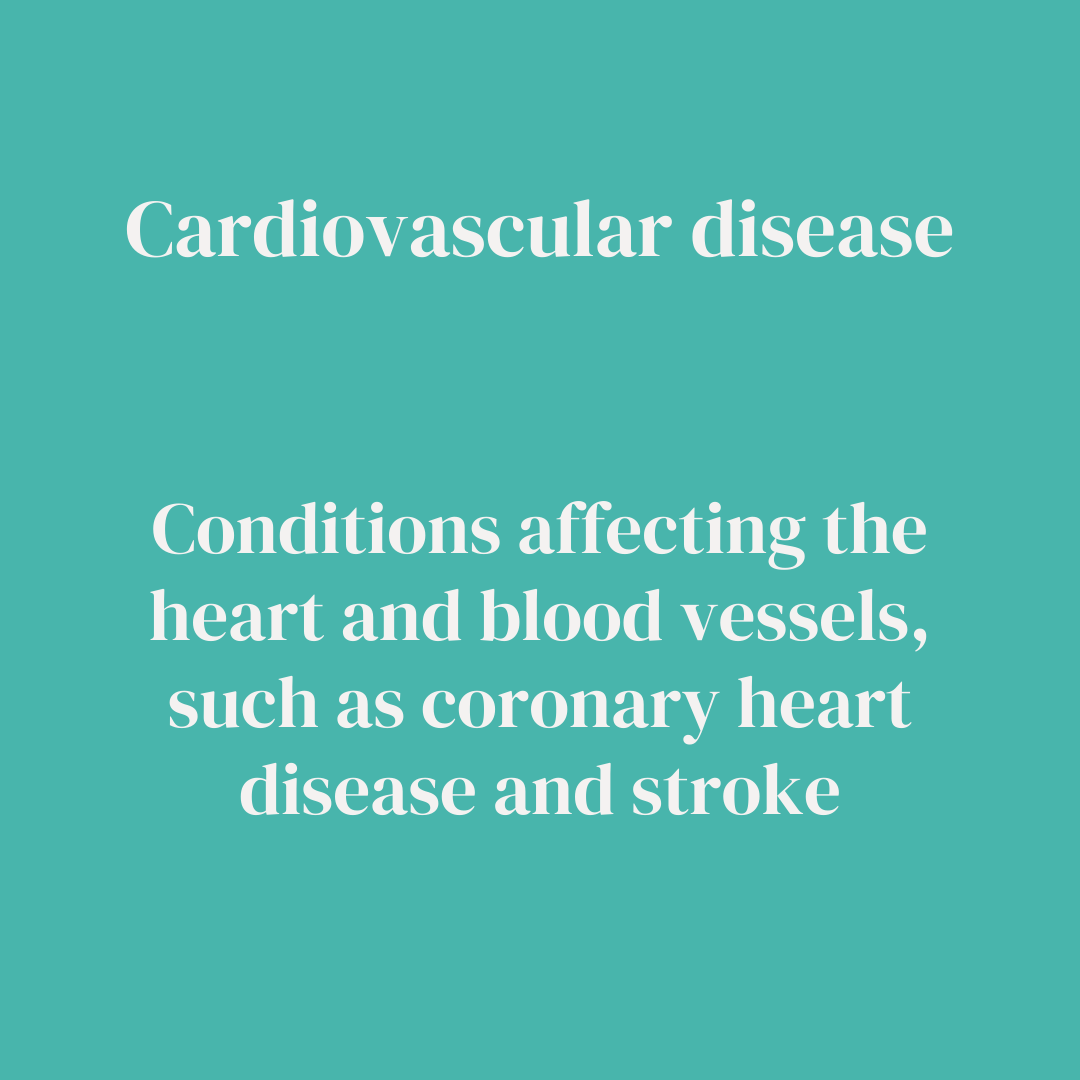
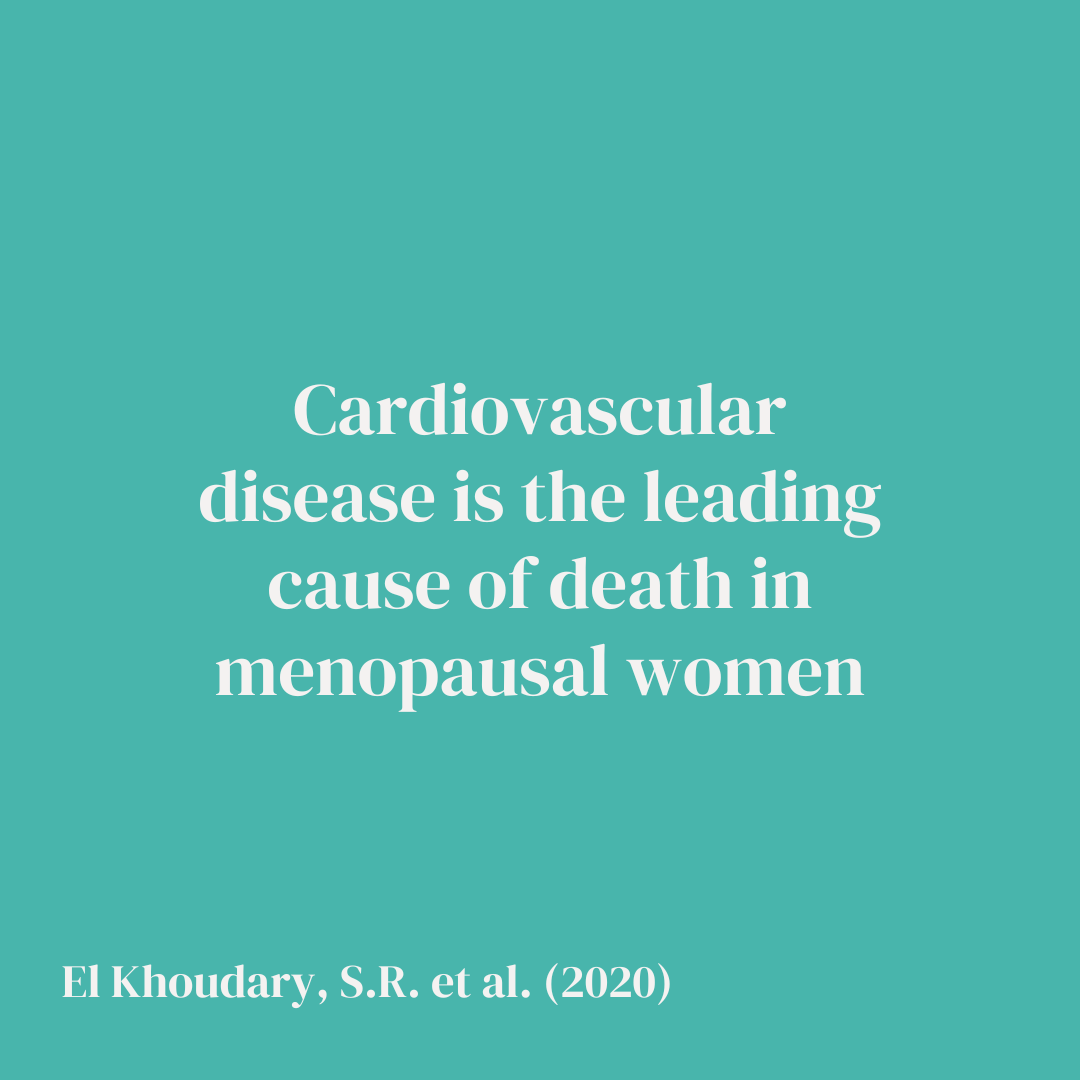
While cardiovascular disease is often thought to be more of a men’s health issue, it is actually the leading cause of death in menopausal women.
We often think of oestrogen in terms of our periods and reproduction, but 25 years ago this article in the New England Journal of Medicine clearly stated that there are both direct and indirect beneficial effects of oestrogen on our cardiovascular system.
Oestrogen (and testosterone) have important functions in the function of the lining of your blood vessels, the muscular tone of your blood vessels and also the function of your heart.
Oestrogen allows your blood vessels to relax and widen, so that blood can flow through them easily, which helps to regulate blood pressure.
The drop in oestrogen that happens during the menopause may raise your blood pressure, and this is linked to a higher risk of heart disease and heart attacks.
Oestrogen also acts as an anti-inflammatory in the lining of your blood vessels and increases levels of various chemicals that help to protect your cardiovascular system from disease, such as nitrous oxide and prostacyclin. It also reduces levels of antithrombin III, protein C and protein S so it can reduce risk of clots too.
Also, when oestrogen falls, the cholesterol in your blood often rises, which can also increase future risk of heart disease.
The cost of this absurd piece of electoral desperation is £2.5 billion per annum.
So when Sunak insisted he couldn’t possibly afford the £2 billion per annum needed to increase junior doctors’ pay, he was - again - lying.
“Who is going to supervise them? Who is going to train them? Who is going to compensate them for lost earnings?”
More than 800 Mumsnetters have voted in this poll on plans to reintroduce National Service so far - with 70% strongly opposed #GE24
https://t.co/5Tp3orcQvC
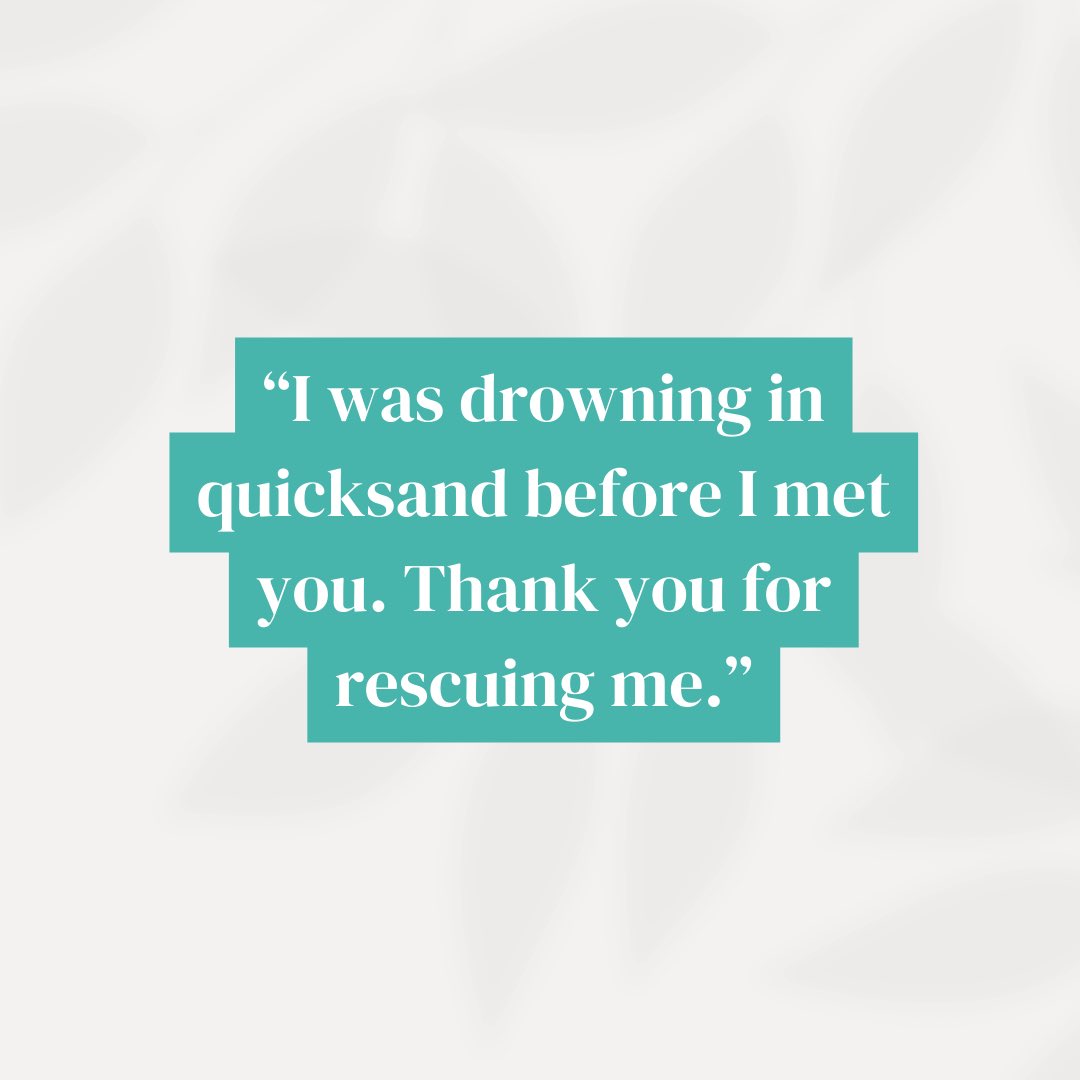
These are words from a patient I reviewed last week in my clinic. She had been incorrectly told she could never be prescribed HRT. She had given up her job as a senior nurse and could no longer look after her elderly mother due to her menopausal symptoms including brain fog, memory problems, overwhelming fatigue and anxiety.
In addition to her menopausal symptoms, her concerns were more about her risk of both osteoporosis and dementia without taking HRT. The combination of HRT and testosterone has transformed her life over the past 6 months and she is now back at work. She no longer has any menopausal symptoms. I have recorded a podcast with her which is very empowering and gives a real insight to how she was suffering alone before I met her – this will be released soon.
Women in wealthier areas are twice as likely to receive HRT, research finds - @DailyMailUK Also many medical schools do not have menopause on their curriculum. SO much needs to change to improve women’s health. ALL women deserve access to HRT https://t.co/5BWD4ZVp6U
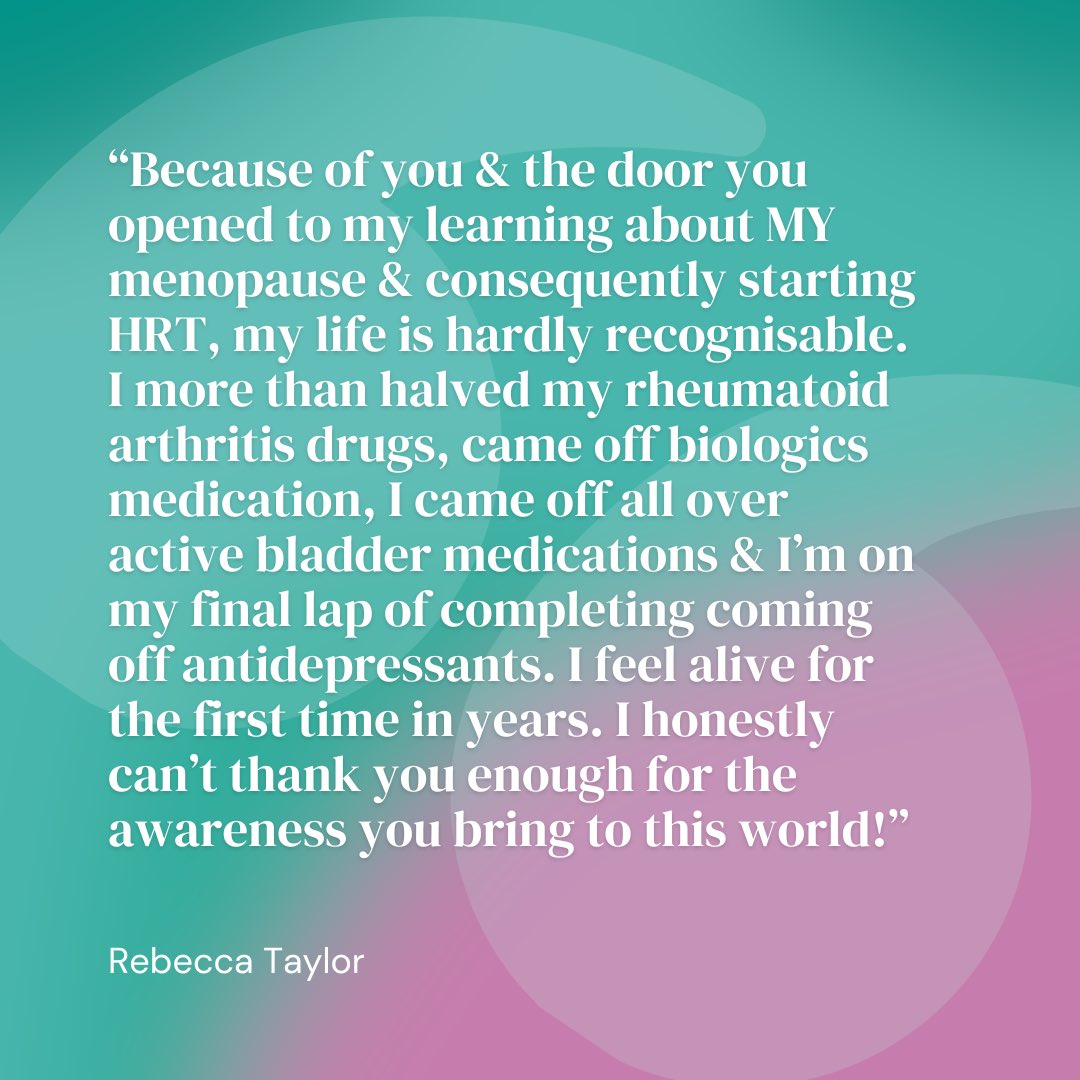
Such an important part of my work is helping women to feel better and live a healthy life. We know there are so many symptoms associated with perimenopause and menopause and lots of women end up taking numerous medications trying to treat individual symptoms, when often the reason they are experiencing a particular symptom is due to low hormone levels.
It’s very common that when women have the right dose and type of HRT and testosterone, their symptoms reduce and they end up, like Rebecca Taylor explains here, being able to take less other medications because they are treating the underlying cause for their symptoms.
This is so important to think about when considering the costs of menopausal women not being prescribed HRT. Surely it makes economic sense to invest in women and make sure they have access to evidence based care and treatment for their menopause and future health?
Menopausal women don’t need ‘quiet rooms’. We need HRT or other treatments, so our careers can continue uninterrupted without symptoms. My article in @thetimes https://t.co/C4u34mG5fS