Jessen et al. published a systematic review with meta-analysis last month assessing pharmacological interventions for acute hyperkalemia. It challenges much of what we've been taught.
Here's the general gist:
-Insulin works
-Inhaled beta-2 agonists work
-Bicarbonate does not work and may be associated with worse outcomes in the setting of cardiac arrest related to hyperkalemia
-Calcium does not work without ECG changes
-Calcium does not work with ECG peaked T-waves
-Calcium probably does not even do anything in the setting of ECG changes (that teaching is based on 🗑 case series data that would never be accepted as high-quality data by any modern standard)
-Calcium may worsen outcomes in the setting of cardiac arrest assumed to be due to hyperkalemia
https://t.co/U2KNpRGuZS
#emergency #emergencymedicine #criticalcare #icu #erlife #iculife #science #army #armymedicine #armyemdoc #resuscitation #research #data #potassium #kidney #medx #medtwitter
When you’re asked to localize the lesion in a patient with aphasia, do you suddenly feel speechless?
At a loss for words to categorize the type of aphasia?
Never fear—here is the decision tree for patients w/aphasia and the associated anatomic correlates
Three main questions:
1. Fluency? Nonfluency indicates damage to the FRONTAL language regions anterior to the fissure of Rolando
2. Comprehension? Impaired comprehension indicates damage to the TEMPOROPARIETAL language regions posterior to the fissure of Rolando
3. Repetition? Impaired repetition indicates damage within the core PERISYLVIAN language zone
The answers will lead you both to the type of aphasia and the location of the lesion.
Keep this figure with you for quick reference—and then when you’re asked about a patient with aphasia, you will have a lot to say!
Having some mild cognitive impairment trying to remember dementia patterns on imaging?
Is looking at dementia PET scans one of your PET peeves?
Have short-term memory loss when you read about dementia imaging?
Here’s a way to remember dementia patterns so you will never forget!
Major dementia imaging patterns:
Alzheimer’s disease (AD)
—AD has a Nike swoosh pattern—with decreased metabolism in parietal & temporal regions
—Remember when you see the Nike swoosh patter, just call it!
Dementia w/Lewy Bodies (DLB)
—Temporoparietal hypometabolism like AD but also involves occipital cortex, specific for DLB.
—DLB also extends farther to the ant. temporal cortex.
—Remember, regions of hypometabolism look more like an L. And Lewy starts w/an L
Frontotemporal Dementia (FTD)
—Frontal & temporal hypometabolism as expected, but extends along the anterior cingulate gyrus
—Anterior cingulate involvement makes the hypometabolism looks like a lowercase letter f—and frontotemporal starts with f
Posterior cortical atrophy
—Can be from AD or DLB & has hypometabolism in the occipital & post. temporal lobe, sparing the anterior temporal lobe
—Sparing the anterior temporal lobe makes the involvement look like a C instead of an L like DLB.
—So remember pCa
Vascular dementia
—Vascular dementia has a variable distribution, depending on the regions infarcted (V is both for Vascular & Variable)
—Wedged shaped regions of hypometabolism corresponding to cortical infarcts—looks like an inverted V
This list isn’t all inclusive & there can be variations or even mixed dementias
But hopefully this gives you a starting point you won’t soon forget!
Once your laryngoscope is in the vallecula be sure to engage with the hyo-epiglottic ligament to get the best view of the airway (Don’t pick up your laryngoscope too shallow or push it in too deep)
#REBELEM#Intubation#Resuscitation
Correct Answer: A) Anomalous coronary artery.
Thanks to everyone who gave their answers! You can learn more on @CASEfromASE here: https://t.co/8wDiyXQagP
This looks interesting
Effect of lung ultrasound-guided fluid deresuscitation on duration of ventilation in intensive care unit patients (CONFIDENCE): protocol for a multicentre randomised controlled trial
CCR Journal Watch
https://t.co/Sp06oA7gte
Sharing experiences of my #fitness journey
Could be of help to those who have planned to start theirs in 2023
1. My earlier self:Weighed 100 kg, could walk 5 km with great difficulty
Negatives: Worked 16-17 hours/day; slept 4-5 hours; overeating, indulged in junk food and sweets
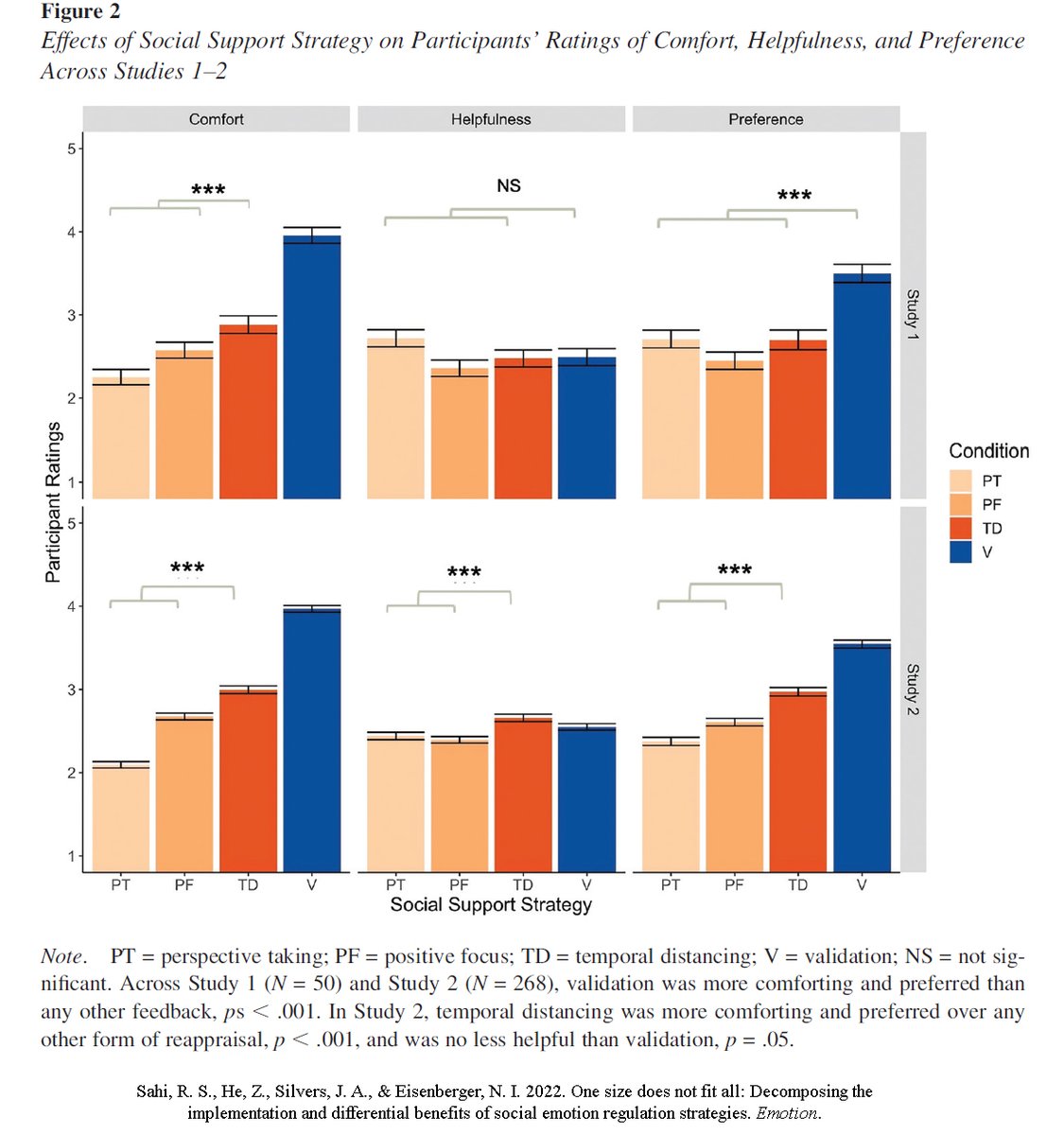
When people are hurting, our first instinct is to change their feelings. What often helps them more is validating their feelings.
Sharing your perspective is less comforting than showing you understand their perspective.
Emotions need to be recognized before they're regulated.