Toolkit entry 1⃣3⃣ "Why the hell do you want to work on that?" where Amy Burrell @unibirmingham shares experiences, advice, and tips about working in crime. https://t.co/m7kQ0cJ3Gb
Are you a student, teacher, member of support staff or researcher in #STEM or #HASS? We invite you to fill out our survey about your experience researching or teaching topics of a distressing nature. 1/3
https://t.co/BdwDKfcjCX
Want to be updated on University of Edinburgh-based mental health research opportunities, events and more? Subscribe to our mailing list by contacting us at: [email protected]
Are you an ECR working on Mental Health Research? No matter your discipline, Edinburgh Mental Health want to hear from you! What kind of networking, development or training events would you be interested in attending? How can EMH support you?
Still welcoming female-identifying academics for a couple more weeks if you’d like space to share about your mental health in UKHE workplaces…see link in thread below if you’d like to participate and help us learn!
New Blog 🚨
https://t.co/aN1PaUEA3Y
@arreola_kathia speaks about ‘building her own path’ as a researcher, and using a visual and emotional diary. 📔
"The diary is sometimes a mirror, other times a canvas, a window, or a map" 🪞🖼️🗺️
#emotionalresearch#researchdiary#phdchat
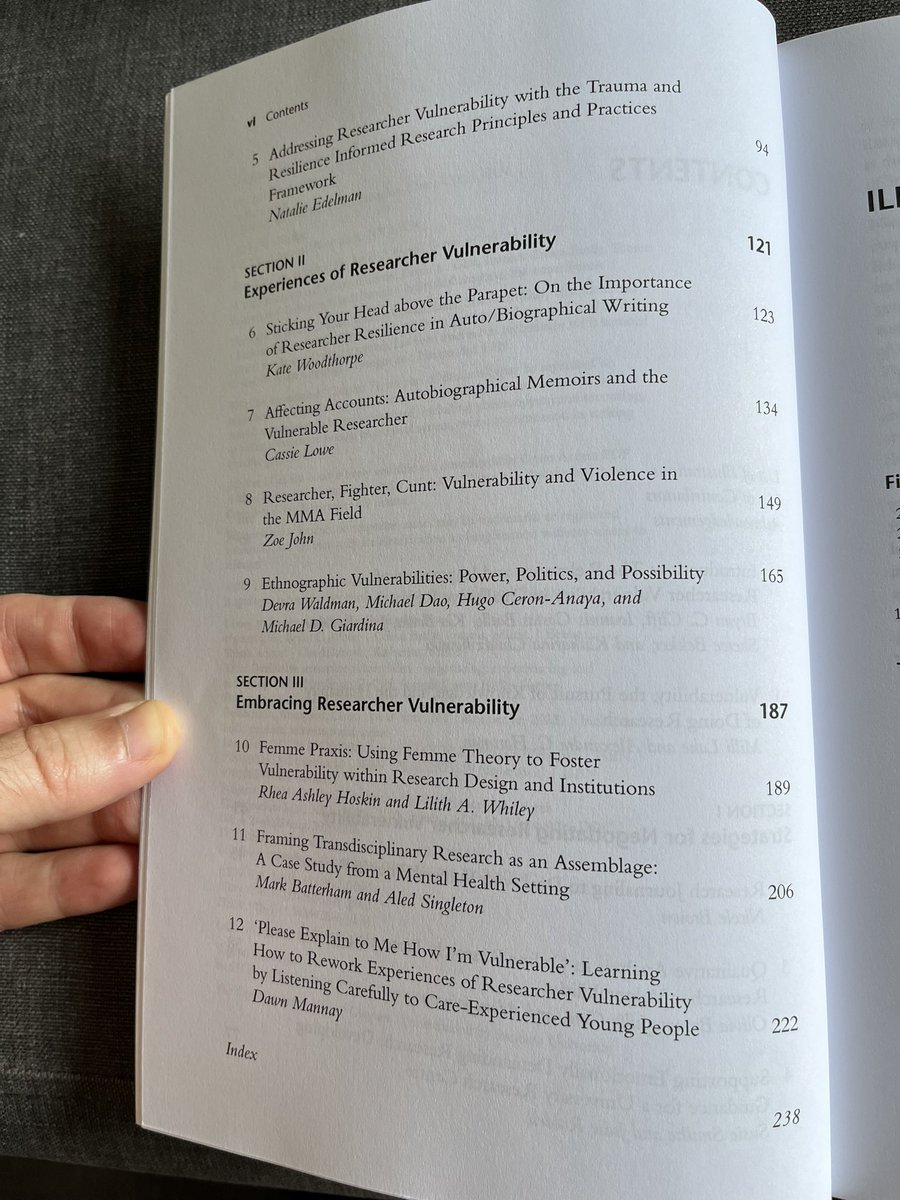
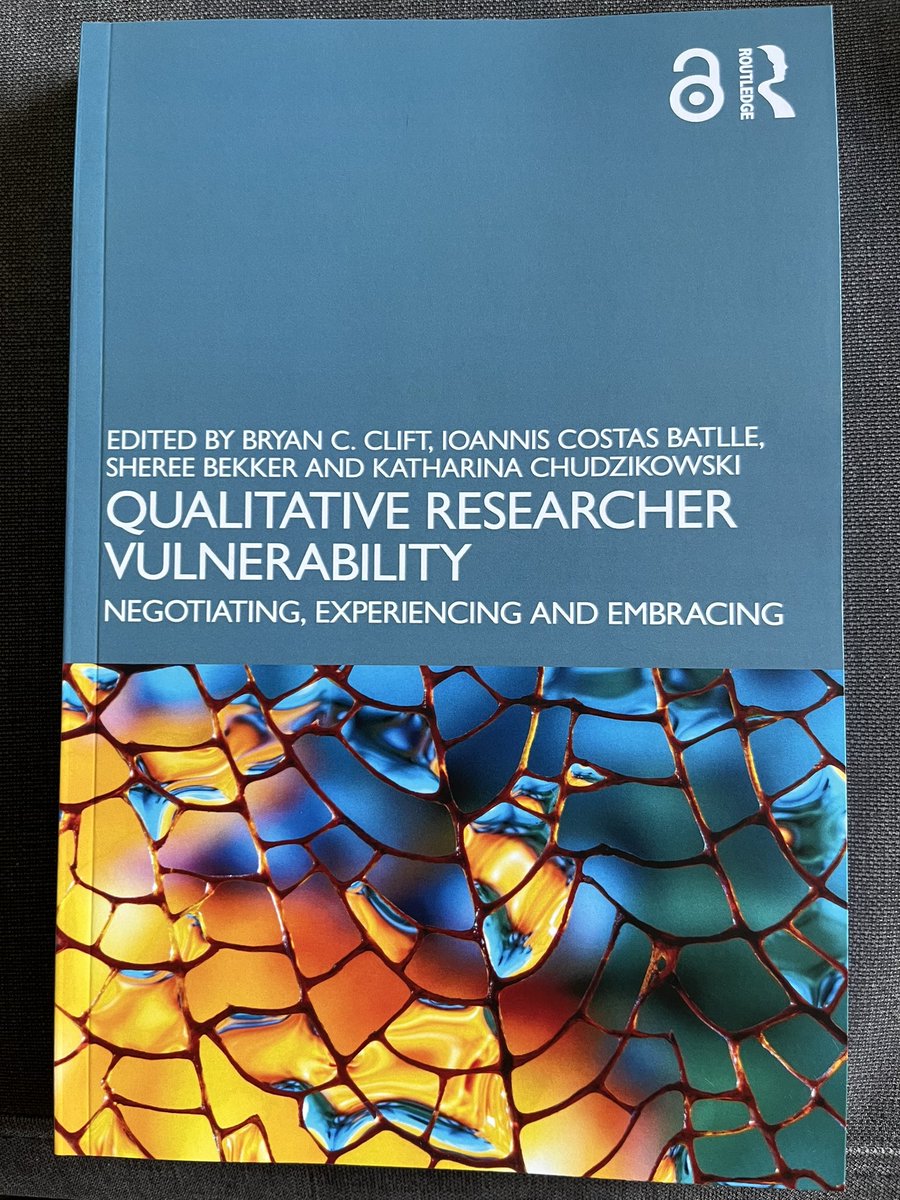
Really pleased to see this work collective work out now. Wonderful explorations of researcher vulnerability in qualitative research from scholars in multiple disciplines. An excellent group to work with!
Some weekend reading…New book chapter from me & @JulieR282 is now available (OA). Very grateful to @BryanCClift & fellow editors @CQRBath for inviting us to contribute and to @theSPHSU who supported us to do the work on which the chapter is based – Susie https://t.co/JZXIguXfit
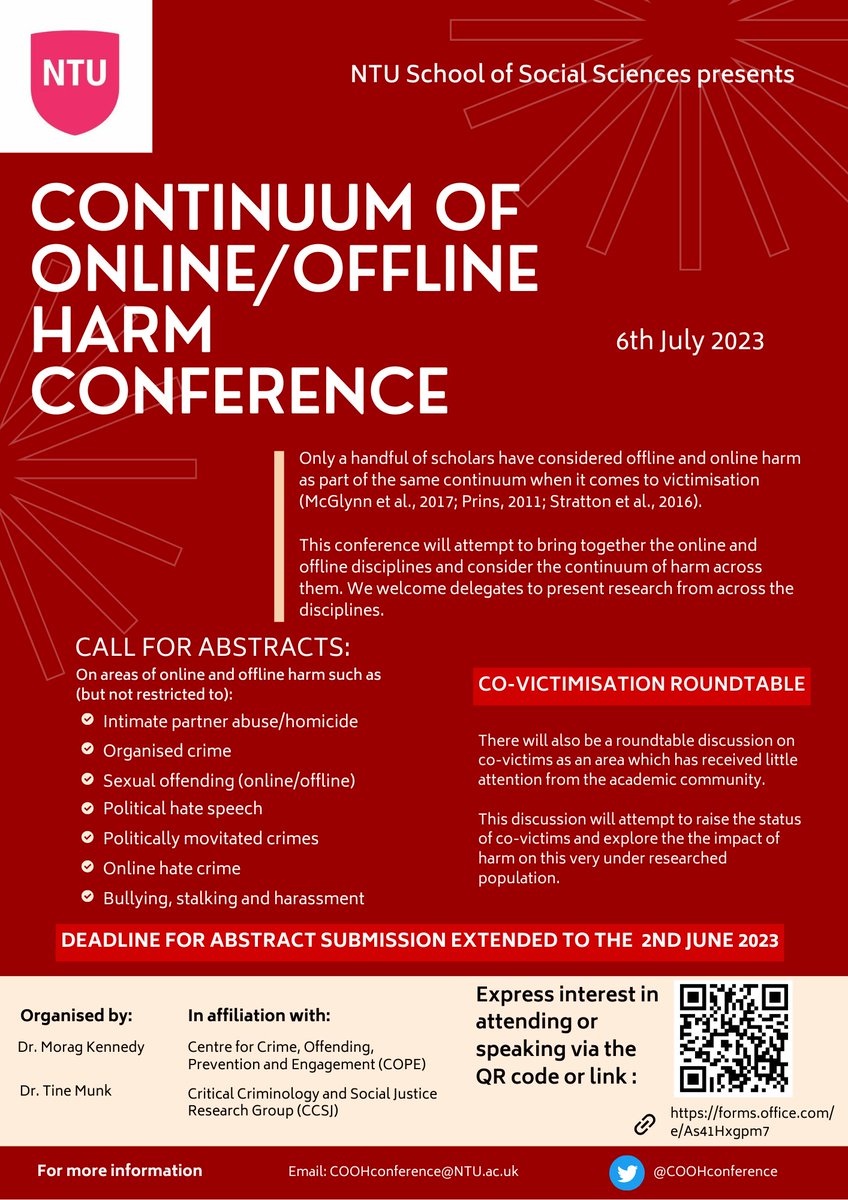
Our Continuum of Online/Offline Harm Conference 2023 is now less than two weeks away!
Register your attendance via the following link (please follow instructions to register for virtual attendance):
https://t.co/ws7TWDpFPV
@NTUSocSciences@CCSJ_NTU@BritSocCrim
New blog post!✍️
DRNS Research Coordinator, Hannah Hale, provides some insight into her experiences as a #researcher navigating often challenging and sensitive subject areas. She questions what can be done to provide further researcher support.
Read here👇
https://t.co/y2H6MB47IV
New publication alert! 🚨
‘To be honest, it’s complicated’: training postgraduate students to work with emotions in qualitative research
By @JoFerrie and @DrSGreenwood
https://t.co/lXJnaQPUn0
#HigherEd#QualitativeMethods#Reflexivity#Emotions
Are you researching emotionally demanding topics? RES-WELL are developing a toolkit for PIs, institutions & funders to support the wellbeing of researchers throughout their careers. Complete this survey to contribute to this research: https://t.co/Gtg9z3urhS
Brilliant training resource from @NHERI_CONVERGE Although the focus of their work is in the context of disaster/extreme events research, the training module on Conducting Emotionally Challenging Research has lots to offer those working in different areas https://t.co/8OkdXddLsj
Julie & I (Susie) are really grateful to @CQRBath for inviting us to contribute a chapter to this book. The chapter is based on work we did @theSPHSU developing guidance on planning & supporting Emotionally Demanding Research (that eventually led to establishing this network💛)
Preview of the forthcoming book… most exciting! Qualitative Researcher Vulnerability: Negotiating, Experiencing and Embracing @_Julie_Gore @liv_brown20 @MilliLake @ncjbrown https://t.co/u34dEvtZoU
Thanks to all who came along to our seminar today, and to our speaker Erin for sharing her research on (and experience of) online harassment and how to manage it. All welcome to future seminars regardless of geographical location, please use link in bio to sign up to network 🧡