Colorado vs Oklahoma. In the video: St. Paul HC Mike Moschetti, Miami Dolphins AHC Jon Embree, former LV Raiders Head Coach Tom Cable. Moschetti went head-to-head with current Tennesse HC Josh Heupel. OU staff included Mike Leach, Bob Stoops, and current OU HC Brent Venables.
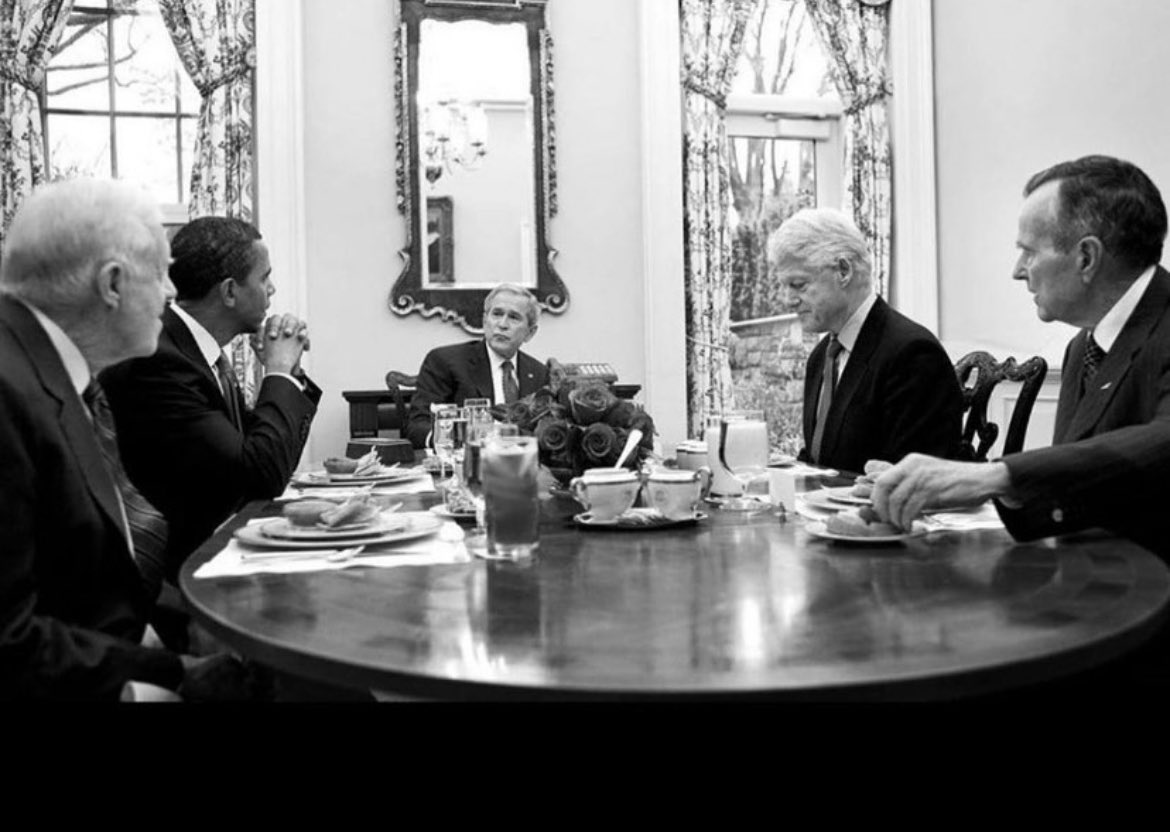
In a remarkable display of bipartisan unity and American tradition, on a cold day in January 2009, outgoing President George W. Bush extended an invitation to President-elect Barack Obama and all living former U.S. presidents for a special lunch at the White House. This gathering held significant meaning as it took place just two weeks before the peaceful transfer of power from one administration to another, a cornerstone of American democracy.
Despite being from different political parties – George W. Bush, a Republican, and Barack Obama, a Democrat – they set aside their differences and met privately for about 30 minutes before the wider gathering. During this private meeting, they likely discussed the various challenges and responsibilities that the incoming President Obama would soon be facing. The meeting demonstrated the essence of the American democratic system, where political rivals can come together and ensure a smooth transition of power.
Following their private meeting, the two former Democratic presidents, Jimmy Carter and Bill Clinton, and the elder Republican statesman, George H.W. Bush, who was the father of the outgoing president, joined the scene. They gathered in the iconic Oval Office, with journalists present to capture the historic moment. It was a symbolic and heartwarming gesture, as it marked the first time in 27 years that all living former U.S. presidents came together at the White House.
Standing side by side in the Oval Office, the leaders represented not only their respective political parties but, more importantly, the spirit of unity and shared dedication to the nation they had all served. George W. Bush expressed gratitude to President-elect Obama for joining the gathering and emphasized a message of support and goodwill. "I want to thank the president-elect for joining the ex-presidents for lunch," Bush said, with Obama nodding in agreement.
The younger Bush's words conveyed a powerful sentiment that transcended party lines. "One message that I have, and I think we all share, is that we want you to succeed. Whether we're Democrat or Republican, we care deeply about this country," Bush stated. It was a statement that resonated with the American people, reassuring them that the leaders, despite their political differences, ultimately had the best interests of the nation at heart.
This gathering of former and future presidents showcased the essence of democracy and the peaceful transfer of power that has been a hallmark of American governance. The event was a poignant reminder of the enduring strength and resilience of the United States, capable of navigating political changes while upholding its core values.
As President Obama prepared to take the reins of power, the lunch with his predecessors served as a symbolic torch-passing, signifying that he was stepping into a long line of leaders who have shouldered the immense responsibility of the presidency and aimed to make the nation better for all its citizens.
In the years to come, this historic gathering would be remembered as an exemplary display of unity, respect, and the unwavering commitment to the ideals that make America great. It would serve as a beacon of hope and inspiration, encouraging future leaders to put aside partisanship and work together for the greater good of the nation they serve.
British Prime Minister Margret Thatcher famously once said, “Europe was created by history. America was created by philosophy.” Nearly all European nations trace their beginning to a common ethnic kinship or a cultural characteristic, but America was created by exiles united in voluntary assent to shared political beliefs. That’s why British writer G. K. Chesterton visited the United States for the first time and remarked that America was “a nation with the soul of a church,” not because of its religiosity, but because of a common creed enshrined in “sacred texts” of the Declaration of Independence and Constitution.
In 1776, a near-miraculous stew of ideas and leaders came together to form a Declaration of Independence, and 11 years later an equally miraculous gathering formed the Constitution, both centered on a belief in universal human dignity.
Government does not grant you the right to free speech, assembly, religion, press, protest, or redress of grievances. We believe that these rights are inalienable and government’s role is simply to protect those rights and ensure human dignity. Government is just a tool, not a source. That’s really a remarkably profound idea we take for granted and fail to celebrate enough.
Of course, the sad irony is that the very Founders who argued these ideas so frequently fell short of those same principles. Some owned slaves, and nearly all opposed equal rights for women. So it naturally caused upheaval when nineteenth century Americans increasingly adopted a view held that “All men are created equal,” including black Americans, and a few generations later it came to encompass women as well.
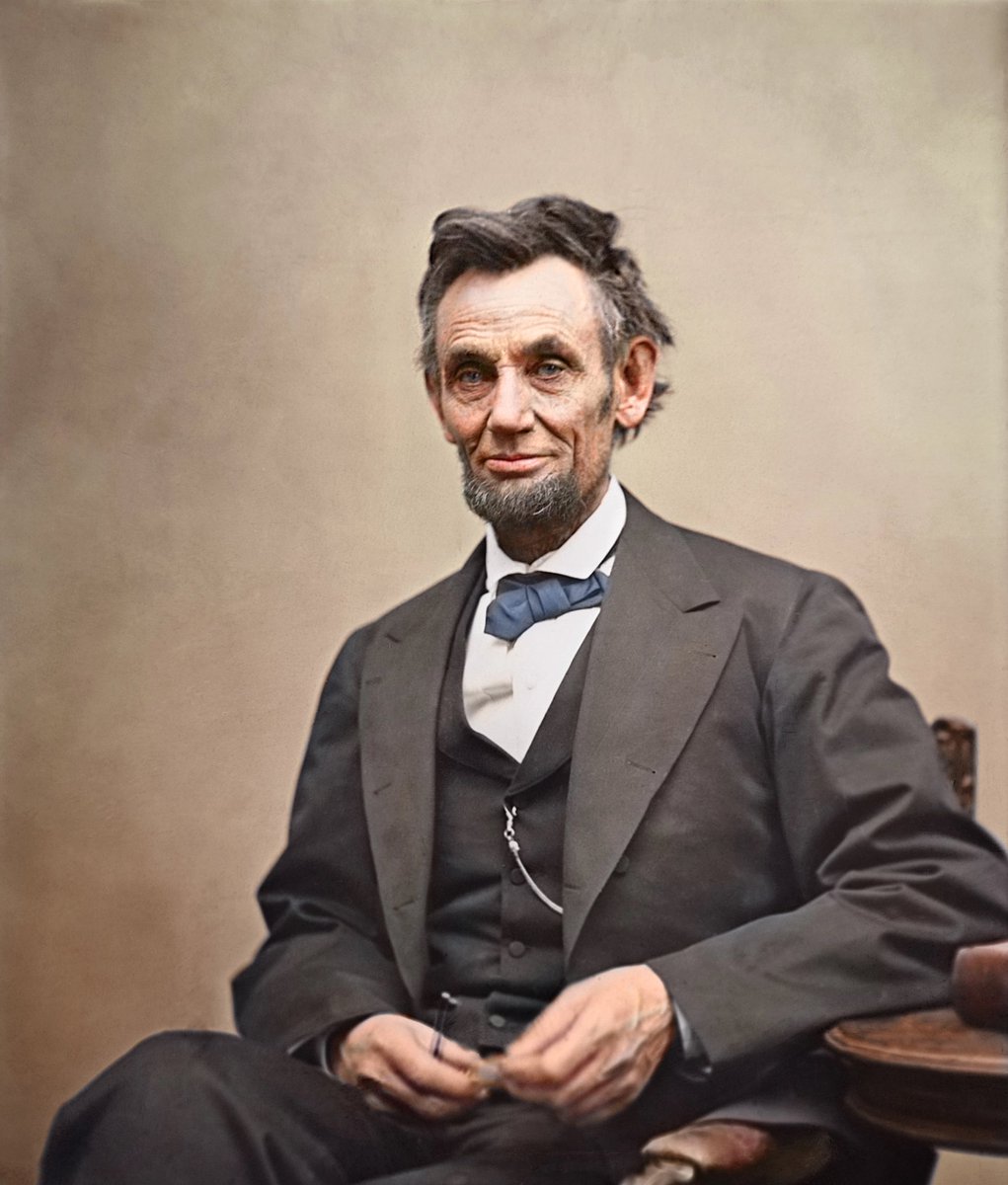
Abraham Lincoln believed that the Declaration of Independence did not necessarily proclaim people equal in all respects. Instead, it meant that all people were created with certain equal, inalienable rights—they are ours by right of simply being human—among which are “life, liberty, and the pursuit of happiness.” A free society should always strive to achieve these equal rights, even if, as in the case of the Founders, it fell short of that goal in the past. The Declaration’s concept of equality is an aspiration, Lincoln said, “constantly looked to, constantly labored for, and even, though never perfectly attained, constantly approximated, and thereby constantly spreading and deepening its influence and augmenting the happiness and value of life to all people, of all colors, everywhere.”
That is the genius of Lincoln’s argument: that the Constitution is concrete (at least until amended), but the Declaration of Independence is aspirational, and the American project is a move toward the aspiration.
Despite its roots in American independence, the 4th of July is incomplete without understanding and celebrating Lincoln too. His unique view of the Declaration as an aspirational goal helped properly frame American independence for what it was and what it was bound to be.
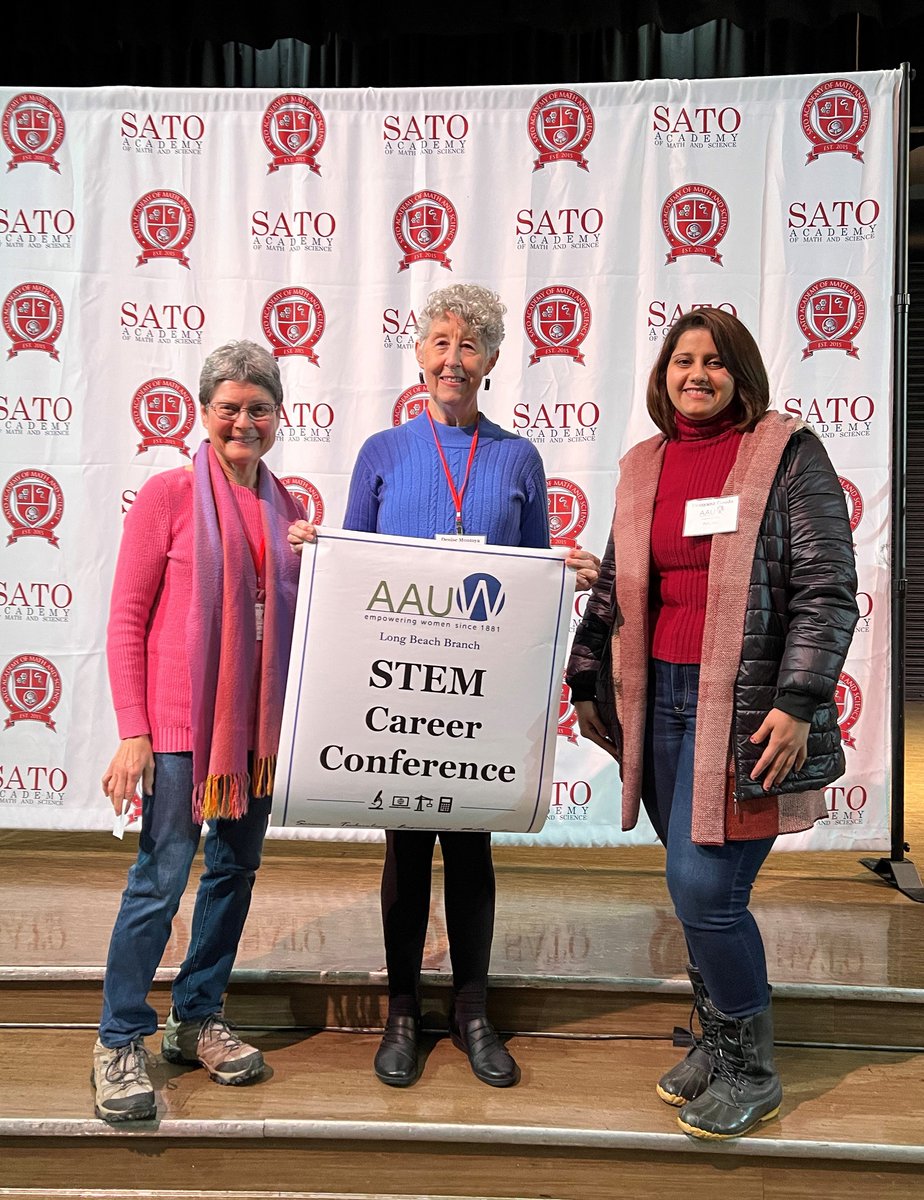
P2S Inc. recently sponsored the 19th Annual AAUW Long Beach STEM Conference held at Sato Academy. Our very own Demyana Gouda represented P2S and met with several middle school girls to discuss her role as an Electrical Design Engineer.
P2S Inc COO and Vice President Kent Peterson will be speaking at the ASHRAE Winter Conference in Atlanta in one week on Tuesday, February 7.
Atlanta is the home of the new ASHRAE Global Headquarters, and the Winter Conference will be held in person from February 4-8.