We are going to walk you through the 12-hour livestream with Inna
You can tune in and listen to the names of people executed under the Soviet regime, one by one.
Here's the YouTube link: https://t.co/RFATB8xDpd
You can support Returning the Names at https://t.co/4BIpbicGak
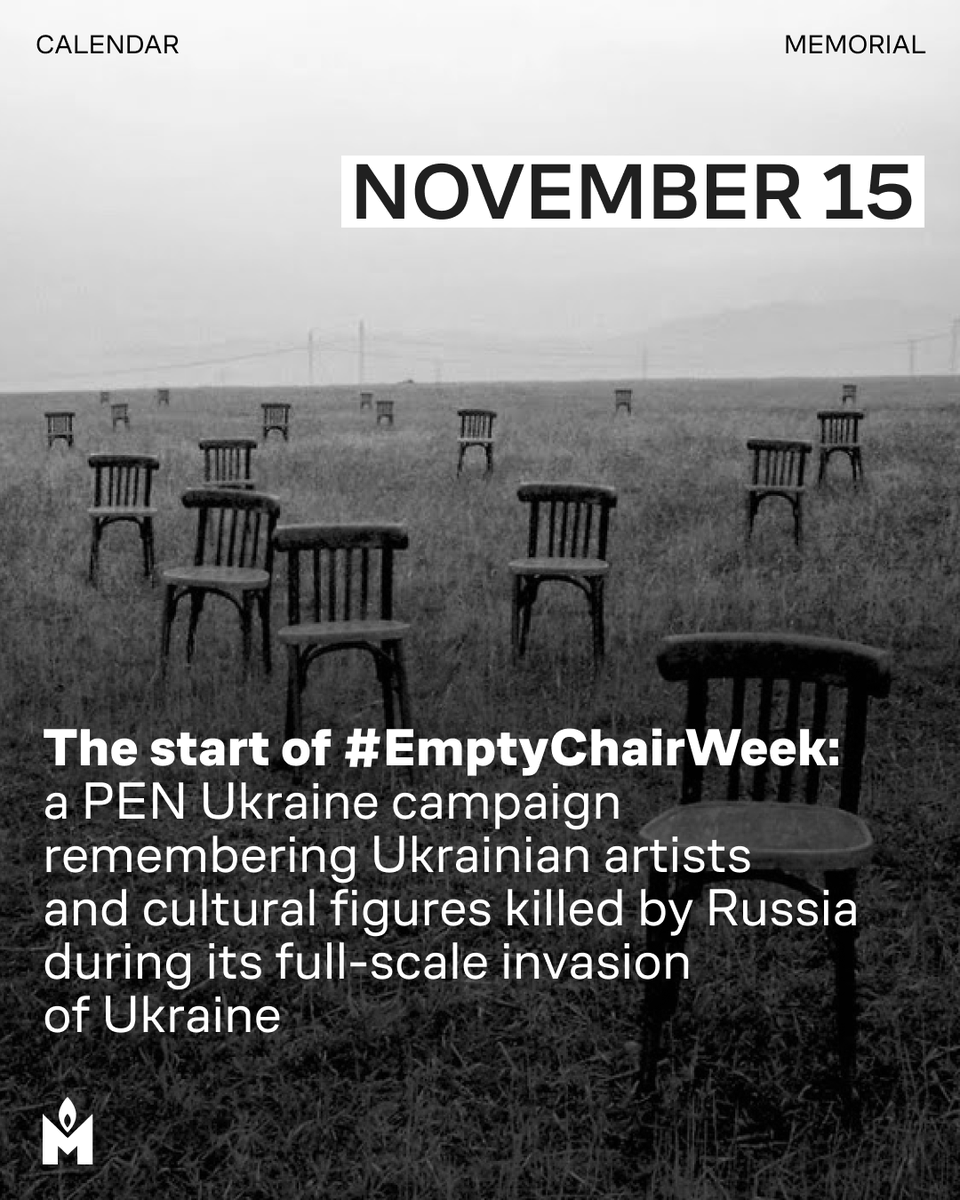
What is #EmptyChairWeek?
Launched by PEN Ukraine, #EmptyChairWeek honours Ukrainian writers, artists and other cultural figures killed in Russia’s full-scale invasion. It coincides with International PEN’s Empty Chairs Day, when an empty chair represents a writer who cannot be with us because they are imprisoned, persecuted, missing or have been killed.
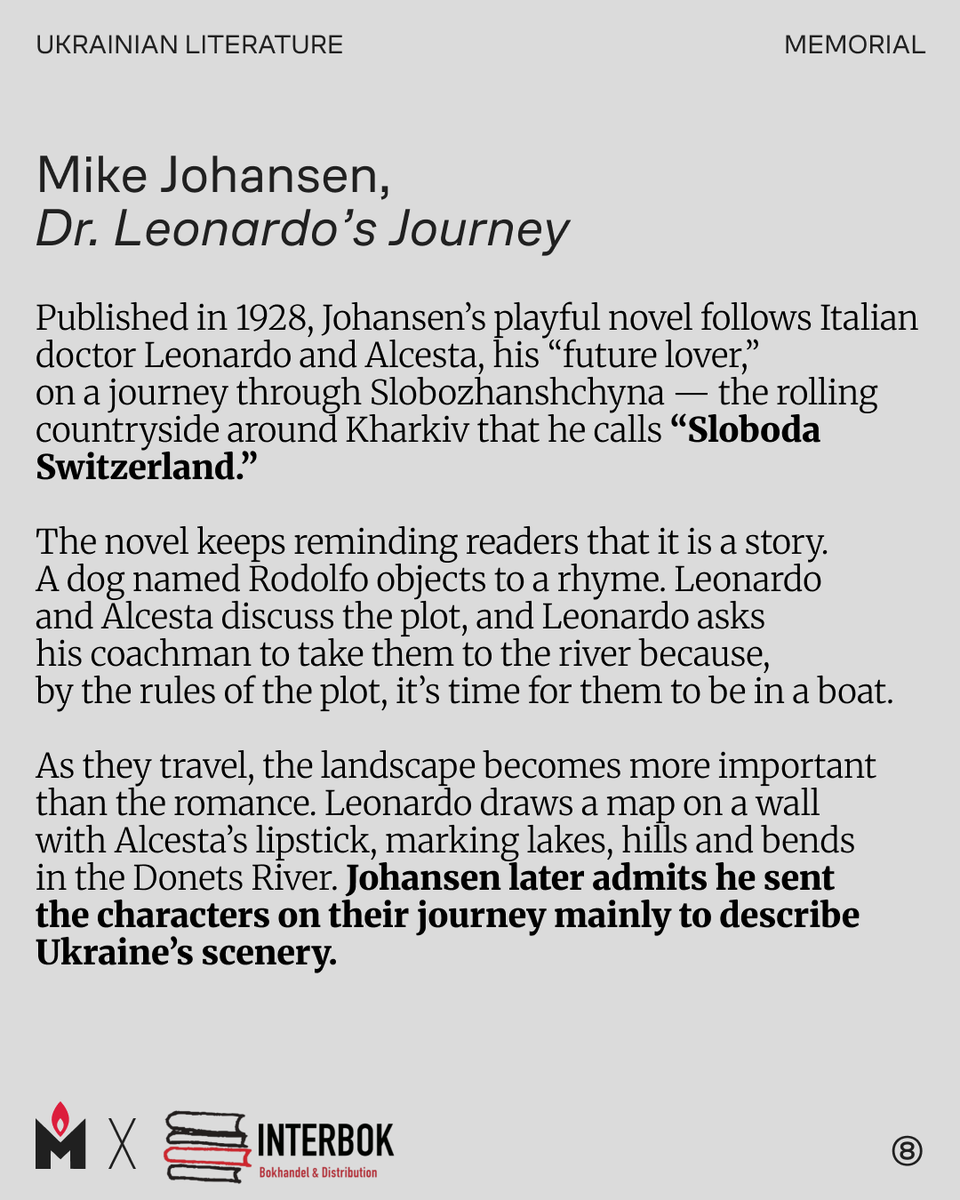
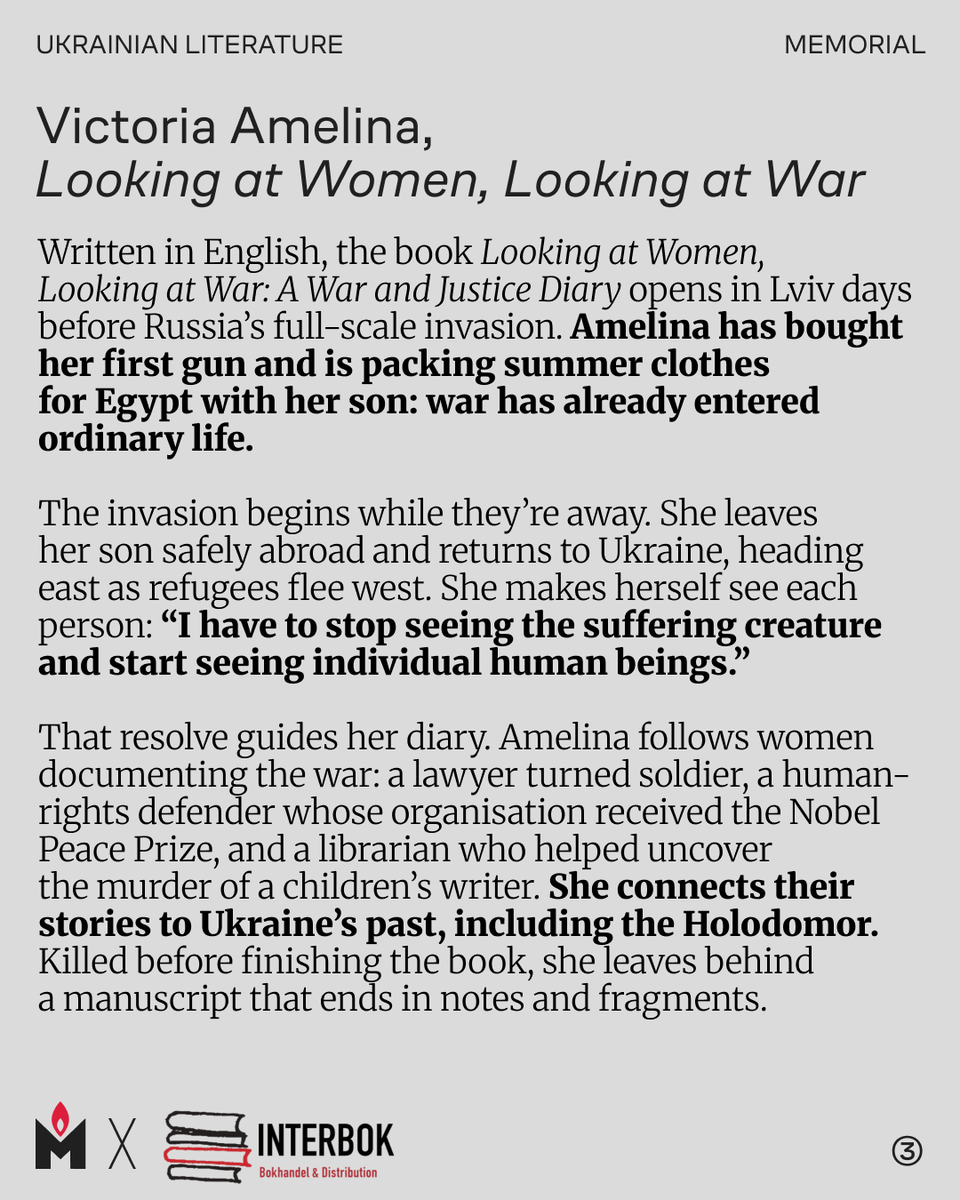
Together with the independent bookshop Interbok, we’re joining the campaign by sharing books by four Ukrainian writers whose lives were cut short by Russia’s war against Ukraine and Soviet terror
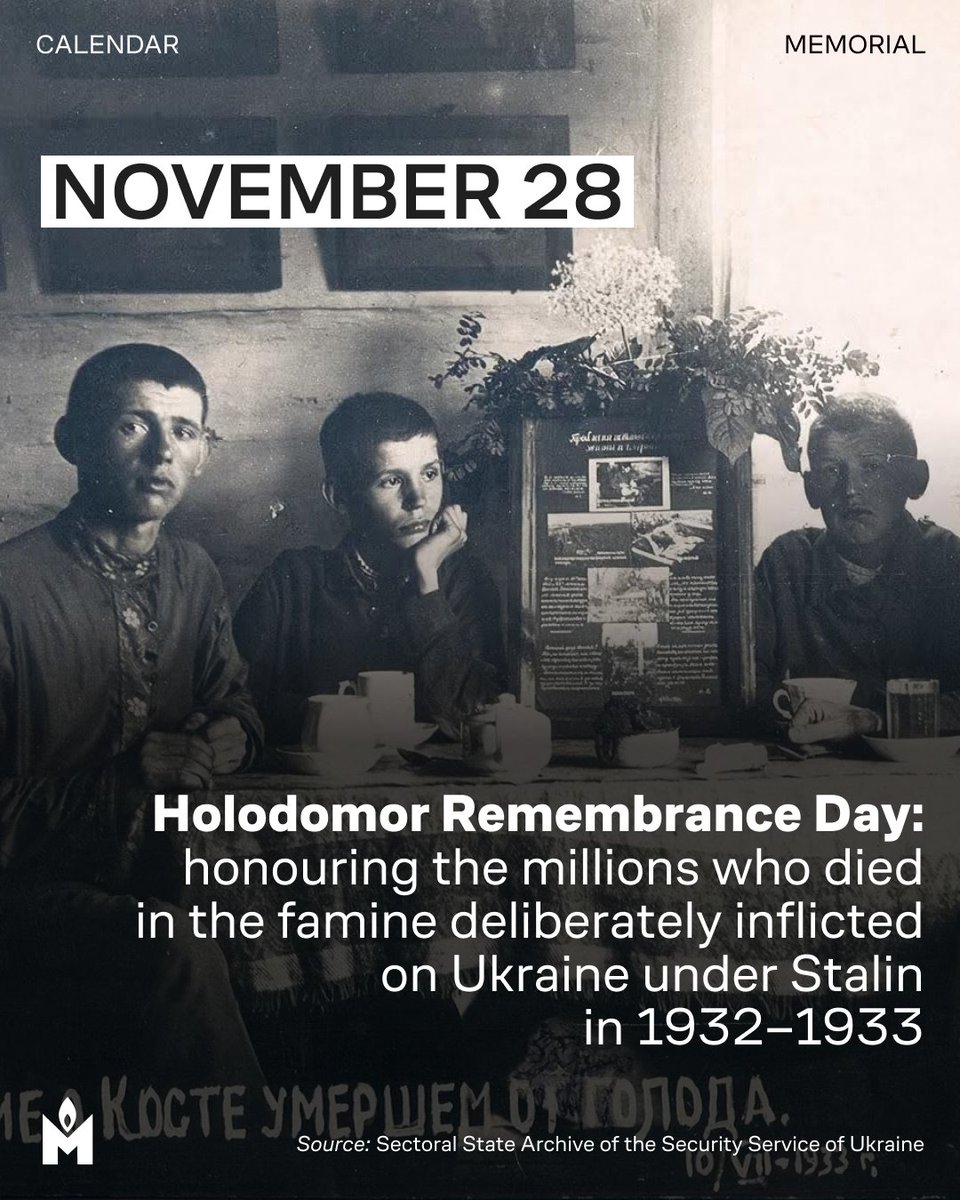
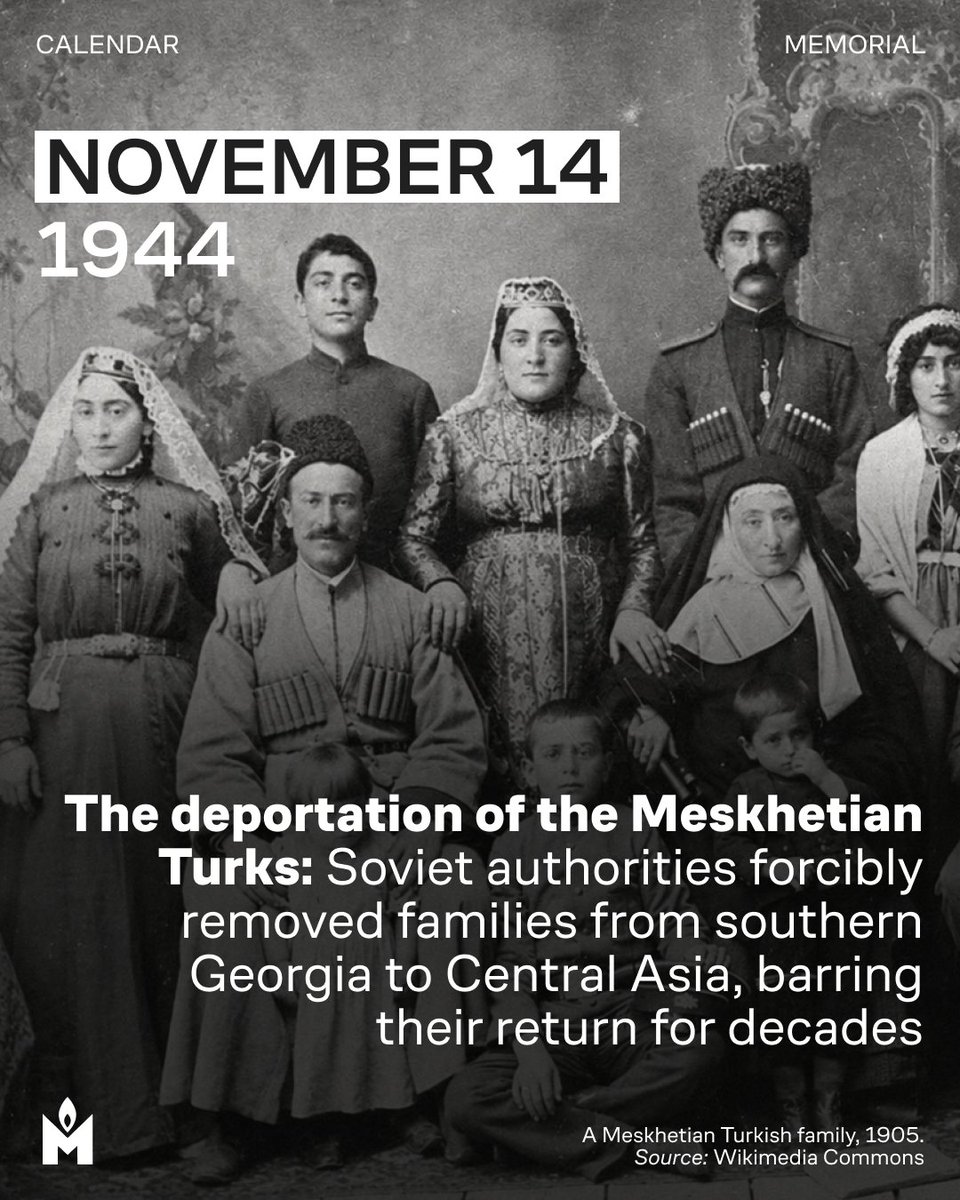
In November 1944, tens of thousands of Meskhetian Turks were forced from their homes in a Soviet deportation operation
People were taken from Meskheti, in what is now southern Georgia, and sent to Kazakhstan, Kyrgyzstan and Uzbekistan. Kurds and Khemshins were deported in the same operation. Families had little or no time to prepare, and those exiled were forbidden to leave their assigned settlements freely.
Also known as Ahiska Turks, Meskhetian Turks are mostly Sunni Muslims and speak a dialect of Turkish. The community has faced repeated displacement and discrimination. Soviet restrictions were lifted in 1956, but the right to return to Georgia was not restored in practice. In 1999, Georgia pledged to support the return and integration of deported people, yet barriers to repatriation remain.
Many Meskhetian Turks in Russia continue to face discrimination. Some lack recognised citizenship, limiting their access to work, education, healthcare and other rights. In 2004, some who had fled Uzbekistan and settled in Russia’s Krasnodar region were resettled in the United States through a refugee programme. After Russia’s war against Ukraine began in 2014, many Meskhetian Turks in Ukraine’s Donetsk Region left for Turkey, where they received government support.
Today, many remain unable to return to their historic homeland, while others continue to face discrimination where they live
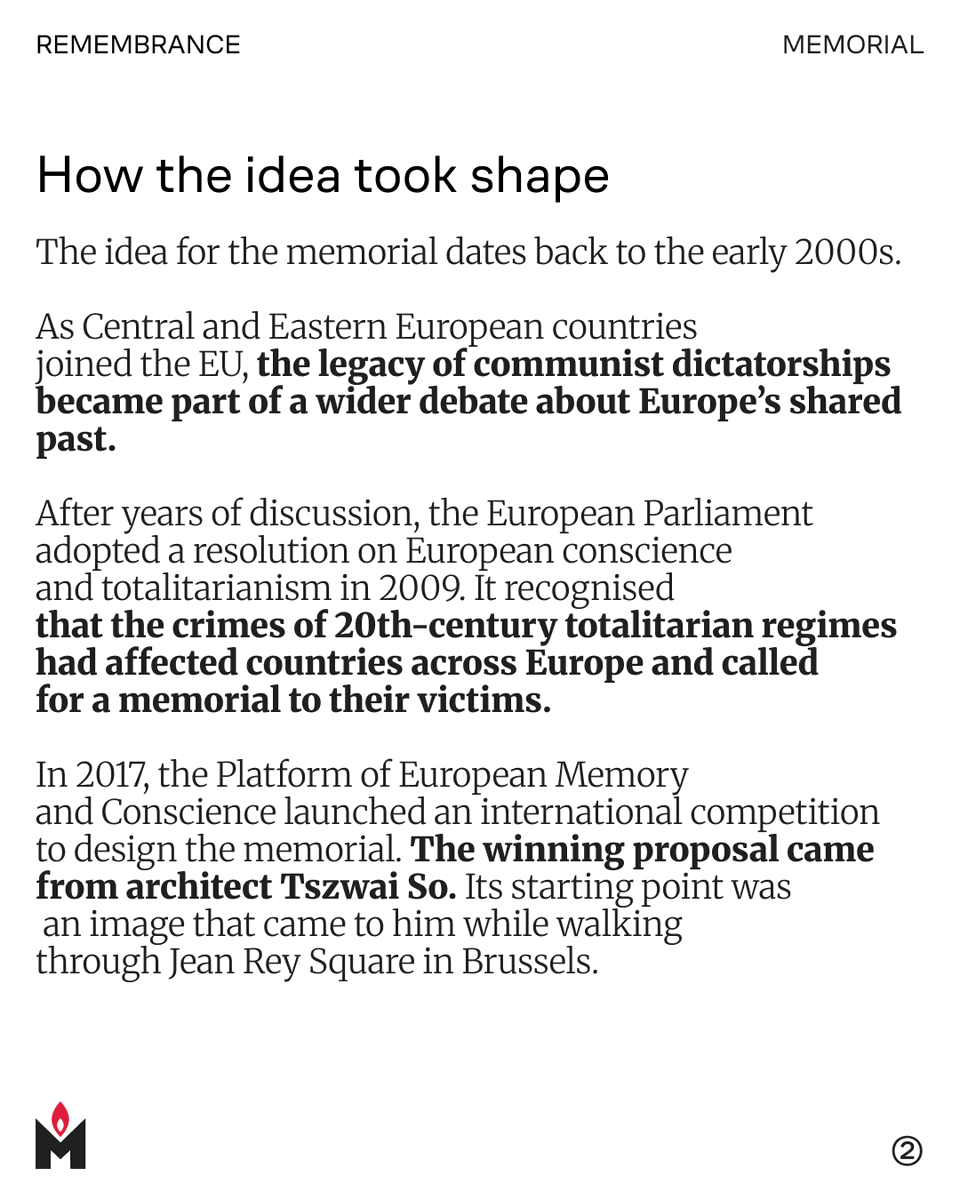
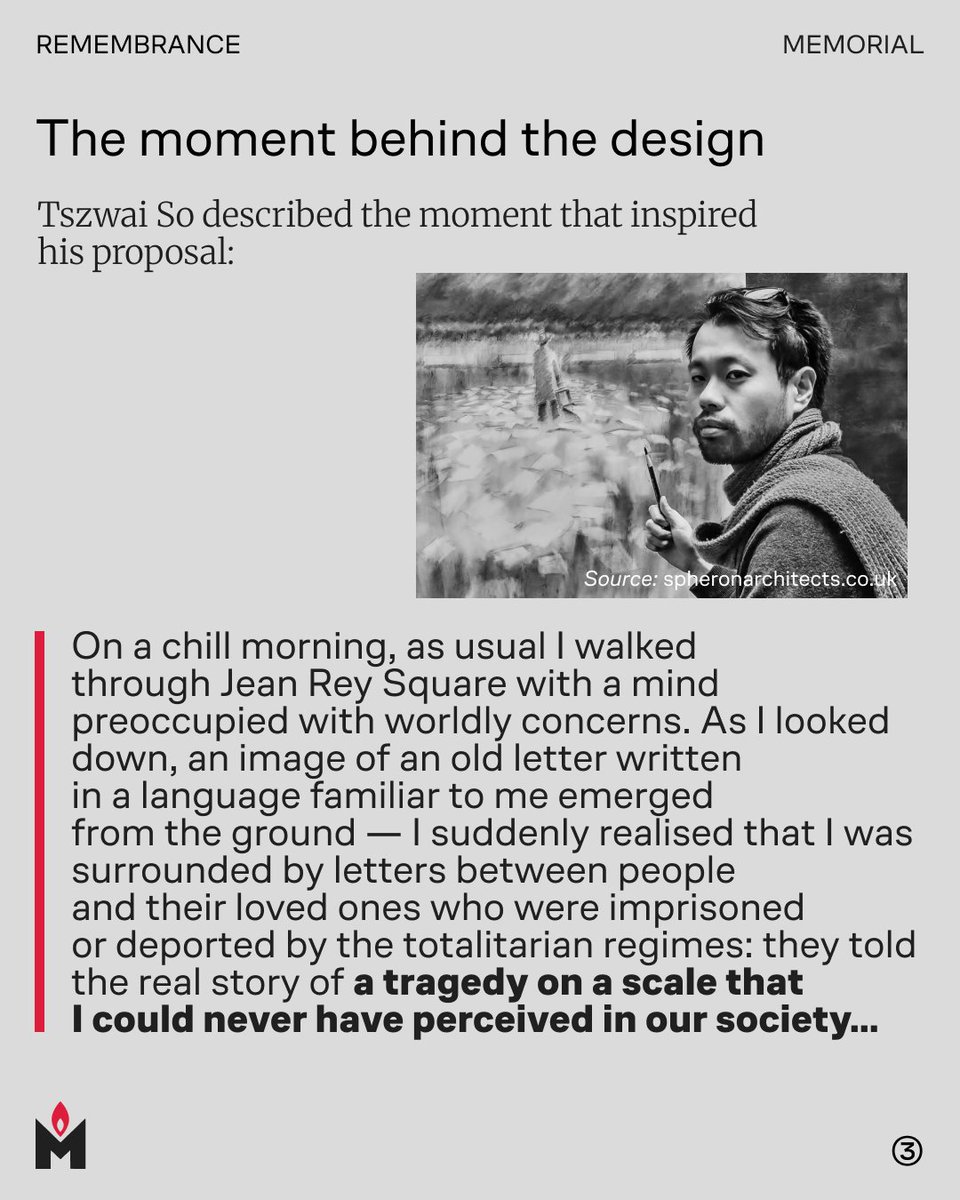
A new memorial to the victims of Europe’s totalitarian regimes is planned for the heart of Brussels
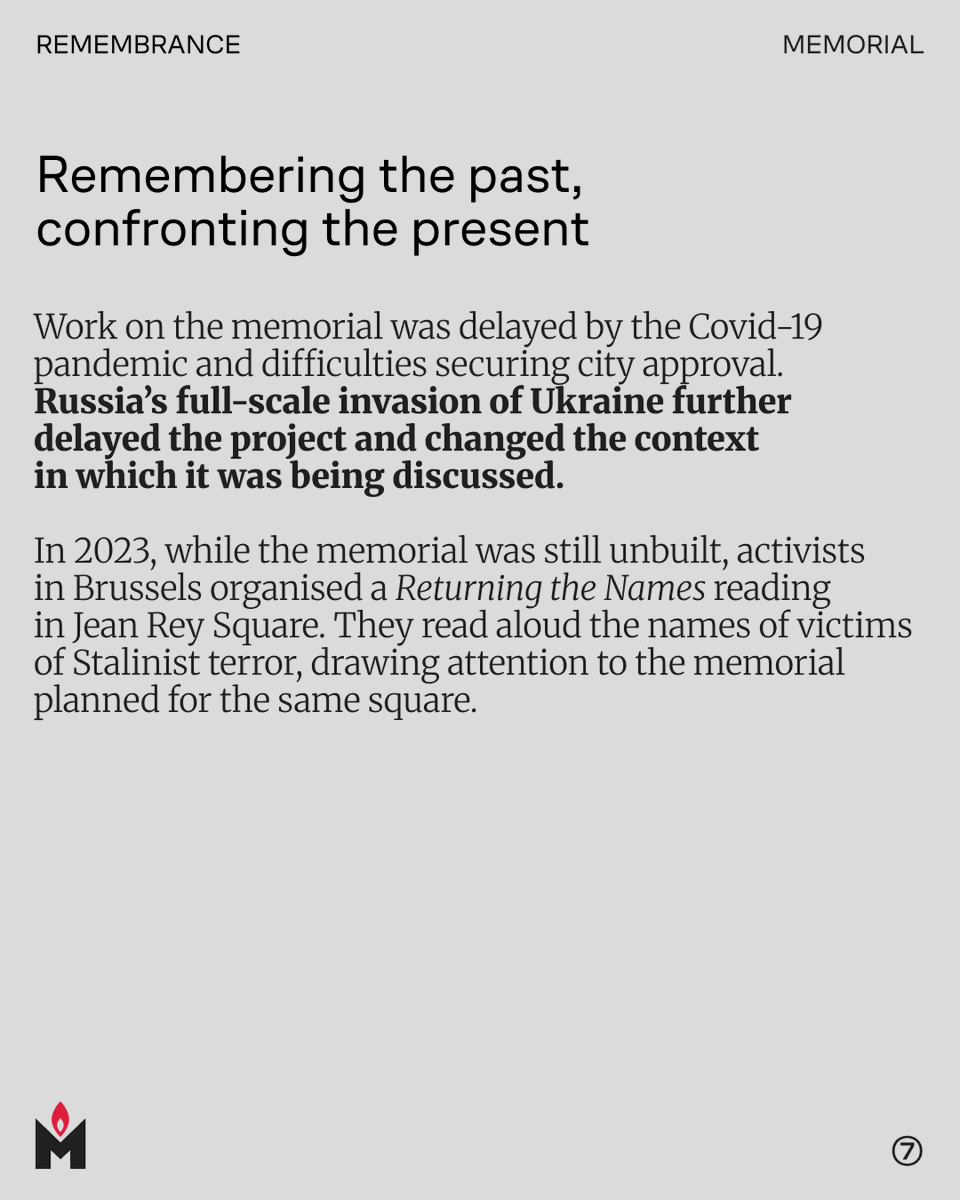
Designed by British-Hong Kong architect Tszwai So, An Echo in Time will bring real letters from people imprisoned or deported under Nazi, fascist and communist regimes into the city’s public space. Reproduced on paving stones, these messages to loved ones — written in many languages — will reach readers decades later.
How did the idea begin? Why has it taken so long to realise? And what can a memorial to past crimes mean amid the violence of today?
These cards were written in Russian by our colleague and researcher Irina Galkova and translated into English by our team
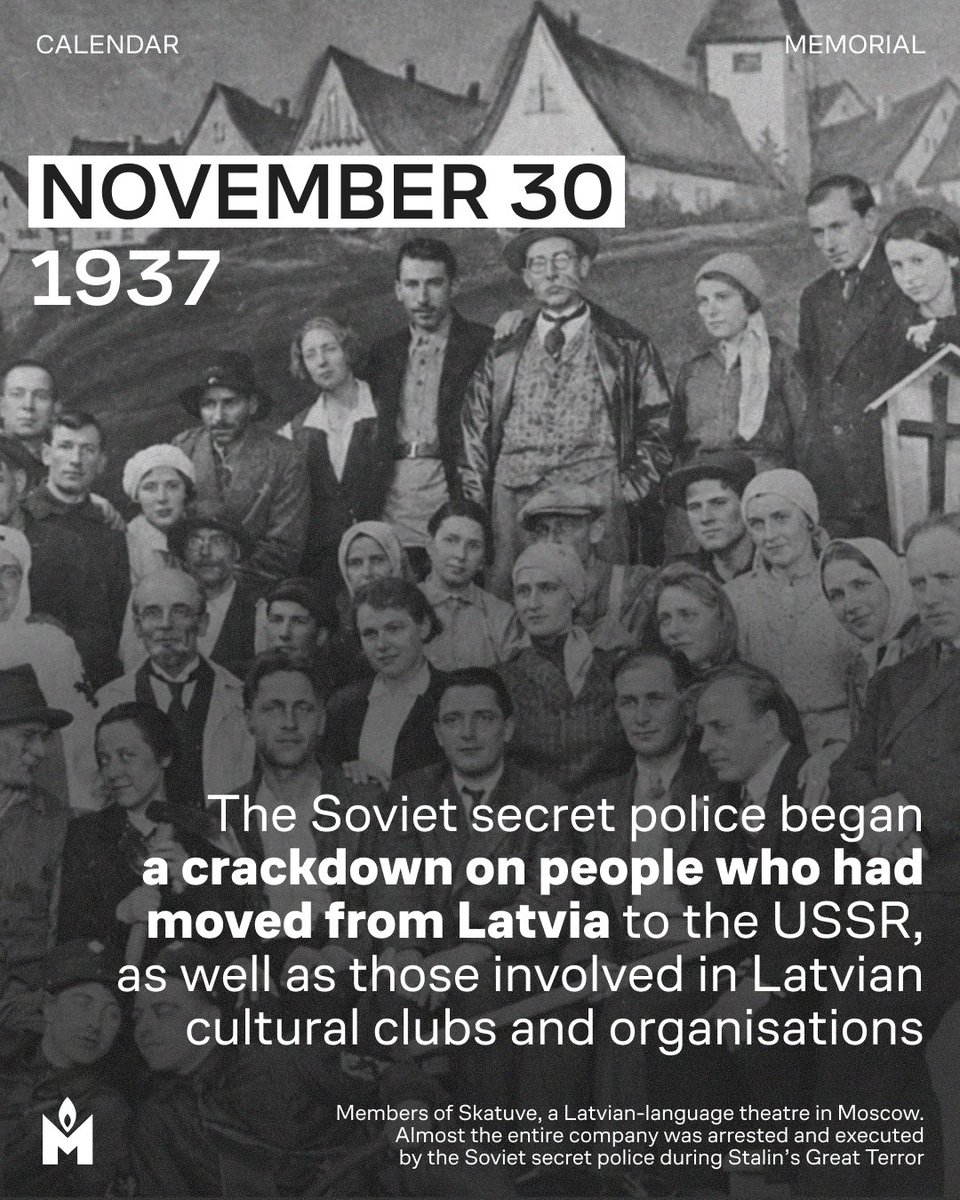
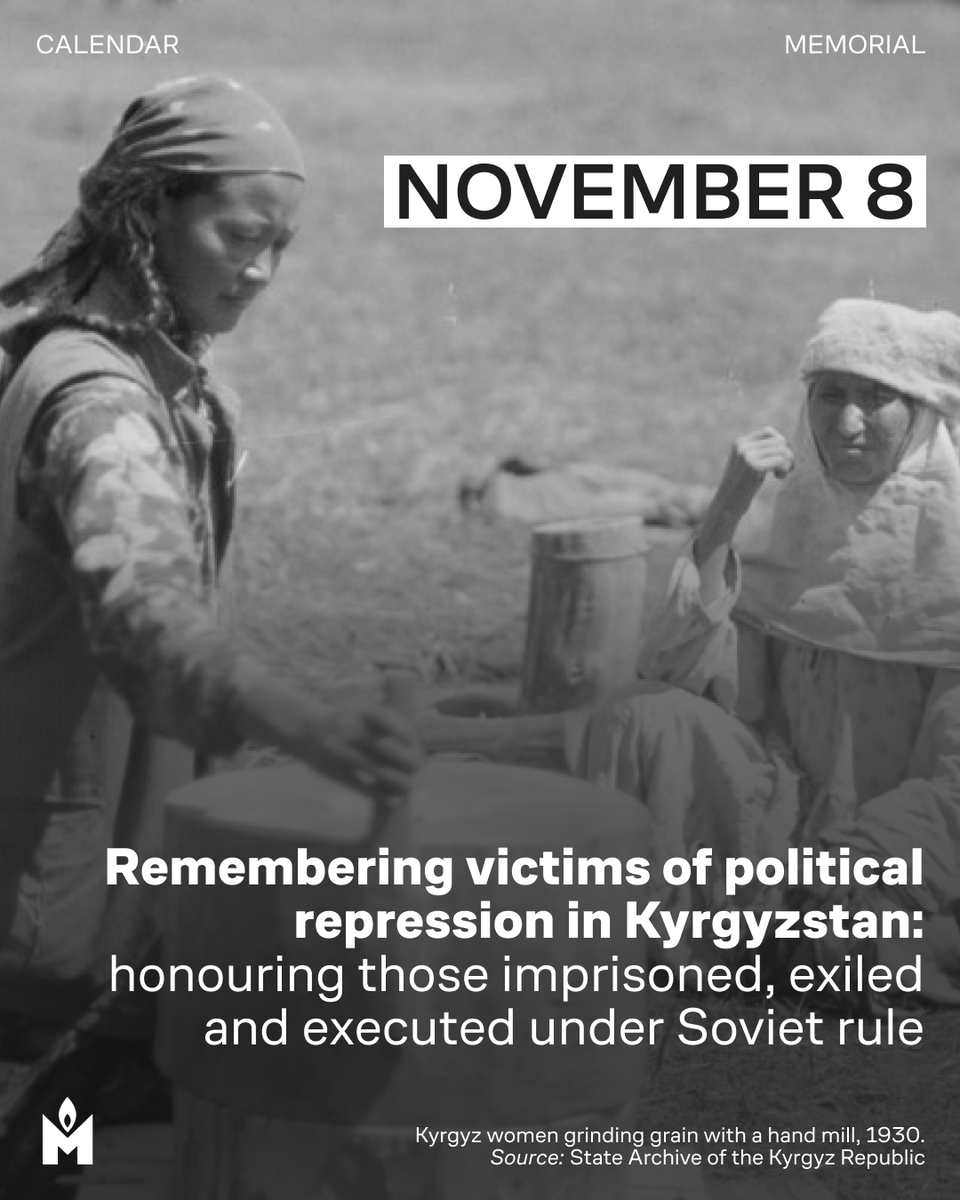
Every November, Kyrgyzstan remembers victims of imperial violence and Soviet terror
On 7–8 November, the country marks the Days of History and Remembrance of Ancestors, recalling both Soviet repression and the events of 1916. After the Russian Empire crushed an uprising in Central Asia, many Kyrgyz fled to China in Үркүн (Urkun), the Great Exodus.
Soviet repression affected more than 40,000 people in Kyrgyzstan: some were executed, others deported. In early November 1938, 137 people — including government officials, writers and scholars — were shot at Chon-Tash. Their remains were reburied at Ata-Beyit in 1991.
Together with Esimde, we look at the memorials, archives and family stories through which people in Kyrgyzstan remember this past
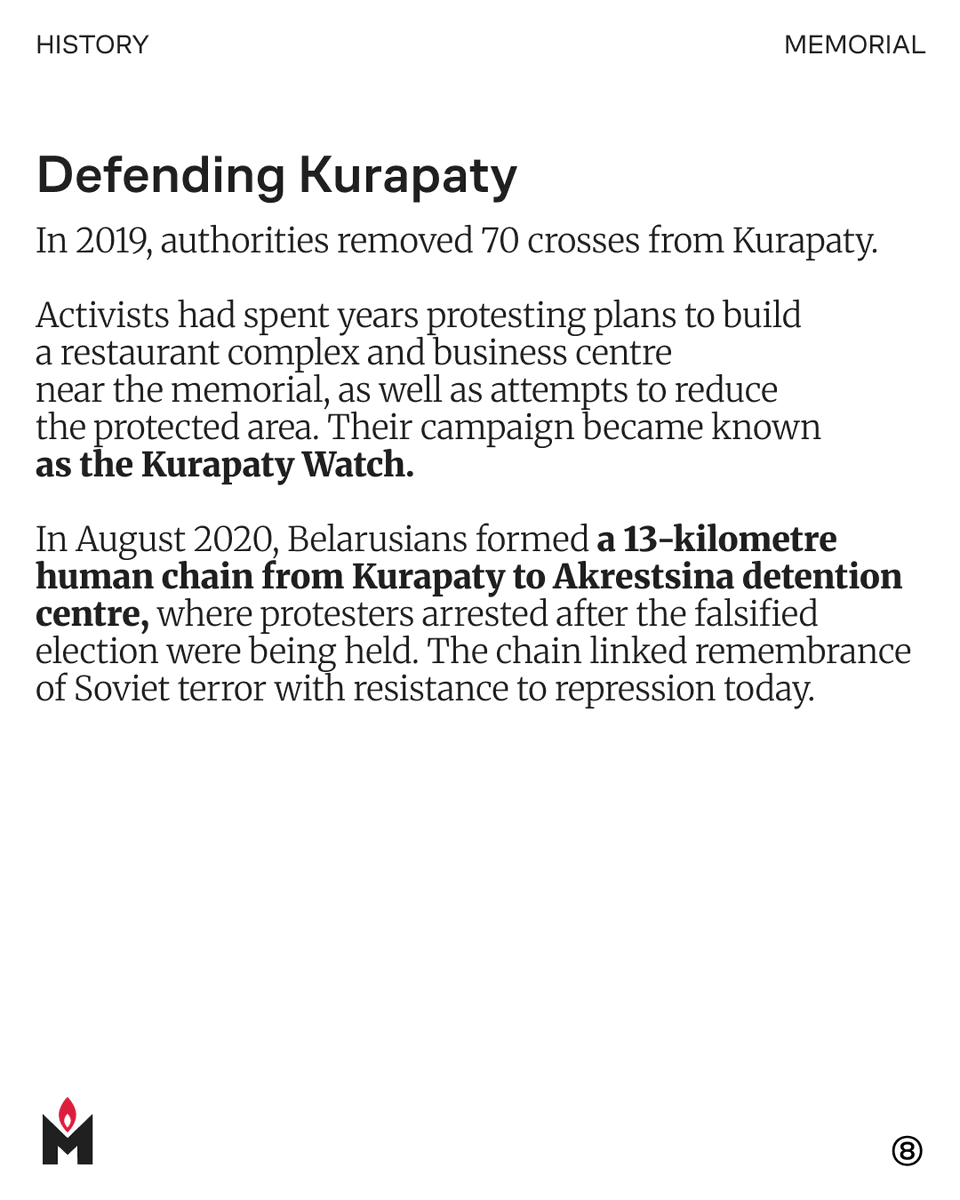
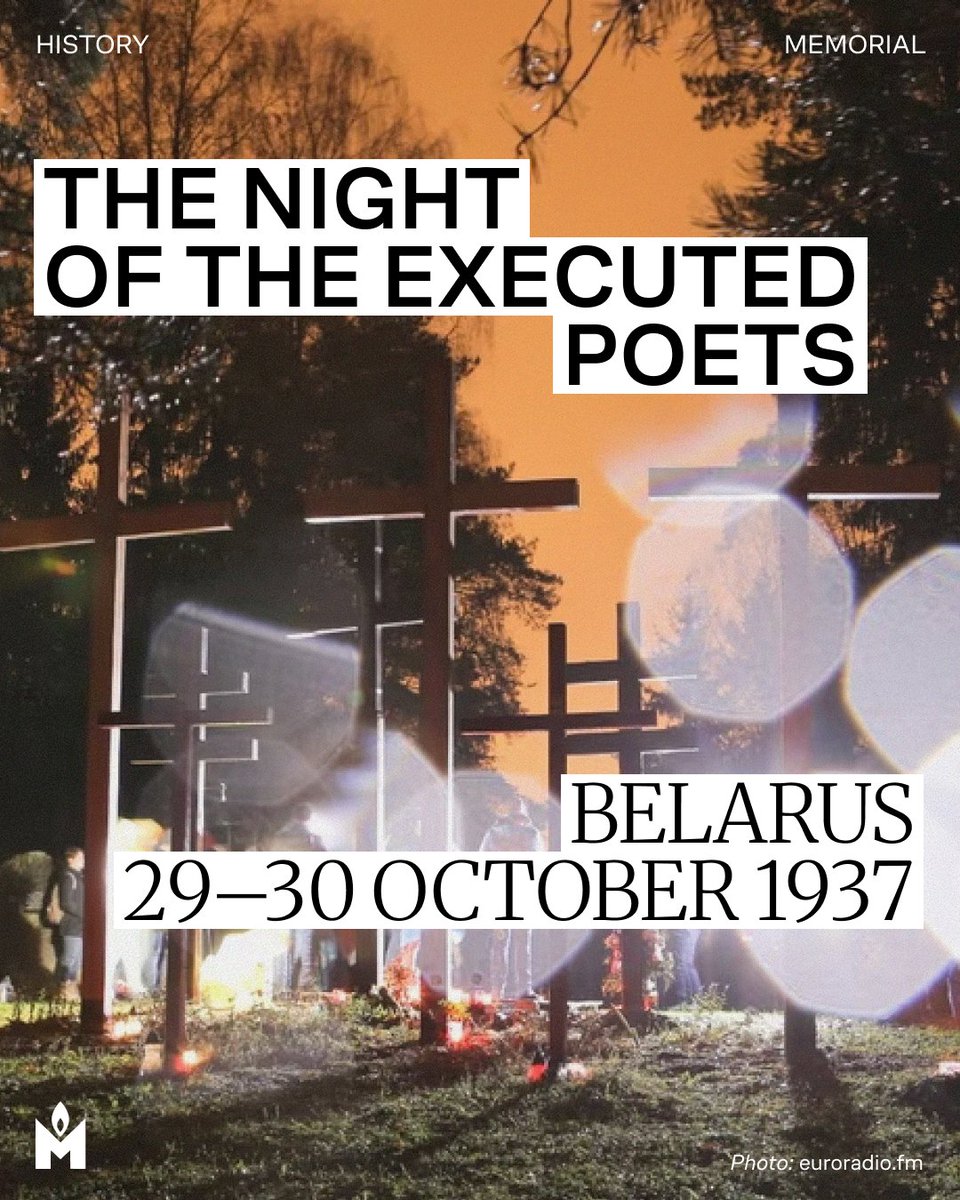
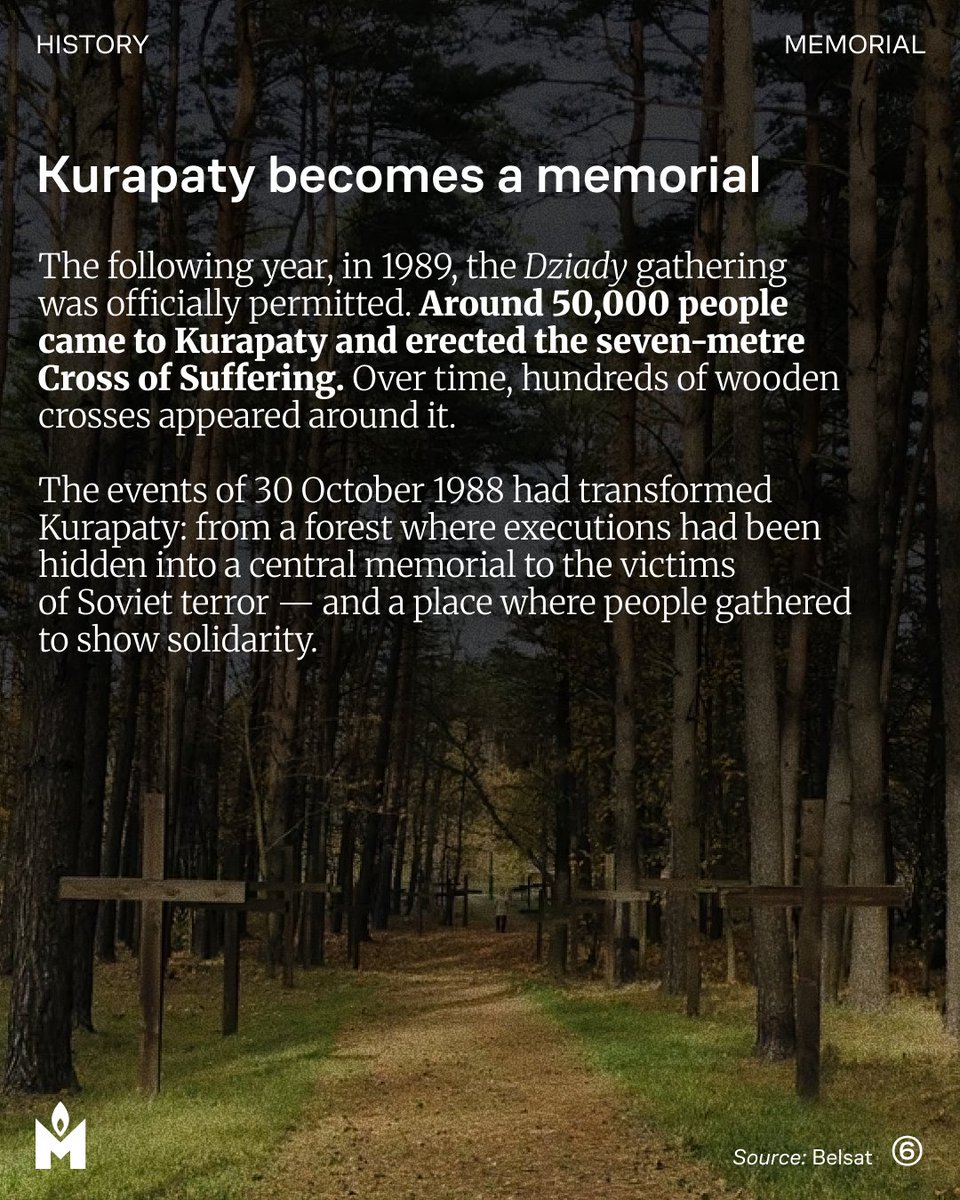
On the night of 29–30 October 1937, the Soviet secret police executed 132 people in Minsk. Among them were writers, poets, scientists and public figures. Most are believed to be buried at Kurapaty, a forest on the edge of the city.
Many of their relatives were arrested too. For decades, families spoke about the disappearances only in whispers, witnesses stayed silent and the authorities hid the truth. In 1956, writer Platon Halavach’s wife was told he had died of heart failure in a labour camp in 1944.
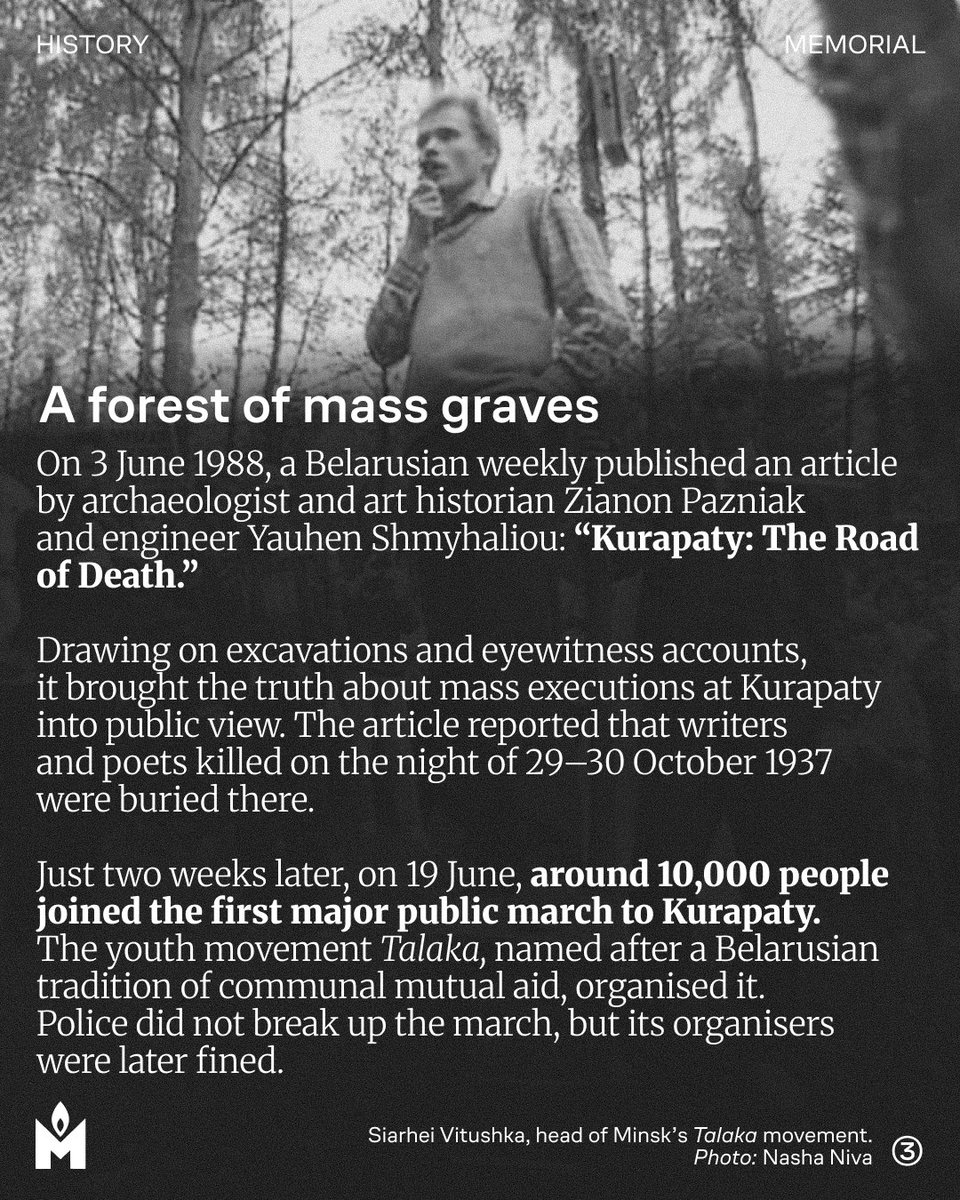
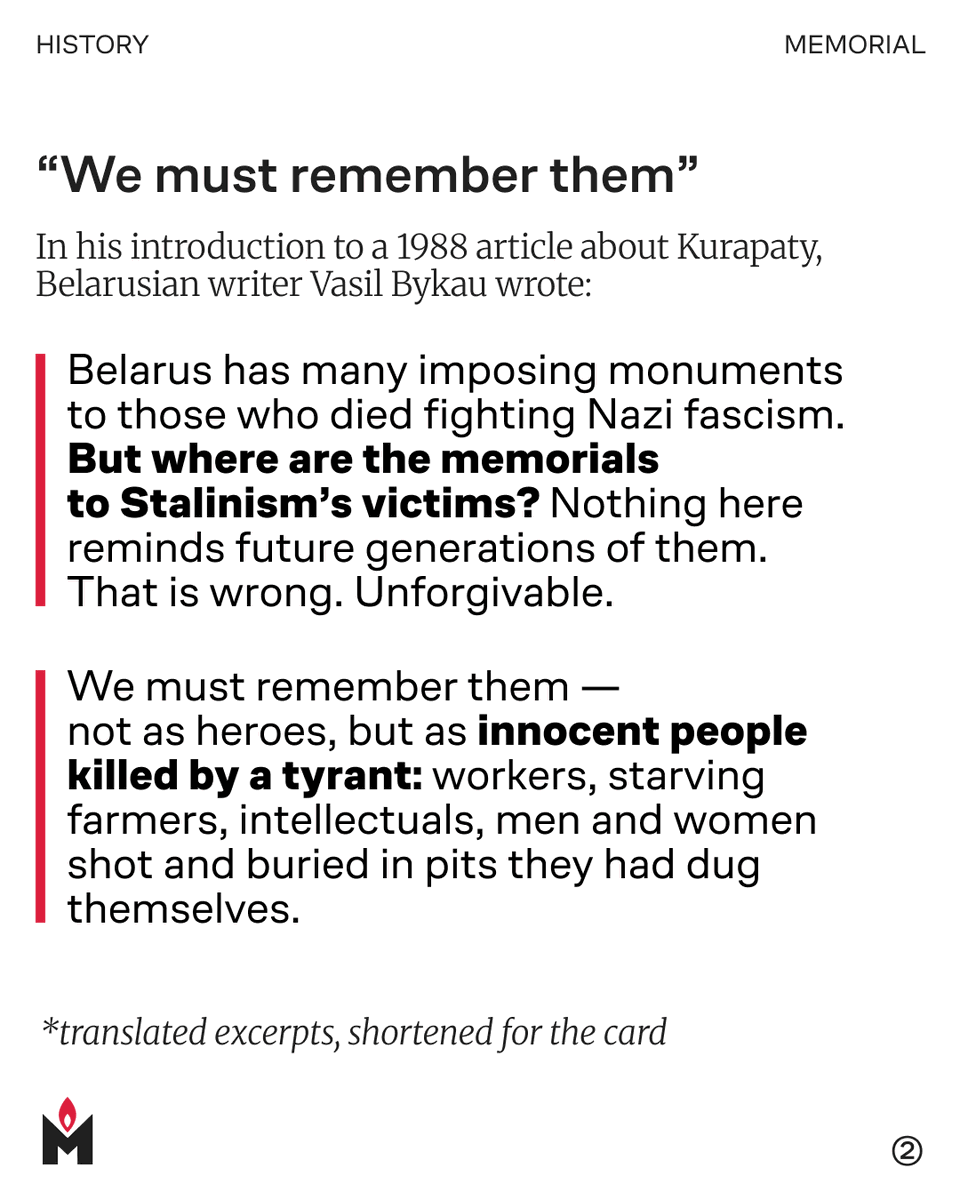
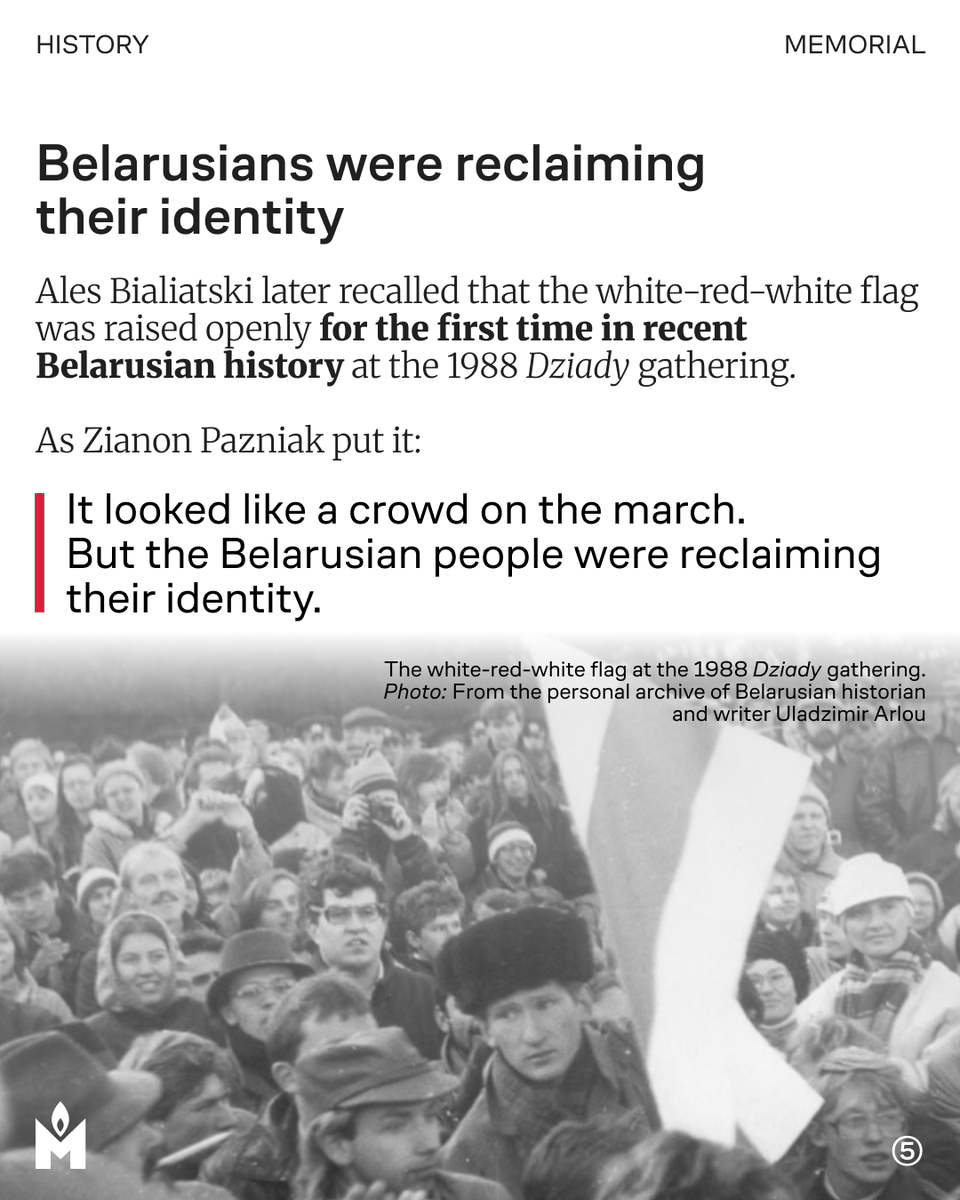
The killings became known as the Night of the Executed Poets. In 1988, an article exposed the mass graves at Kurapaty, and Belarusians began gathering there on Dziady, the traditional day of remembrance for ancestors. Here’s how that memory has been kept alive, and fought over, ever since.
What can remembering do?
Memory activism uses remembrance as a form of civic action — preserving the stories of people affected by repression and bringing overlooked or silenced experiences into public space.
It can mean researching a family history, visiting a memorial site or creating an exhibition. It also opens space for conversations about how the past is remembered and how it shapes the present.
What do you remember or commemorate in November?
#memoryactivism #memory_activism
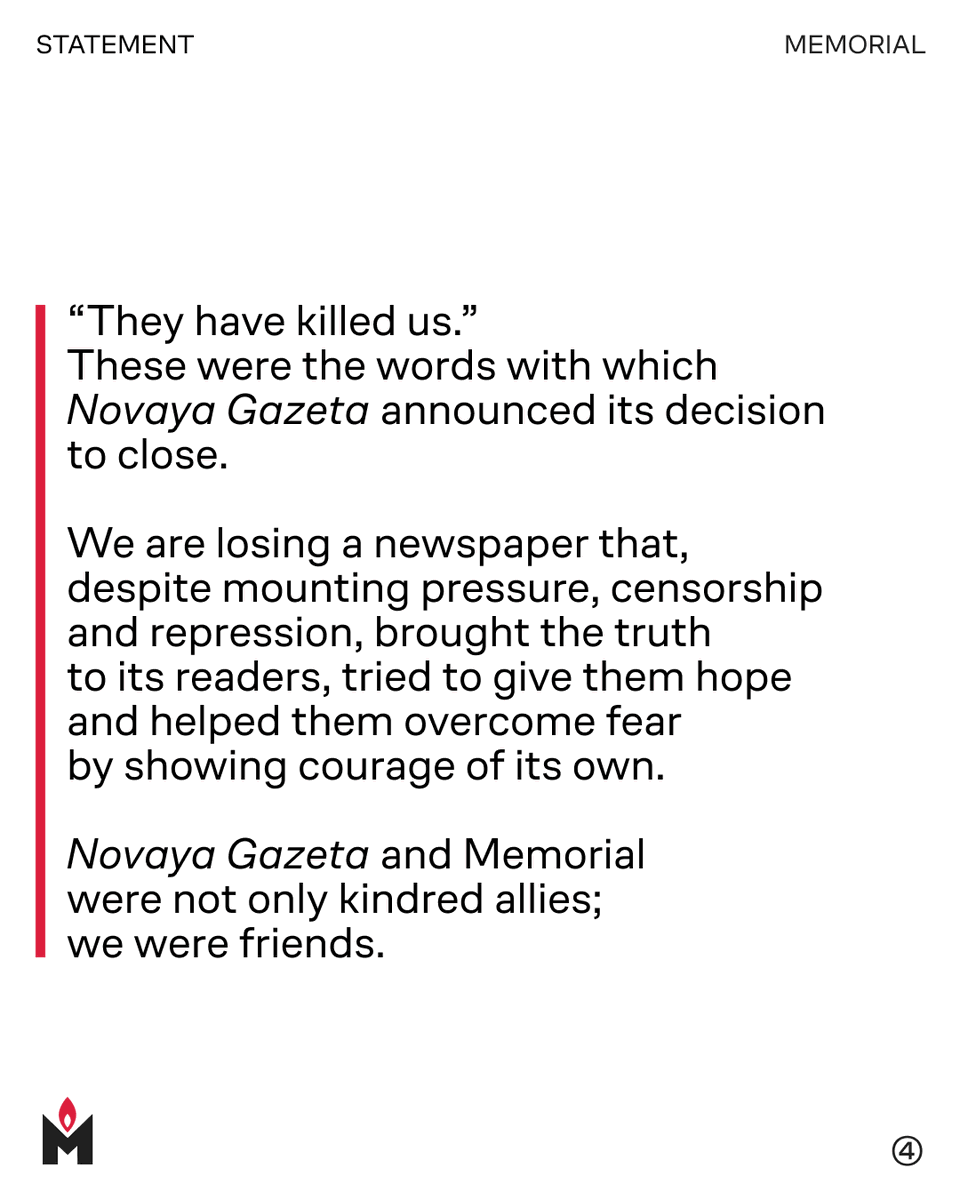
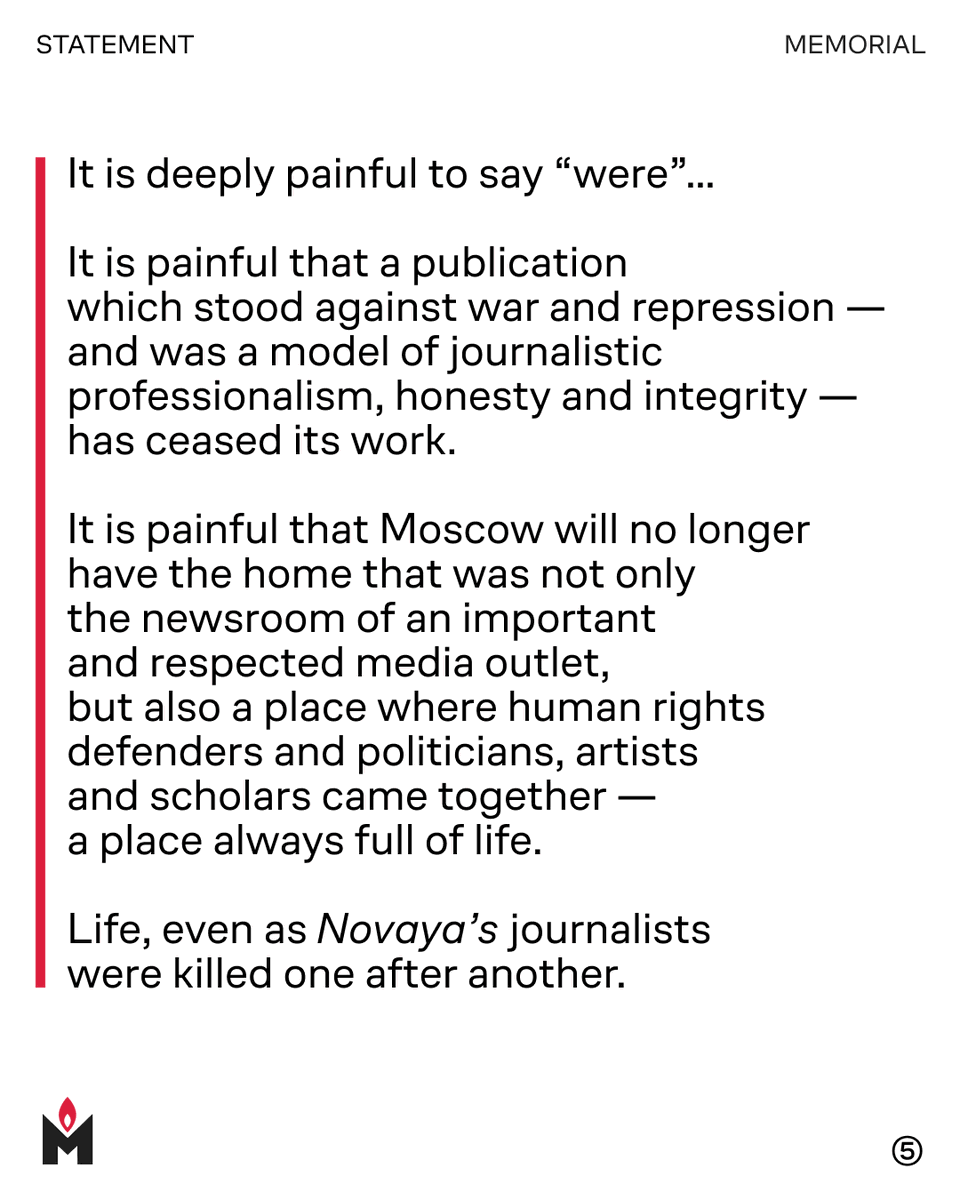
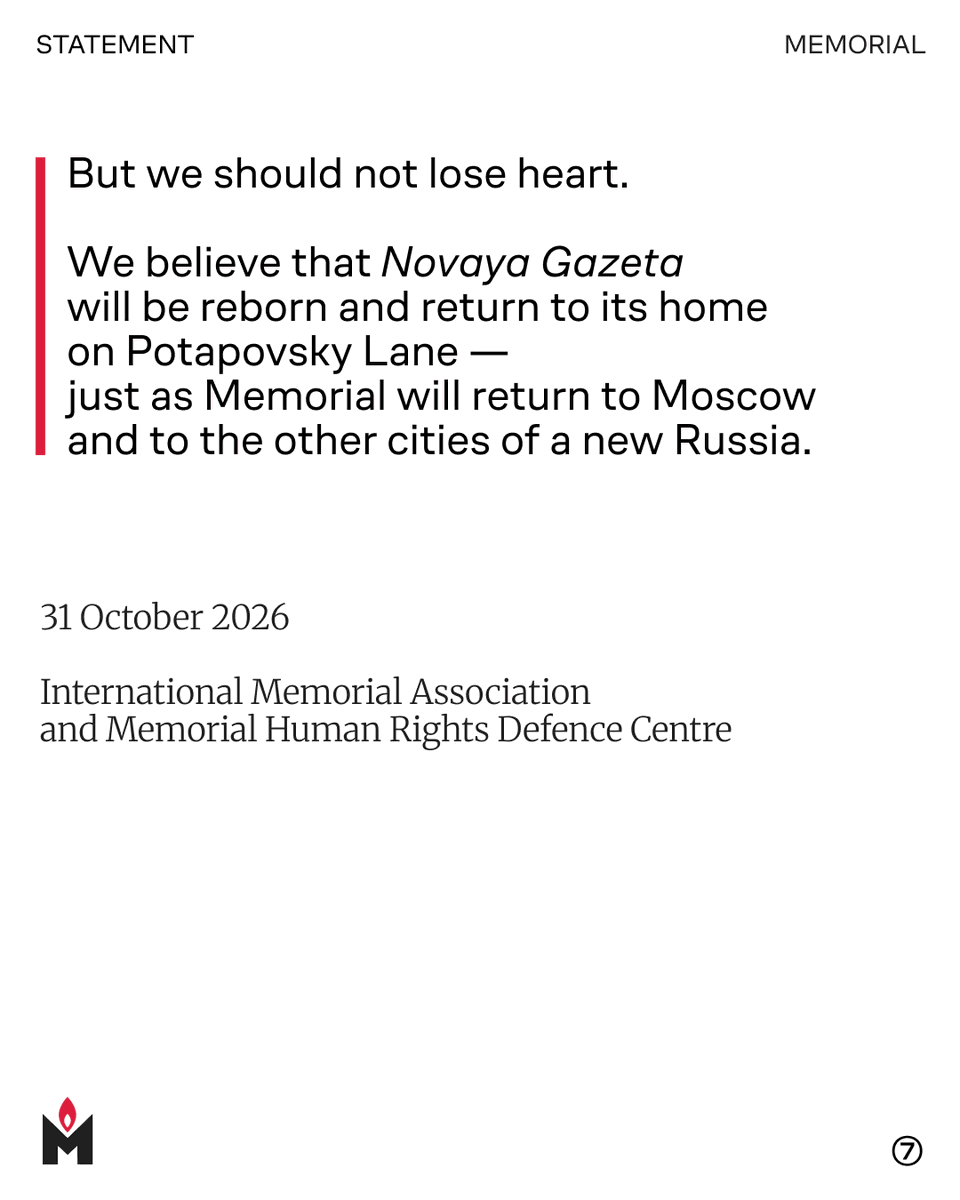
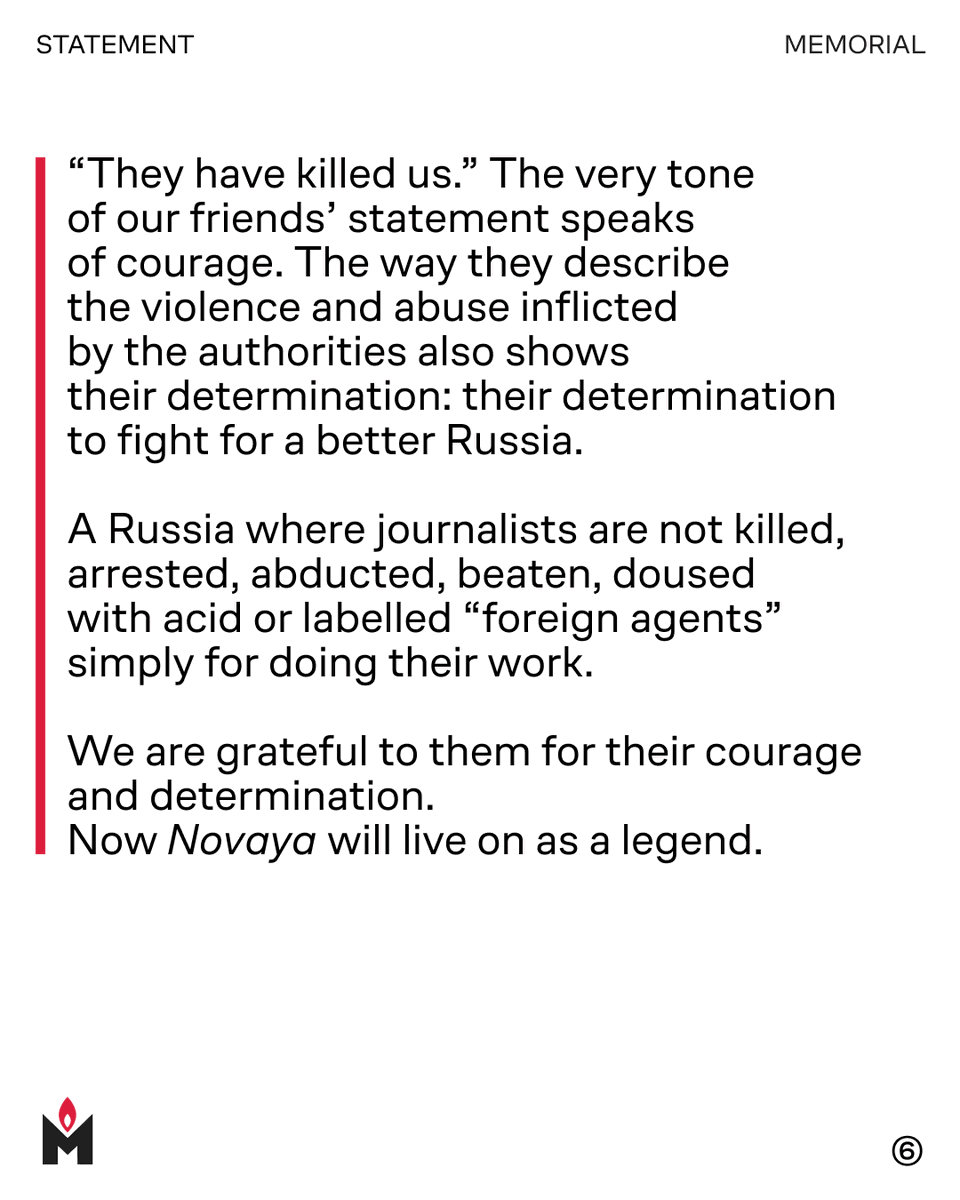
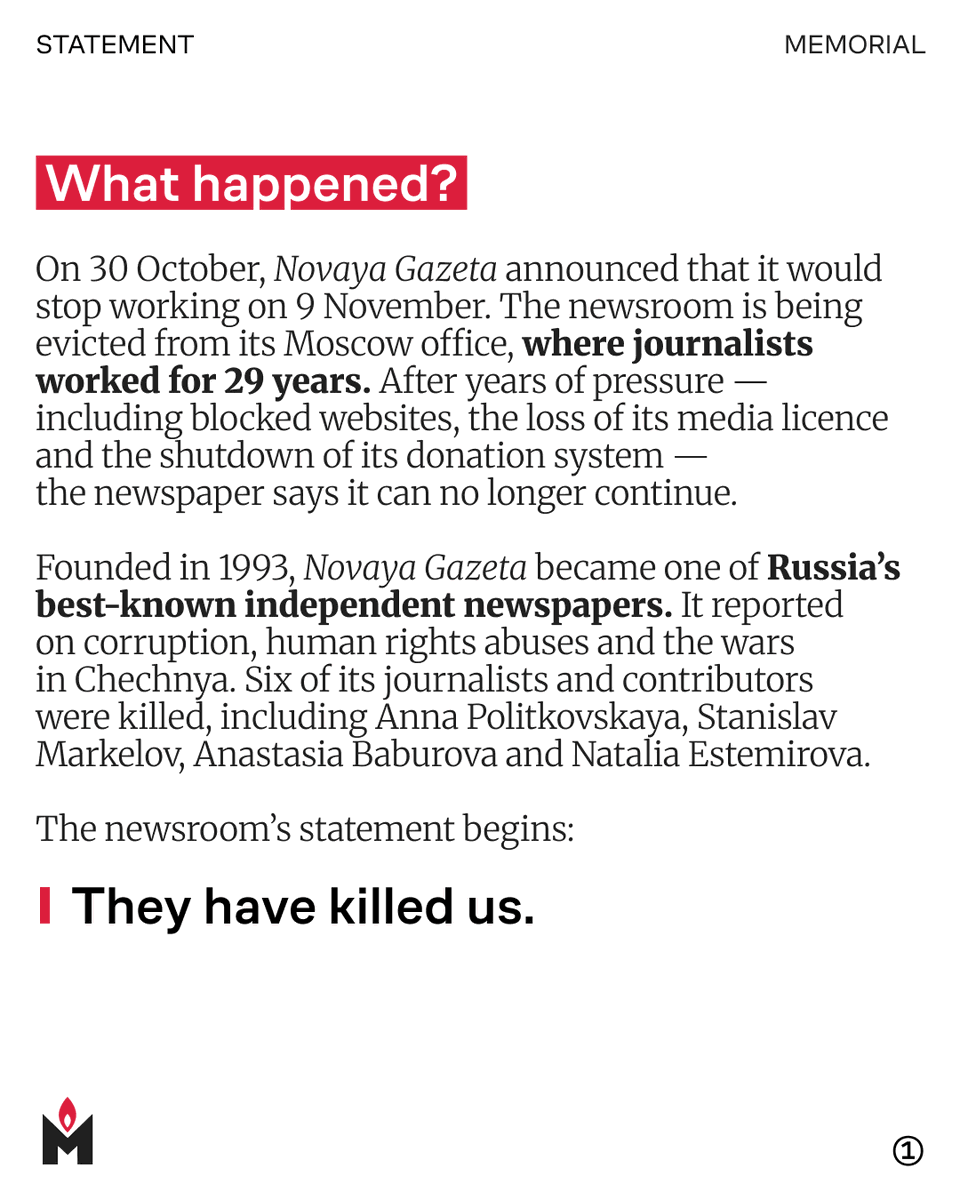
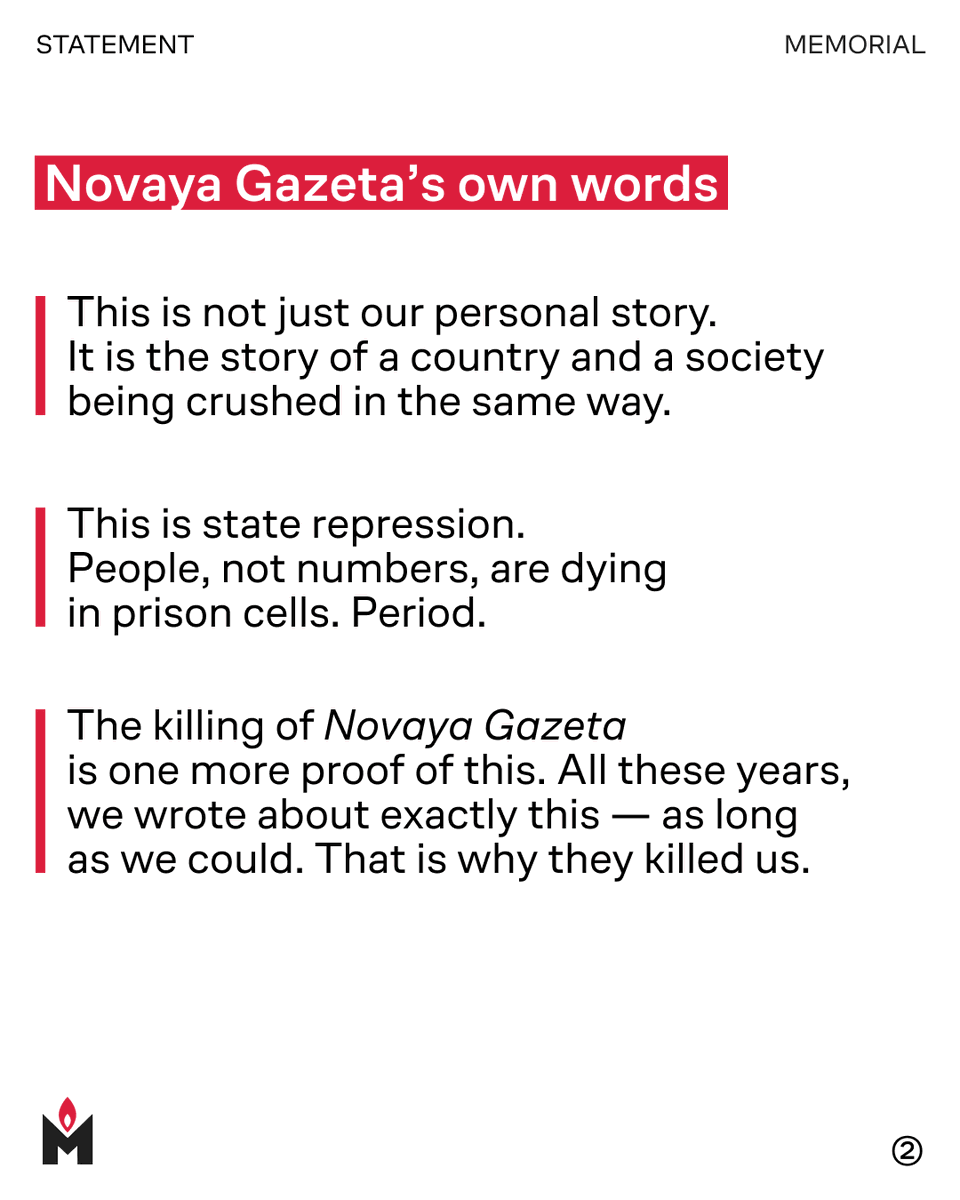
A statement by the International Memorial Association and the Memorial Human Rights Defence Centre on the closure of Novaya Gazeta.
Translated into English by our team
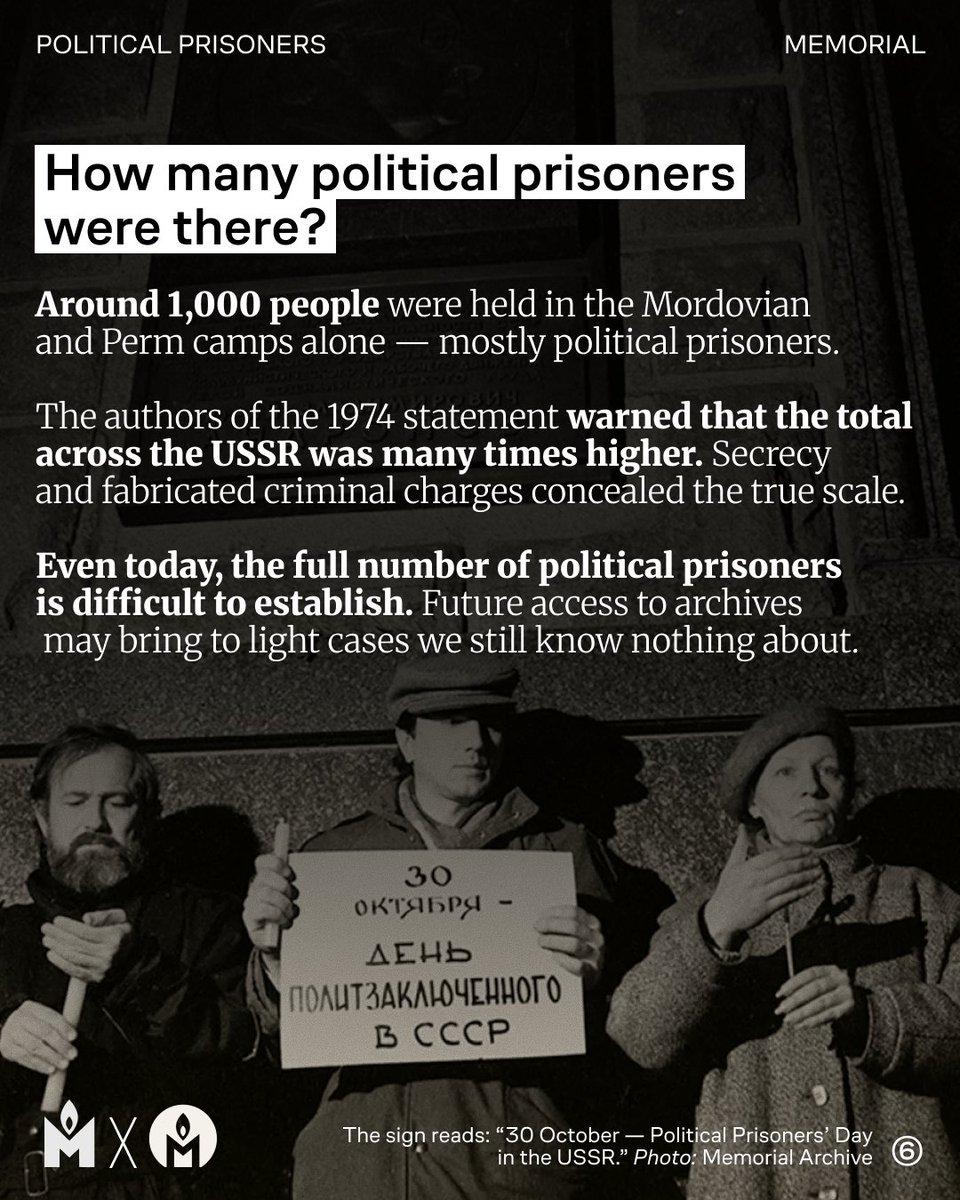
Today is Political Prisoners’ Day. It began in Soviet camps in 1974, when prisoners organised hunger strikes in solidarity with one another. More than 50 years later, we still need this day.
Together with Political Prisoners Memorial, we look back at how it began and remember the hundreds of people prosecuted for political reasons.
You can support them right now: write a letter, share their stories or donate to help cover legal fees, medical care and basic necessities.
More information and ways to help: https://t.co/GoLVnlJxPE