Some teams legally can't let certain data leave a specific country.
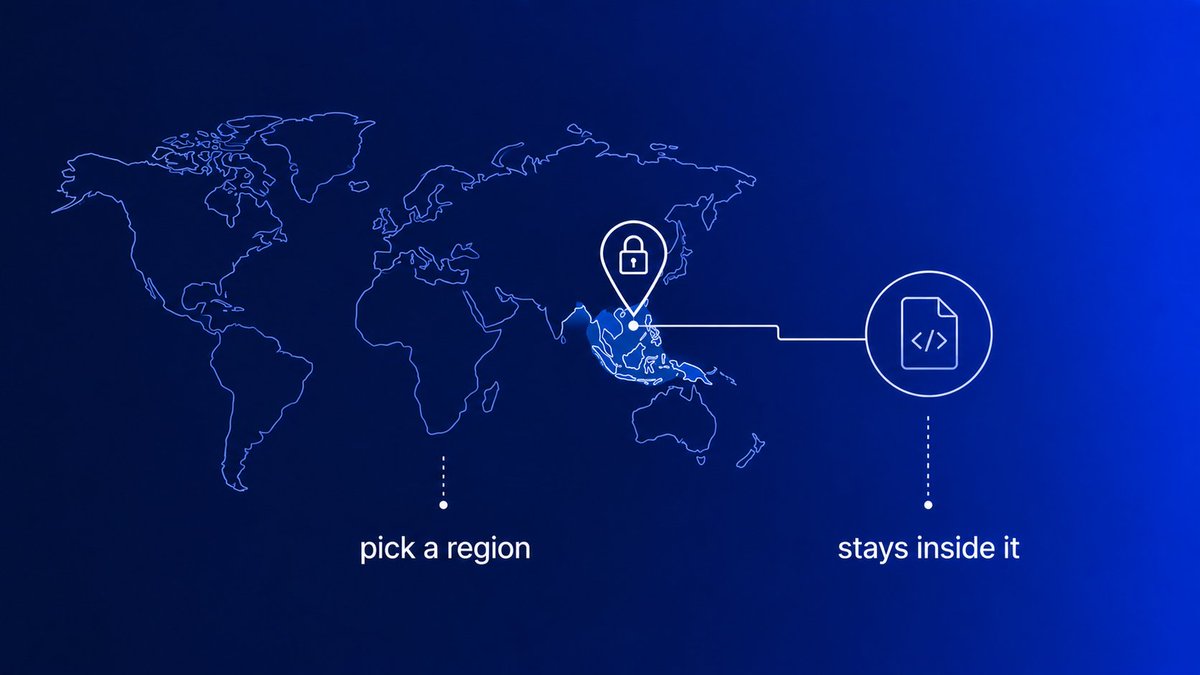
Down the line, you'll be able to pick which region actually handles your call, so the answer to "did this data leave the region" becomes something you set, not something you hope for.
Could enough verifiers just team up and sign off on a fake result?
In theory. But it takes a majority of them agreeing to risk their own staked money, and if that plan falls apart even slightly, they lose more than they'd ever gain from cheating.
If the operator handling your call drops offline mid-request, nothing gets billed and nothing gets lost.
The call just gets picked up by another operator with free capacity, and you never see the failure on your end.
"Isn't my data already encrypted in transit?"
Sure, but that just protects it on the way there. The moment it reaches the server, whoever runs that server can unlock and read it.
The part we're solving is what happens after it arrivesю
Every private call has to be paid for in the same token, so the more the network gets used, the more that token actually has to move, that's what unlocks each call.
Nothing here locks you in.
Your app keeps its own format for prompts and results, so if you ever want to point it somewhere else, you can, without untangling anything proprietary first.
People building @Enclyra_Labs can't see your calls either. Once your data enters the locked hardware, it's out of reach for the operator, the verifiers checking it, and us, all at the same time.
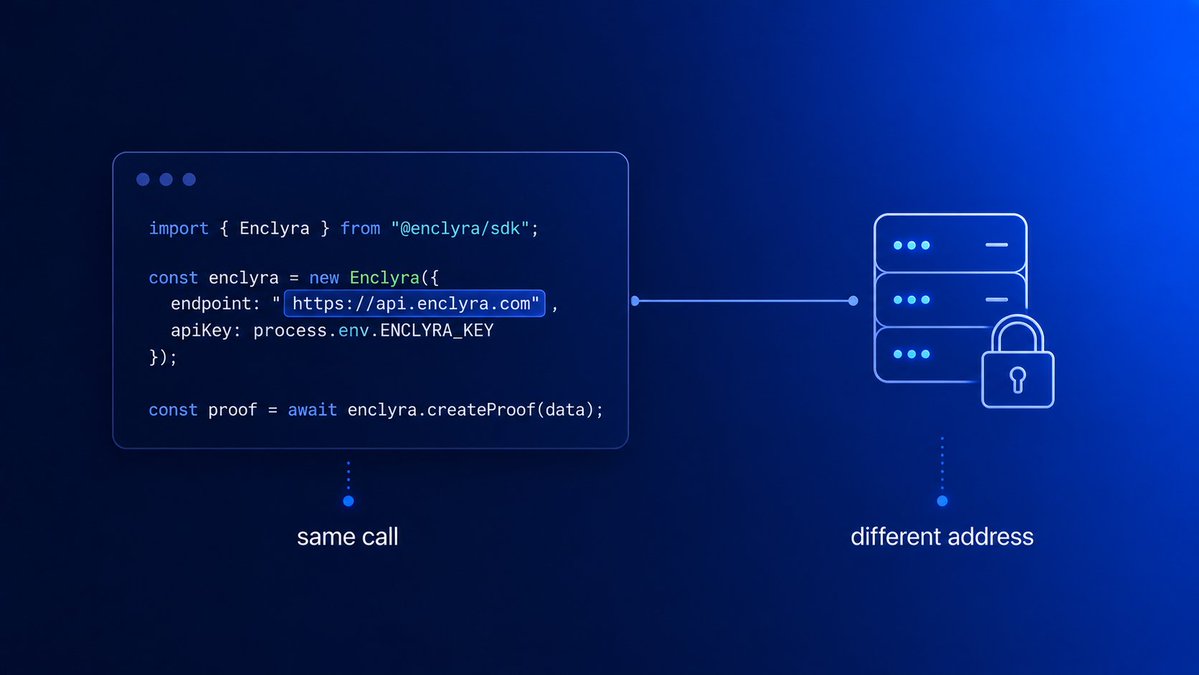
If your app already talks to a model using a standard client library, it can talk to Enclyra the same way.
Nothing to rewrite, nothing new to learn, just a different address on the other end of the same calls you're already making.
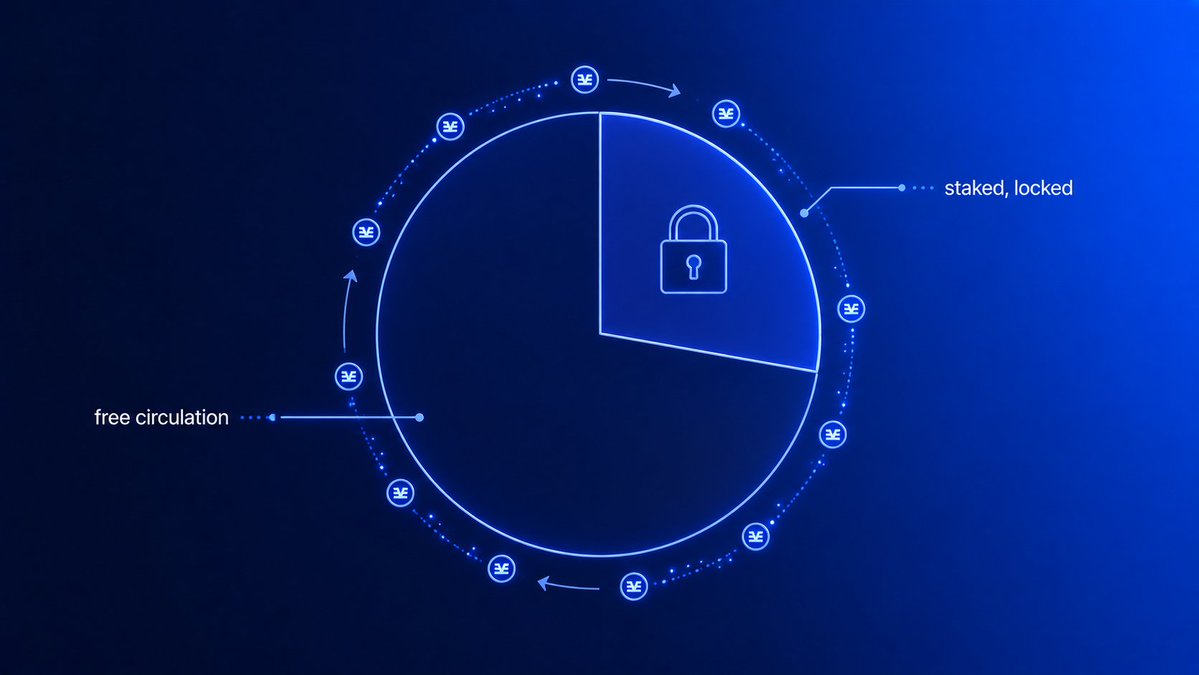
Staked money isn't sitting idle in someone's wallet. It's locked up backing an operator or verifier's honesty, so a chunk of supply stays out of circulation for as long as the network is actually running.
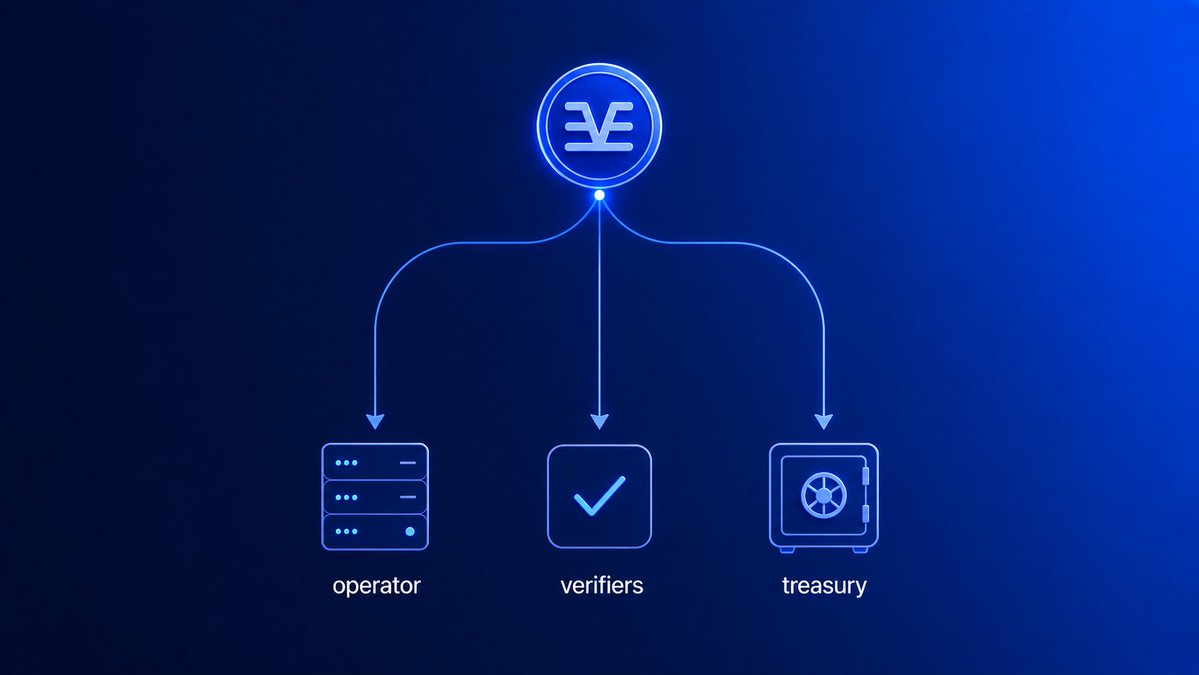
Fee from your call doesn't disappear into one wallet. It splits between operator who ran the model, verifiers who checked it, and a shared treasury that funds the network itself.
One verifier signing off isn't enough.
Several of them check the same record independently, and if their answers don't line up, the ones who guessed wrong lose part of their stake instead of the client eating the mistake.
Nobody at Enclyra sits between you and your data.
Network is run by separate operators who never talk to each other, so there's no single company holding a copy of what you sent.
Right now one model runs behind this.
Next comes support for images, voice, and time-series data, plus the option to pick which region actually handles your call, for anyone who needs the data to stay inside a specific border.
Subscription just charges you and hopes the provider behaves.
Staked money works differently, since people running and checking your calls have their own funds on the line, and losing them hurts more than any fee they'd collect from cutting corners.
Anyone can open explorer and look up a call without needing account or asking for access.
Type in the record, and you see same hardware stamp and signatures the network checked, sitting right there for you to read yourself.
Getting a verified record doesn't mean you're automatically covered under HIPAA or GDPR.
It gives you something solid to hand your compliance team, but they still have to decide if it satisfies your specific rules, and that responsibility stays with you.
Hardware checks, encryption, and activity logs usually live in separate places, so nobody ever hands you one thing that ties them together.
Here they get pulled into a single record, so you're not stitching together three different tools to answer one question.
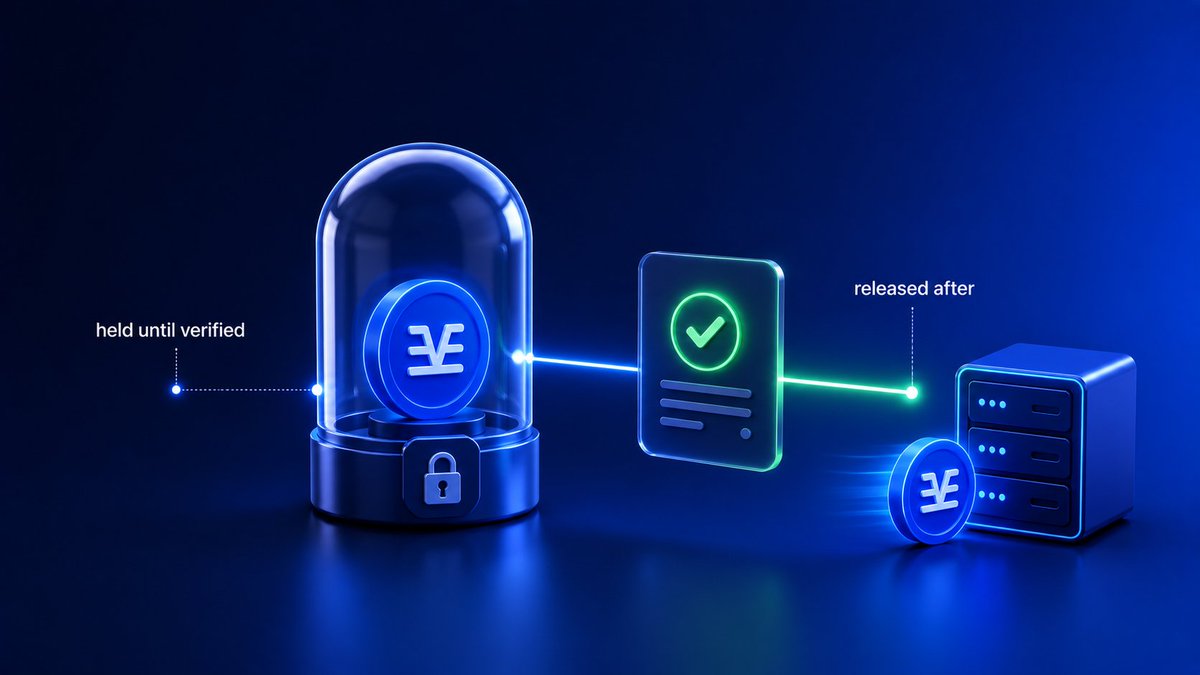
Your payment doesn't move the moment you send a prompt.
It sits held until the verification comes back clean, and only then does it release to whoever ran the call, so a bad result never gets paid for by accident.
We'll say the hard part out loud.
Today the locked hardware still leans on the chip maker being honest, so if you don't want to trust any single vendor, the plan is to split the work across several machines where no one of them ever holds the whole picture.
You don't pick who runs your call.
The network hands it to an operator with free capacity and enough money staked to be trusted, and it spreads work around so no single machine becomes a weak point.