An #OpenAccess, peer-reviewed journal from @Soc_Endo & @ESEndocrinology. Publishing basic, translational and clinical research in all areas of #endocrinology.
Endocrine Connections is pausing activity on X.
Join the conversation and stay updated with us on:
🔹LinkedIn:https://t.co/fUBYVZdiV4
🔹Bluesky: https://t.co/VMIelZauvC
Thank you for following us - see you over on our other channels! 💙
The first article in our Endo-ERN Vol II: Rare Diseases and Transition in Care collection is now live!
A new review outlines a holistic model to improve transition care for young people with adrenal insufficiency in the Netherlands.
Read here: https://t.co/Q9RjL3qhkd
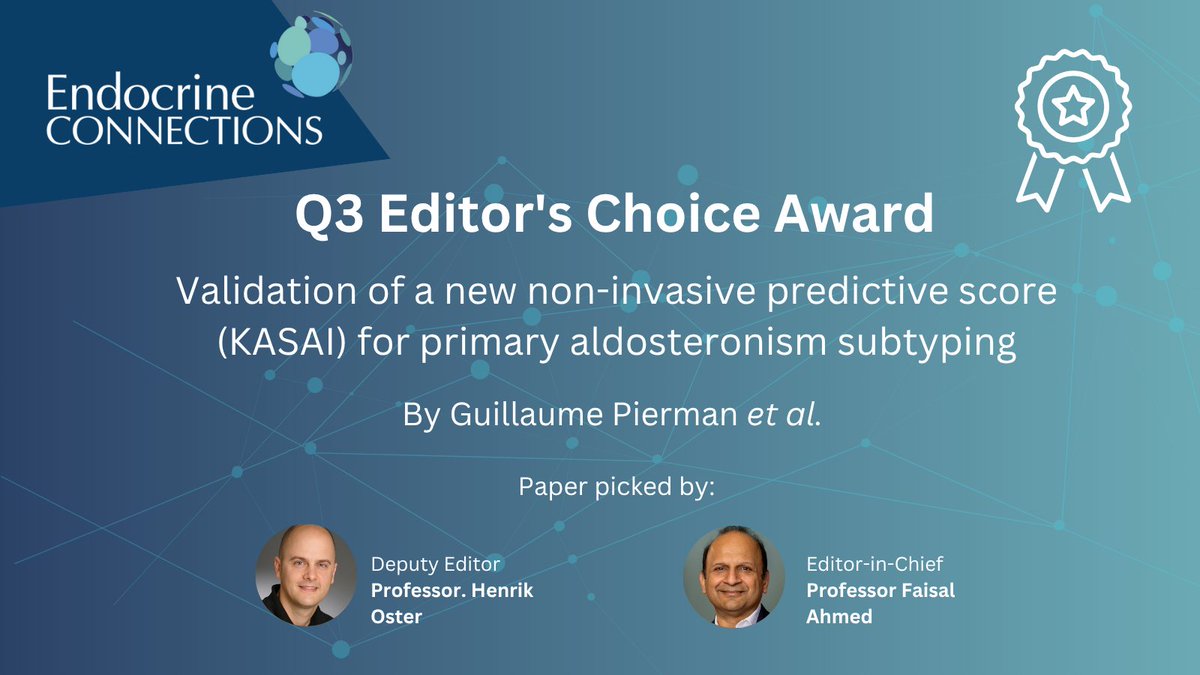
🏆 The Endocrine Connections Q3 Editor’s Choice Award goes to Guillaume Pierman et al. for their study validating the KASAI score, a non-invasive tool that could simplify diagnosis of primary aldosteronism and reduce reliance on adrenal venous sampling.
🔗https://t.co/A8Hxj59tVS
Does starting growth hormone (GH) therapy earlier change outcomes for children with GH deficiency?
New research by Tilman Robert Rohrer et al. suggests that treatment before age 2 may offer lasting benefits.
Read here: https://t.co/K67uZQFgYK
Endocrine Connections is thrilled to announce the addition of 2 new members to our Editorial Board this September.
🔷 Philippe Touraine (Reproduction)
🔷 Charlotte Verroken (Bone and Mineral Metabolism)
Read their full bios on our Editorial Board page: https://t.co/NyR5jbeAFM
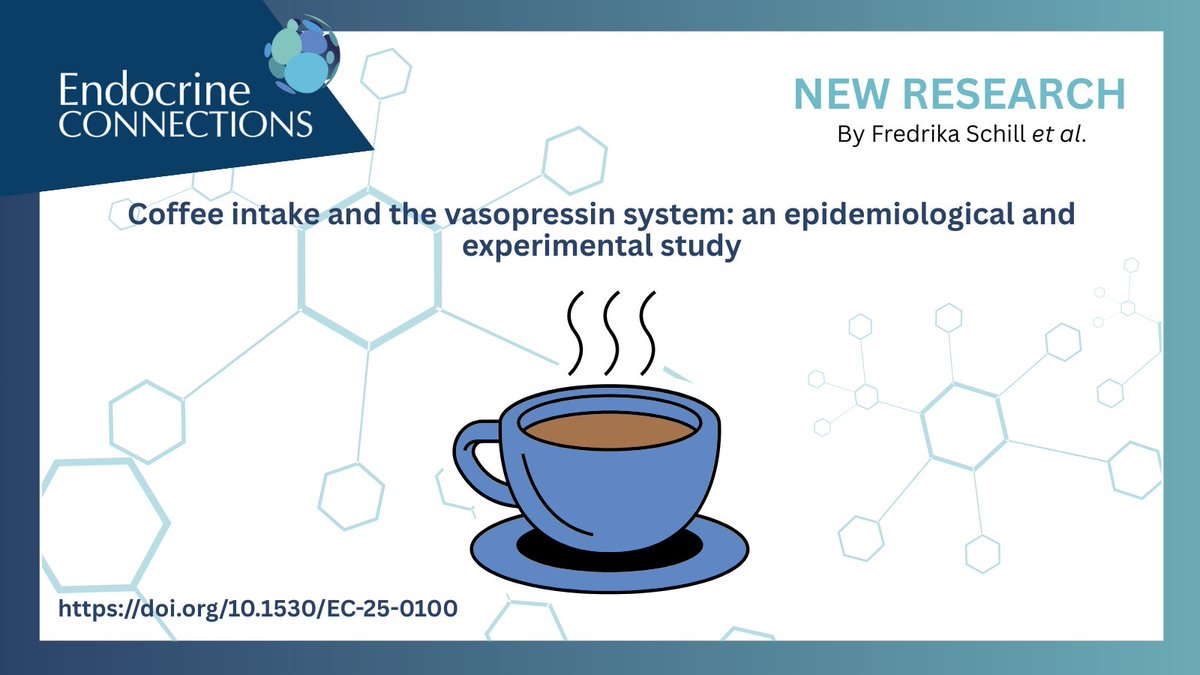
☕ Coffee: diuretic or hydrator?
A new study by Fredrika Schill et al. explores how #coffee intake interacts with #vasopressin, the hormone that regulates fluid balance - offering fresh insights into the science of your daily brew.
🔗Read here: https://t.co/KjeXQPHHwz
Is adrenal vein sampling always necessary in young patients with primary aldosteronism?
A new study by Zin Htut et al. shows that, with strict criteria, imaging can often predict unilateral disease, but careful selection is key.
Read here: https://t.co/Ol05FhDxYQ
Endocrine researchers, the ESE needs your voice!
The incidence of endocrine disease is increasing, yet the workforce is not being developed and equipped to cope with the challenges this brings. This survey is a major new project to address these challenges.
We’re delighted to welcome 3 new Senior Editors to the Endocrine Connections Editorial Board!
🔹Krystallenia Alexandraki (Adrenal)
🔹Julien Paccou (Bone and Mineral Metabolism)
🔹Lorenzo Iughetti (Metabolic Syndrome and Diabetes)
Read their full bios: https://t.co/NyR5jbe2Qe
GH therapy for short stature remained effective through COVID-19, but not without changes.
Yoo-Mi Kim et al. studied 2,800+ pediatric patients to reveal how the pandemic shaped treatment.
Read the full article here: https://t.co/zIVNvwFtzC
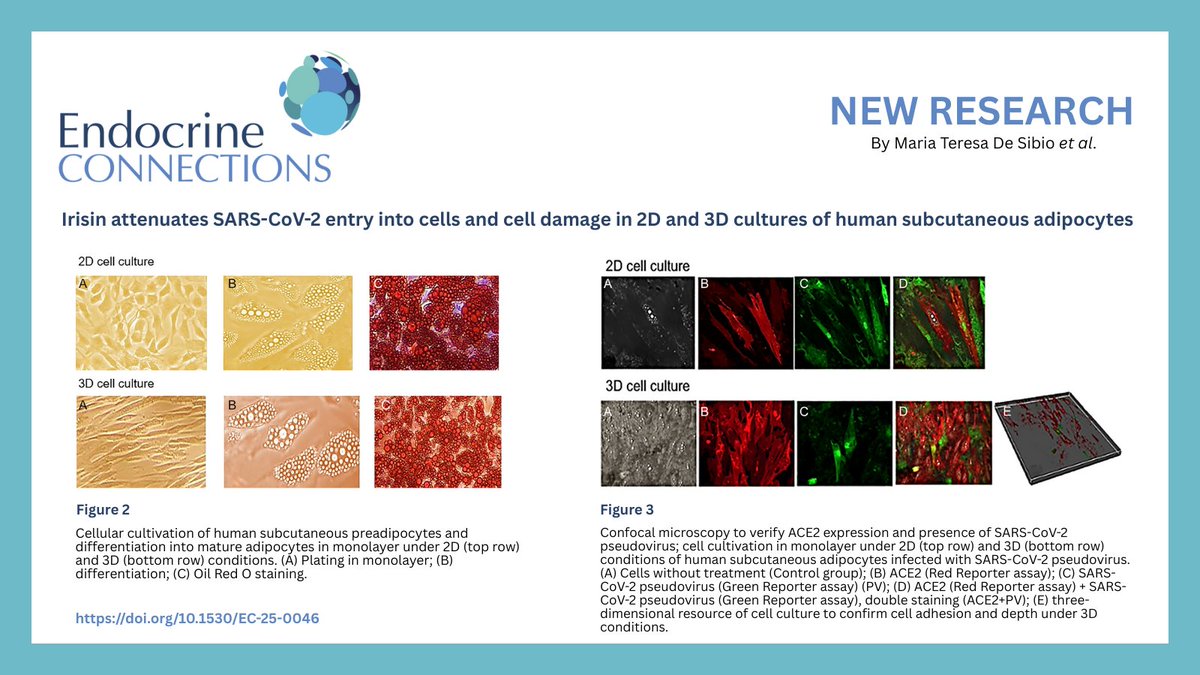
New research by Maria Teresa De Sibio et al. explores how the exercise-induced hormone irisin interacts with SARS-CoV-2 in human fat cell models.
Read the full article here: https://t.co/s4LDzJs0qu
What can leptin reveal about metabolism and development in children with severe obesity?
New research by Sabina Galiniak et al. explores how active leptin levels relate to fat mass, lipid profiles & puberty.
🔗Access the full article here: https://t.co/DMkEQkGkA8
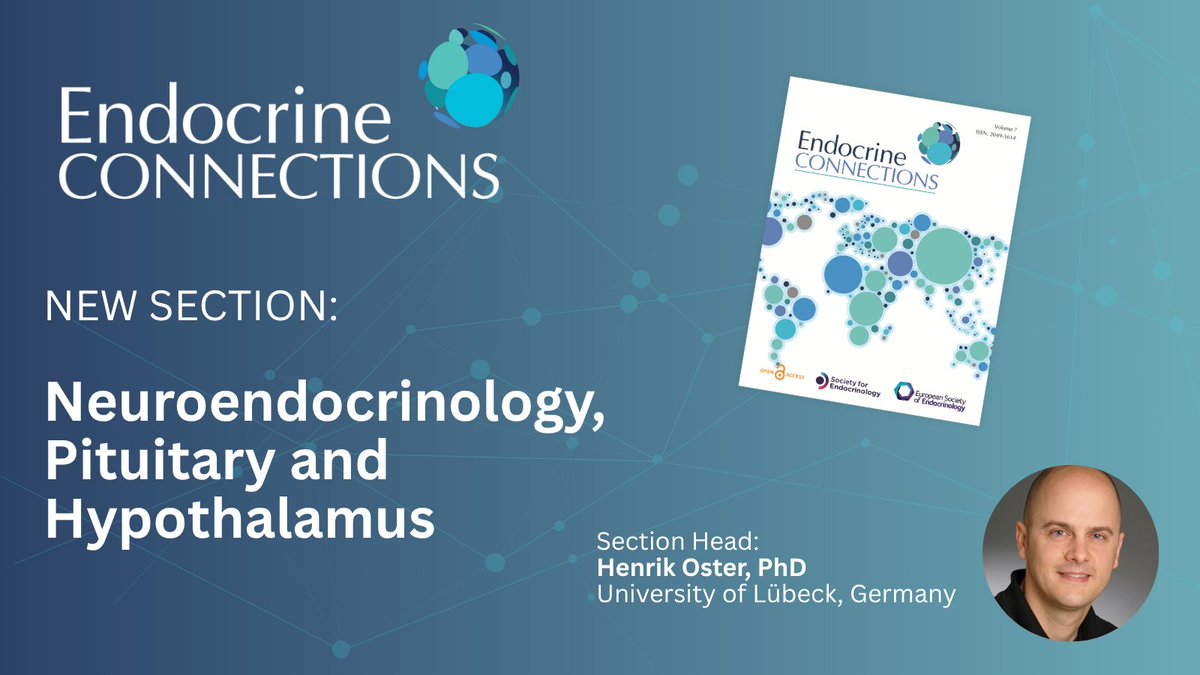
Section update in Endocrine Connections!
We're pleased to announce the expansion of our 'Pituitary and Hypothalamus' Section, now broadened to become 'Neuroendocrinology, Pituitary and Hypothalamus' - led by Prof. Henrik Oster @UniLuebeck.
More info: https://t.co/wq7MKTuPS8
ℹ️
Can blocking negative phosphorylation activate #AMPK and shift #metabolism?
New research by Alexia Pearah et al. explores this question in the first article in our special collection: Transcriptional Drivers of Endocrine Disorders.
🔗Read it here: https://t.co/ab5f4FVLFb
🌟 Explore the research behind the numbers!
To celebrate the increase in Endocrine Connections’ 2024 Impact Factor, we have curated a collection featuring our most-cited articles, highlighting the quality and impact of the work we have published.
🔗https://t.co/bv0spAr7ab
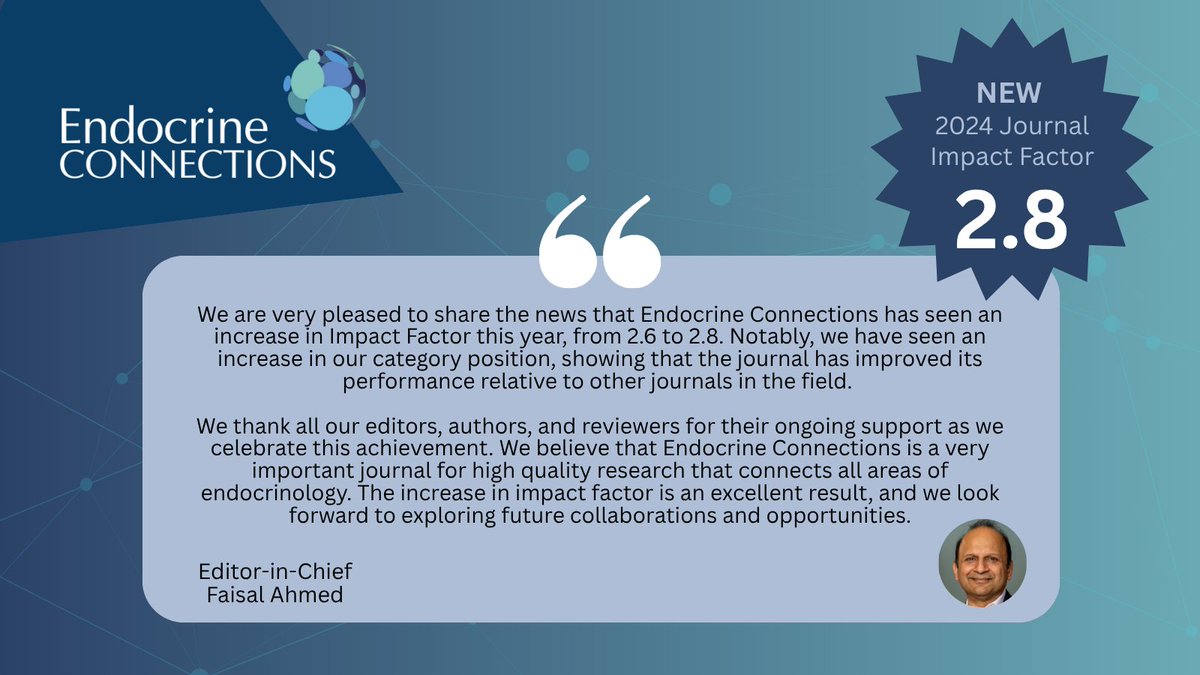
🎉 We’re delighted to share that Endocrine Connections’ 2024 Impact Factor has increased to 2.8!
Thank you to our dedicated authors, reviewers and editors - your continued support makes achievements like this possible!
EiC, Faisal Ahmed, shared his thoughts on this achievement:
How often is carotid artery constriction overlooked in autoimmune hypophysitis?
This latest review by Sasan Darius Adib @uni_tue et al. analyses clinical signs and outcomes in 19 cases.
Read the full article here: https://t.co/AQGlfdaHBy
How long does it take for adrenal function to recover after surgery for #CushingsSyndrome?
Annenienke C. van de Ven et al. shed light on recovery patterns and potential indicators of recurrence.
🔗 Read the full article here: https://t.co/OcdQegEJYj
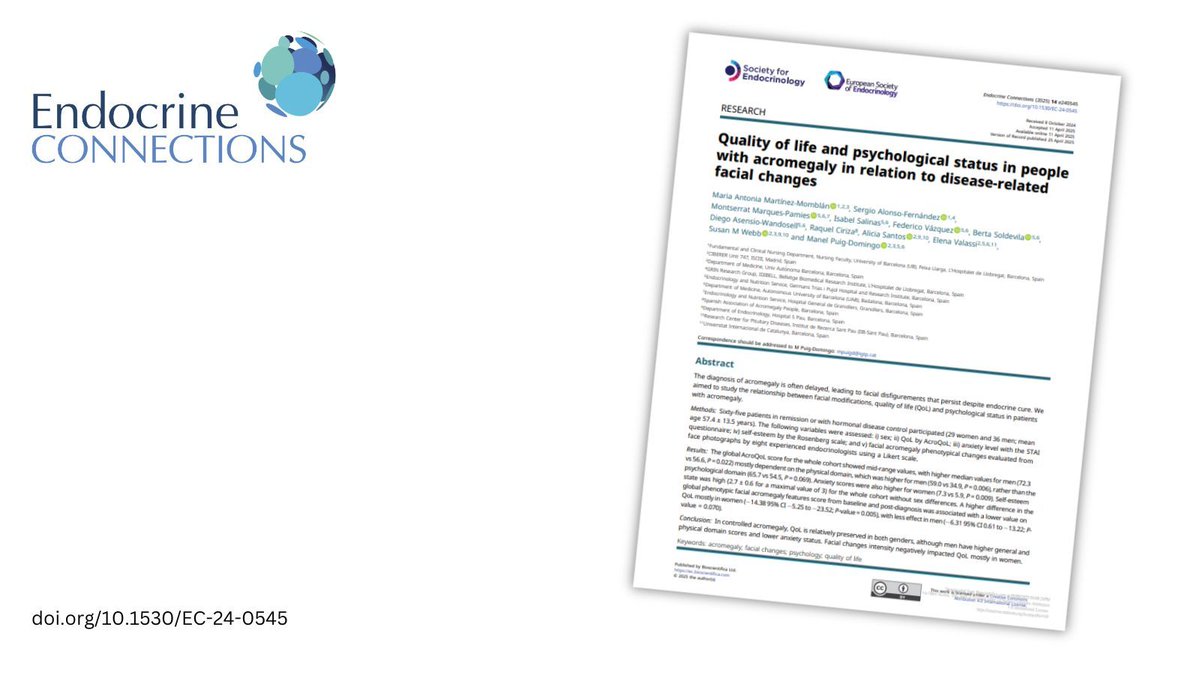
Facial disfigurement from #acromegaly can persist beyond treatment and significantly impact quality of life.
Maria Antonia Martínez-Momblán @UniBarcelona et al. shed light on the psychological effects of #acromegaly.
🔗 Read the full article here: https://t.co/bmbvgjEeTD