Making climate tokens for cycling (measured @RingRingFkm) and saving energy @warmetruiendag@Klimaatverbond.
Building a local climate economy on value of avoided CO2 emissions. Individual dashboard available, now ready for step 2: the community dashboard https://t.co/6sKYgwCXw2
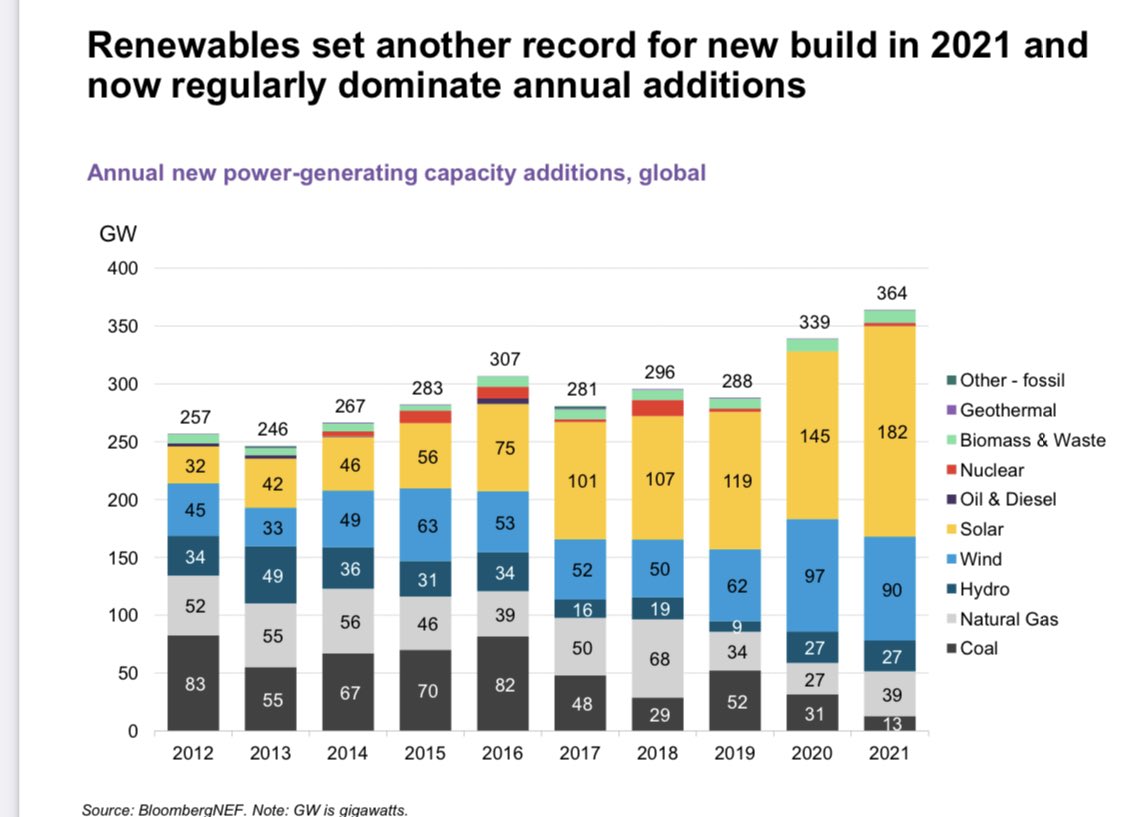
Renewables are unstoppable now.
More than 80% of new global capacity additions in 2021 were from solar (50%) wind (25%) & hydro (7%) compared to only 15% fossil generation provided by gas (11%) & coal (4%).
Great visuals and data by BloombergNEF https://t.co/rAACzKxqfj
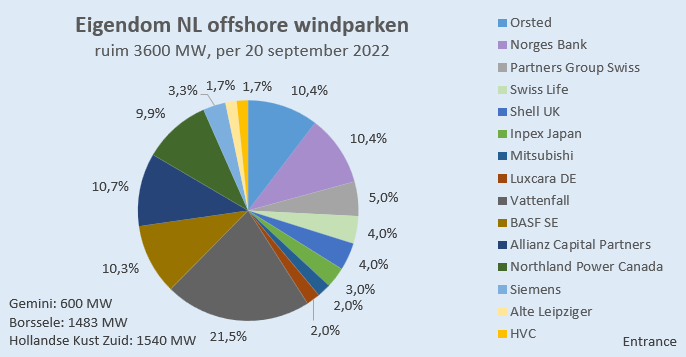
Nederlanders spreken graag over 'onze windparken op zee'. Nou, niet echt.
Vrijwel alle aandelen zijn in buitenlandse handen, voor een belangrijk deel van buiten de EU.
Alleen het Nederlandse HVC houdt dapper stand.
#grafiekvandedag
Brilliant analysis of how fossil, car and plane companies use misdirection and greenwashing in their social media to distract from their role in climate breakdown. Well done @GeoffreySupran and colleagues. 👏
Even if we phase out all oil, coal & gas by 2050, we still fail on holding the well-below 2°C limit, if we do not get nature back within safe planetary boundaries. We need a carbon law for Nature, and exponential roadmaps for nature climate solutions
https://t.co/Kw50N0kSb8
Important new analysis from @DrSimEvans on the relative energy benefits of solar farms vs. biofuels.
And the tiny impact of solar on food security compared to biofuels.
NEW report today by me & https://t.co/wwmFkXlcvZ @NCoC reveals European oil, car, & airline companies' systematic use of language & imagery (of nature & demographics) on social media to brand themselves as green, innovative, & charitable. THREAD. https://t.co/rEyLOVmkNv
In 2017 richtte ik samen met @GEO_Jan, @RingRingFkm, Brian Mulder Energycoin Foundation @EnergyCoinFdn op, om te verkennen wat blockchaintechniek zou kunnen betekenen voor het ruilen en sparen van vermeden CO2 uitstoot.
Later kwam daar CO2-voetafdruk expert @hugoschonbeck bij /1
When we destroy forests, overfish or burn coal, we are increasing gross domestic product.
It’s time to change an accounting system that counts the destruction of the planet as if it was the production of richness.
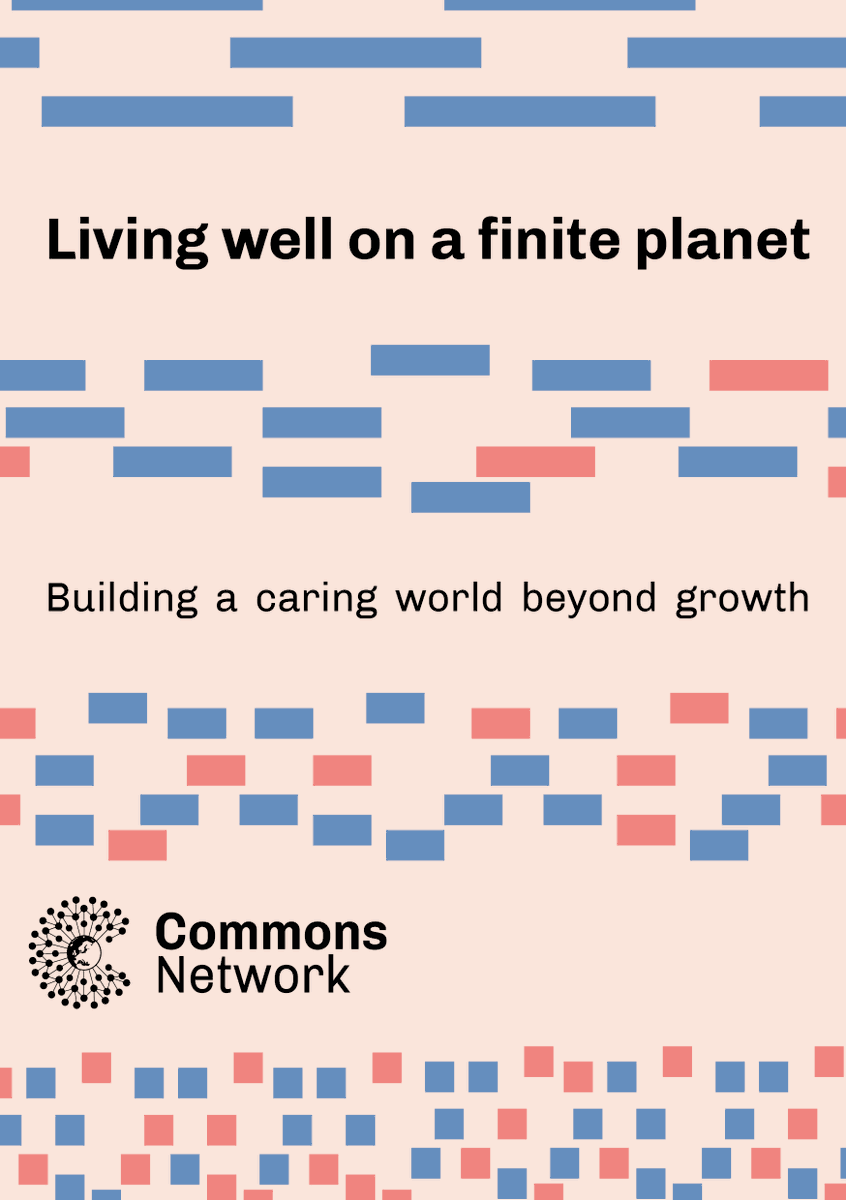
We are proud to publish our new report today. 'Building a Caring World Beyond Growth' is the result of a two-year exploration of feminist economics, planetary health, caring commons and post-growth thinking. And now you can read it: https://t.co/6gEX8vJAdB
Next Sunday #FinishFossilFuelDay could be a great day to stop using fossil fuels. How about a #carfreeSunday on March 27 in our cities? Or even more radical: close the energy-intensive industry for a day. For 🇺🇦 and for the climate! #dagtegengas https://t.co/CgthqZGytD
Check this out: @IEA thinks it's time for action too! For example, they advocate car-free Sundays in cities. One #carfreeSunday saves approx. 95,000 barrels of oil. So let's not use the car on #FinishFossilFuelDay, for 🇺🇦 and for the climate! #dagtegengas https://t.co/ZIMvfOrA9k
Aanstaande zondag is de #dagtegengas. Doe komend weekend mee: laten we zorgen dat 27 maart 2022 de geschiedenisboeken in gaat als energiezuinigste dag in jaren. Voor Oekraïne 🇺🇦 , voor je portemonnee en voor het klimaat 🌍 Vind allerlei handige tips op https://t.co/49sJEDv4IV
Is climate change going to be worse than expected?
Have scientists been systematically underestimating the impacts?
And if so how should we as science communicators convey this to the public & policy makers?
I delve into this unsettling topic in this 🧵 1/n
(Pic: L. Hogarth)