Many people don’t think about #energy as long as the lights turn on when they flip the switch. Eco:Logic aims to provide clear, accessible information to help people have smart and informed conversations about energy.
Learn more at https://t.co/BSmTkjRcnI.
#energytwitter
Abundance is a key part of the #energy conversation. As the world population grows and becomes more technology-reliant, energy #demand rises. It’s important to have energy sources that can keep up with that ever-growing demand.
#energy technologies are often better performing when paired. Capable of withstanding changes to the #grid and fluctuations in the weather. These integrated energy systems can lead to energy independence and smarter use of resources.
More here: https://t.co/9ZvlqKGzgV
Reliable energy is, arguably, most important to have during cold winter months🧣. When extreme weather hits it’s important to have #technologies feeding the grid that keep the heat on.
A strong #energy mix is key to maintaining #reliability.
It’s easy to overlook all the ways nuclear is already an important part of our regular lives. Whether it’s #agriculture, #medicine, #energy or more, nuclear plays a key role in providing services for Americans every day. (2/2)
Each year, #WorldNuclearEnergyDay highlights a key aspect of the nuclear energy and power industry. This year, the theme is “Nuclear in the Neighborhood,” recognizing the local benefits of #nuclear. (1/2)
Happy #Thanksgiving from Eco:Logic!
Let’s talk #turkey. It takes about 8 kWh of energy to cook your Thanksgiving bird and 14 kWh for the whole meal!
Reliable access to energy powers the holiday; enabling us to share a meal with loved ones and stay warm in the chilly weather.
Today is #NationalRecyclingDay! Recycling is one means to reduce waste, but it is also useful tool for reducing #energy usage. Recycling items like paper, plastic and metal usually requires less processing, reducing energy expended to turn them into usable materials.
The U.S. today announced a new partnership between countries working to implement their climate ambition pledges and accelerate transitions to #NetZero, resilient, and inclusive energy systems. https://t.co/rtsD3YR7iZ via @energygov
Establishing common ground is key when making decisions about the #energy that powers our communities. A foundation of understanding helps initiate real conversations about what energy portfolios will work for individual #communities.
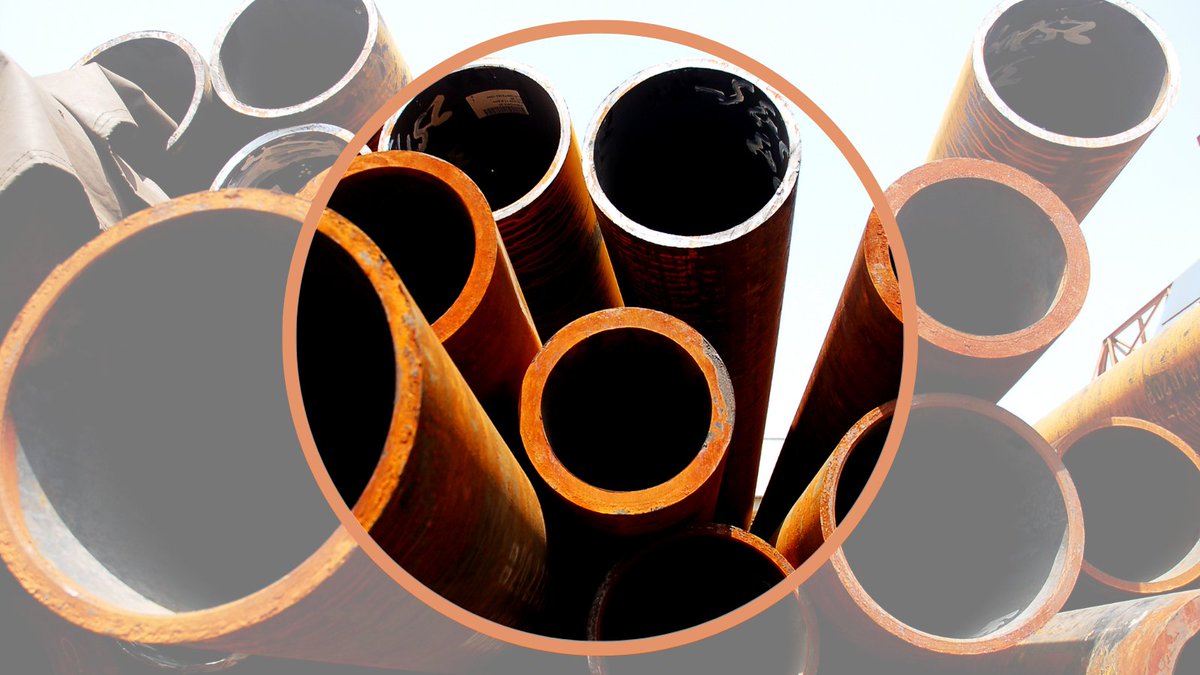
According to @worldsteel, an average of 1.85 tons of CO2 was emitted for every ton of steel produced in 2018. But if manufacturers use #nuclear energy produce the heat, they would reduce those carbon emissions to zero. #steelmaking
Heat drives many different industrial processes. Melting iron and other scrap materials to make #steel, for example, requires a lot of heat. This can lead to a large carbon footprint depending on what #energytechnology produces the heat.
Energy can come from a number of different places. This #NuclearSciWeek, let’s talk nuclear.
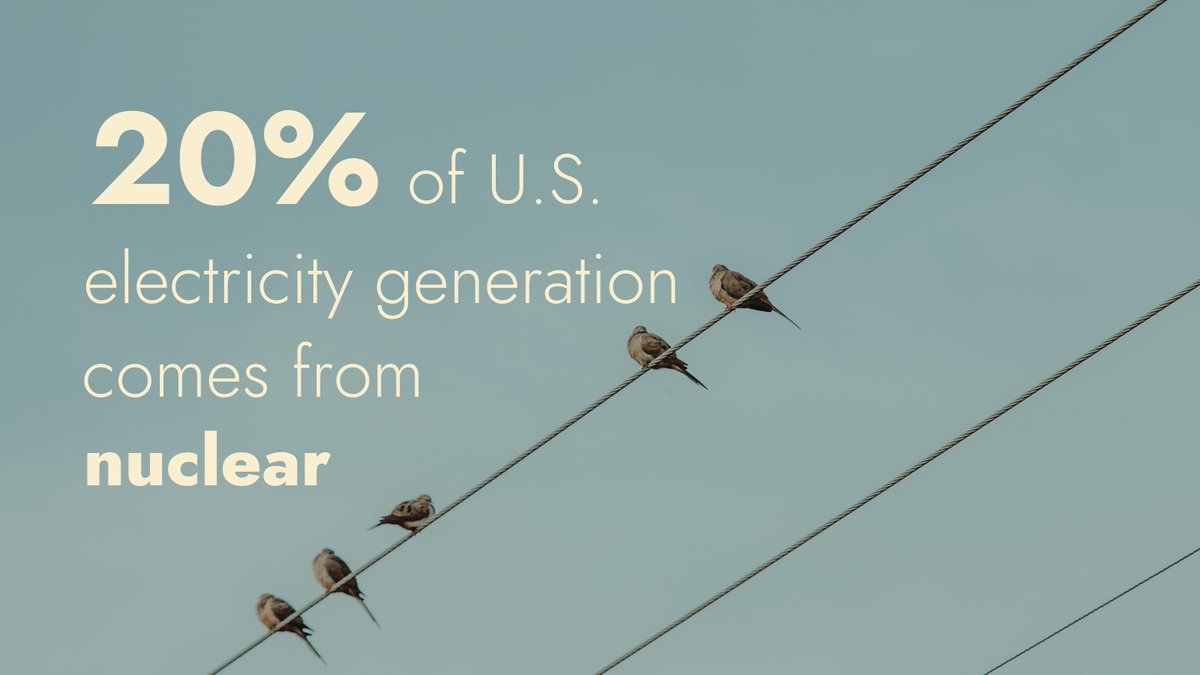
The U.S. uses nuclear for 20% of our electricity generation. It's a crucial part of the energy mix because it's carbon-free, reliable and pairs well with other #cleanenergy sources.
Nuclear science is an incredible asset to our nation. It delivers more than half of our nation’s CLEAN energy, creates jobs, and expands space exploration!
Join me in celebrating #NuclearSciWeek.⚡️
One suggestion presented by the @AspenInstitute in a 2021 report is to prioritize equitable access to affordable #CleanEnergy, ensuring that all kinds of communities have the opportunity to satisfy their energy needs using cost-effective, clean sources.
https://t.co/z5KPqQirW7
All #energy technologies should be accountable for their impact on people and the planet. Community members need a seat at the table when decisions about energy and infrastructure are being made. #environmentaljustice
Globally, around 1 billion people live without energy. This means people must resort to more dangerous options, like heating, lighting & cooking with an open flame.
Energy makes clean air and water, abundant food supply, efficient transportation & advanced health care possible.
Brewers across the U.S. are already finding ways to make their brewing processes more sustainable. Some turn to options like renewable heating and cooling, while others look at opportunities to partner with #cleanenergy companies to decarbonize their processes.
Brewing #beer requires a lot of water and energy. Everything from brewing itself to packaging to distributing to home refrigeration has a #carbonfootprint.