You can now contribute to our Today in Energy History event catalog! Let us know if there are any specific moments from energy history you think we should include by filling out this form: https://t.co/MjqcT4SSoK
On May 14, 1986, Secretary Herrington requests the National Academy of Sciences/National Academy of Engineering to make an independent safety assessment of the Department of Energy''s 11 major production and research reactors. #energyhistory https://t.co/hOLgTPBFmy
On May 13, 1999, NATO forces target the Serbian grid using graphite bombs that knock the power out, but don't destroy the grid. #energyhistory https://t.co/snSUPK2Y2f
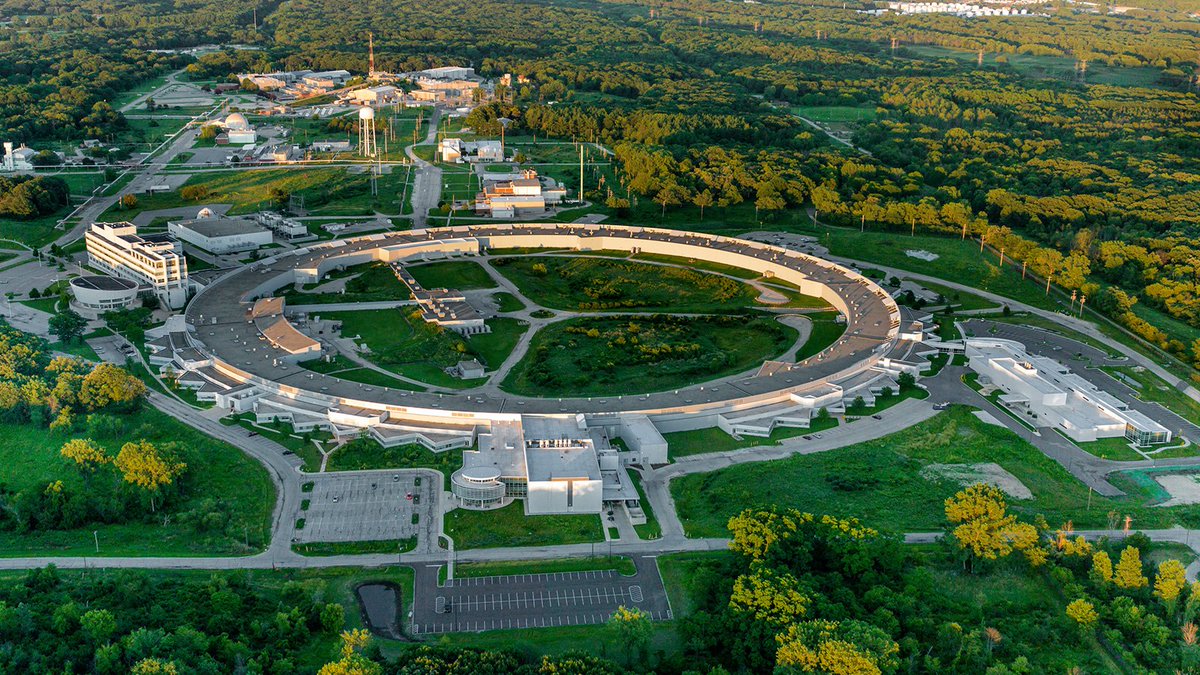
On May 12, 2003, the Department of Energy's Argonne National Laboratory hosts emergency management officials from Federal, state, and local agencies during the Top Officials 2 (TopOff 2) nationwide exercise. #energyhistory https://t.co/3uFyDrhBFj
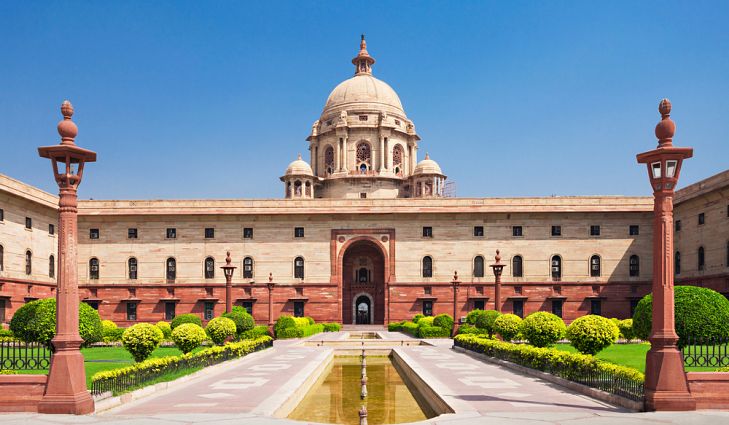
On May 11, 1998, India explodes several nuclear devices and the Indian government announces it has carried out a series of underground nuclear tests. #energyhistory https://t.co/AIi7SxcmXb
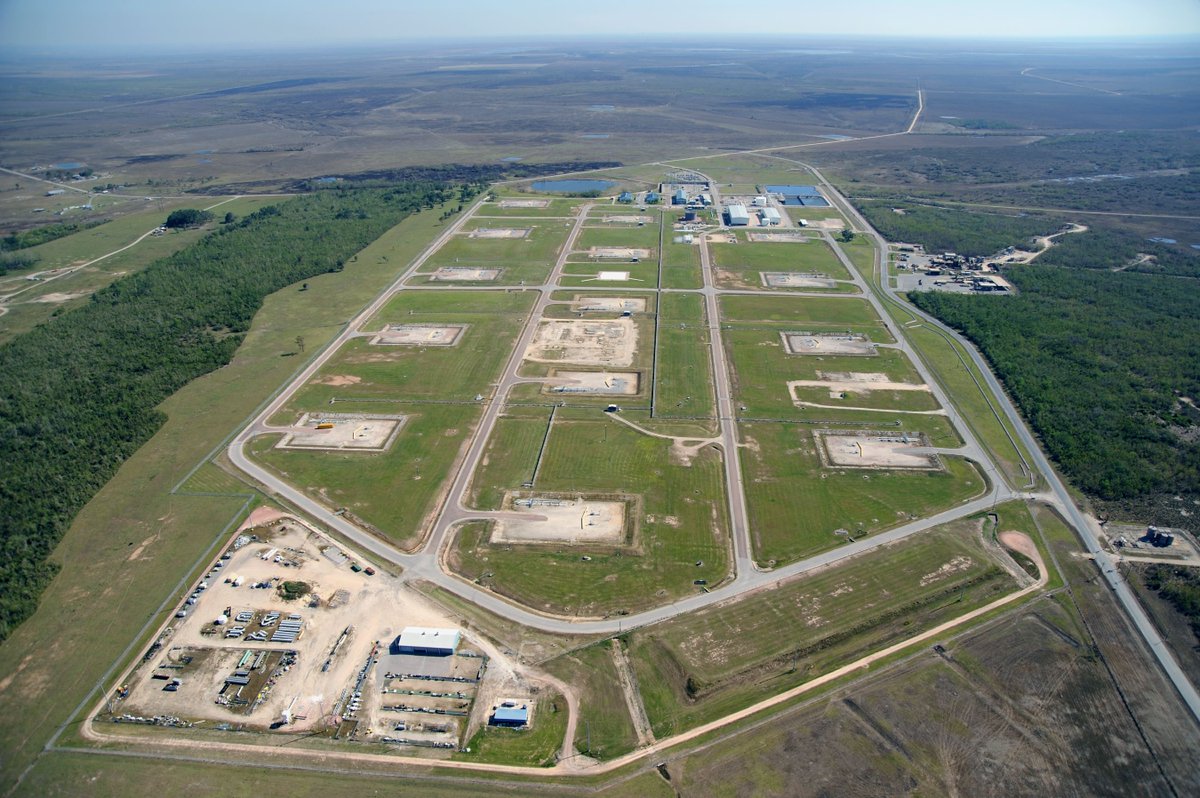
On May 10, 2007, the Department of Energy awards a contract to Shell Trading for exchange of 8.7 million barrels of oil produced from the Gulf Coast for crude oil meeting the quality specifications of the Strategic Petroleum Reserve (SPR). #energyhistory https://t.co/swnurYlnhB
On May 9, 2006, Secretary Bodman announces twelve sites as candidates to host the $1 billion FutureGen power plant, a project to demonstrate capture and sequestration of waste carbon dioxide from a coal-fired electrical generating station. #energyhistory https://t.co/pZmx32ZcZp
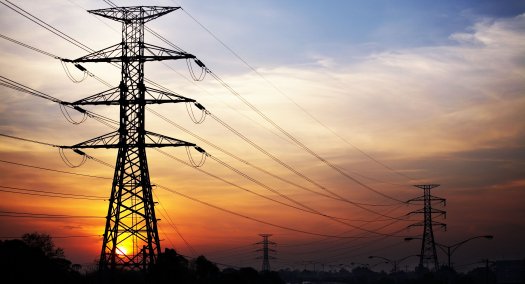
On May 8, 2002, Secretary Abraham releases the National Transmission Grid Study, developed to study the Nation's transmission system, identify transmission bottlenecks, and identify measures to eliminate those bottlenecks. #energyhistory https://t.co/dxoeyG1352
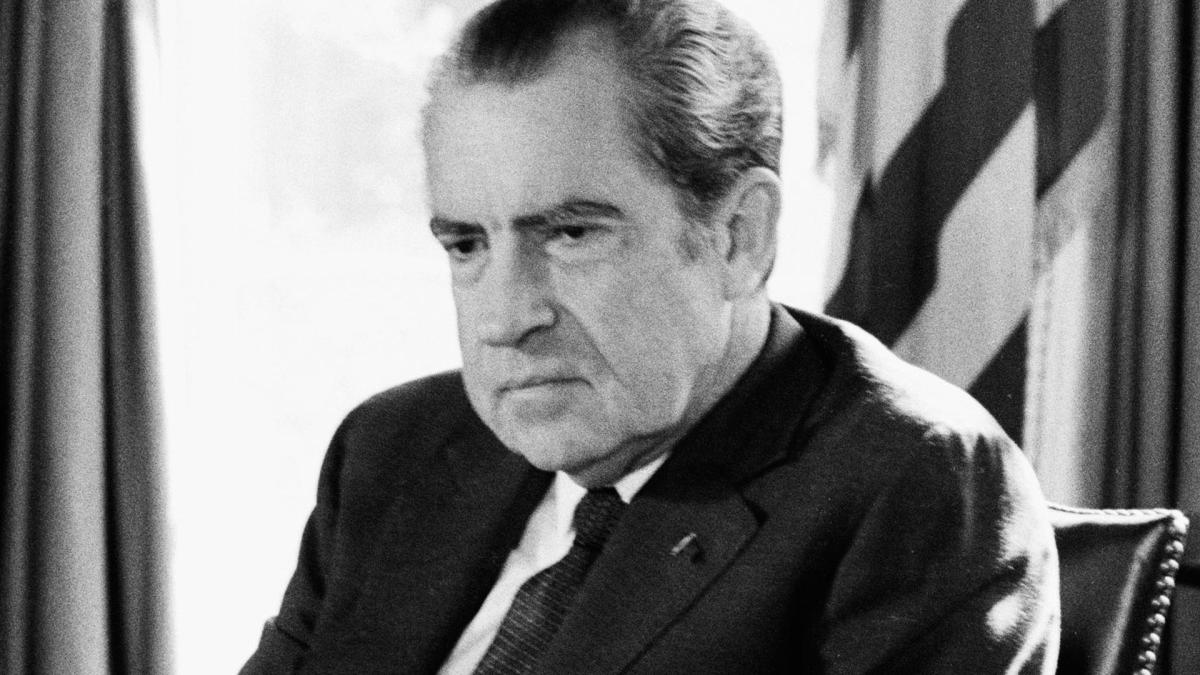
On May 7, 1974, President Nixon signs the Federal Administration Act of 1974. The Federal Energy Administration replaces the Federal Energy Office. #energyhistory https://t.co/DGuaKpxQU1
On May 5, 1984, the Itaipu Dam, a hydroelectric dam on the Paraná River located on the border between Brazil and Paraguay was opened. #energyhistory https://t.co/QwAleURJza
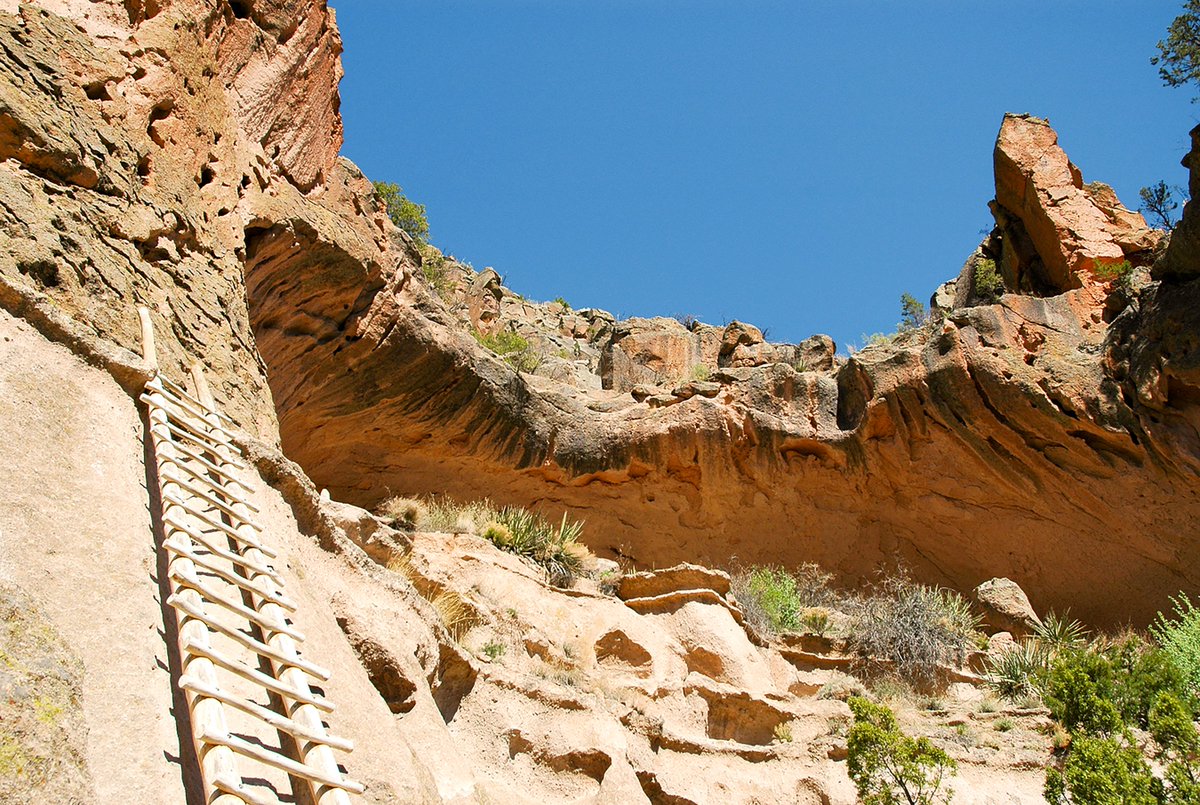
On May 4, 2000, a prescribed burn to clear brush at Bandelier National Monument in New Mexico burns out of control and becomes the largest-ever fire in the state, threatening the Los Alamos national lab. #energyhistory https://t.co/ZItzkUmFVh
On May 3, 2002, the Group of Eight (G-8) energy ministers meet in Detroit, Michigan, to discuss issues of common interest. #energyhistory https://t.co/kGPZ2jgvlA
On May 1, 2012, all of ConocoPhillips' midstream, downstream, marketing, and chemical operations were separated into a new company called Phillips 66. #energyhistory https://t.co/uN0B8NHfow
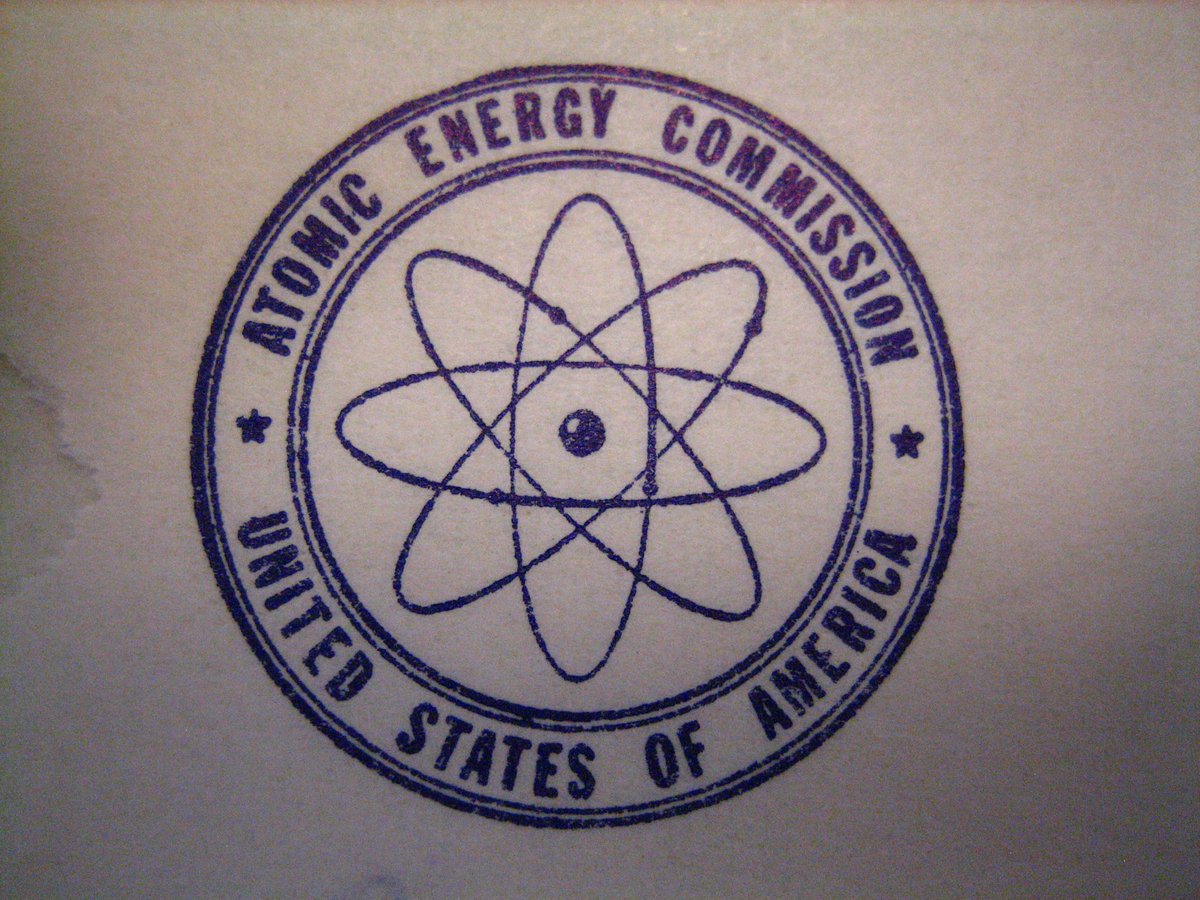
On April 30, 1962, the Atomic Energy Commission awards a contract to Stanford University for construction of the Stanford Linear Accelerator Center. #energyhistory https://t.co/oiKRsiVW6c
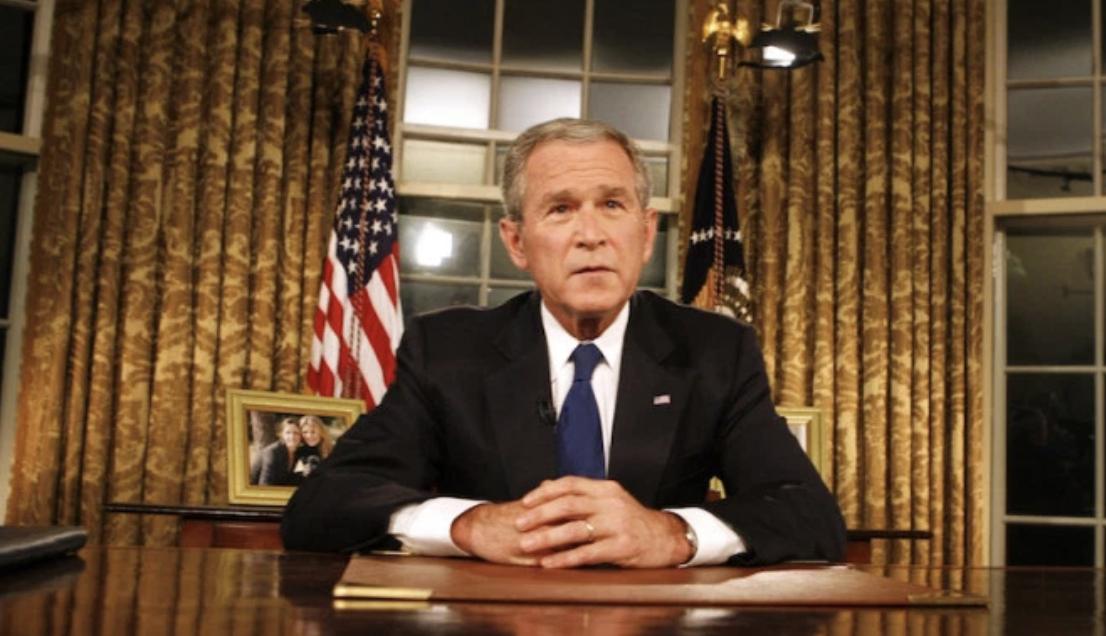
On April 29, 2008, President George W. Bush leads off his press conference with a discussion on energy issues and Congress such as high energy prices. #energyhistory https://t.co/pfqLRse7r8
On April 28, 2003, Secretary Abraham calls for the development of international collaboration in advanced research and development that will support the deployment of hydrogen energy technologies. #energyhistory https://t.co/V5E21yljOY
On April 27, 1999, the Department of Energy and the Department of Interior launch the Green Energy Parks Program, designed to increase the use of sustainable energy technology in the nation's parks. #energyhistory https://t.co/9A23JGFvca
On April 26, 1986, a major nuclear accident occurs at Chernobyl Reactor #4 near Pripyat, Ukraine in the Soviet Union, spreading radioactive contamination over a large area.#energyhistory https://t.co/KPrgEFu8AB