Rhode Island’s Clean Energy Internship Program connects college students interested in clean energy careers with Rhode Island employers seeking emerging talent.
Managed by the Rhode Island Office of Energy Resources and the Renewable Energy Fund, the program offers paid 12-week internships that give students hands-on professional experience while helping employers build Rhode Island’s clean energy workforce.
Since launching in 2019, the program has connected more than 200 students with approximately 40 participating clean energy employers.
Learn more about the Clean Energy Internship Program and opportunities for students and employers: https://t.co/KNZLMxbTEz
Shauna Beland, Director of Energy Programs and Policy at OER, will moderate a roundtable discussion as part of the Regional Energy Exchange at RE+ 26.
The discussion will take place on Wednesday, November 18, from 10:30–11:30 AM PST, bringing together regional stakeholders to exchange perspectives on clean energy market developments, policy, and emerging trends across the country.
Learn more about the event, explore the full speaker lineup, and see who's participating: https://t.co/UV6paymG7h
Since the Home Electrification and Appliance Rebate (HEAR) Program launched, OER has awarded more than $2.7 million in rebates to support hundreds of households across the State with electrical upgrades and energy-efficient appliances. For more information on the program, including how eligible low- and moderate-income households can apply and program results through the end of September, visit https://t.co/NSWoMP4AKE
Over October 2026, our solar and wind installations produced 116.4 MWh of electricity, avoiding 55.4 tons of CO2 and saving Rhode Island taxpayers $25,965.
Tune in on November 10 at 1 PM for the New England Heat Pump Accelerator’s annual webinar on the Accelerator program. The Accelerator aims to speed up heat pump adoption in homes across Connecticut, Maine, Massachusetts, New Hampshire, and Rhode Island.
This webinar will provide an update on the program's first year of implementation, including:
• Early program results and accomplishments
• Regional market trends and insights
• Workforce development activities
• State pilot efforts and community grants
• Opportunities for continued stakeholder engagement and feedback
Register here: https://t.co/5sw75In5cN
The Office of Energy Resources (OER) released the following statement in response to Revolution Wind achieving 100% operational status.
“Rhode Island and Connecticut selected the Revolution Wind project in 2018. It has faced a long road to completion, reflecting Ørsted’s and both states’ commitment to bringing this important energy project into full operation. Today’s announcement marks one of Rhode Island’s most significant renewable energy accomplishments,” said Chris Kearns, Acting Commissioner of the Rhode Island Office of Energy Resources. “Revolution Wind will be a valuable resource for our electricity system for decades to come, help reduce emissions over the long term, and diversify our state’s and the region’s energy-generation portfolios.”
Revolution Wind, located approximately 15 miles south of Rhode Island in federal waters, is a significant new source of electric generation for the region. Rhode Island contracted for 400 megawatts of Revolution Wind's capacity, while Connecticut contracted for the remaining 304 megawatts. Revolution Wind is expected to generate enough electricity to power approximately 350,000 homes.
Revolution Wind is projected to provide an estimated $374 million in savings over the 20-year power purchase agreement, as well as an additional $139 million in lower wholesale energy prices. Additional information is available in the Rhode Island Office of Energy Resources' assessment and analysis of the Revolution Wind Power Purchase Agreement:
https://t.co/MKr8ud4f8L
Tune in on November 10 at 1 PM for the New England Heat Pump Accelerator’s annual webinar on the Accelerator program. The Accelerator aims to speed up heat pump adoption in homes across Connecticut, Maine, Massachusetts, New Hampshire, and Rhode Island.
This webinar will provide an update on the program's first year of implementation, including:
• Early program results and accomplishments
• Regional market trends and insights
• Workforce development activities
• State pilot efforts and community grants
• Opportunities for continued stakeholder engagement and feedback
Register here: https://t.co/5sw75In5cN
The Rhode Island Office of Energy Resources (OER) today announced a new $11.5 million heat pump program to help eligible low- and moderate-income households in small multifamily buildings reduce the cost of energy-efficient heating and cooling systems.
The Rhode Island Small Multifamily Heat Pump Pilot will provide financial incentives for heat pump installations in residential buildings with two to four units.
OER has secured funding and launched heat pump programs expected to support more than $75 million in residential heat pump investments in the coming years, strengthening Rhode Island's clean energy economy and advancing efforts to reduce greenhouse gas emissions.
Learn more: https://t.co/vmVrS3aYWf
The Rhode Island Office of Energy Resources (OER) has updated its Strategic Goals and Results report with data through October 2026.
View the latest report: https://t.co/erGT5VTuLU
OER has updated its Lead by Example Programs Dashboard with results and data through October 2026.
Over the past several years, OER’s Lead by Example programs have:
*Supported more than 188 energy projects at state, municipal and school facilities across Rhode Island
*Driven more than $50 million in total project investments
*Generated more than $58 million in energy bill savings
Delivered significant long-term reductions in greenhouse gas emissions
Explore the latest results and program data:
https://t.co/AVOYSsmJ2G
Energy storage systems are an increasingly important part of Rhode Island’s long-term energy future. The Rhode Island Office of Energy Resources (OER) is advancing energy storage through rebate incentives, educational outreach and a voluntary model ordinance designed to help municipalities, local planners and fire officials evaluate energy storage projects. OER also provides year-round technical assistance to municipalities exploring energy storage opportunities in their communities.
In 2024, Rhode Island established a goal of deploying 600 megawatts of energy storage by the end of 2033 through the Energy Storage Systems Act. OER is tracking progress toward this goal, including the number of energy storage systems installed in each municipality.
Learn more: https://t.co/SZ0bpR8hXK
The Office of Energy Resources (OER), in collaboration with the Department of Environmental Management (DEM), completed LED lighting upgrades at 12 DEM facilities this year. These upgrades took place at beaches, parks and visitor centers across the state, improving conditions for visitors and employees while reducing energy consumption and emissions.
The lighting upgrades are expected to save more than 225,000 kilowatt-hours (kWh) of electricity annually, resulting in more than $38,000 in annual energy cost savings for DEM. This project is part of a larger, ongoing collaboration between OER and DEM to improve energy efficiency at DEM properties. Other initiatives include the installation of electric vehicle charging stations, HVAC upgrades, solar installations and weatherization improvements.
To learn more about OER's Lead by Example programs for state agencies, municipalities and public schools, visit https://t.co/mVfohmkLdm.
The Rhode Island Office of Energy Resources (OER) has completed energy efficiency projects in 27 municipalities through the federal Energy Efficiency and Conservation Block Grant (EECBG) Program. Supported by $2.75 million in federal and state funding, these projects are helping communities reduce energy consumption, modernize public facilities and lower long-term operating costs.
The EECBG Program, which ran from fall 2023 through fall 2026, was designed to strengthen municipal capacity and accelerate the adoption of energy efficiency improvements. Municipalities received federal formula funding, with OER providing up to $100,000 in additional support through the Regional Greenhouse Gas Initiative (RGGI). In total, the program awarded $1.5 million in federal funding and $1.25 million in RGGI funds.
Municipalities identified projects based on their facility needs, followed by competitive vendor selection and installation. Completed improvements include LED lighting, weatherization, heat pumps, geothermal heating and cooling systems, building automation systems, boiler replacements, high-efficiency windows and doors, and energy-efficient appliances. Together, these upgrades are helping municipalities lower energy costs and reduce greenhouse gas emissions.
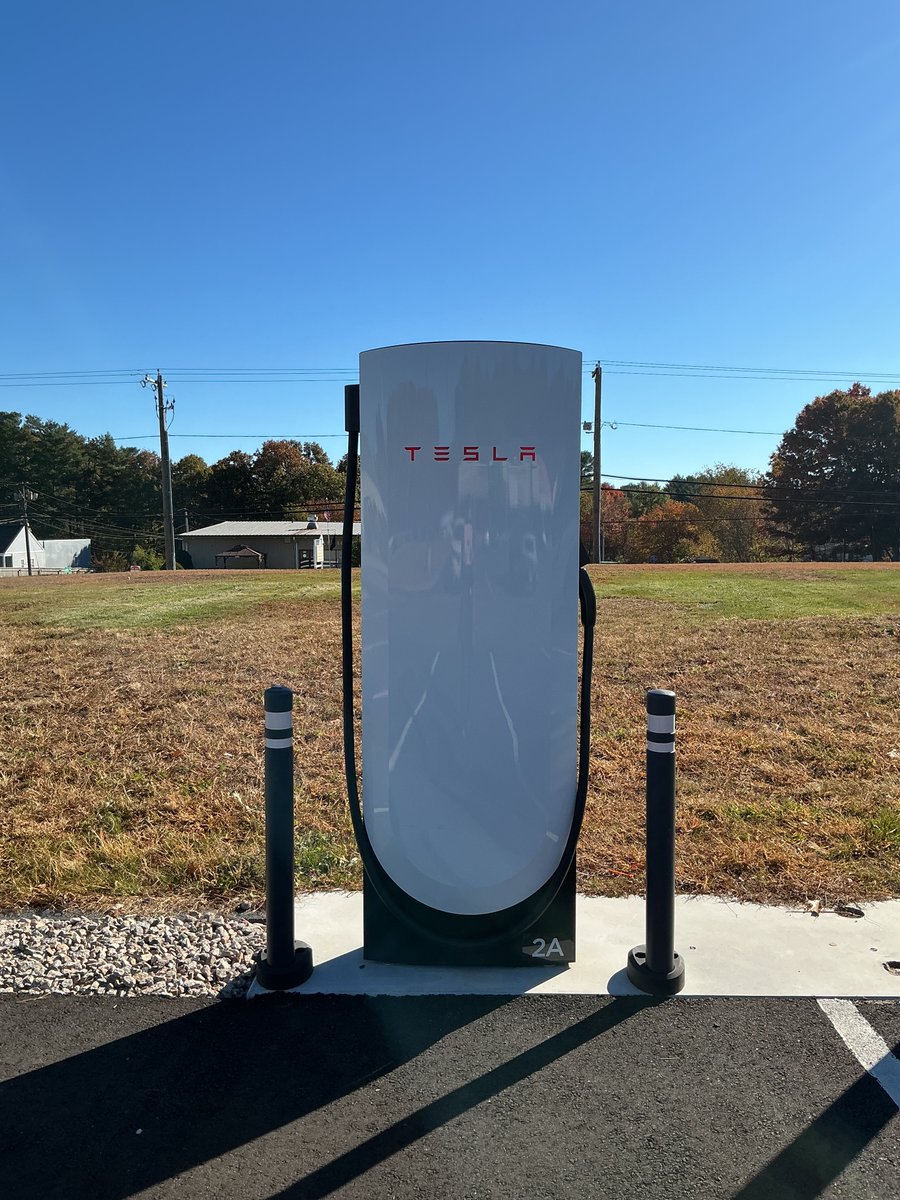
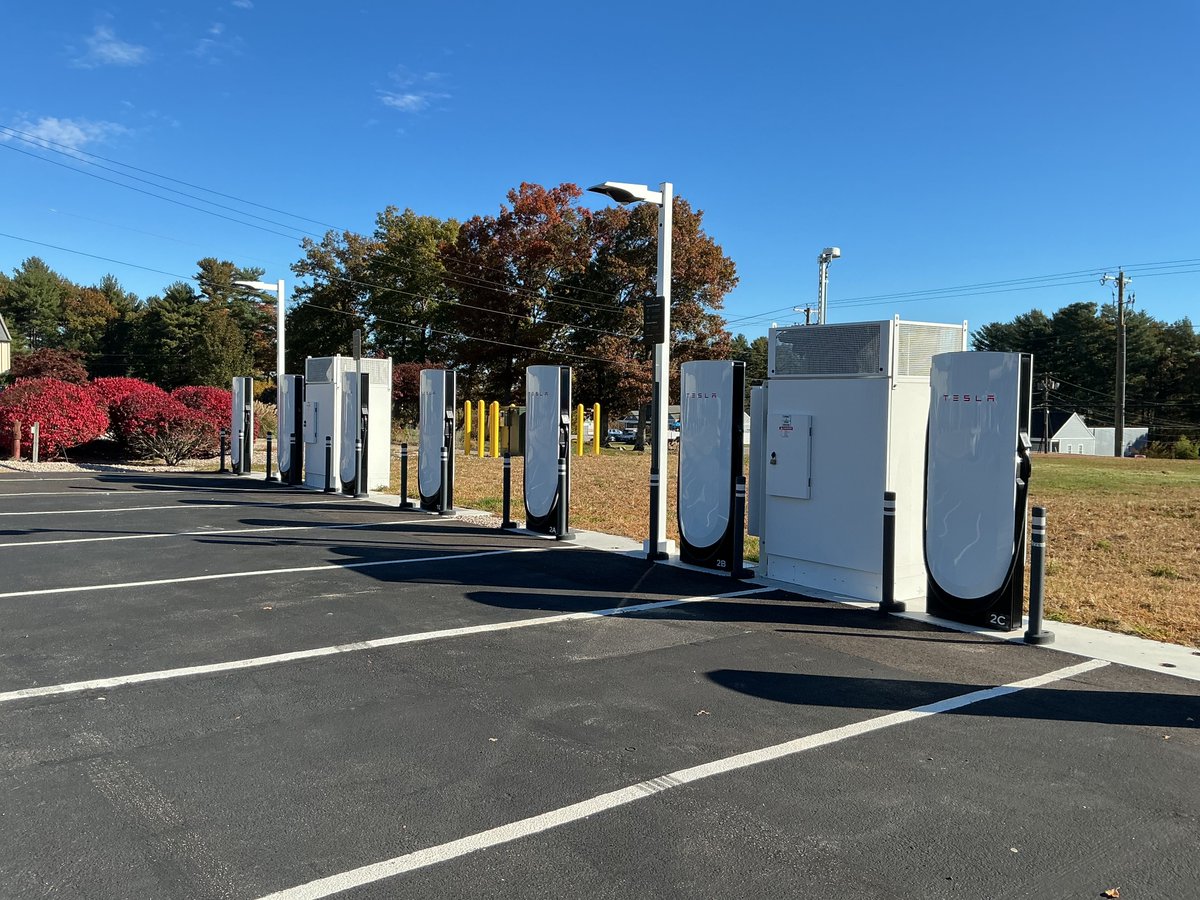
More EV charging options are now available in West Greenwich!
Twelve publicly accessible DC fast charging stations have been installed at Exit Six Plaza, located at 45 Nooseneck Hill Road in West Greenwich, just off Interstate 95 at Exit 18.
Seven of the 12 charging stations were funded through Rhode Island’s National Electric Vehicle Infrastructure (NEVI) Phase 2A program, which supports the expansion of public EV charging infrastructure across the state.
The charging stations are available to the public 24 hours a day, seven days a week, providing more convenient charging options for Rhode Island residents and visitors.
The Office of Energy Resources (OER) announced today that work will begin in 2027 on two integrated solar carports, battery storage and electric vehicle charging station projects on the state’s Capitol Hill campus parking lots because of a $4.5 million federal earmark secured by U.S. Senator Jack Reed that is being matched with OER funding for the projects.
OER has also secured a 5% safe harbor expenditure for the projects toward qualifying for the federal Clean Electricity Investment Credit (CEIC) under Section 48E of the Internal Revenue Code. Subject to eligibility requirements, the projects are expected to qualify for the CEIC equal to 30% to 40% of the eligible project costs in 2028. The estimated value of the federal energy tax credit to Rhode Island for the projects will be between $3 million and $3.7 million. Construction is scheduled to begin toward the end of the first quarter of 2027, with the systems needing to become operational by late 2027 to secure the CEIC.
Through OER’s Lead by Example Program, in addition to these pending solar carports and battery storage projects, we have been advancing energy efficiency, renewable energy and clean transportation investments with state agencies, municipalities and public schools across Rhode Island over the past few years. To date, those efforts have resulted in more than 185 completed or ongoing energy projects, representing more than $48 million in investments.
The Office of Energy Resources (OER) is working with the Narragansett Indian Tribe to improve energy efficiency in tribal buildings. An OER-supported LED lighting project, funded through the Regional Greenhouse Gas Initiative (RGGI), will upgrade lighting across all tribal buildings and is scheduled for completion in late 2026. OER looks forward to continuing this partnership with additional energy efficiency improvements in 2027 and beyond.
Installation milestone at the Bristol Armory!
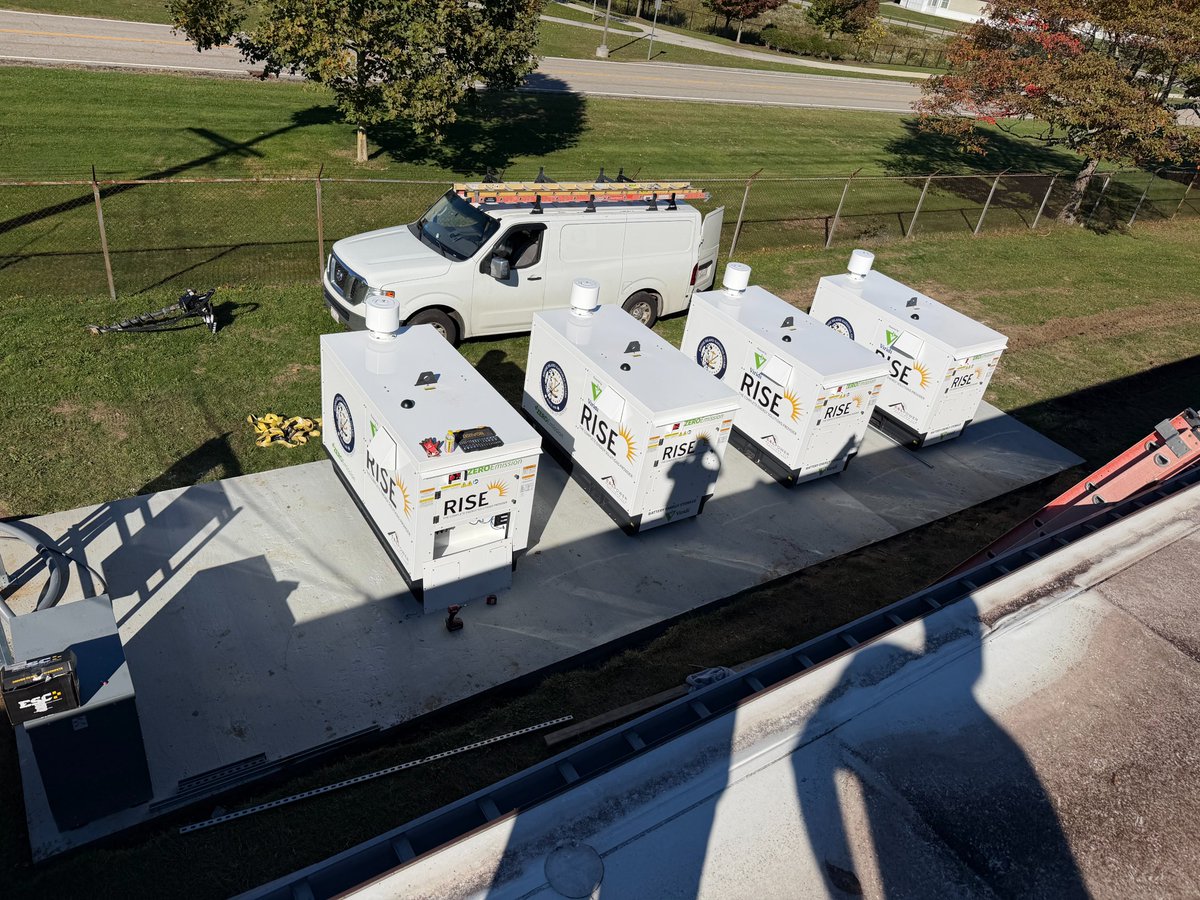
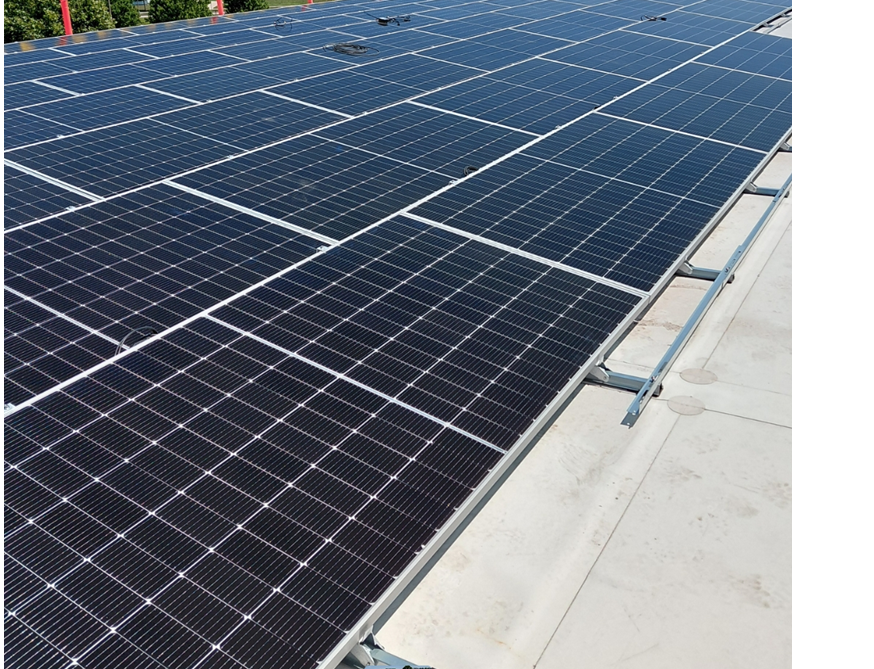
New rooftop solar and battery storage are now installed at the Rhode Island National Guard's Bristol Armory.
The Rhode Island Office of Energy Resources and the Rhode Island National Guard worked together to develop this project, which pairs a new 52 kW rooftop solar array with a 120 kW / 587 kWh battery energy storage system. Together, they give the armory clean, on-site power and backup capability to keep critical operations running when the grid goes down.
The project was co-funded with proceeds from the Regional Greenhouse Gas Initiative (RGGI), putting carbon market revenue back to work strengthening the resilience of a facility Rhode Islanders count on in emergencies.
Thank you to the Rhode Island National Guard team and our installation partners for reaching this milestone.
Rhode Island’s clean energy economy needs skilled people, and OER is investing in programs that help them get there. One of those efforts is the Training for Residential Energy Contractors (TREC) program. Funded by a $1.15 million U.S. Department of Energy grant, TREC is helping Rhode Island build the contractor workforce needed to deliver home energy efficiency and electrification upgrades.
Working with partners including Skills for Rhode Island’s Future, Building Futures, and Community College of Rhode Island (CCRI), TREC aims to:
*Reduce the cost of training skilled employees;
*Provide testing and certifications of contractors trained and educated to install home energy efficiency and electrification technologies; and
*Partner with nonprofit organizations to develop and implement a State-sponsored workforce program.
These goals include expanding the state’s Clean Energy Internship Program to high school students, who can intern with energy-efficiency companies during the summer through the PrepareRI program hosted by Skills for Rhode Island’s Future. They also include providing pre-apprenticeship and apprenticeship opportunities for new and incumbent workers in the heat pump industry through partnerships with CCRI and Building Futures.