The proposed merger between King’s College London and Cranfield University reflects how higher education is evolving beyond standalone institutions. Research, employability, industry collaboration and innovation are becoming increasingly interconnected. https://t.co/UqBFIwcgRa
Students are starting to evaluate universities differently. Reputation still matters but many are also asking whether the learning environment actually reflects the way technology is reshaping the workplace. That’s a significant shift for higher education. https://t.co/NDD35KSGpM
Higher education is reaching a point where it’s starting to shape how institutions actually operate. Institutions are taking a step back and assessing the bigger picture by asking: where does AI genuinely improve how we run, and what happens if we follow that through properly?
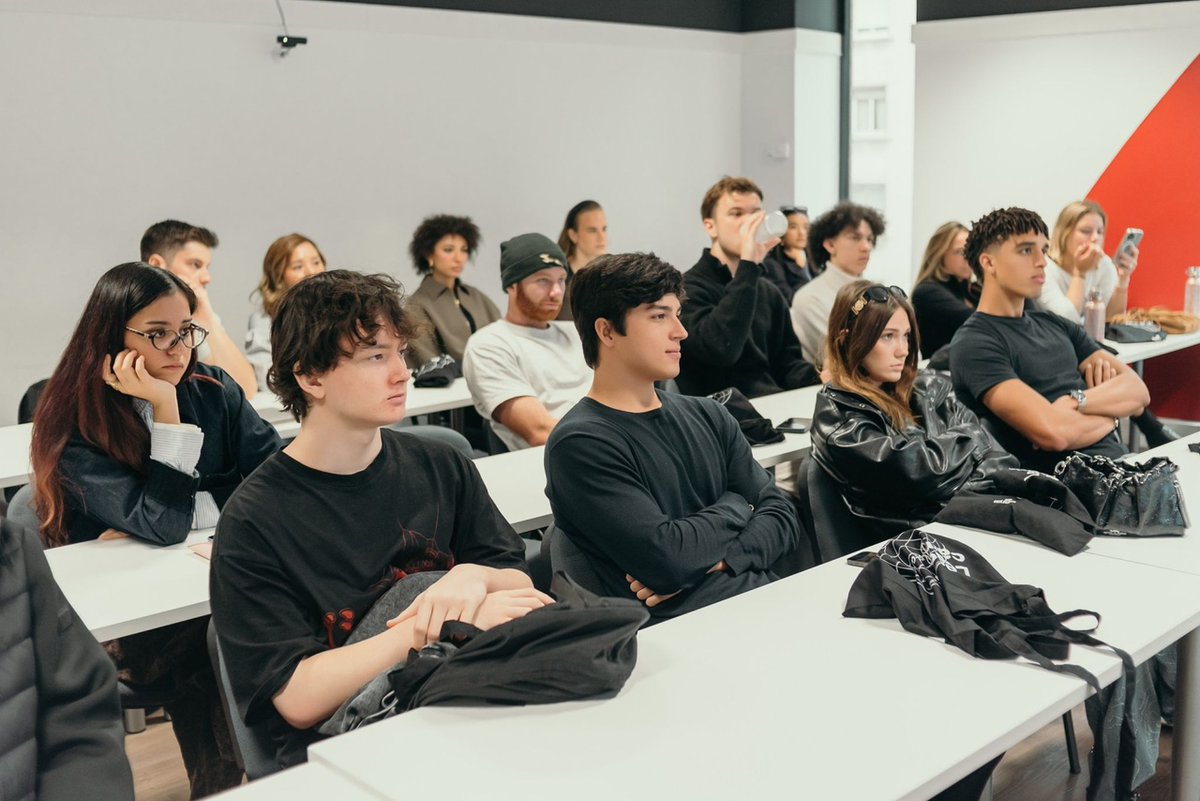
Across our campuses in Barcelona, Madrid, Malta, and online, a new group of students has just arrived. The year ahead will move fast with new challenges, and the key is to stay open and take it in as it comes, a that’s where a lot of the growth happens.
Had a few conversations that all pointed the same way. AI is changing what “ready for work” means, and it’s moving faster than most institutions. Employers already expect basic AI knowledge, but teaching hasn’t caught up yet. That gap is the real issue. https://t.co/r4gLRZ5xqz
Public trust in higher education is still sitting near historic lows. Only 16% of presidents think the sector has been even moderately effective in responding to that decline. Even more concerning, just 2% think it’s been highly effective. More here: https://t.co/TWZ6FPm1TV
With universities now expected to take on greater responsibility for students' mental health, we need to come to a consensus on what that responsibility should look like.
Without that consensus, mistakes and harm are inevitable. https://t.co/x2EhwoKHEb
Across Europe, students with highly educated parents are still more likely to enter tertiary education.
But more flexible entry routes, coupled with student data to check what is and isn't working, will be critical for closing the gap.
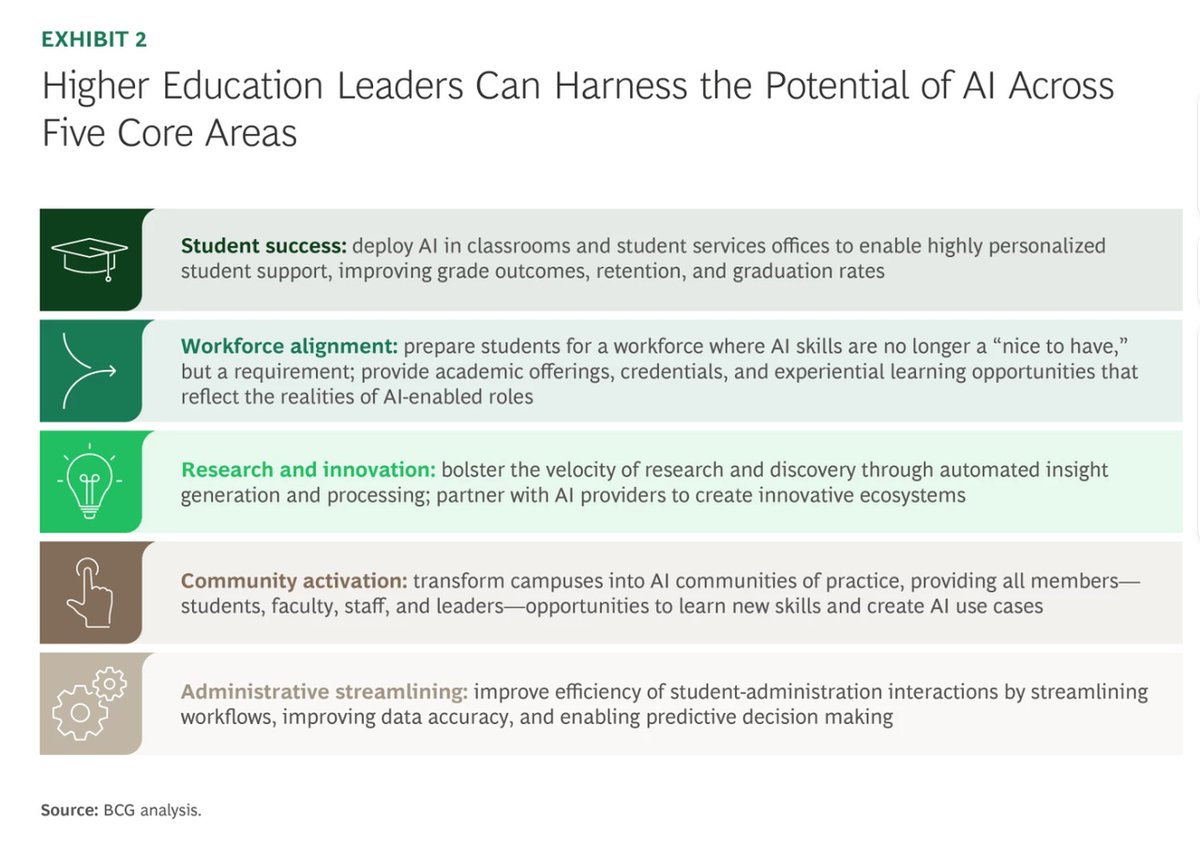
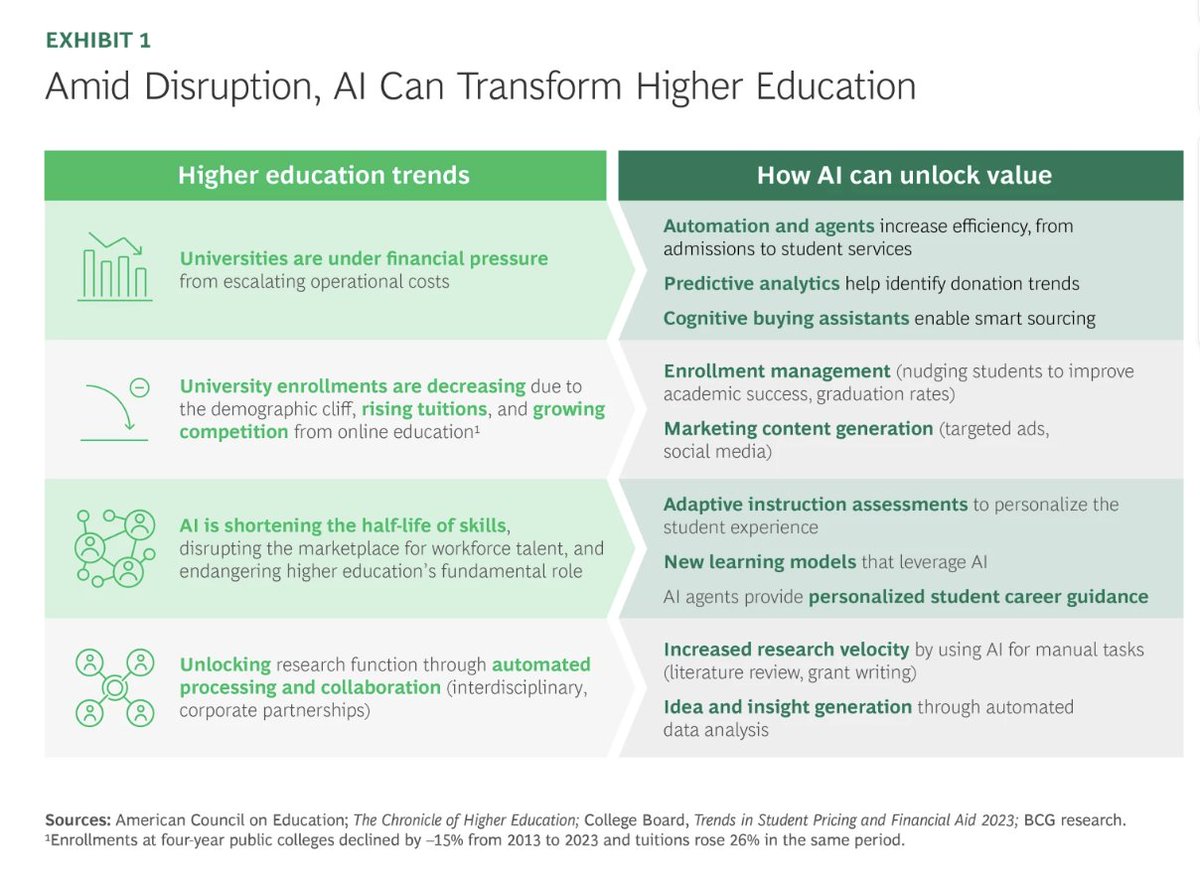
Higher education is under real pressure. However, I think it’s interesting how AI is being positioned here. Not necessarily as a one big fix, but as something that quietly improves lots of smaller parts across institutions, such as admissions and student services.
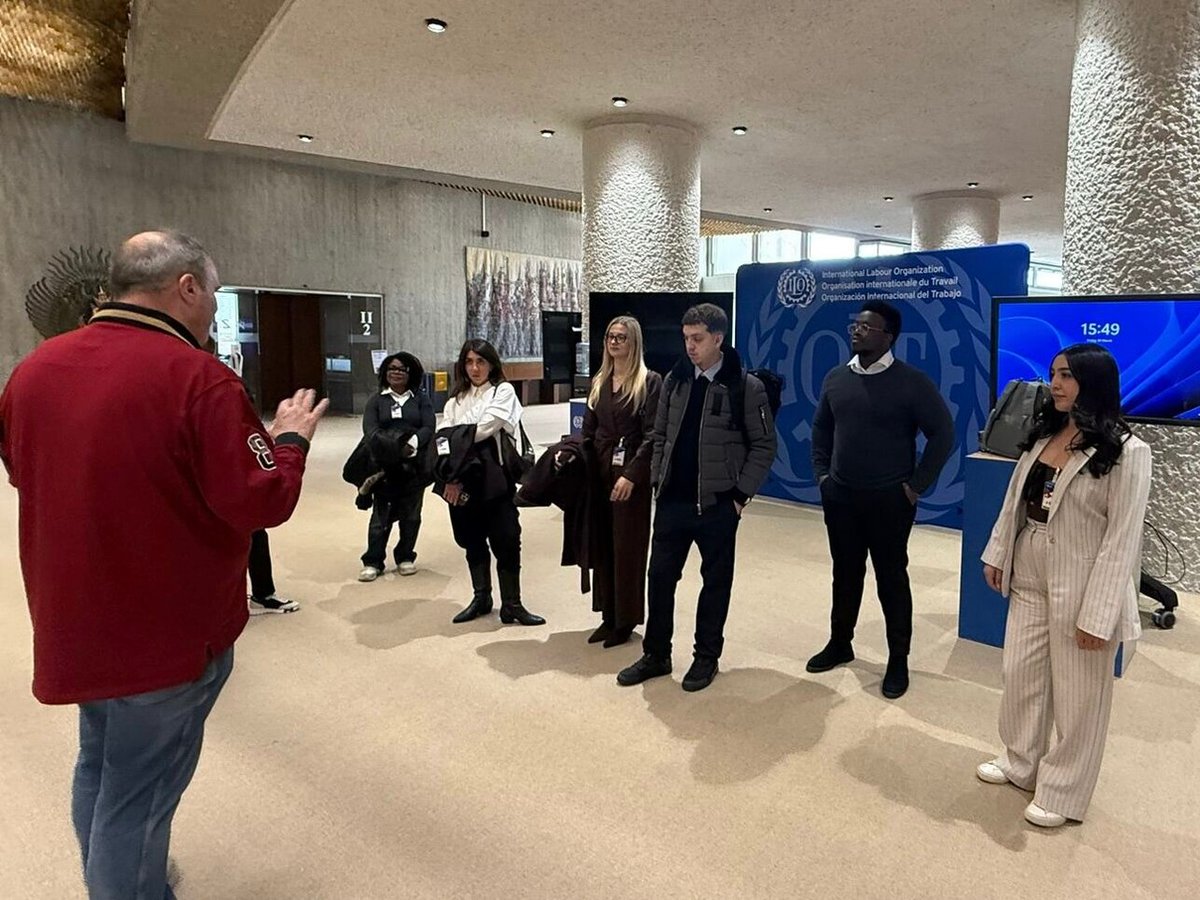
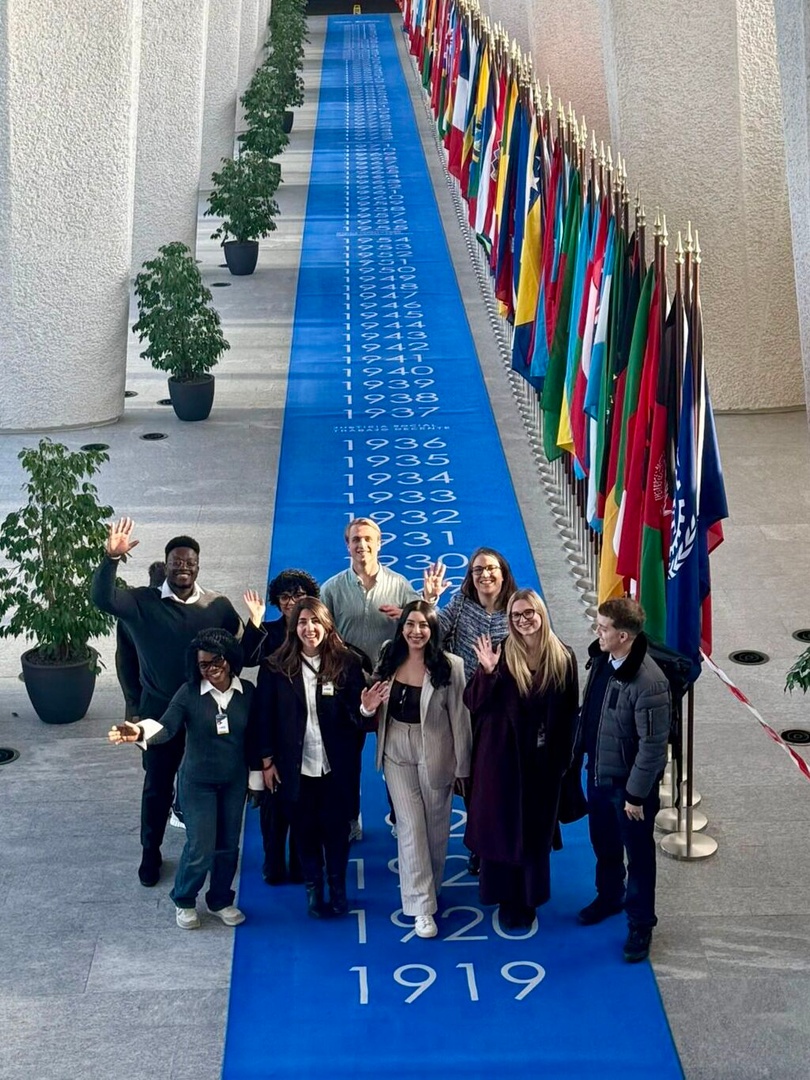
GBSB Global students recently took part in a Global Study Trip to Geneva. Time inside institutions like the WTO, WHO, and ILO gives context you don’t get in a classroom. You start to see how global systems really work. That’s where learning starts to land differently.
The Deloitte 2026 higher education trends report shows a clear trend in how students make decisions: 58% say they choose education to improve job prospects, well ahead of learning itself at 23%. Take a closer look here:
Interesting look at U.S. college costs in 2025.
🎓 Utah is among the most affordable.
🎓 Pennsylvania is the least affordable, with costs at 72.5% of household income.
Shows how the “cost of college” story really depends on where you live.
https://t.co/igMkSXpZaN
AI has already entered most classrooms. Around 60% of teachers say they now use AI in their teaching, while 35% say they don’t. That split is interesting: it shows us that AI isn’t experimental anymore, but it’s not universal either: https://t.co/jM2eYQAqpq
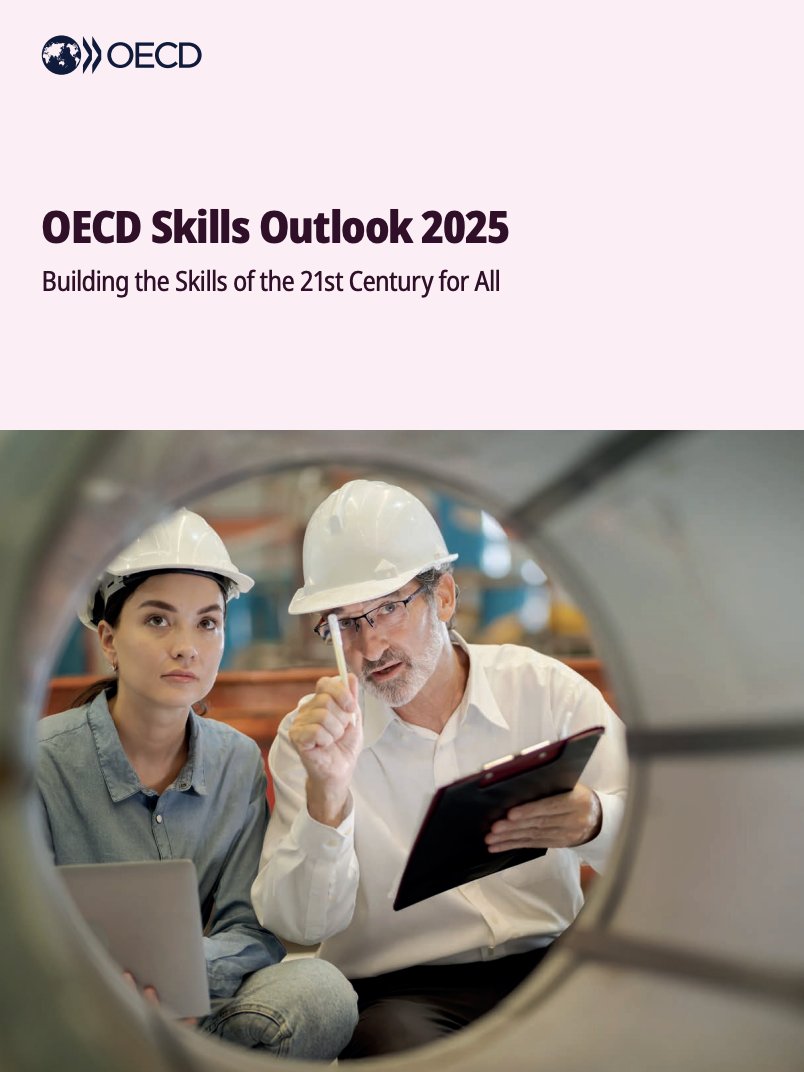
I’ve recently revisited the OECD Skills Outlook 2025, and it really cemented how quickly the role of education is changing, right in front of us. Education is moving away from delivering qualifications and more towards long-term employability: https://t.co/1teruXlwqr
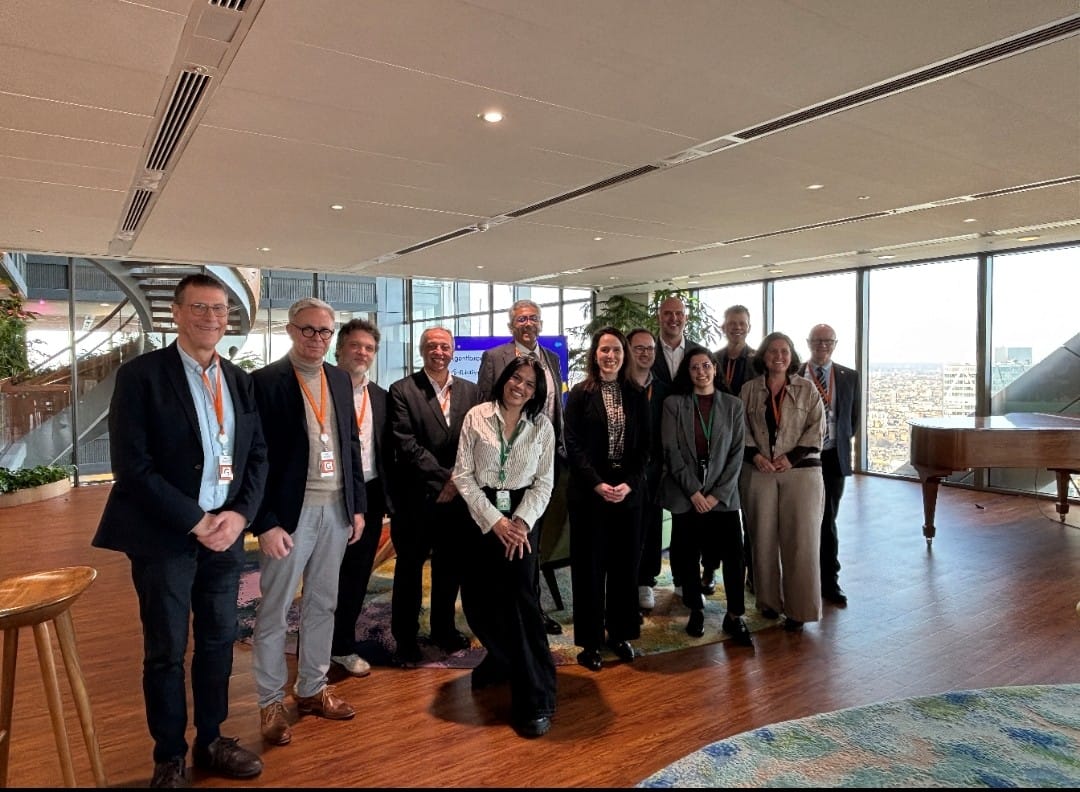
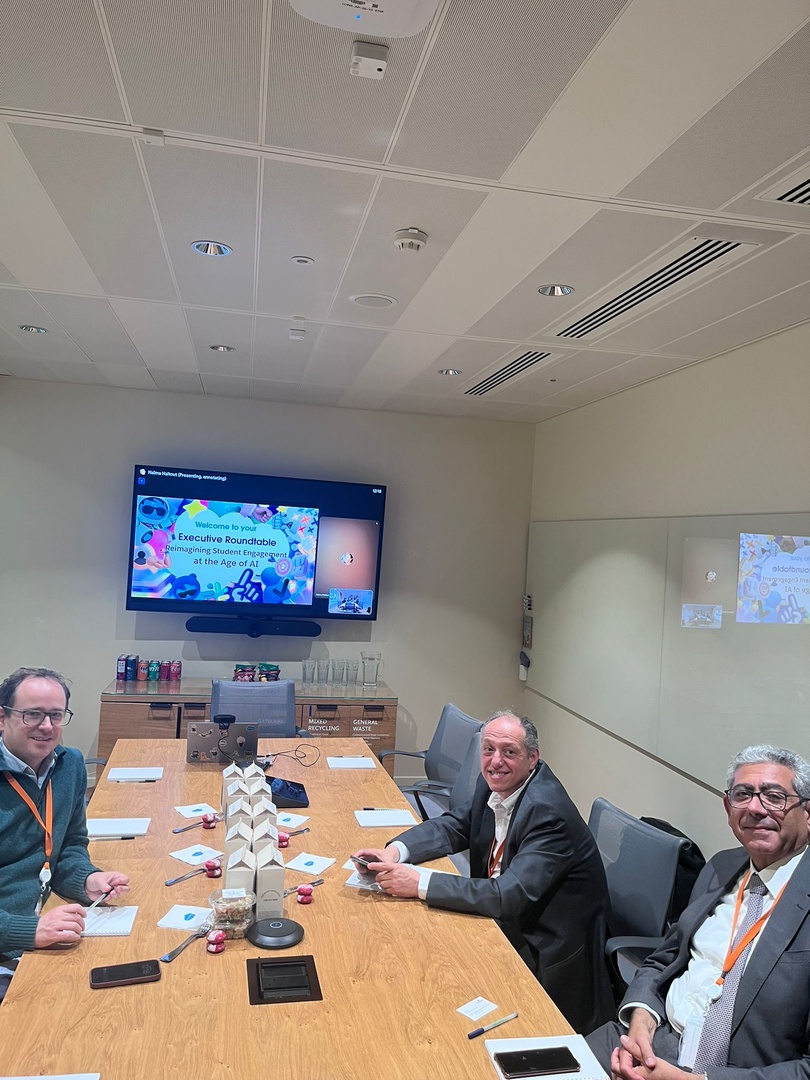
A few days in London with Salesforce and university peers sparked a lot of thinking about the future of the student experience. The message was clear: smarter automation and connected data matter, but the human element still has to stay at the centre.
Great to see two startups from our G-Accelerator Impact Call programme presenting at 4YFN Barcelona last week. NABLA and DIGIPAL took their ideas to one of the world’s leading startup stages.
Moments like this remind us why we built the programme. https://t.co/dDb0jWMp68
AI is great at the basics - reading, writing, images, speech. But humans still lead in thinking, judging, and making ethical choices. Perhaps, education shouldn’t compete with AI, it should teach students to work with it, and focus on what only humans can do.
The most interesting part of OpenAI’s #Education for Countries initiative is the system-level approach.
The real challenge in AI isn’t invention, but adoption. Education systems are where the gap between AI capability and real-world use is either closed or widened.
The #AI conversation in English language education is finally shifting in the right direction.
We’ve moved past “Will AI replace teachers?” to more important questions: why, when, and how should AI be used at all? https://t.co/F0GXpCVaPV
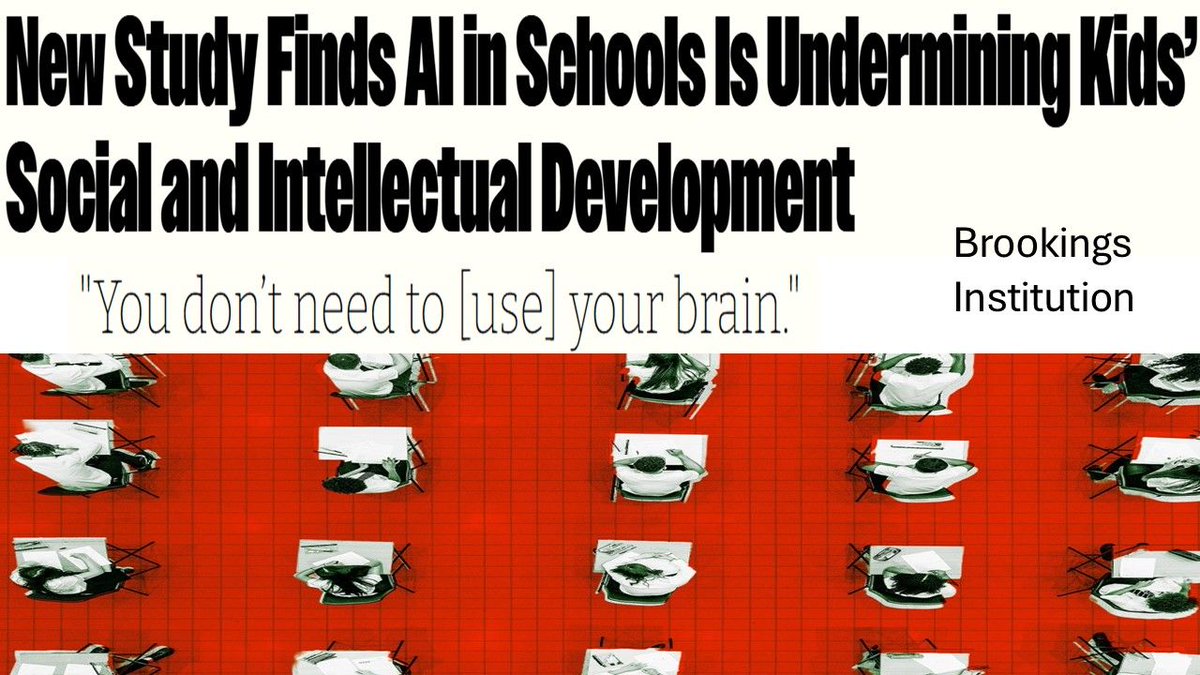
If learners are introduced to AI as a shortcut before they have developed critical thinking, metacognition, and social interaction skills, the long-term cost is predictable: weaker reasoning, lower tolerance for ambiguity, and reduced human-to-human engagement.