I cant emphasize this enough: If you weren't alive for it, or were too young to remember, the 1990's was the absolute peak of human existence. We were living through the golden age of the world, and had no idea how good we had it.
9/11 Felt big when it happened, but how were we to know that it was the end of the road?
cities spend millions on “activation” consultants to figure out how to make people linger in public space and ikea solved it with lingonberry sauce and a $2.50 breakfast. the answer was cheap food and a place to sit. it was always cheap food and a place to sit
Hiding the bins is the least interesting part of what the Netherlands built here.
Underneath each of these is a 4 cubic metre container serving a whole block, emptied by one operator who never touches a bag. Rotterdam alone runs about 4,800 of them.
The real upgrade is the sensor inside. Each container reports how full it is, so collection stopped running on a fixed Tuesday-and-Friday schedule and started running on demand. A truck rolls when a container crosses 70%, not when the calendar says so.
That single change collapses the route. Fewer stops, fewer trucks on the road, fewer labor hours, less mileage burned driving to half-empty bins.
The spotless street is a byproduct. Nothing sits at the curb because the drop-off point is below ground and the truck only appears when the data tells it to.
Most cities still run trash pickup on a fixed calendar. The Dutch turned it into a routing problem and let fill data decide when the truck moves. That's the part worth copying, and it has nothing to do with the crane.
American cities tend to have too many massive parks and too few small, integrated ones.
Like much of America, centralized green spaces surrounded by auto-centric infrastructure are just not that nice. They leave residential neighborhoods starved of smaller, everyday spaces.
Designing our cities exclusively around cars and car-related access is just repeatedly solving this geometry problem over and over again, but with diminishing returns.
Focusing on walking, biking, and taking transit is often better (and more fun).
Bicycles are hugely space efficient, which is why they make a lot of sense in congested cities. This video demonstrates why there aren’t traffic jams in bike lanes.
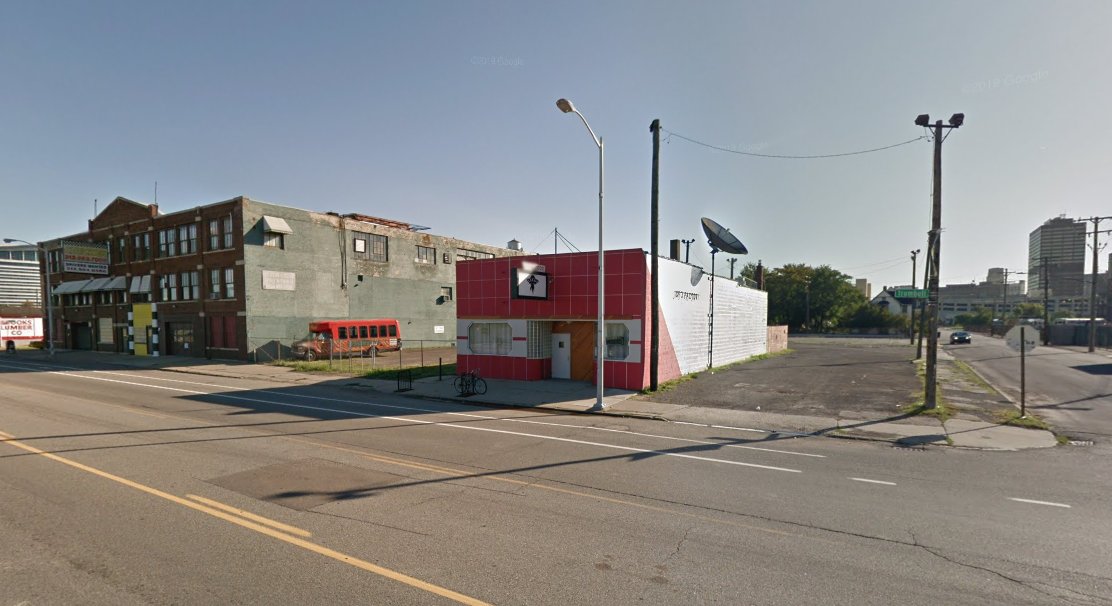
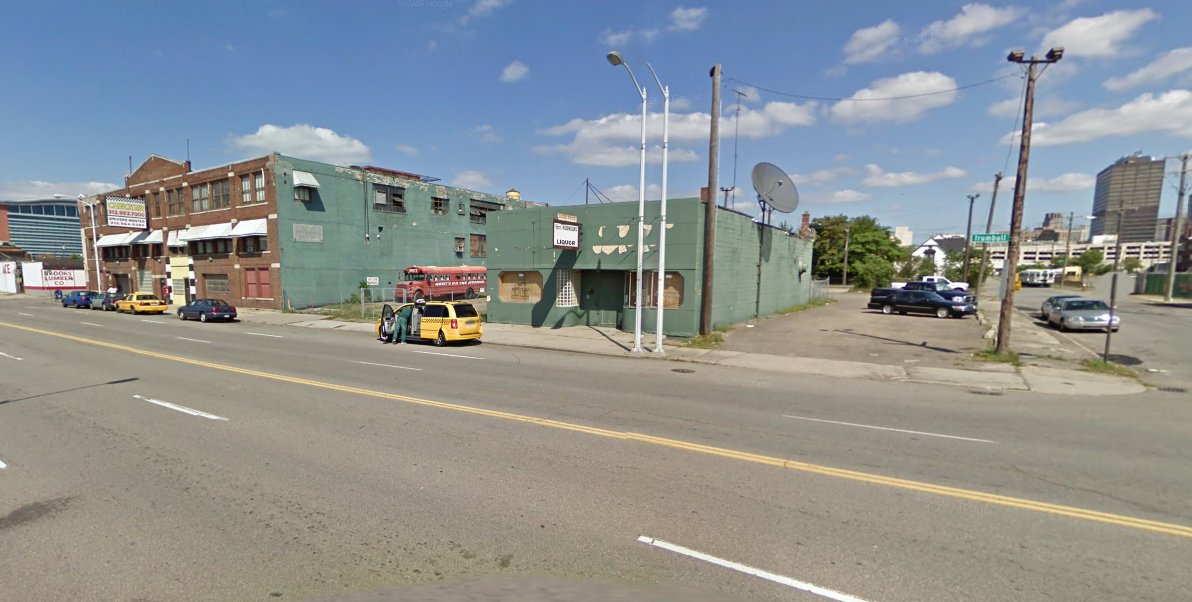
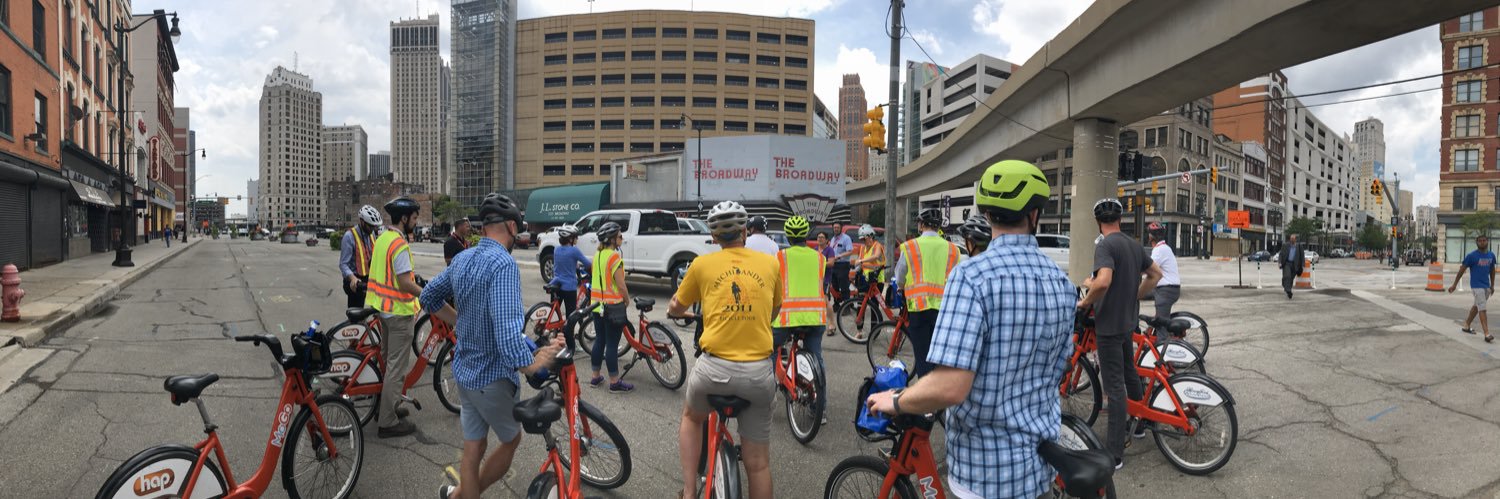
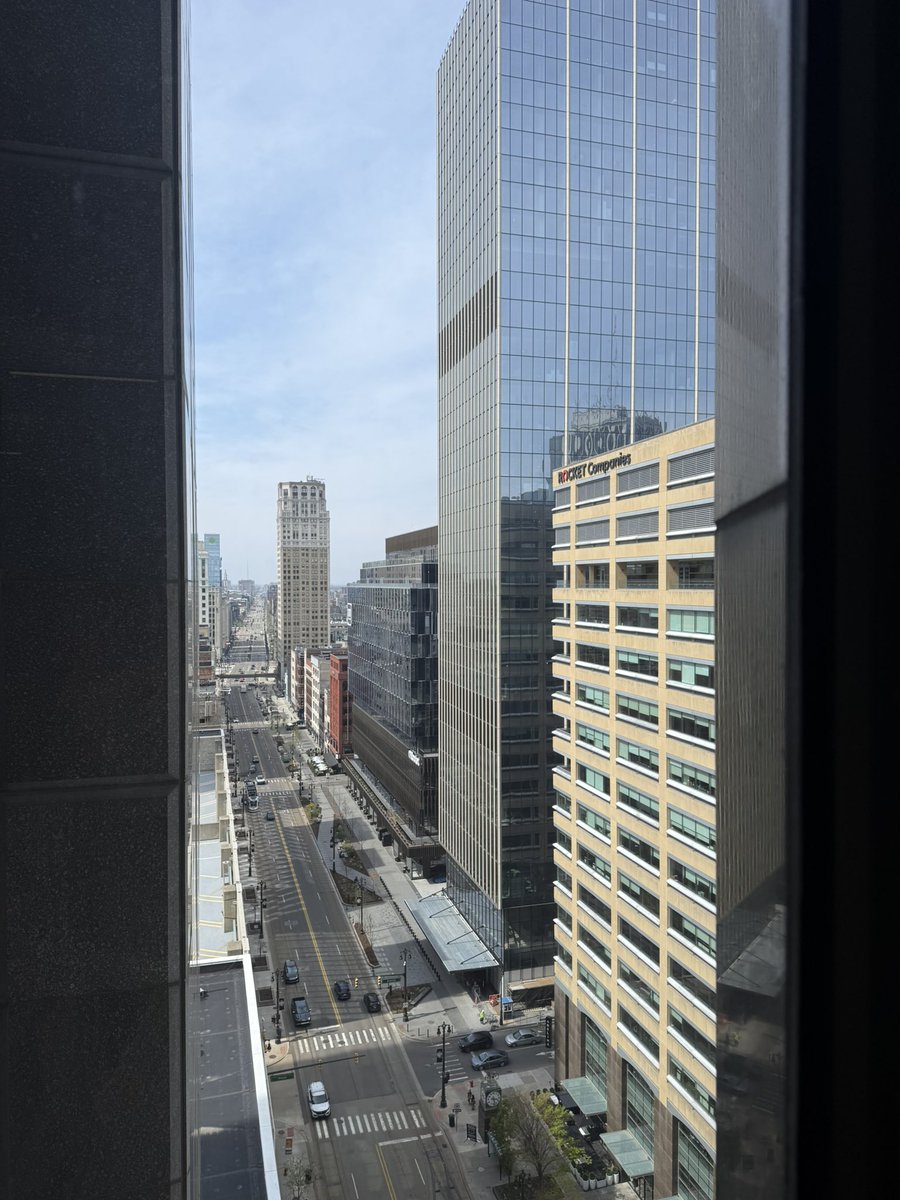
Spent some time walking around downtown Detroit this afternoon. Most of the 2010s projects that were ongoing when I left in 2022 are complete (Hudson’s Site, Book Tower, a few smaller buildings) but it doesn’t seem that there’s much that’s new, which is a crazy contrast to my first time here in 2019 whew every block seemed to have something going on.
The UM building and the convention center hotel are the only new construction going up, it seems, and all the buildings that were vacant when I left are still vacant. My old office tower, the Michigan Building, looks like it might be totally empty now too. Retail vacancies are about the same, maybe slightly down at best. The qline hasn’t upgraded its ROW and the cars are already aging fast.
It’s a bit of whiplash for me after spending last week in Austin where the 2020s have had explosive physical growth downtown & everything was both new and packed.
I don’t know if the pandemic just crushed office occupancy and made downtown less desirable to live in, or if the low hanging fruit has been plucked and now Gilbert has pulled back, or what, but the vibrancy and promise of the 2010s seems to have slacked off.
You don't hear about this bc it is specifically related to adding protected bike lanes and its illegal in the usa to imply that infringing on people's god given right to 8-lane residential roads might be necessary for traffic safety
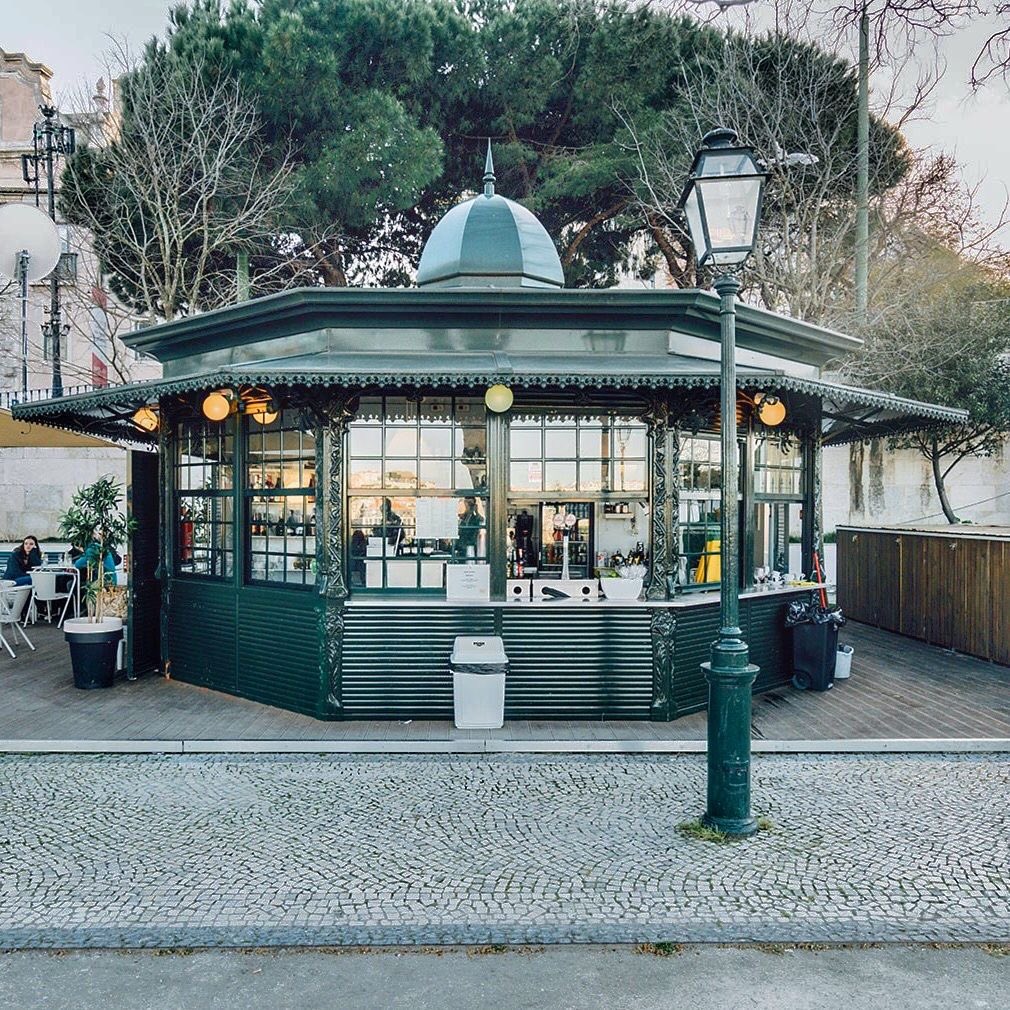
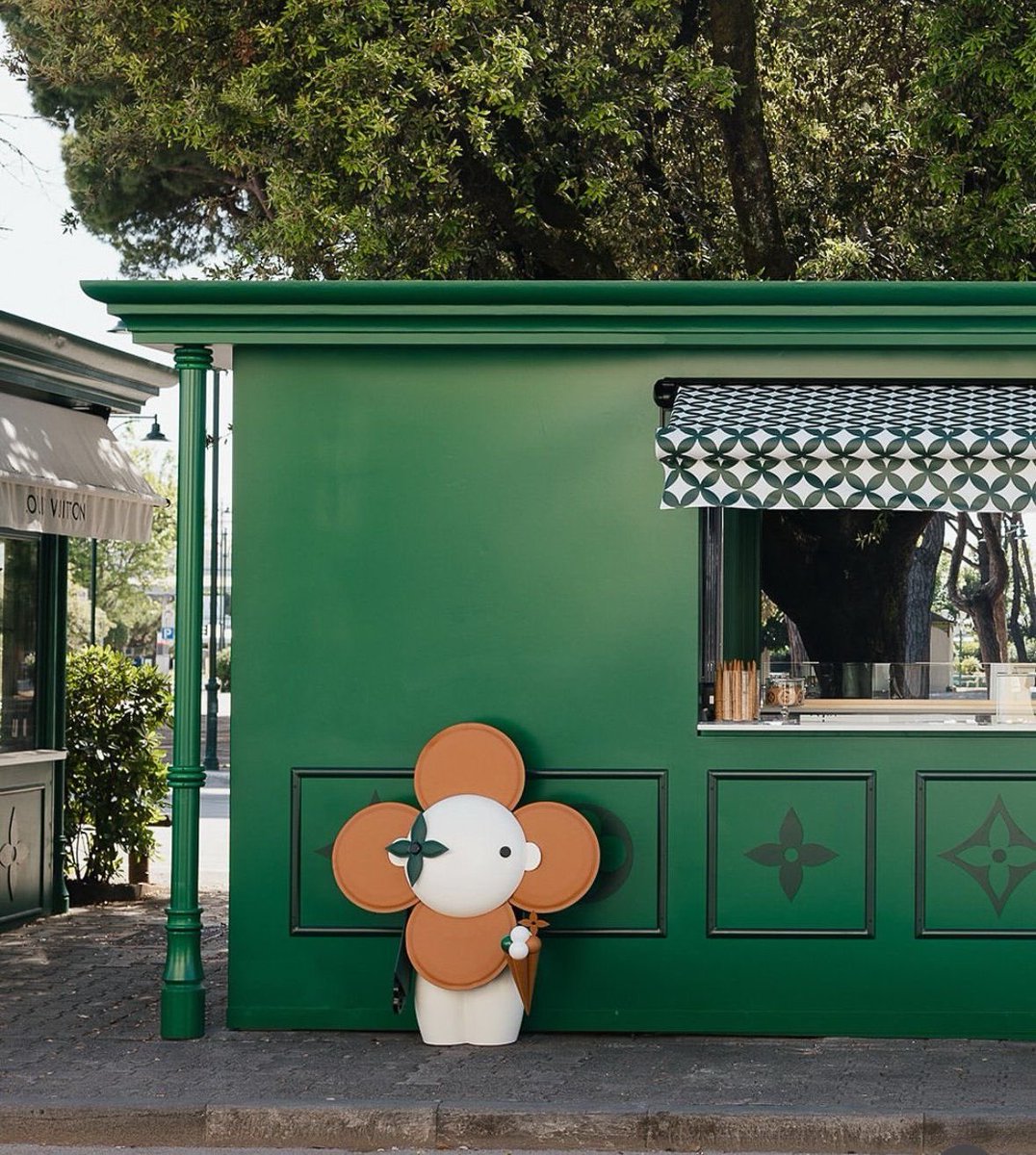
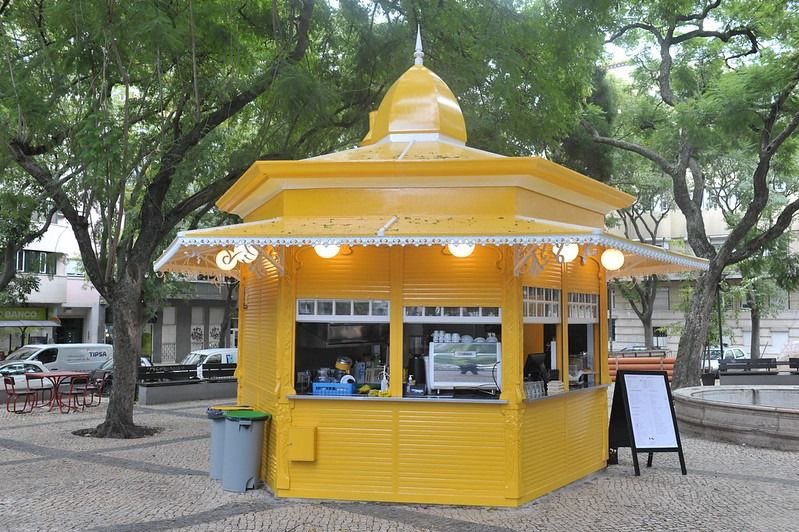
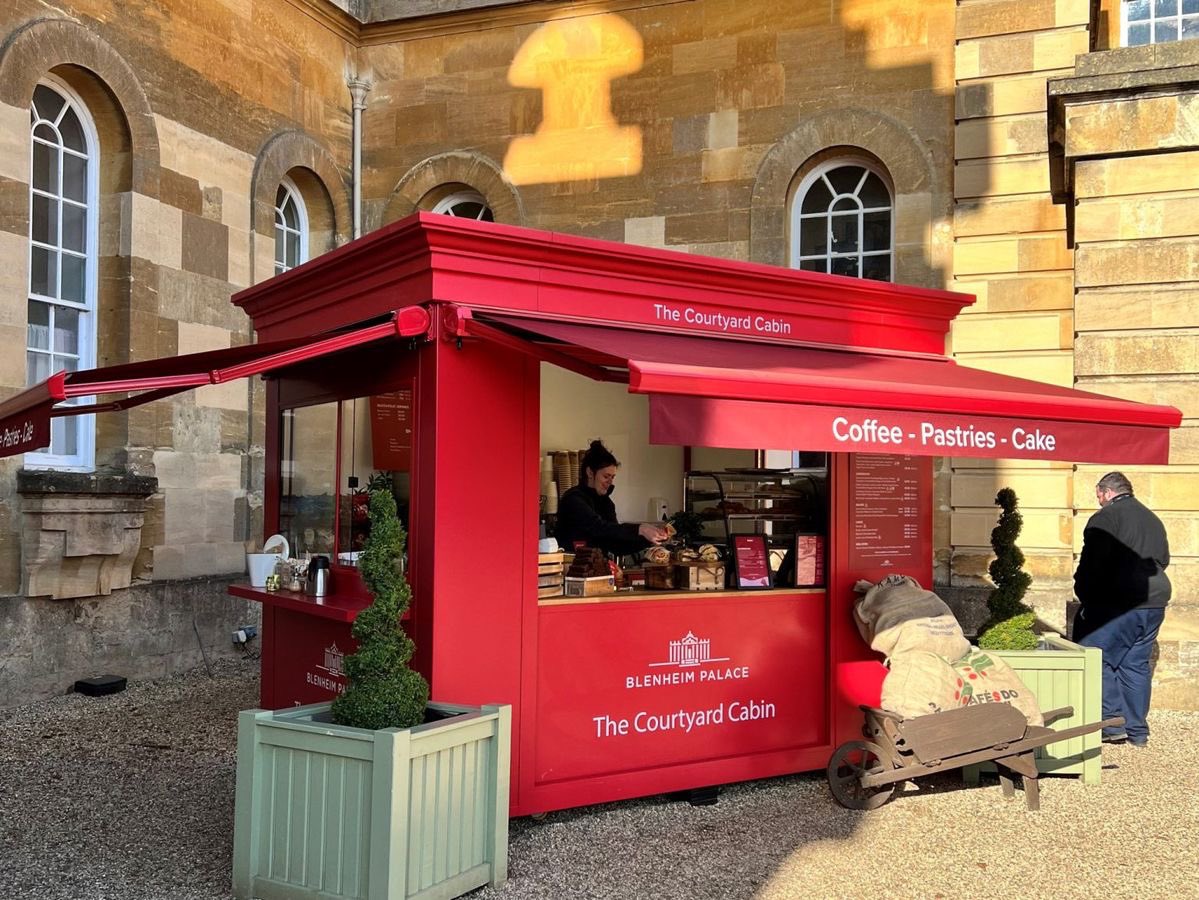
Many city parks depts view “commerce” in parks negatively. No one can adequately explain why, but it’s reality. It’s also self-defeating as it creates a revenue source & drives higher usage.
Unfortunately many parks dept heads measure success by acres owned, not visitors per acre. More cities need to adopt the kiosk strategy of Lisbon and elsewhere.