A fresh approach to philosophy needs to flip that priority. Instead of focusing first on building out the system, the real job is to justify the very first idea you start with: why it's necessary, what it really means, and where it comes from.
Philosophy has always demanded clear, logical arguments, yet it's often been vague about where those arguments begin. We've been much harder on the conclusions than on the starting points even though those starting points set the boundaries for everything that follows.
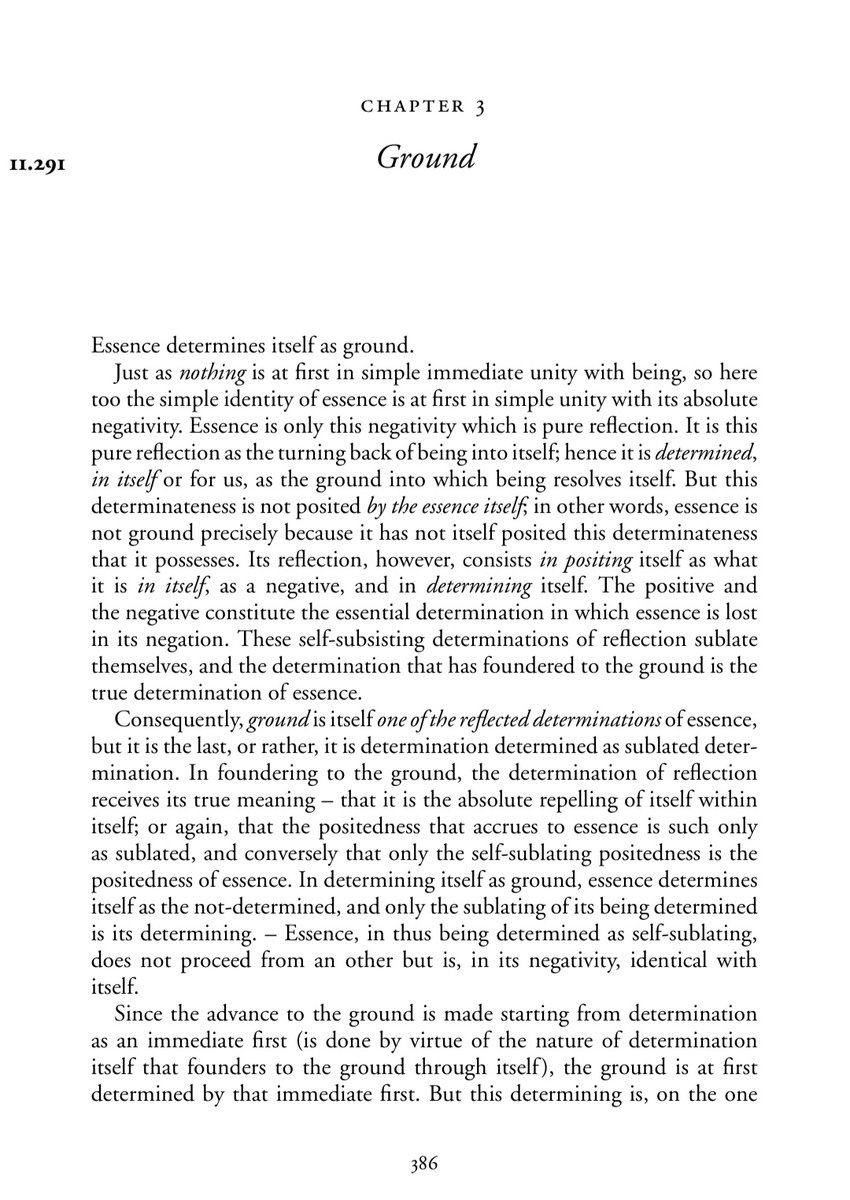
Where Hegel internalizes, we dissolve. Ground is not a substrate, not a self-positing essence, nor a final explanatory base. To us “ground” is the open field of relational coherence: the condition through which manifestation holds without closure and without collapse.
Phainesis.
Reading some analytic philosophy today. Getting into the grounding literature. This piece is quite good - he makes a ton of useful distinctions (ground, grounded, absolute ground, formal ground, real ground, complete ground). Found his take on Leibniz helpful as well.
"Being" is a linguistic fossil. It’s an attempt to take the vibrant, recursive "showing" of reality and freeze it into a static, independent thing that stays put.
https://t.co/ojUU7TYngm
If you seek relevance within the classical cartographic systems, unknowingly quoting dead men ad nauseum while smuggling exactly what they built against, only adopting ideas after they are blessed by the algorithm, you are not a philosopher.
@Browns It doesnt matter who you did it for. Ya'll are still open-butt and we are still in the playoff hunt.
There's a short bridge over there yonder. You know what to do.