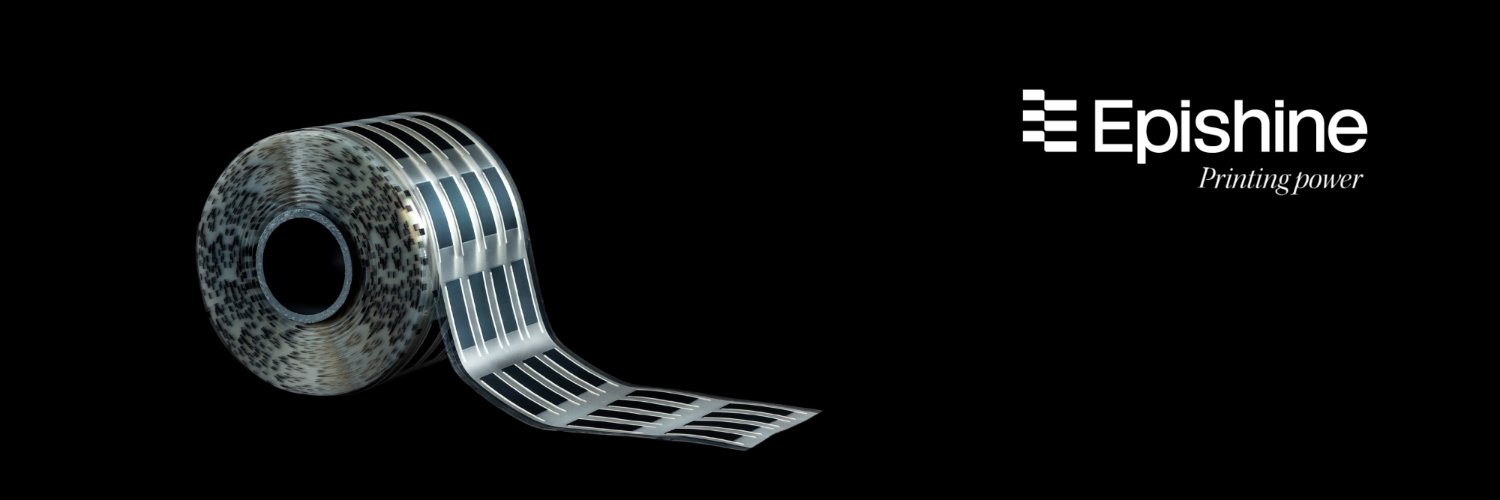
Epishine is eliminating the need for disposable batteries with market-leading printed organic solar cells. Simply offering a smarter way to power electronics
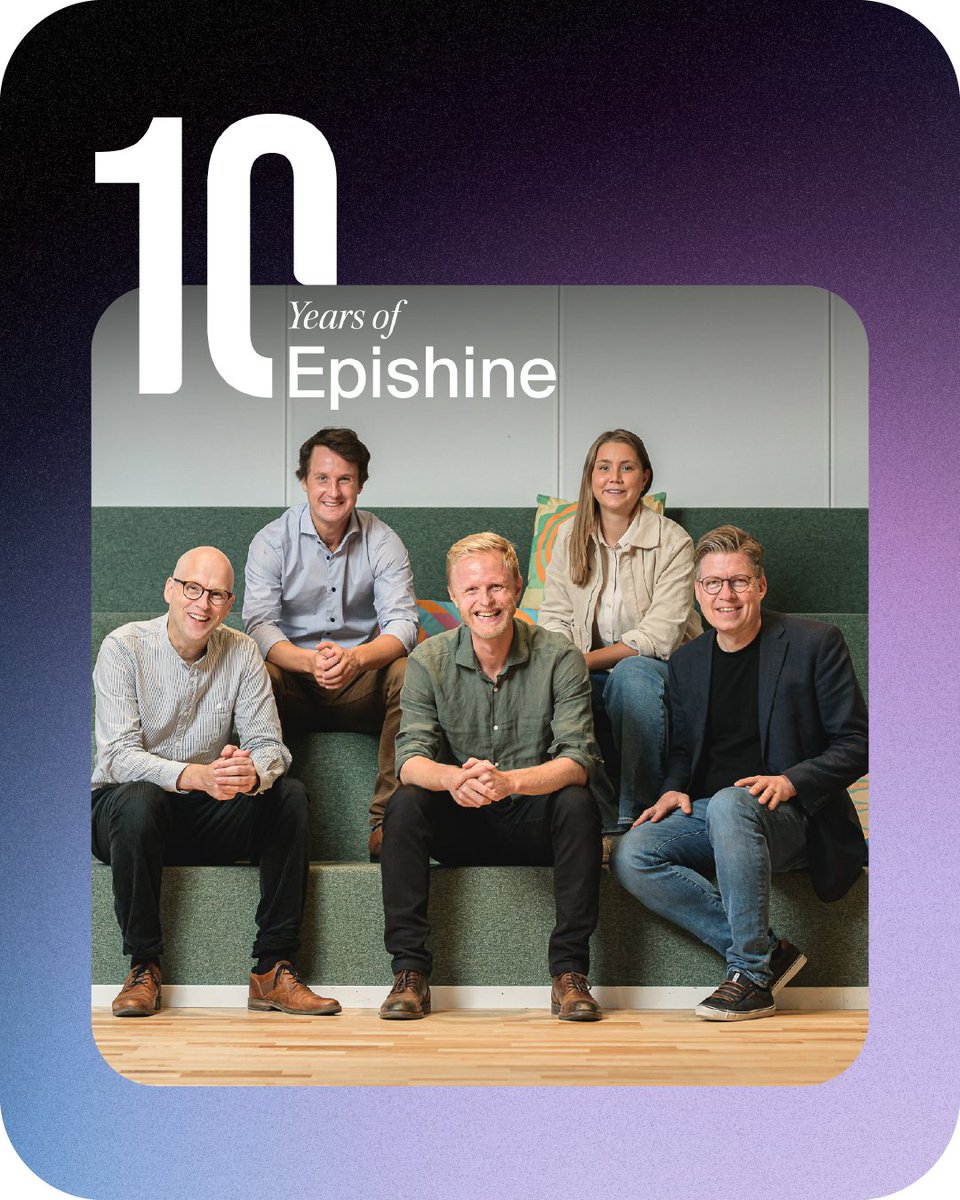
In early 2017, five people met in Hallsberg and made a decision that would reshape Epishine. It meant leaving one path behind to pursue another.
🔗 Read the next episode of our 10-year story: https://t.co/KH7g19wmua
What could you build with indoor light?
Greater design freedom, less maintenance and new applications for connected devices. Pierre Harrysson explored these possibilities in “From Power Source to Possibility” at The Things Conference.
🔗Watch his keynote: https://t.co/ghoT2ujbON
Replacing one battery is simple. Replacing thousands means recurring costs, waste and manual work. Electronic shelf labels automate updates, but battery changes remain manual.
Explore how light energy harvesting could offer a solution.
🔗 Read the article https://t.co/zkn7QZ4Ack
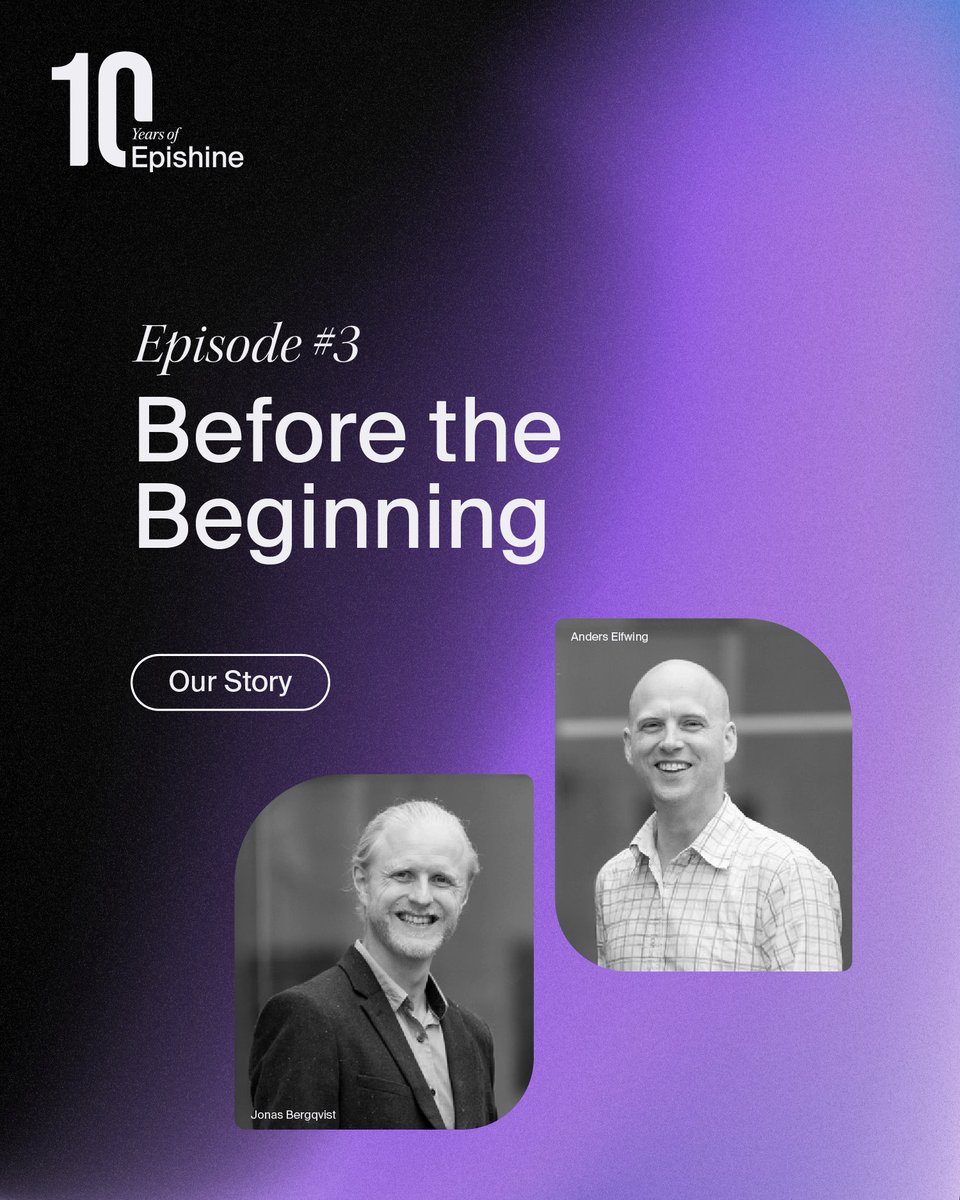
Not every attempt succeeds. But some failures shape what comes next.
Before Epishine, there was an attempt to turn research into something commercial. It never took off, but its lessons helped shape a different approach
Read Episode 3: Before the Beginning
https://t.co/4eF6OdjLPc
Every product starts with its purpose.
A computer mouse should fit naturally in your hand. A sensor should disappear into its surroundings. Yet many products still end up being designed around their power source rather than the user.
🔗 https://t.co/m49bbo3HRu
An indoor solar cell tested under different laboratory setups can show reported performance differences of up to 60%, as variations in light sources, test setups and measurement procedures can significantly affect the results.
https://t.co/ccMolYpwgW
There's a version of Epishine's story that starts with a solar cell.
This isn't that one. It starts with a queue.
Episode 1 of our 10-year anniversary series is live: https://t.co/M5JTQGTUb0
We’re exhibiting at electronica 2026 in Munich this November!
📅 November 10–13, 2026
📍 Munich, Germany
Through product demos, we’ll showcase how our printed indoor solar cells turn ambient light into a reliable power source for low-power electronics.
https://t.co/uztK0RdKgs
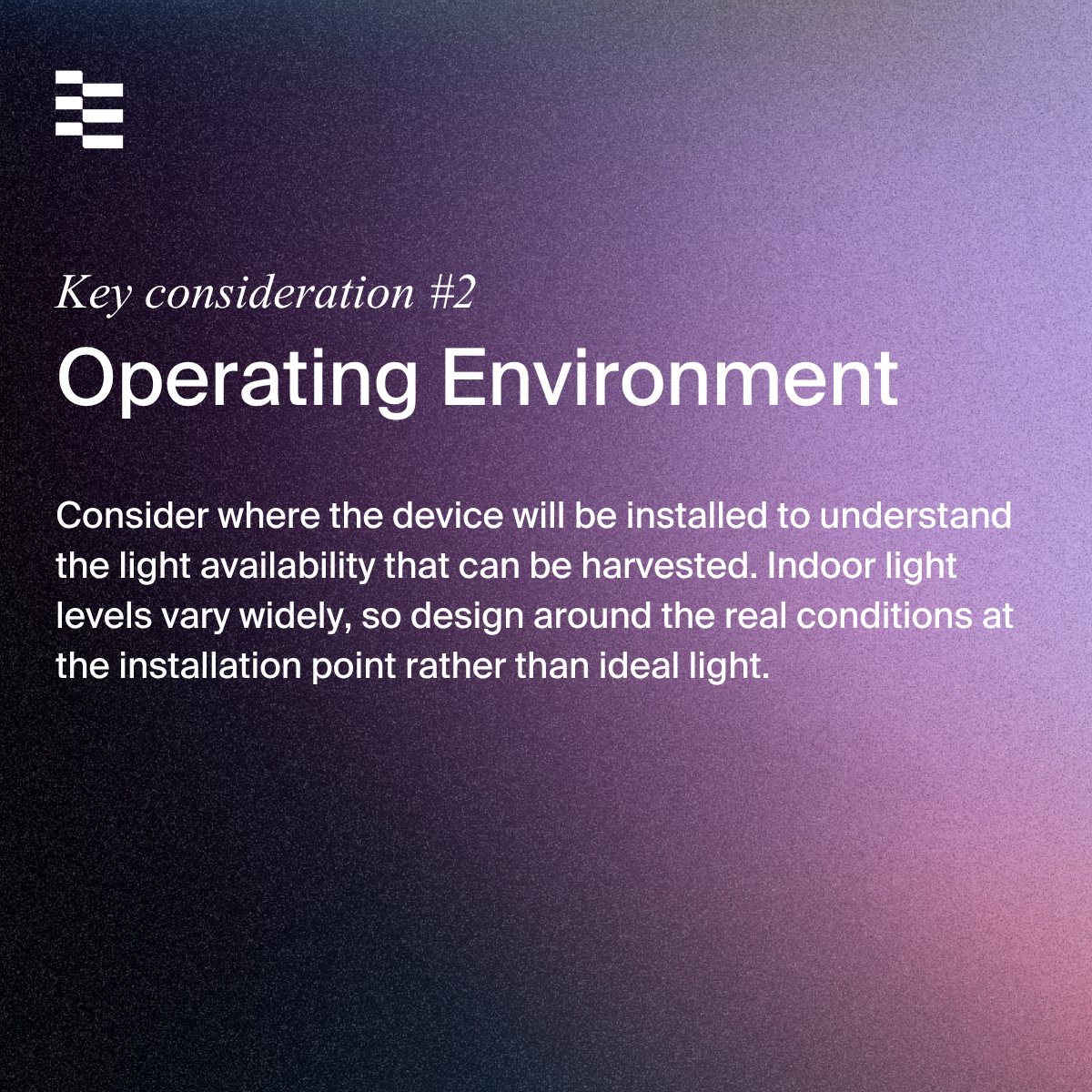
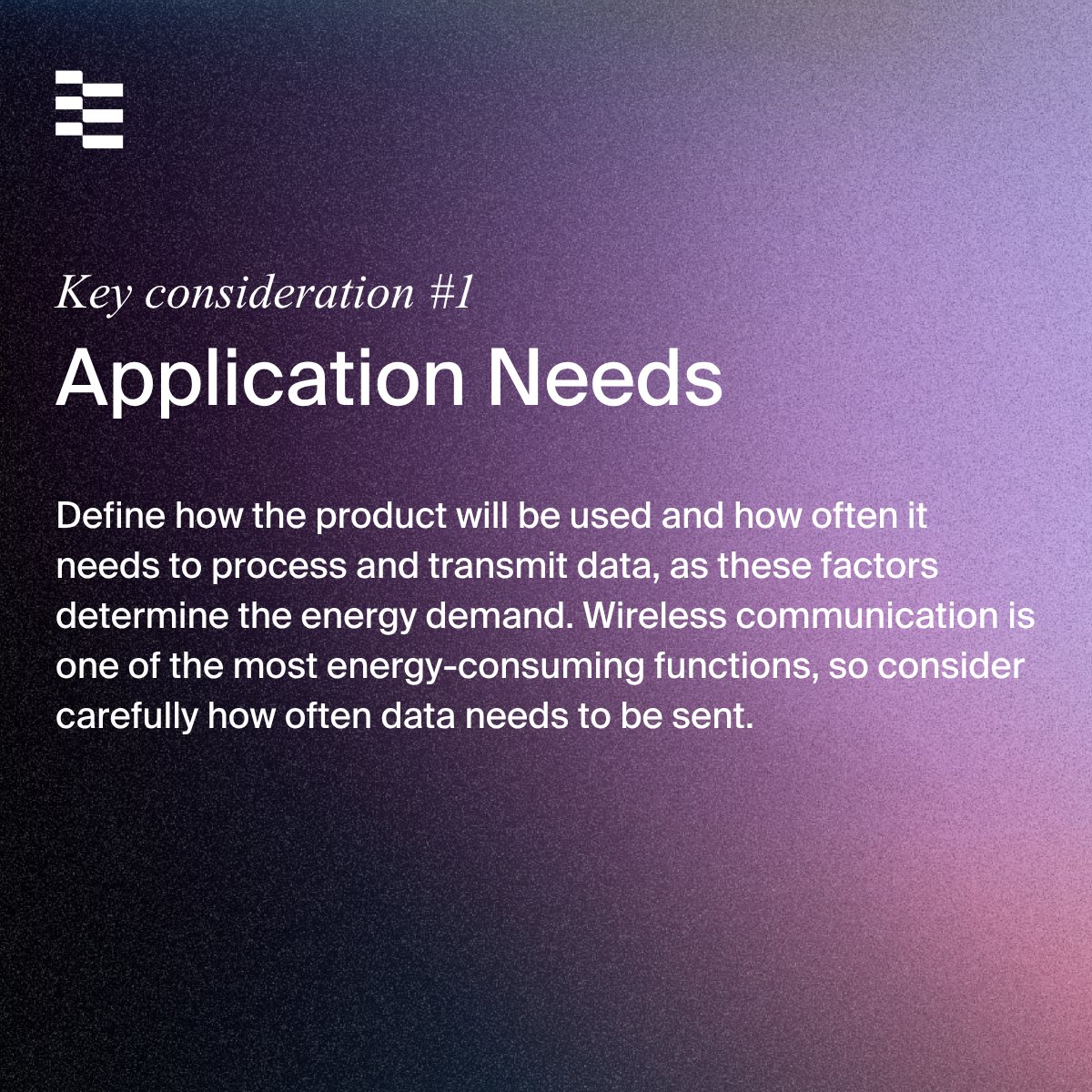
Designing a light energy harvesting device involves several considerations, such as understanding what the application needs, the environment the device will operate in, how it integrates into the product, and how the components work well together.
✉️ https://t.co/A9uubUqiKA
A decade of building what's next.
Today, Epishine celebrates 10 years.
Built on over 30 years of organic photovoltaics research, we're powering the next generation of low-power electronics with indoor light.
The story is just getting started.💜
https://t.co/E9TlhyXtS9
We're heading to The Things Conference 2026!
📅 September 22–23, 2026
📍 Amsterdam, Netherlands
Stop by to see how Light Energy Harvesting enables low-power IoT devices using ambient indoor light.
See you there!
https://t.co/p4lhfozgt9
Indoor solar cells enable seamless product integration.
Epishine's ultra-thin, flexible indoor solar cells integrate seamlessly into sleek, compact and curved products.
→ 0.2 mm thin
→ 1 cm bending radius
Have a product in mind?
Get in touch https://t.co/9QK6C078D0
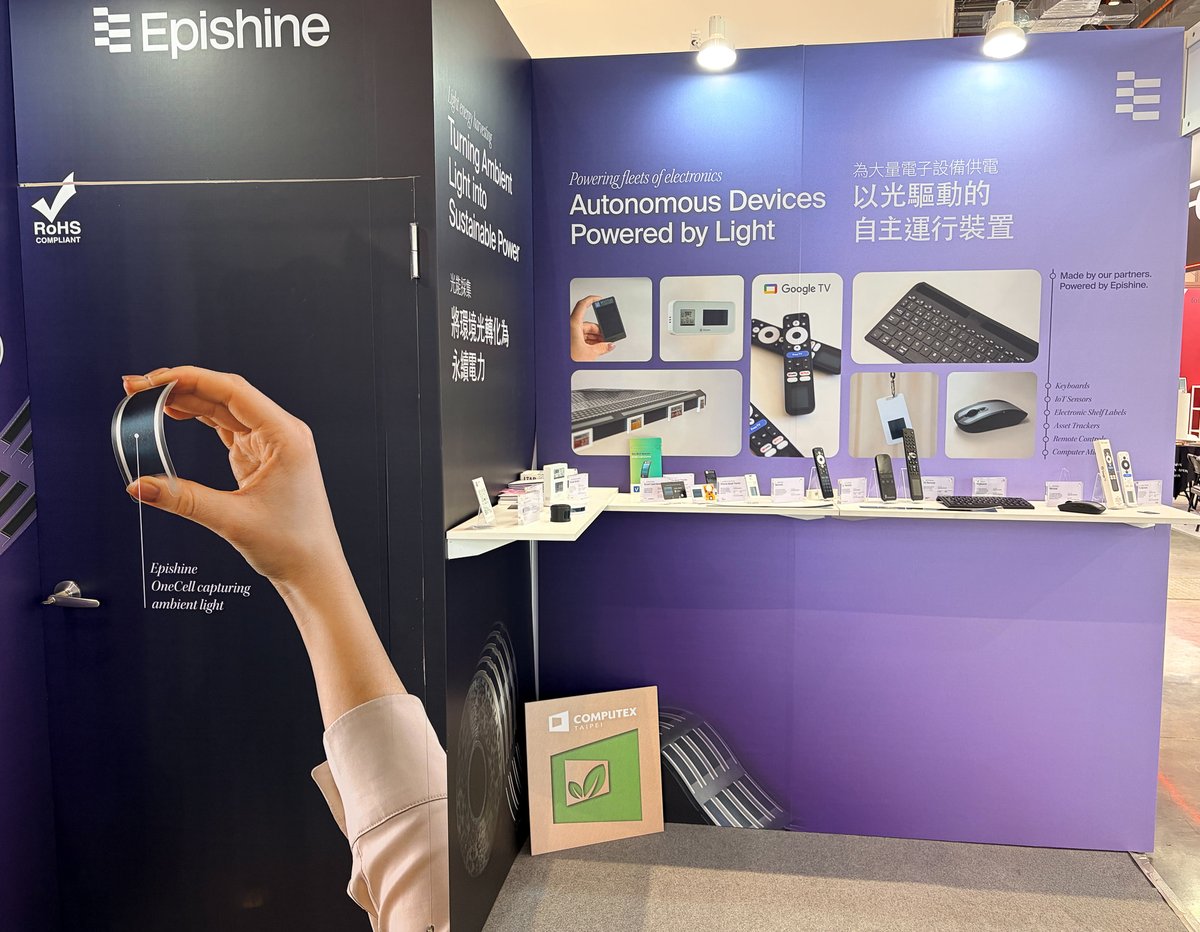
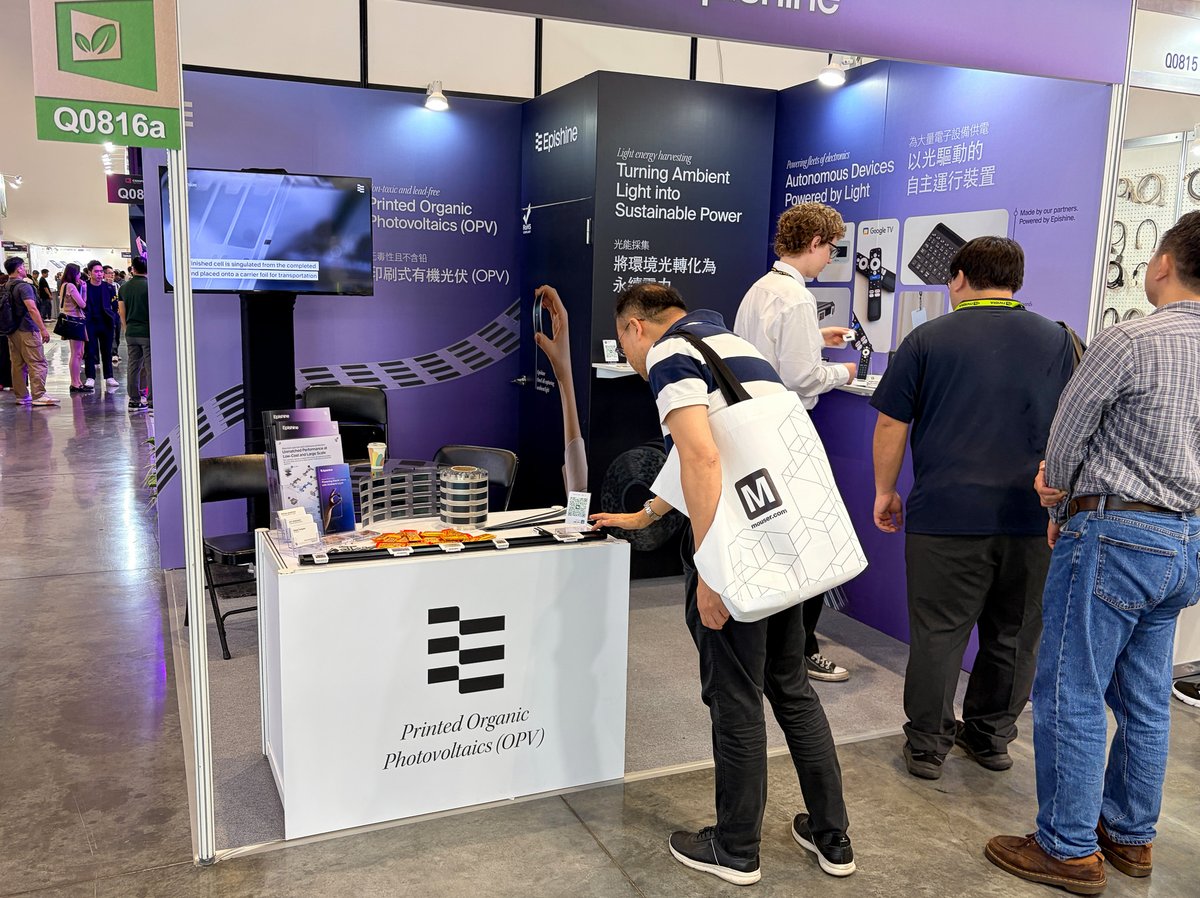
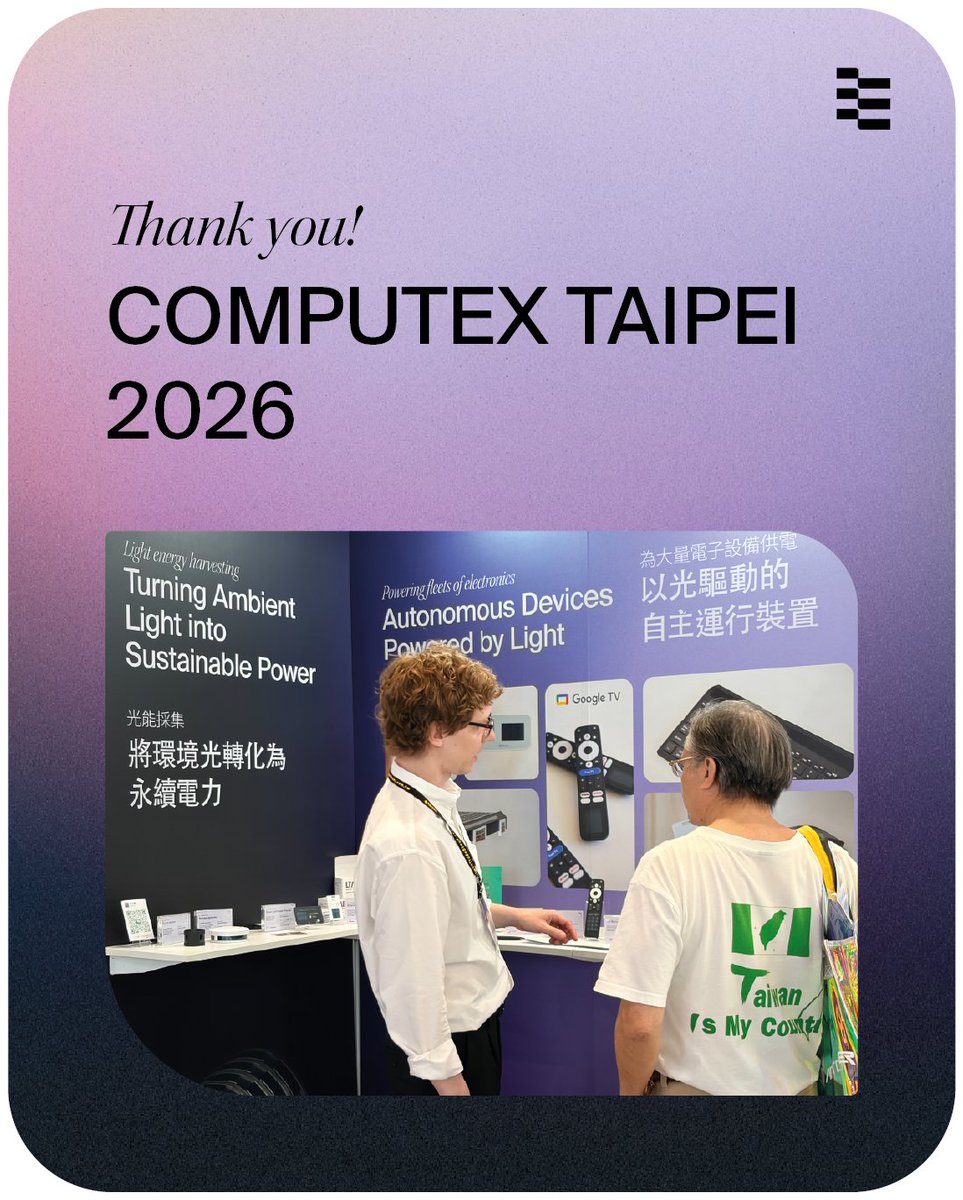
COMPUTEX Taipei has come to an end – until next time!
A big thank you to everyone who visited our booth and shared their thoughts, questions, and perspectives on Light Energy Harvesting. We’re excited to keep the dialogue going.💡
COMPUTEX Taipei has come to an end – until next time!
A big thank you to everyone who visited our booth and shared their thoughts, questions, and perspectives on Light Energy Harvesting. We’re excited to keep the dialogue going. 💡
Day 2 at COMPUTEX Taipei, another opportunity to explore the future of low-power electronics. ⚡
We’re continuing the conversation around how ambient indoor light can become a reliable power source for connected devices.
Stop by our Epishine booth Q0816a to learn more.
Day 1 of COMPUTEX Taipei has come to an end. ⚡
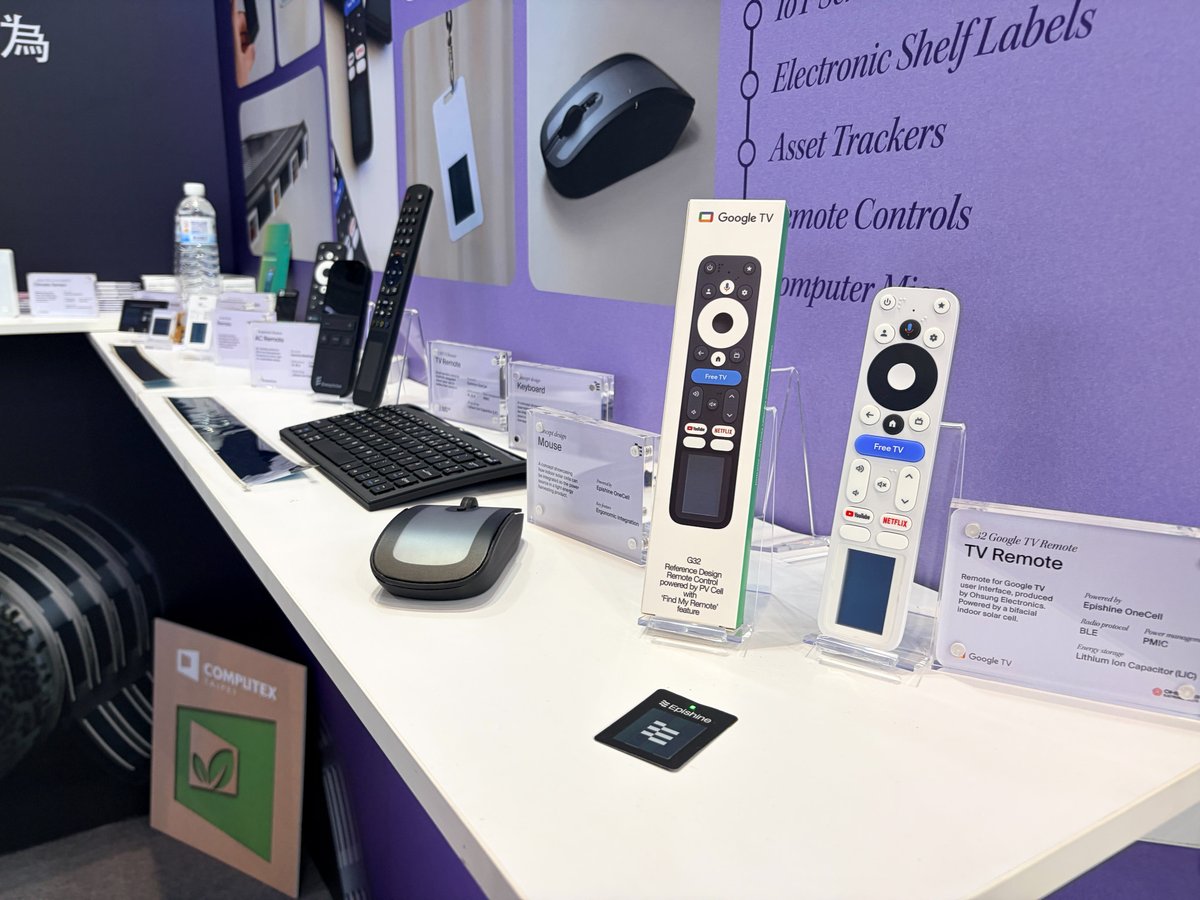
We'll be back tomorrow for another day at the event. Visit booth Q0816a to explore real applications of Light Energy Harvesting and how our printed indoor solar cells can enable autonomous devices.