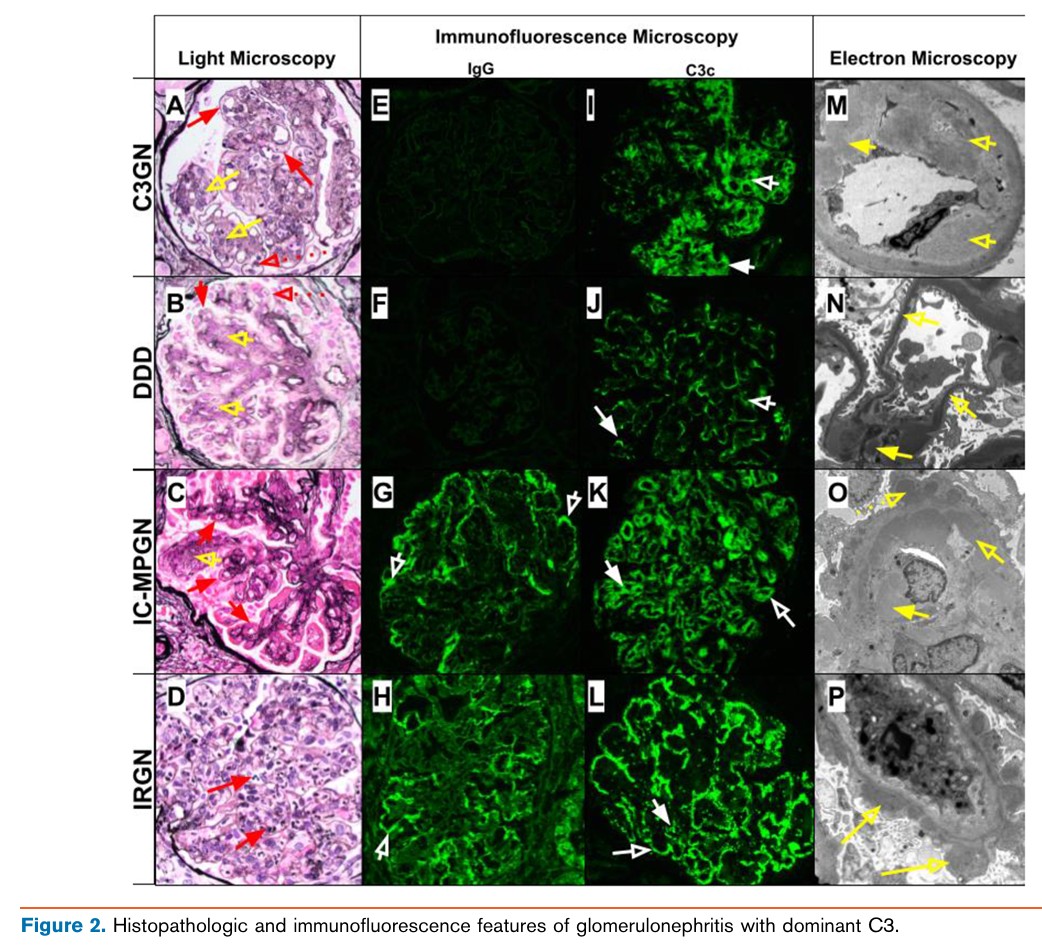
Glomerulonephritis in SLE does not always mean lupus nephritis. The authors used KM55 staining to differentiate IgAN from LN in 3 SLE patients.
https://t.co/7kLMkAe0U5
3/ Take-home messages from the session! Important points:
🎯Only 18% of post-transplant patients have systemic findings of TMA!
🎯Histology was not predictive of the outcome in multivariate analysis.
🎯Does histology help to predict the cause of TMA? Not really!
#ERA26
#ERA26#IgG4RelatedDisease by Dr Augusto Vaglio
🔹When thinking of #IgG4RD and the kidney, think beyond TIN.
🔹Renal involvement spans TIN, MN, and RPF, with distinct clinical phenotypes and presentations.
🔹Hypocomplementemia and elevated IgG4 provide valuable diagnostic clues
🧵 1/12
🩺 Diabetes management remains a cornerstone of care in the dialysis population. In this outstanding ✨#ERA e-seminar by the EUDIAL & Diabesity Working Groups, our experts dive into the clinical nuances of “finding the sweet spot” for patient outcomes.
@drkazancioglu🇹🇷, @maxtorreggiani🇫🇷; @valerieluyckx🇨🇭
Watch the full webinar 🔗 https://t.co/PpagVIjd2P
Missed the session? Not much time? Catch the highlights in this thread 👇👇👇
🧵 4/12📊 Glycaemic control & targets in dialysis
HbA1c remains the best analytical marker, BUT it underestimates true glucose exposure!
📚 DOPPS study suggests:
•Optimal HbA1c range = 7–8%; ⬇️ hypoglycaemia + ⬇️ long-term complications
•Targets are NOT one-size-fits-all: Must individualize!🎯
📚 KDIGO guidelines:
• No specific HbA1c target for HD patients
• Suggests individualised goals (≈6.5–8%) in CKD (Grade 1C)
• Novelty: CGM (continuous glucose monitoring) targets: Time in range >70% & Time below range <1%
Source: KDIGO 2022