What does real alignment look like?
We can use the same language, agree on priorities & still leave the room with different pictures of what needs to happen.
We are not aligned simply because our words match. We have to see a shared picture clearly enough to act on it together.
As leadership responsibility grows, control doesn't always grow with it. Here's why. ⬇️
I sat down with Christine Deputy & we discussed this important leadership lesson: the higher you go, the more responsibility you carry, but the less direct control you may have over outcomes.
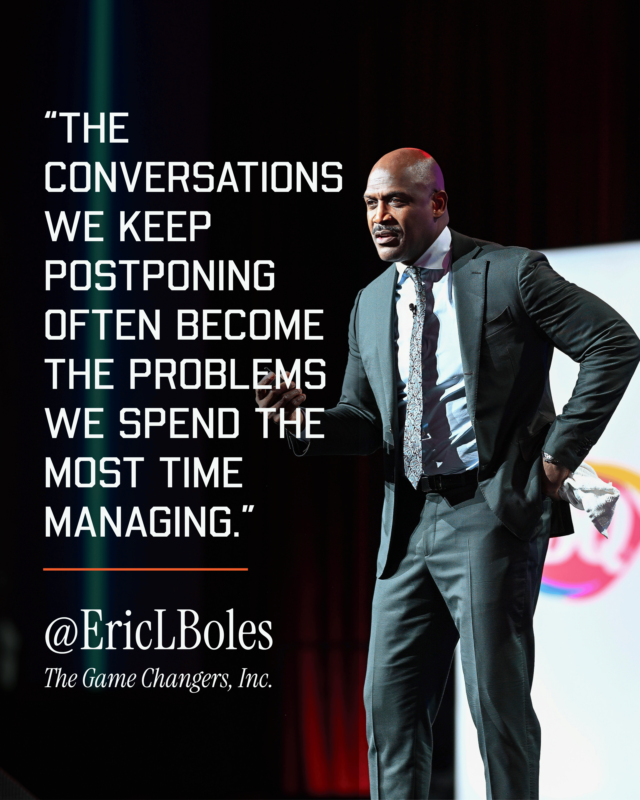
A concern rarely stays contained because we haven’t addressed it. Eventually, we face the consequences of conversations we need to have.
That convo requires honesty about our own contribution, clarity on our concerns & willingness to hear something that may change our awareness.
Sometimes your responsibility requires you to make the call.
Other times, you let someone else make it, even when you'd approach it differently.
How you exercise that authority affects the decision in front of you & the quality of decision-makers you’re developing around you.
What is your identity tied to that’s keeping you from being a better leader?
Think about a decision you’re facing now. If you do what the situation requires, what are you afraid it might cost you? Pay attention to that answer. It may tell you what you’ve tied your identity to.
Receiving feedback that challenges an area of expertise requires vulnerability.
Christine Deputy reflects on the importance of trusted leaders who recognize our strengths while helping us identify where we need to grow—& why the willingness to receive feedback is so essential.
Don’t wait for a formal review or a major problem to ask, “How am I doing in this area?”
If we want to grow, that question needs to become part of our regular conversations.
Feedback is an opportunity to see something we may have missed—and take responsibility for how we grow.
Before you ask your team to move faster, make sure you’ve established clarity around where you’re going.
Is everyone working toward the same outcome?
Alignment gives speed its purpose. Get clear on where you’re going, what it requires & how you’ll win together. Then accelerate.
How you see the moment changes how you lead through it.
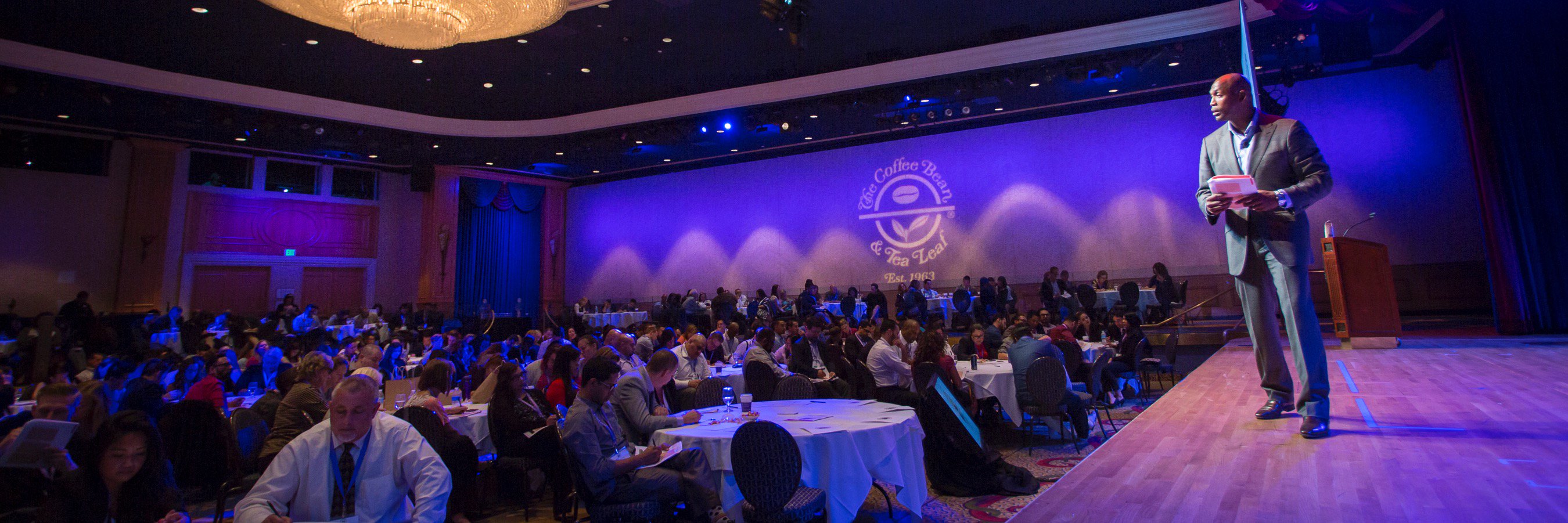
Grateful to reconnect with nearly 500 @lululemon leaders ahead of PEAK!
Lift your eyes. Within the pressure is an opportunity to develop people, strengthen ownership & serve every guest. @aaespeakers
Every problem your team brings you is an opportunity to develop someone.
Give people room to work through their thinking. Coach them through the gaps. Then give them the opportunity to act.
Solve the problem in a way that builds their capacity to handle the next one.
People don’t always need immediate action. Sometimes they need context.
Christine Deputy explains how bringing your team into the bigger picture builds trust, strengthens judgment and gives people greater ownership of their work.
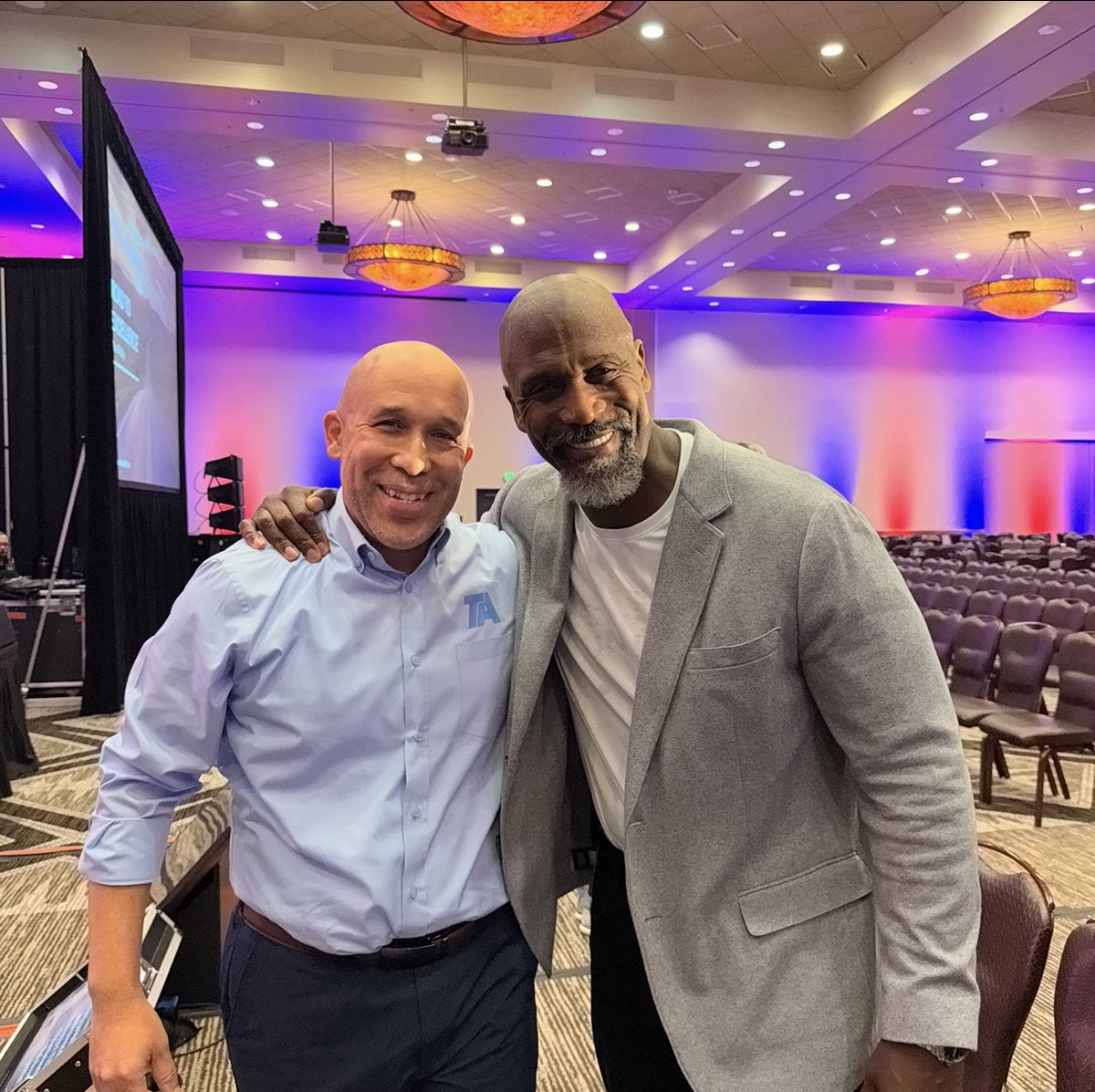
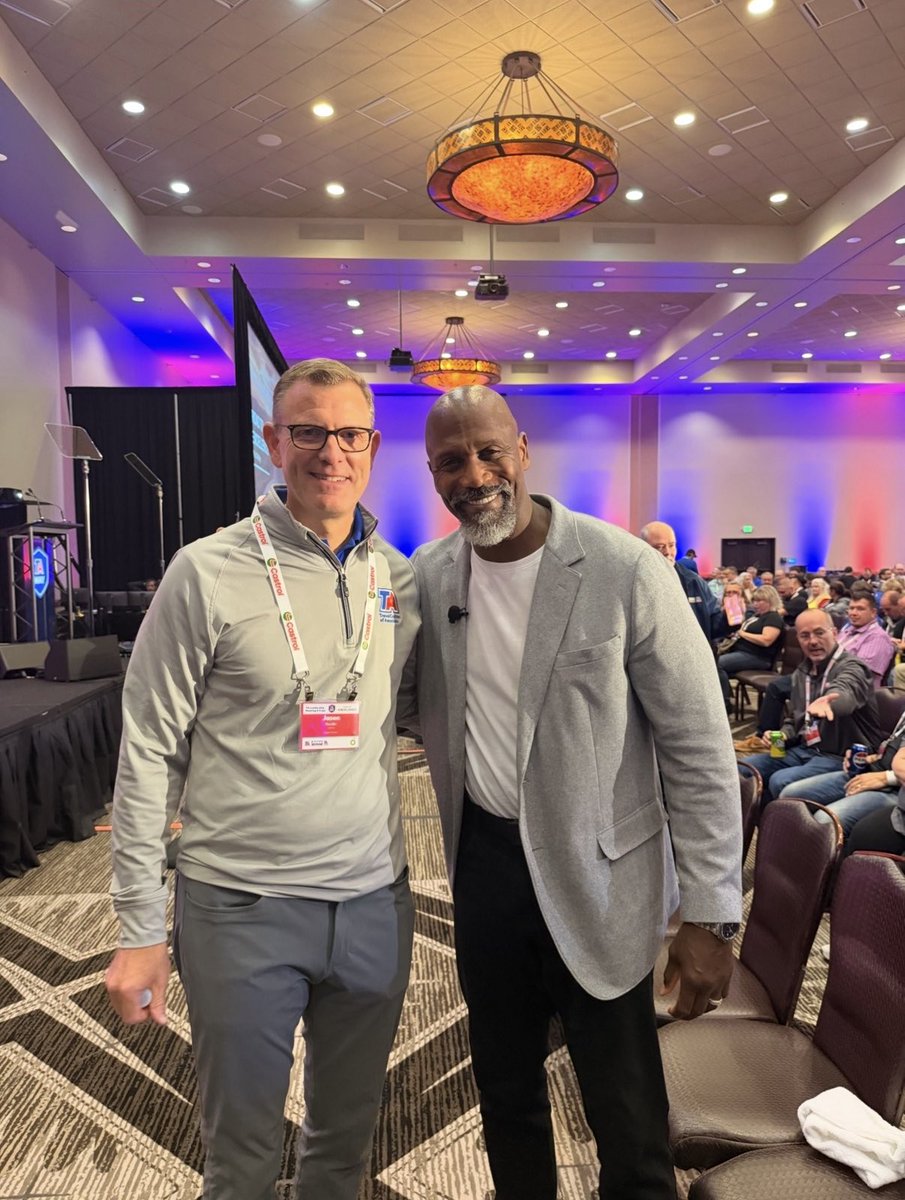
What a privilege to join more than 750 @TATravelCenters leaders in Sandusky, Ohio, for their 2026 Leadership Expo, “Road to Excellence”.
Thank you, TA, for the opportunity to invest in your leaders.
@aaespeakers
You can’t lead an organization through change if you’re unwilling to change yourself.
As Christine Deputy shared, every organization has its own culture, values & challenges. Experience matters—but leadership isn't about copying & pasting what worked somewhere else.
Teams work best from encouragement, not for it.
When people spend their energy trying to prove their value, it's harder to ask for help, acknowledge a mistake or take risks that could help the team grow.
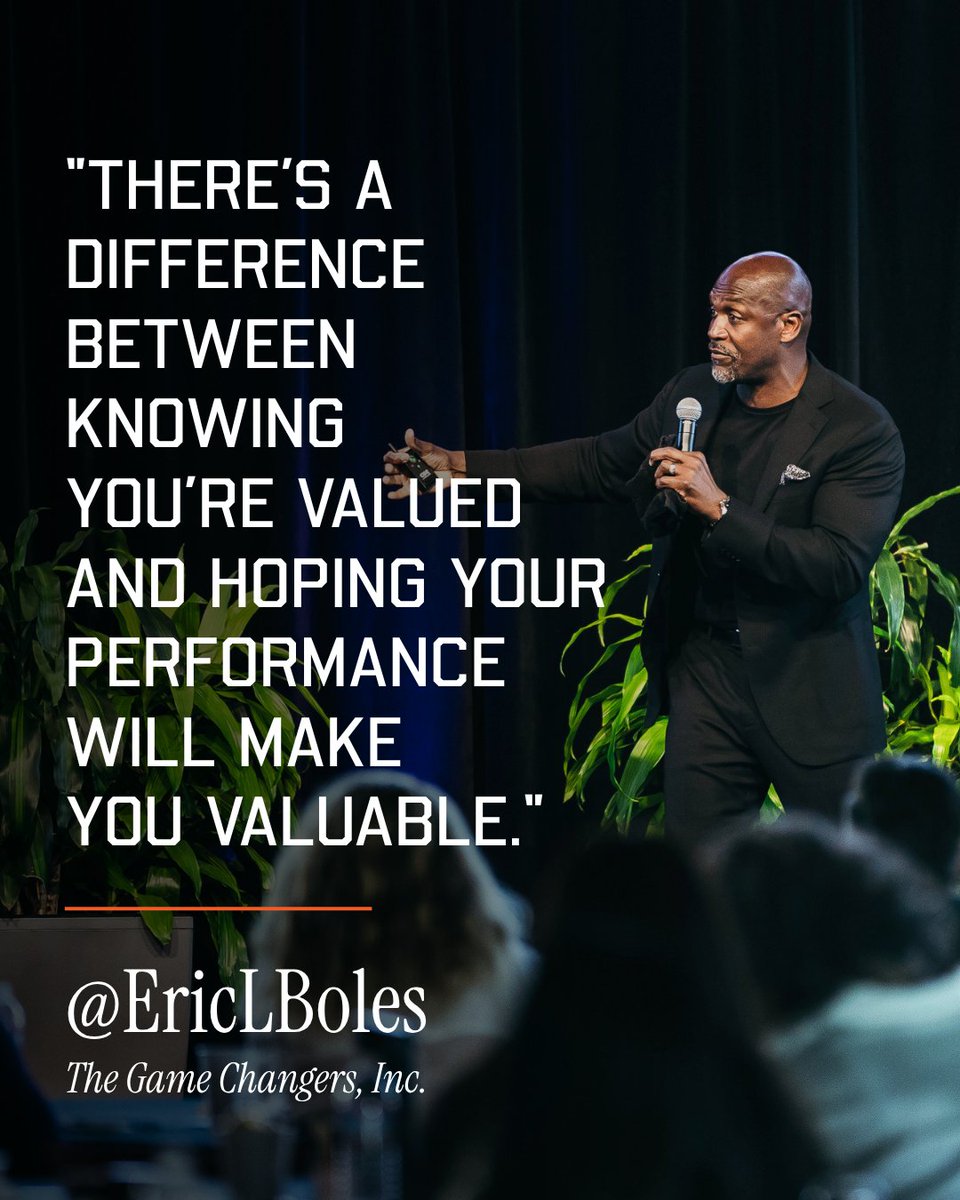
People shouldn’t have to wait for a great performance to hear they matter.
What is the value of an Executive Intensive?
2 uninterrupted days to challenge assumptions, have the convos that matter & identify what to stop doing so leaders can focus on what matters.
When leaders see differently, they lead differently.
Learn more: https://t.co/SUoBrYcm4F
The danger isn't being right or wrong, but being "almost" right.
"Almost” can leave us believing we’ve created clarity and alignment when there are still gaps.
Leadership is in the seeing business. We have to see clearly together before we can help others do the same.
Mistakes are inevitable. How we respond to them is a choice.
Acknowledging a mistake opens the door to repair. Following through helps rebuild trust.
The greater the trust, the more our honest conversations. We can address what needs to change, receive feedback & grow together.
You can’t scale your impact by doing it all yourself.
You scale your it by developing others.
Develop the talent.
Create clarity around the assignment.
Equip people to make decisions & adapt when challenges arise.
Then give them the opportunity to put that preparation to work.
Everyone wants the results. But are we willing to value the repetition required to earn them?
Learning to enjoy the grind starts with seeing value in that work. Recognizing the daily repetition builds our capacity to lead.
Learn to value the work that makes it all possible.
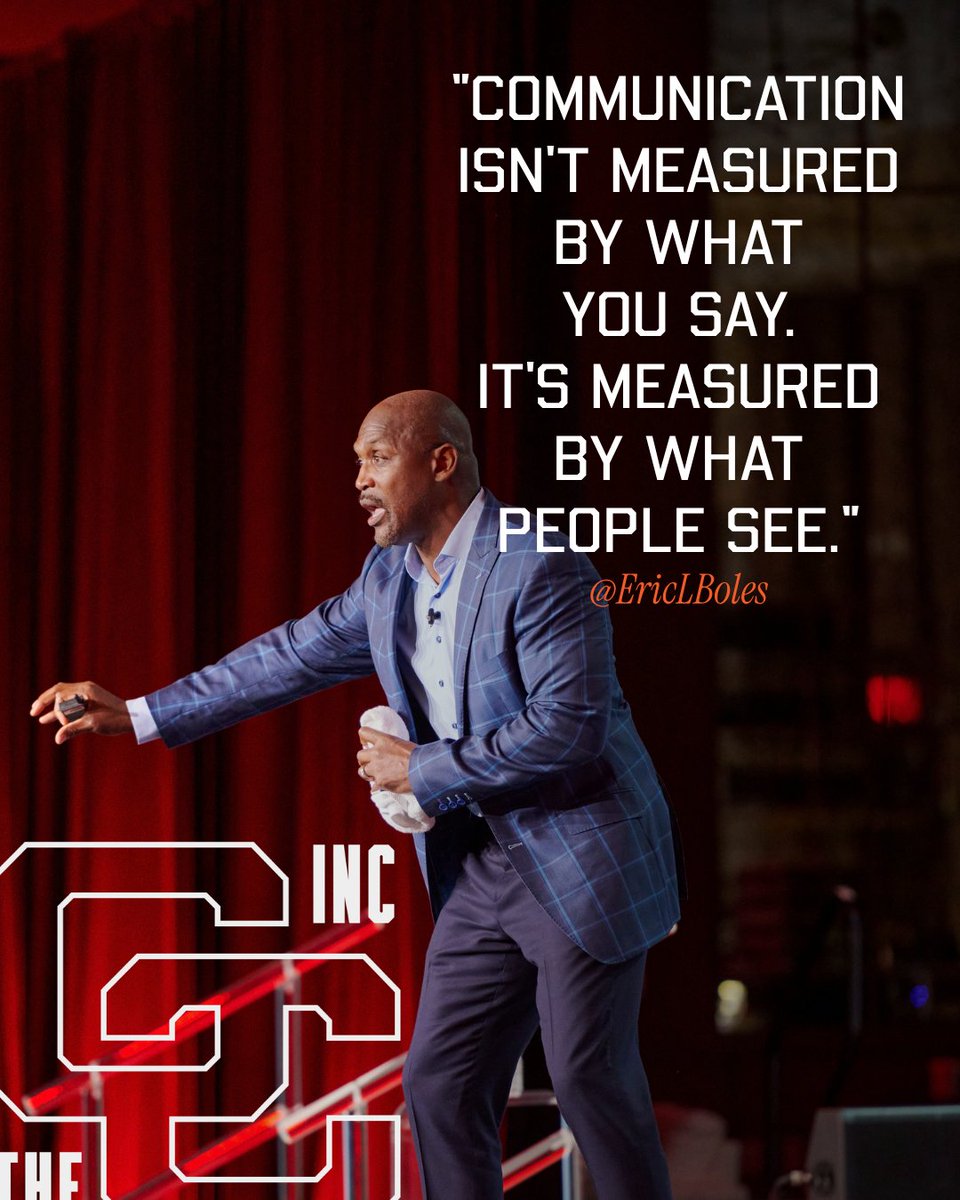
Leaders are in the seeing business. Our job isn’t just to explain where we’re going, but to help people see it, understand why it matters, & know how they fit into the bigger picture.
Ask, “What did you hear me say?”
If your pictures don’t match, alignment hasn’t happened yet.