When Paper Was Precious
There was a time when writing was sacred.
When paper cost a month’s wage, and you wrote with a quill dipped in ink.
No backspace. No undo.
Every word had weight because it was expensive, deliberate, and rare.
Back then, to write something meant it mattered.
Thinking was required. Precision was demanded.
Now?
Notebooks are cheap. Pens are disposable. Thoughts are jotted, posted, discarded.
And because the cost of writing fell to zero… so did its perceived value.
The same thing happened with communication.
Once, you needed a printing press, a publisher, a broadcast tower.
Now? Anyone can send their thoughts to the world in seconds.
And they do—endlessly, meaninglessly.
Tweets. Posts. Comments. Noise.
When everything can be said, nothing is heard.
And now, I worry we’re watching the same thing happen to thinking itself.
AI writes. Algorithms decide.
We skim instead of read. React instead of reflect.
We’re outsourcing thought—and forgetting that thinking is the precursor to all meaningful action.
Think of what we lose if we don’t protect thinking:
We lose judgment.
We lose memory.
We lose the ability to choose with intention.
And when a society stops thinking, it stops progressing.
So maybe the goal isn’t to write more. Or post more.
Maybe it’s to think more.
To protect the freedom to think.
And to choose, with intention, what we give our words
Someone asked me if I had to go back to medical school what would I do differently. I told them this as a general rule...
In school you’re gonna interact with many physicians. They will generally fall into 3 categories.
1) the outstanding ones - who you aspire to be like.
2) the bad ones who for whatever reason don’t strike you as good doctors and who you don’t want to emulate
3) the many many in between who are good competent physicians.
Pay the closest attention to #’s 1 and 2. Because that’s where you’ll see the greatest impact in your education.
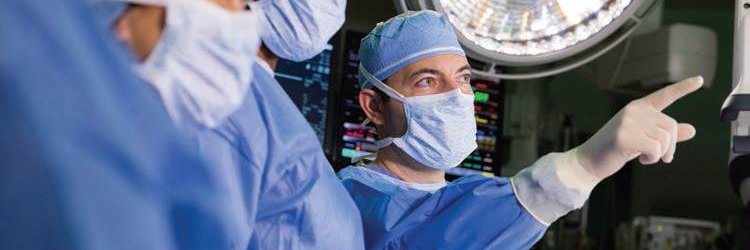
Wanted to share this clip from yesterdays TMJ4 broadcast highlighting my patient's great recovery from his aortic aneurysm surgery and as well our aortic surveillance program at Aurora St. Lukes Medical Center. #aorta#CardiacSurgery
https://t.co/F5cZrlPotW
Special thanks to the Advocate Aurora social media and marketing team for putting together this day in the life of a heart surgeon video! https://t.co/CczeJ1W3Rf
My mother-in-law just had heart surgery.
My mom had heart surgery two years ago.
The same man, @EricSWeissMD, operated on both.
Thank you, thank you, thank you! ♥️
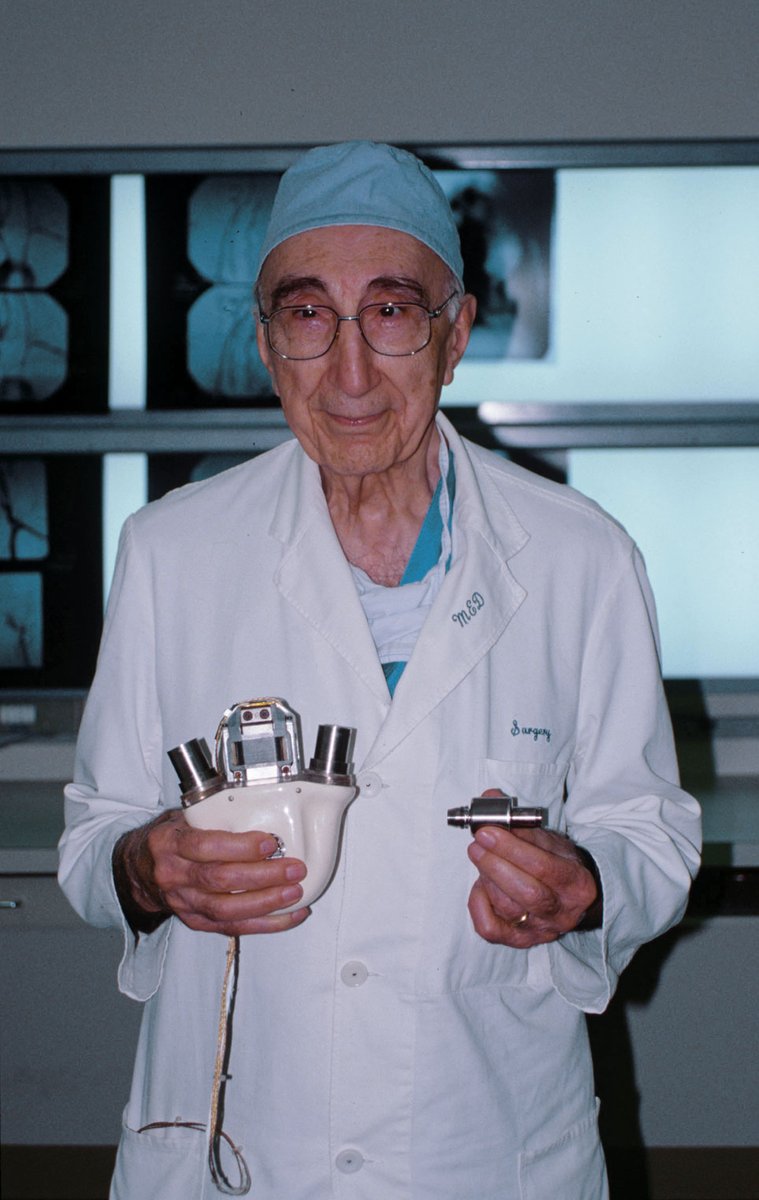
On this day in 1966, DeBakey performed the first successful placement of a left ventricular assist device on a patient with a history of severe aortic insufficiency and mitral stenosis. The patient was ultimately discharged from the hospital and resumed normal activities.
An active 70-year-old, Rich Dorn was mowing the lawn when his chest felt tight, result showed 90% blockage. Within 48 hours, I was performing bypass surgery on Rich. His heart was stopped for less than 25 min, and he went home on day 3 — a great outcome. https://t.co/ba311MdRMh