We just published: The first reference-free and high-quality human pangenome resource, reaching towards representing most of human global genetic diversity in a reference that all can use. @HumanPangenome
https://t.co/isAh193lIH
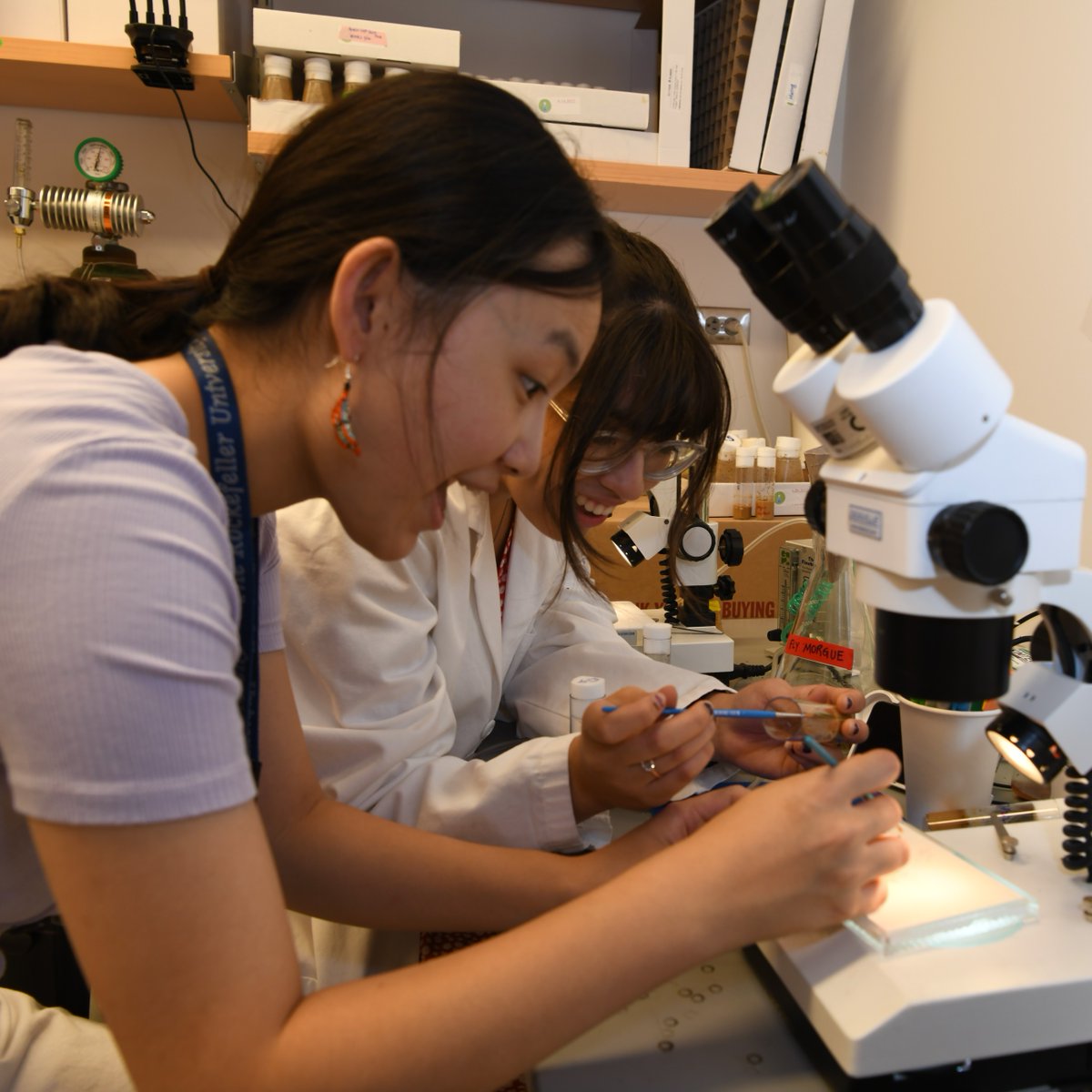
Jeanne Garbarino, head of RockEDU Science Outreach at Rockefeller, says that persistence in #STEM depends on fostering a culture of high-quality mentoring and long-term engagement.
“Students stay in STEM when they feel like they belong.”
🔗: https://t.co/w8BsnjLBCz
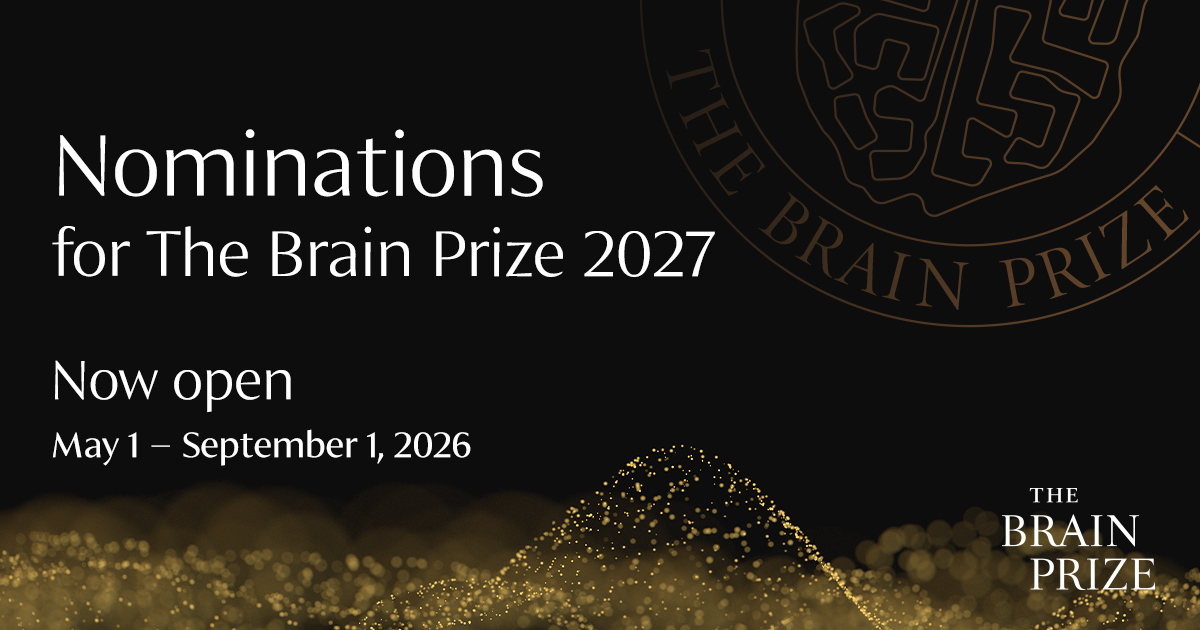
Nominations for The Brain Prize, the world’s largest prize for neuroscience now open! Candidates working in any country and any field of neuroscience are eligible.
Nominations close September 1st 2026.
For more information visit: https://t.co/xwdReBWrr3
#BrainPrize #Neuroscience
Vote now for Rockefeller!
@erichjarvis and @bobdarnell's discovery of a protein that may have helped shape the emergence of spoken language has been selected for this year's #STATMadness competition from @statnews!
Look for Rockefeller in group 4: https://t.co/ssV5fus6FB
Congratulations to Rockefeller's Svetlana Mojsov, who has been named the 2026 recipient of the @KingFaisalPrize in Medicine! She is recognized for her groundbreaking work on GLP-1, research that has transformed the treatment of diabetes and obesity.
https://t.co/W6MaR2ywv8
According to the 2025 CWTS Leiden Ranking Open edition of over 2,800 universities from 120 countries, Rockefeller has the highest percentage of most frequently cited scientific publications. Way to go, Rockefeller! 👏 👏 👏
https://t.co/eaXw7K6I2R
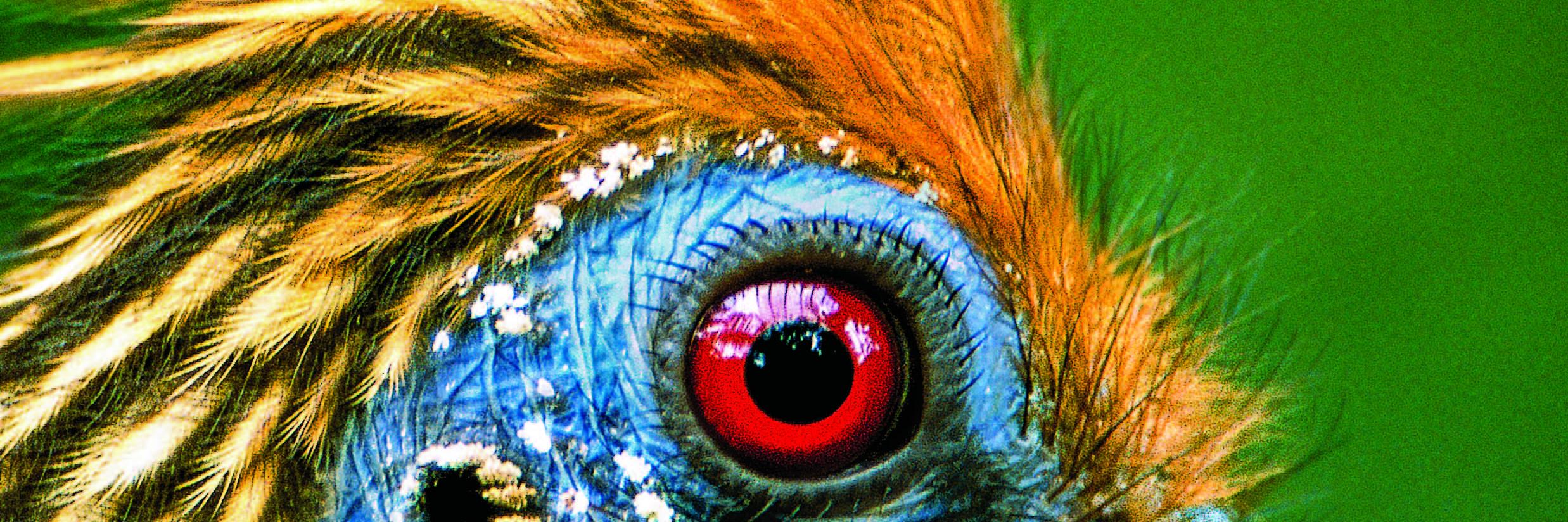
🌍 Hear from Erich Jarvis, chair of the EBP-affiliated Vertebrate Genomes Project at the Rockefeller University, as he explains why high-quality reference genomes across the Tree of Life are essential for conservation. 🦜🐋🐒
🧬He also shares how the VGP is helping to coordinate a nationwide platform to ensure the continued generation of reference genomes across the United States.
👉 https://t.co/IFceHGN4ll
@genomeark@RockefellerUniv@erichjarvis
#Conservation #Genomics #DNA #scienceinnovation #fundingnews #sciencenews
BREAKING: At the Harvard Graduation Ceremony moments ago, Harvard President Alan M. Garber just got a standing ovation after taking a subtle shot at President Trump.
"To the class of 2025, from down the street, across the country and around the world. AROUND THE WORLD! JUST AS IT SHOULD BE!”
Congratulations to our Human Neural Circuitry team; https://t.co/aGD7OacNs8 publishes today in Science! This was the hardest challenge of my career, but one of the most rewarding, after years of rebuilding– & for myself, expanding my inpatient neuropsychiatry work to the service of basic discovery:
https://t.co/4czK1YK2YV
I’m grateful for the opportunity to work with the amazing lead authors Isaac Kauvar @ikauvar, Ethan Richman, and Tony Liu @liutony66, and with equally brilliant faculty colleagues in our HNC program: Carolyn Rodriguez @CRodriguezMDPhD, Paul Nuyujukian, and Vivek Buch @VivekBuchMD, along with many other key collaborators spanning hospital and laboratory. https://t.co/qohlvNuQYF
BREAKING NYT:
Pete Hegseth's personal phone number — the one used in a recent Signal chat — was easily accessible on the internet and public apps as recently as March, potentially exposing national security secrets to foreign adversaries.
The phone number could be found in a variety of places, including WhatsApp, Facebook and a fantasy sports site. https://t.co/slmthmEUmE
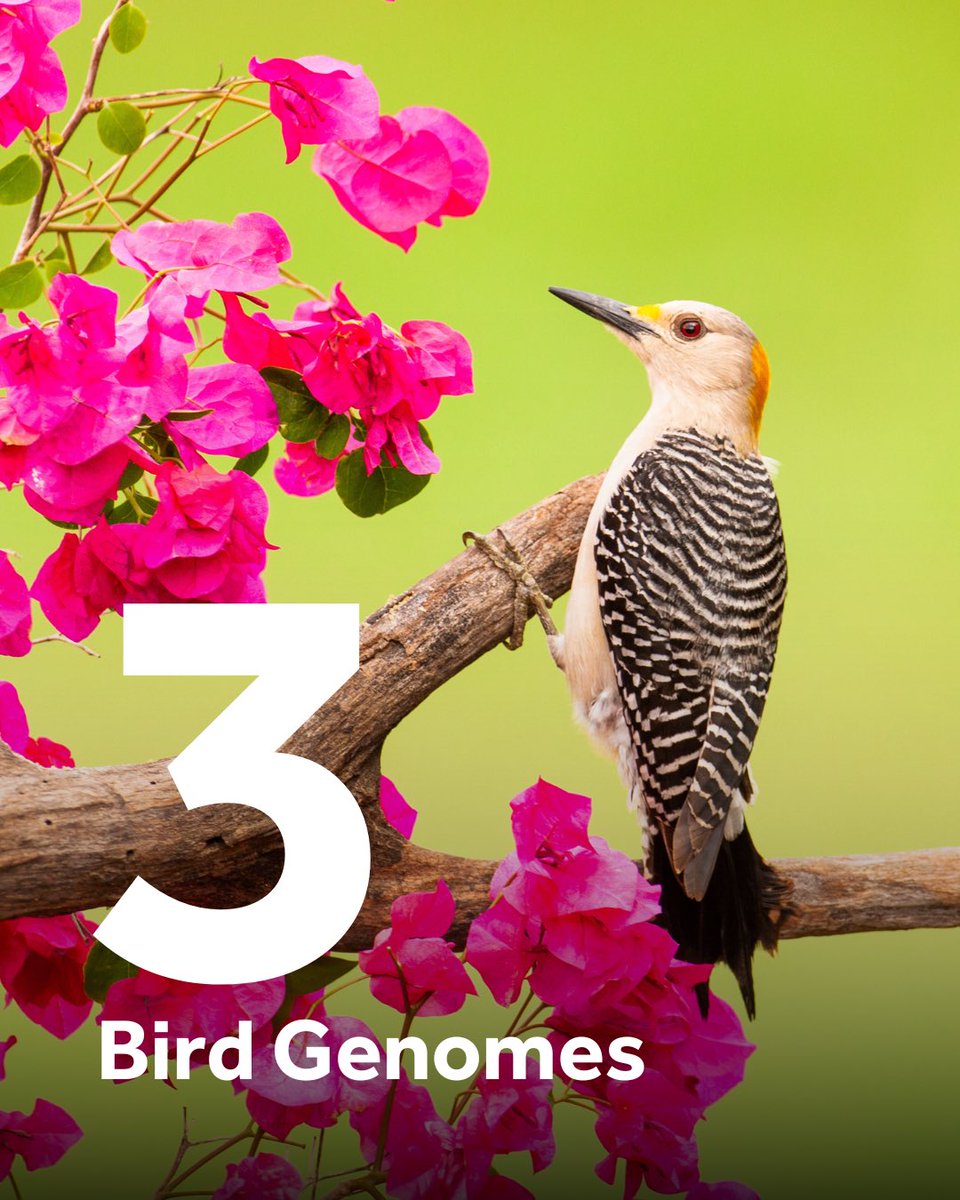
Cracking the code of flight: a deep dive into the genomes of three remarkable birds sequenced by @genomeark@erichjarvis Bird10K and California Conservation Genomics Project 🦅🦜
This #EarthDay we are highlighting Rockefeller's Avi Flamholz, who is dedicated to leveraging microbial forces to combat climate change. Understanding how communities of microbes release and absorb carbon will help lead to more accurate climate models.
https://t.co/6Z7NQqB7Ha
BREAKING: A federal judge in Georgia has just ordered Trump to reinstate the legal statuses of 133 international students by 5 p.m. today after their F-1 student visas were terminated by ICE.
BREAKING: Massive protest in New York City just now.
I don’t remember a single protest this large against Joe Biden.
We now have had protests like this for weeks all across the nation. People see Trump as a danger to our democracy.
#CZBiohubNY welcomes its latest cohort of Investigators, including @katenokv and @KivancBirsoy! They’re developing new tech to characterize + bioengineer immune cells—creating novel methods for early disease detection. https://t.co/93Rrh75vQx
As a co-founder of 23andMe, with all the recent news I felt it was time to express my views on the company, after witnessing the downfall of an idea and brand that could have become the world’s leading digital health platform.
The idea for 23andMe came to me after years working in life science research across the US (San Francisco, Boston, San Diego, and DC), at companies like Applied Biosystems, Molecular Dynamics, Perlegen, and Affymetrix. In traditional research studies, it’s a very familiar pattern: data are collected toward a specific goal, analyses are performed, and papers may get published. But there was almost no way to re-engage the people who provided their samples and no provision for them to access their data. One story stuck in my mind. Augie Nieto was diagnosed with ALS or Lou Gehrig’s disease. He had the personal resources to fund a genetic study of ALS, but when he asked the researchers for his data (that he’d funded), he was informed that the research protocol didn’t permit them to share any data back with him.
I had also attended the Personalized Medicine conference at Harvard for several years in the early 2000s. Everyone waxed on about this rosy future where people would only be prescribed medications that worked for them. It sounded great, but when you do a back-of-the-envelope calculation of the data required to implement that scenario, and consider how ploddingly research progress is made, it was a pipe dream. How would the data even be collected?
23andMe represented a new model: maintaining an online connection with the users and providing them with a direct view into their DNA. Having a communication link to the people who funded their own data access, we had a unique opportunity to continue the dialog, which could help parse the connection between our DNA and health outcomes in ways no government-funded effort was doing.
This concept came out of work I did at Perlegen Sciences (2003-2005), a company with a mission to find variants in the human genome and determine their role in disease. We created gene ‘chips’ that enabled the analysis of variants in DNA across the whole genome. With these newly designed chips, the strategy was to take samples from patient cohorts, isolate and analyze the DNA, and correlate markers in patients compared to healthy controls. My job was to track down samples from patients who’d been diagnosed with various diseases and find funding to pay for the research. I met with countless disease foundations and patient advocacy groups. This is when I came across the Michael J. Fox foundation, which funded Perlegen’s first-of-its-kind study of Parkinson’s disease (and was how I met Sergey Brin, the co-founder of Google, who was a major donor to the organization).
I was already feeling the inadequacy of these studies. So many diseases we were targeting were highly complex and needed more than just a simple diagnosis. The more I dug into ‘autism’, ‘bipolar disorder’, and ‘chronic fatigue syndrome’, to name a few, it was clear we needed more insights into what drove these patient diagnoses. The bible of medical diagnosis, the Diagnostic and Statistical Manual of Mental Disorders, or DSM-4 as it was called at that time, defined the conditions according to symptoms, but many likely have subtypes with differing causal routes. It was a ‘garbage in, garbage out’ problem. If you’re not starting with a succinct patient diagnosis, the genetic signature will be garbled. And it wasn’t easy collecting DNA from patients. In traditional research protocols, it meant getting blood samples, or worse, skin punches.
Part of the answer to this problem came from attending a trade show where I came across the booth of a startup, DNA Genotek, claiming that they could get high-quality DNA from a spit sample. Out of curiosity I grabbed a kit and took it back to Perlegen. The scientists were a bit dubious, but were willing to do a test run. And I was recruited to be the ‘spitter’. Soon after, I found out it had worked beautifully. I was even more intrigued when they said they’d run my DNA across one of our GWAS chips. My data were sitting on a server in the company, and I was immediately hooked. Could I get a copy? This question raised far more concerns than I would have anticipated. Our HR department made me sign a release that I wouldn’t hold the company responsible for what I might learn.
A lightbulb went on–if I was interested in accessing my own data, wouldn’t others feel the same way? Getting deeply personalized information about what makes us ‘us’ seemed undeniable. It didn’t take long for the concept to unfold. I’d then moved to Affymetrix where I floated the idea of a consumer-focused genetics startup to the management. To this day, I’m grateful to Steve Fodor, Sue Siegel, Gregg Fergus, Thane Krieiner, and others who supported my mission to run with it.
Building a website for consumers to learn about their DNA was no small challenge. It took us over a year to build a secure database, research the scientific implications behind the genetic markers, design the user interface, and create understandable explanations for the general public. We asked for feedback from a wide range of scientists–including a day of grilling at the Broad Institute–and we informed the head of the FDA of our plans. Our scientific advisory board was made up of experts from across the US. Soon after launch, we branched into ‘23andWe’ (our research mission), with the goal of collecting additional data through surveys.
I didn’t want to stop there. I knew we needed to keep engaging with our customers. What if we added in symptom tracking, blood test results, drug response, environmental exposure, etc? There was a wealth of information our customers could share. When we launched our initial surveys, we were pleased and surprised at the high response rate. But surveys can only collect limited data. There were so many other ways to dig deeper. And from a business model perspective, the one-and-done DNA collection step wouldn’t cut it.
On another note, I was also very vocal about the opposition to gene patents, well before the Supreme Court ruled against them in 2013. Finding genetic correlations to any human traits very clearly isn’t an invention deserving of patent protection, nor did it seem ethical. (I later found out 23andMe discoveries were being filed for patents without my knowledge.)
My time at the company was cut short in 2009, when my co-founder Anne convinced the board that she should run the company. And I must be honest, I was frustrated with the direction the company took after that point. After my departure, she architected a majority vote for herself that eliminated board governance, even as it expanded over the following funding rounds. For better or worse, the buck stopped with her. It came as no surprise when the board resigned last year.
23andMe was in a unique position when it started, well before the digital health revolution got underway. It is painful to think what could have been - the category-defining Google of digital health. The company has amassed one of the largest genetic data collections in the world, and to Anne’s credit, created a terrific consumer brand. We can only imagine the importance of the dataset that could have been built, combining blood work, deeper gene sequencing, wearable data, and providing actionable insights. Now, the market is fragmented with data siloed in many different companies. Without continued consumer-focused product development, and without governance, 23andMe lost its way, and society missed a key opportunity in furthering the idea of personalized health. The 14+ million people who bought into the concept deserve to see their data moved to a secure platform with new leadership and vision. Consumers, however, should be careful sharing their data if they don’t trust its secure and ethical use.
There are many cautionary tales buried in the 23andMe story. Striking a balance between the desire for founder control and board oversight is essential; otherwise, why have a board at all? It’s a familiar trope in Silicon Valley that wealth translates into unquestionable business savvy. But no matter how great an idea, the importance of the dynamics of the founding team and their ability to listen to feedback is key.
As a venture investor, I take these learnings into the tech bio space with a realistic view of the possibilities we’re seeing. The AI-guided future of health is here, and while there will never be a moment like the post-genome era with a blue ocean digital health market, it’s possible that new companies will rise and build the dream dataset of human health. I think there are great innovations that can make this happen, and I’m excited to be a part of that future.
Just heard that our NIH funding to learn how to make broadly effective vaccines against pandemic threat coronaviruses is being terminated
Lysenko is in charge at NIH
@MiriamMerad Undergraduate and PhD training programs supported in part or full by the government is an investment into “Americas” future. For all of us. Getting rid of them hurts not just the individual student or University, but all of us.