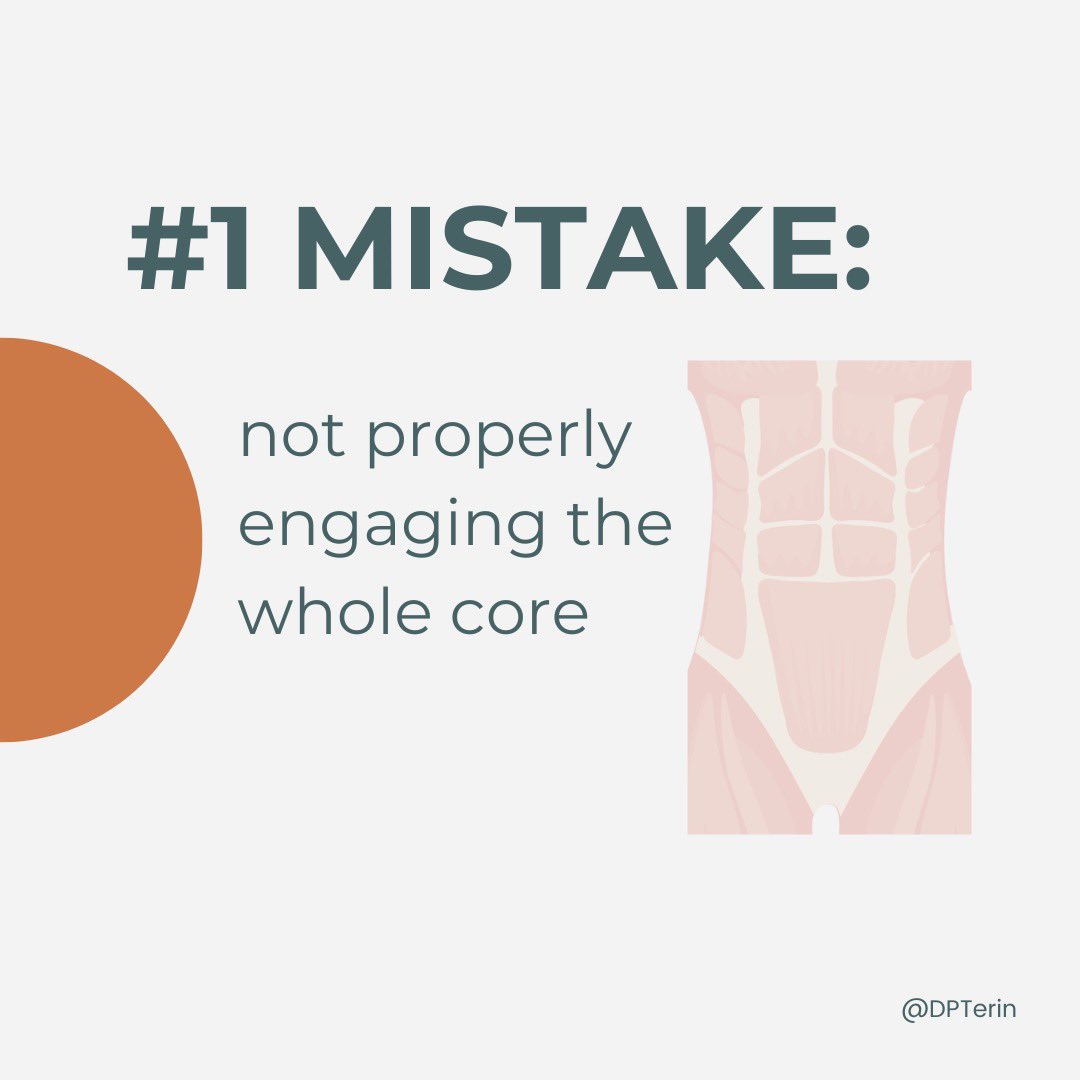
Strong abs don’t always mean a strong core.
A lot of back pain, hernias, pelvic floor dysfunction, and “instability” issues come from poor pressure management — not weakness
Learn more in my newsletter 👇
https://t.co/kA0LAai5LD
@jksti@SullyBusiness PT is multimodal— it's movement analysis, progress tracking, adaptive programming, and coaching on habits that drive recovery. Hands-on has its place, but it's one tool. PubMed reviews of 50+ studies show telerehab is just as effective (PMIDs: 33561280, 33814061)
@FaithAndAlpha @SullyBusiness Not dumb—I hear that a lot! It’s actually pretty similar to in-person PT. You lose some hands-on treatment, but a lot of PT is analyzing movement patterns, adjusting exercise dosage and progressive loading, and educating patients on lifestyle and habits that affect pain & healing
Ever wonder why going downstairs hurts more than going up? 🤔
Here’s why:
🔹 Quads work eccentrically (harder/slowing you down)
🔹 The knee joint absorbs more force (up to 3.5x bodyweight)
🔹 Less stabilizing help from glutes, requiring more control from quads/hamstrings/calves
Core training isn’t just about doing the exercises—it’s about engaging your whole core correctly
Poor core engagement can contribute to back pain, pelvic floor issues, hernias, and recurrent injuries
Check it out & let me know— was this harder than you expected? 🤔 (🧵)
What helps both 𝗽𝗮𝗶𝗻 𝗿𝗲𝗹𝗶𝗲𝗳 & 𝘀𝗹𝗲𝗲𝗽 𝗾𝘂𝗮𝗹𝗶𝘁𝘆?
✔️Exercise – improves sleep & reduces pain sensitivity 🏋️♂️
✔️Stretch or diaphragmatic breathe – calm the nervous system
✔️Sleep position – proper support reduces strain
✔️PT for pain – restores function & comfort
Poor sleep doesn’t just make you tired—it can actually 𝗶𝗻𝗰𝗿𝗲𝗮𝘀𝗲 𝗽𝗮𝗶𝗻 𝘀𝗲𝗻𝘀𝗶𝘁𝗶𝘃𝗶𝘁𝘆
Research shows sleep deprivation disrupts pain modulation, heightens inflammation, and alters neurotransmitter function, making everyday aches and injuries feel worse
guess what? People NOTICED a difference 🤔
they felt empowered and had more tools to manage symptoms as they came up rather than waiting for me to address it at the next visit 🙌
Thankfully Telehealth access is expanding as research supports its efficacy for countless cases 👩🔬
But then I started an experiment with in-person visits:
🔹 spending less time using my hands to guide and instead TEACHING patients to take the matter into their own hands
🔹 encouraging movement and modified exercise over aggressive massage as a first response to symptoms
It’s virtually the same as in-person PT (pun intended 🥸)
Don’t underestimate what can be managed online by a thorough, one-on-one video appointment 🫡
I’ll admit, a year ago I was pretty skeptical of the effectiveness of virtual physical therapy compared to in-person 🤨
PT isn't a one-size-fits-all recipe - it's a dynamic, individualized process that requires time, expertise, and careful consideration of your body's needs (5/5)
What's one of the biggest misconceptions you've heard about rehab?
For me, it's the idea that physical therapy is a simple formula - exercise and stretch, and you'll get better. Here's why this is inaccurate👇(🧵, 1/5)
🔬 Individual factors:
Everyone heals differently. Genetics, age, stress, and even lifestyle factors (nutrition and activity level) impact how quickly and effectively your body recovers. Rehab needs to be tailored to individual needs. (4/5)