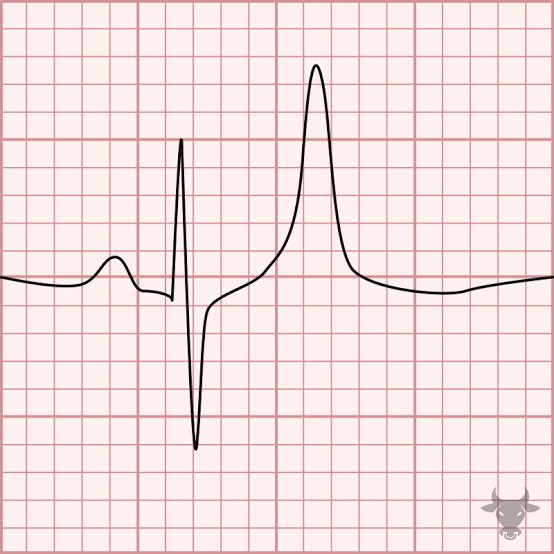
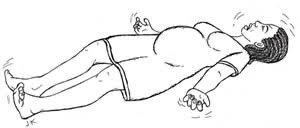
Acute hyperkalemia is a medical emergency.
prioritised sequence:
A. Oxygen with reservoir bag
1. Protect heart as priority
***IV calcium antagonizes potassium on cardiac myocytes, raising threshold potential stabilising membrane.
Dose:
.10 mL of 10% calcium gluconate over 2–10 minutes Repeat if ECG changes persist.
Remember:
***It does not lower serum potassium but improves ECG.
CONCURRENTLY
2. Shift potassium intracellularly
Insulin 10 U + 5- 10% Dextrose
Or
Salbutamol Nebs
3. Finally Remove potassium from the body:
Dialysis asap as Loop diuretics etc won’t work
#MedTwitter
#MedEd
@Medzonetv It’s always MGSO4 4 Gms IV
Diluted in 12 mL distilled water
Slowly over 15 minutes
Foll by 5 gms IM in each buttock and repeat 5 gms every 4 Th hourly IM for 24 hrs or 1 gm per hr infusion for 24 hrs
Labetalol IV 20 mg increments every 20 mts until Bp is 140/90
Bilateral Renal Artery Stenosis
1. ACE inhibitors and ARBs (such as telmisartan) dilate the efferent arteriole, reducing intraglomerular pressure and lowering the glomerular filtration rate (GFR).
2. In bilateral renal artery stenosis (or stenosis of the only functioning kidney), the kidneys depend on angiotensin II–mediated efferent arteriolar constriction to maintain GFR. Blocking this mechanism causes a sharp fall in kidney function.
3. A rise in serum creatinine of more than 30% soon after starting an ACE inhibitor or ARB should raise strong suspicion for renovascular disease, particularly bilateral renal artery stenosis.
4. Patients often have resistant hypertension, widespread atherosclerosis, recurrent flash pulmonary edema, or an abdominal bruit.
5. Diagnosis is usually made with renal artery Doppler ultrasound, CT angiography, or MR angiography, depending on renal function and clinical circumstances.
6. ACE inhibitors and ARBs are not contraindicated in unilateral renal artery stenosis, but they must be used cautiously with close monitoring of serum creatinine and potassium.
7. A sudden, marked rise in creatinine after starting an ACE inhibitor or ARB is not just a drug side effect—it is an important clue to bilateral renal artery stenosis and should never be ignored.