This one is special post. If you are like me switching roles every few years in Tech and moved into Products at Sr.Leadership positions directly, there wont be much in the market for a very authentic course. But @shreyas Product https://t.co/VpmdP6YRdD fill that gap perfectly.
I think Bitcoin will break its ATH in Q4 2024 and the bull market will peak in Q4 2025 👀
Why do I think the bull market plays out this way?
In this thread, I break down my thesis 👇
1/12
Introducing "The 4 Ps of Engineering Leadership"
A Framework to understand & assess the scope of Impact & Influence of Engineering Leaders in Big Techs:
1. Platform
2. Product
3. Process
4. People
🧵 🧵🧵
#Bitcoin has been leading this rally, with many alts bleeding vs $BTC.
But at some point, liquidity likely rotates into alts.
When? Well, there’s a key indicator that I’m using to signal a potential altcoin rotation.
Watch now 👉: https://t.co/TzlihQ5lip
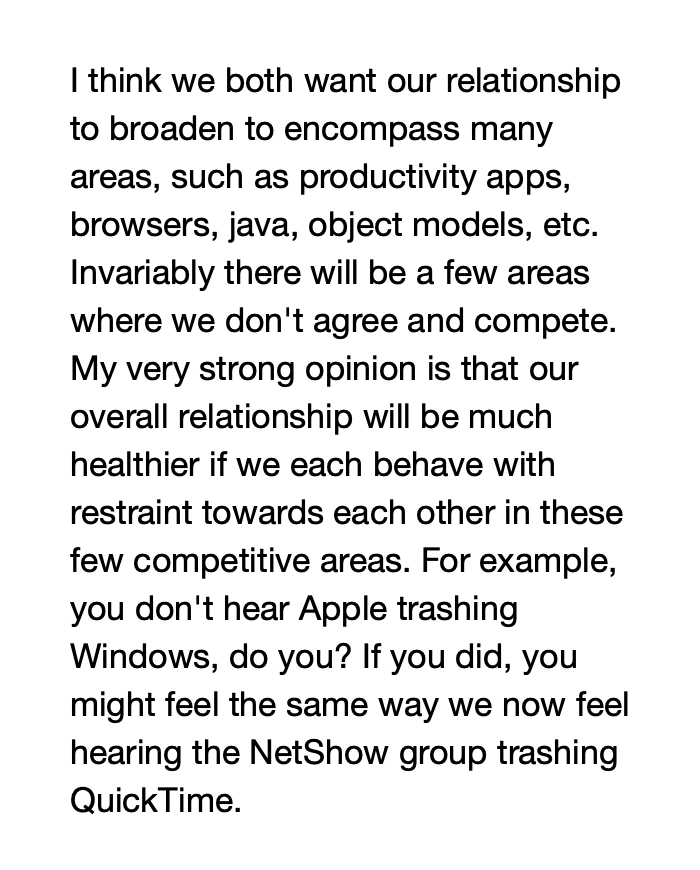
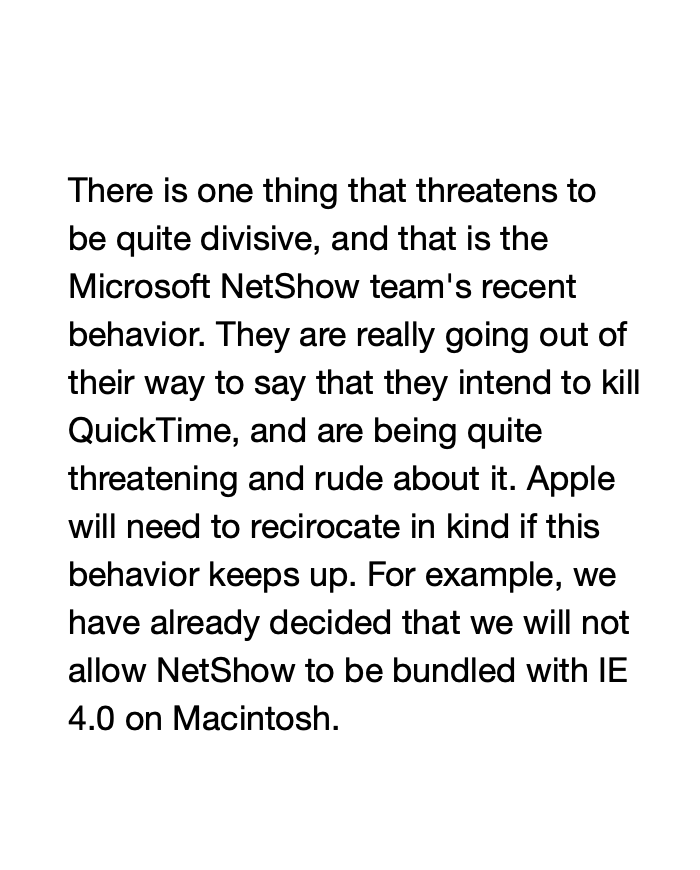
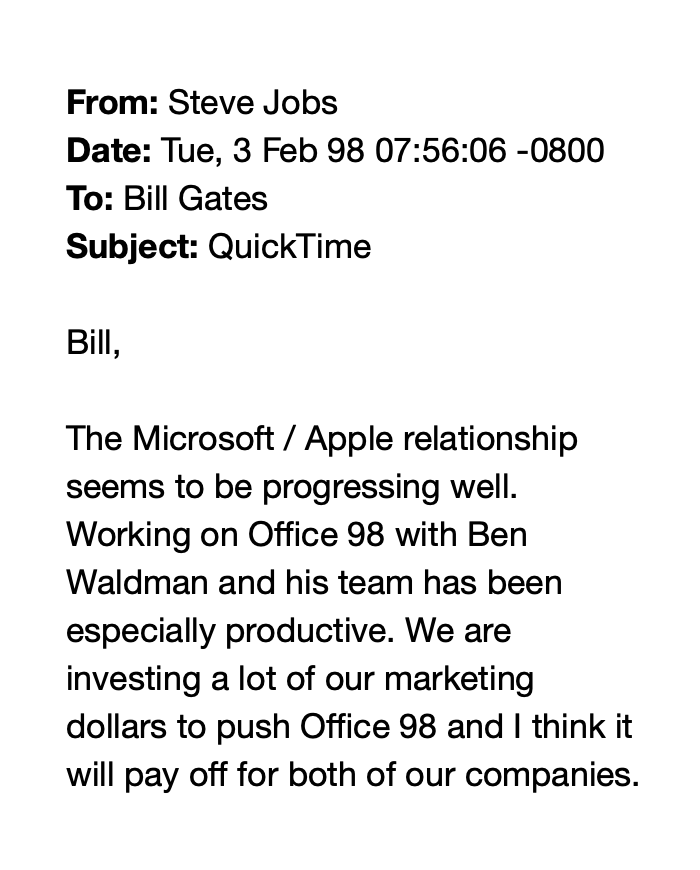
Just as in 2008, the bankers lied.
This time, the central bankers, the banks, and the bank regulators have lied to all dollar holders and depositors.
This isn't your typical fractional reserve situation. The problem is that there isn't enough in the banks on a mark-to-market basis to cover withdrawals. They knew this through all of last year, and communicated it internally in their coded language.
It's obvious from the graphs (see below). The central banks, the banks, and the banking regulators all knew a huge crash was coming — the phrase is "unrealized losses" [1,2,3,4,5]. But they never notified you, the depositor.
Instead the regulators allowed banks to hide their literal insolvency in footnotes[6], until one guy figured it out[7].
It's Uncle Sam Bankman Fried. Just like SBF used your deposits to buy shitcoins, using accounting tricks to fool himself and others into using the money, so too did the banks.
They all used the deposits to buy the ultimate shitcoin: long-dated US Treasuries. And they all got rekt at the same time, in the same way, because they bought the same asset from the same vendor who devalued it at the same time: the Fed.
Specifically, as NYT admitted, banks "binged" on enormous amounts of Treasuries and other long-term bonds in 2021 when the flood of printed money cut off their typical demand for loans, and because they thought the Fed would keep interest rates low forever.[8].
And they had good reason to believe this. Powell said he'd be "patient" on rate hikes as late as Nov 3 2021[9]. Then he got renominated on Nov 22 2021[10], and hiked rates much faster than anyone had expected — which even Yellen[11] and the FDIC[12] admit caused the current banking crisis.
Why did Powell delay? Probably for political reasons. Presidents don't like rate hikes[13], especially running into the election year of 2022. And Powell thought he could wait and just be like Paul Volcker[14], who was "firm" and then defeated inflation.
But the world isn't an 80s rerun. Hiking from ten years of near zero interest rates in the 2010s was a surprise attack on every dollar holder. Economics isn't politics - the kind of insane flipflops you see in politics don't work when there are actual contracts involved.
So anyone who bet on long-term Treasuries got killed in 2021. And now, anyone who bets on short-term Treasuries is going to get killed in 2023. The absolute worse place you can be is to have large amounts of assets locked up in three month treasury bills. The ~5% interest rate offered by big banks (G-SIBs) is a trap. Most fiat bank accounts are now a trap, for those countries whose central bankers followed the Fed.
Check my references, I've provided quite a few.
If you trust US bankers and US media, ignore me.
Otherwise buy Bitcoin and get your coins off exchanges.
#Bitsignal
[1]: Fed, Sept 22: https://t.co/U4xeA0TAq9
[2]: FDIC Nov 22: https://t.co/NPj6jde3uG
[3]: FDIC Mar 6 23: https://t.co/1cctxQ27KI
[4]: Fed Feb 1 23: https://t.co/knQzUIKJI2
[5]: Bank CPAs, April 22: https://t.co/OlEnfFqb1N
[6]: Insolvency in a footnote: https://t.co/7b8oCBuFpp
[7]: Discovered online: https://t.co/oaVtf9f57Y
[8]: Banks bingeing on bonds, but not because they want to Aug 25 2021: https://t.co/OTfWwVwIqK
Pre-mortems are great for mitigating potential blunders when rolling out a new thing.
A tiny time investment, with major benefits.
Consider doing a pre-mortem for your next major feature, ToS change, PR event, etc.
Learn more in this thread👇🏾
Just a few notes to myself (a driven & ambitious person):
1) Kings are overrated and usually unhappy. It is much better to be kingmaker.
2) Eventually, everyone realizes that they don’t want to be Elon Musk or Steve Jobs. How quickly do you want to get there?
3) Legacy is overrated. So is impact.
4) Learn from everyone & everything. Don’t view people as better or worse than you, worthy or unworthy of teaching you. And if something doesn’t fully resonate, don’t reject it wholesale. Try extracting the useful bits and learn from those. Wisdom is everywhere, if you can spot it.
5) When you find someone inspiring, try to separate their content and their charisma. And if it’s the charisma that inspires, be very careful.
6) The chief indicator of authentic confidence isn’t bravado. It’s the person’s openness to discovering why they’re wrong.
7) Whatever industry or domain you are in is probably smaller than you imagine it is. People talk. Don’t burn bridges over the small stuff.
8) When in doubt about where to take a job, pick the place with the better people. Even if it ends up being the wrong bet, you will still be more fulfilled with your work.
9) In the tech industry, things often change. Platforms change, technologies change, office signs change, employers change, centers of gravity change. The one thing that remains constant is the people. Always optimize for the people.
10) If you choose to understand just one cognitive bias, let it be the Fundamental Attribution Error. If you choose to understand one more cognitive bias, let it be Confirmation Bias.
Last but not least, very important note:
No rule is valid for every single situation in life. Except this rule.
Interested in what zero-knowledge proofs can do for governance?
Check out this new voting strategy by @0xHolonym that powers @AndrewYang's @Lobby3_DAO 🗳️
Had a fun time chatting about building products and teams with @HarryStebbings on @twentyminutevc.
Full podcast: https://t.co/9vB3BTPMO3
Also available on Spotify and all your favorite podcast apps.
Thanks for the opportunity, Harry!
Over the weekend had a wonderful opportunity to participate in @shreyas Managing your Product career in 2023 & Beyond.. So many practical framework & tools to take home and implement right-away.. There is another one in March too: https://t.co/9SQMPenLKO
Failure is the absolute worst way to learn something and sadly so many people spend their entire lives under the illusion that failure is the best way to learn anything.
You might have heard people say:
“Amateurs talk strategy. Professionals talk logistics.”
People conclude from this that, to be a true professional, they should fixate on logistics/operations.
Such conclusions are flawed & can even be harmful.
The Curse of Brilliance, a thread:
3 types of product leaders:
1) The Operator
2) The Craftsperson
3) The Visionary
It is important for you as a startup founder or CEO, product manager, or a product leader to deeply understand these types, as you make decisions on whom to hire or whom to work for.
Thread👇🏾
Empathy is the most valuable product skill
Why?
• It’s vital for correct product decisions
• It’s useful at all granularities: from strategy to UI copy
• It’s crucial in execution too: project mgmt, sales..
Empathy in action feels like magic. Like magic, it can be learned
👇🏾
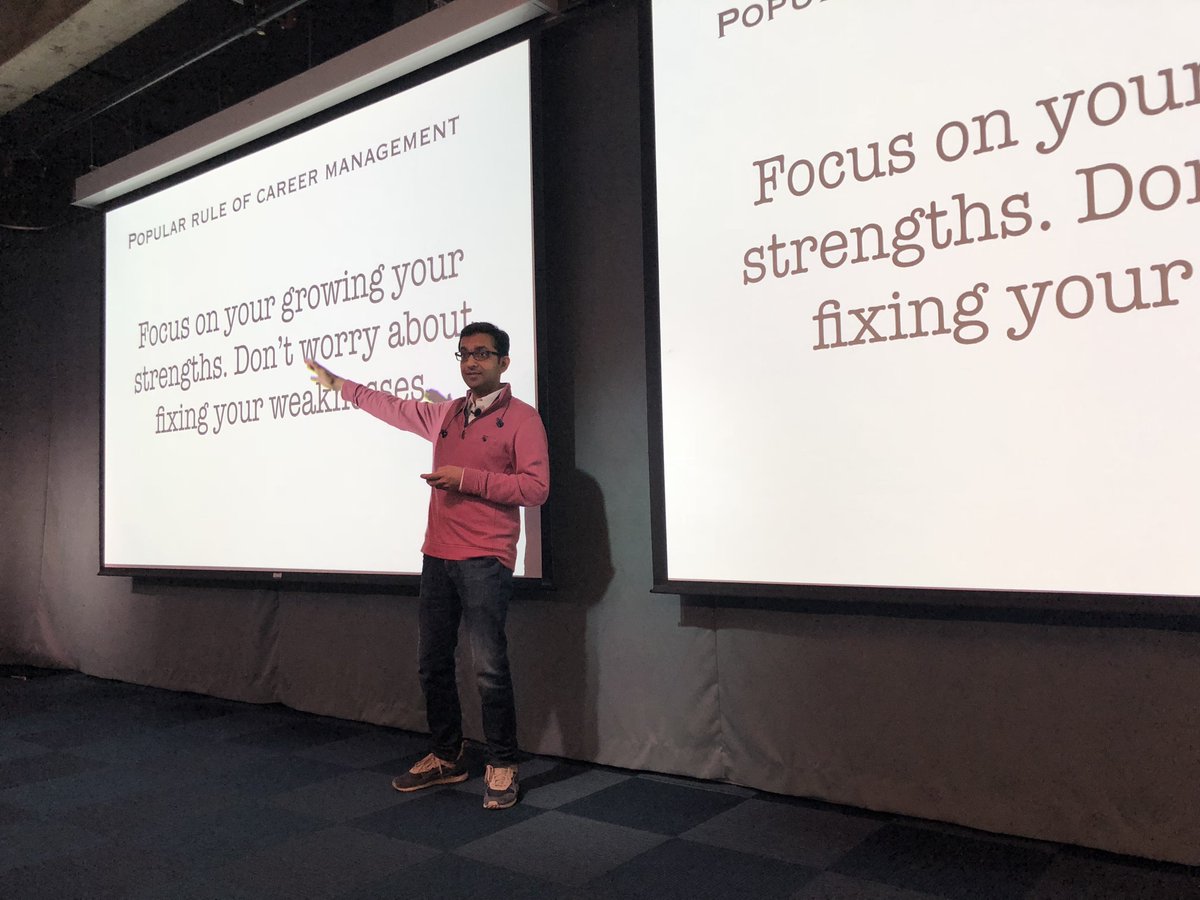
More than 8 years after my last public talk on product management, I spoke about PM career management at Products That Count.
What follows is a long tweetstorm with the key content.
It isn't for the faint of heart.
Are you ready?
What is Product Editing?
I've adapted it from @rabois's general framing on Editing:
https://t.co/gXQrrk8TXW
Check out this thread for more on Product Editing for PM leaders:
https://t.co/MExHg1OFOx
One of life’s greatest ironies is that most of the things we chase because of our conviction that they will make us happy end up actually making us less happy and one of life’s greatest tragedies is that we commit this mistake over and over again and we are still none the wiser.
The biggest problem with saying that Execution is more important than Ideas is that it demonstrates a gross misunderstanding of how you get outstanding Execution: you get it through 100s of excellent (and usually correct) Ideas about what to do & how to do it, day in and day out.




![balajis's tweet photo. Just as in 2008, the bankers lied.
This time, the central bankers, the banks, and the bank regulators have lied to all dollar holders and depositors.
This isn't your typical fractional reserve situation. The problem is that there isn't enough in the banks on a mark-to-market basis to cover withdrawals. They knew this through all of last year, and communicated it internally in their coded language.
It's obvious from the graphs (see below). The central banks, the banks, and the banking regulators all knew a huge crash was coming — the phrase is "unrealized losses" [1,2,3,4,5]. But they never notified you, the depositor.
Instead the regulators allowed banks to hide their literal insolvency in footnotes[6], until one guy figured it out[7].
It's Uncle Sam Bankman Fried. Just like SBF used your deposits to buy shitcoins, using accounting tricks to fool himself and others into using the money, so too did the banks.
They all used the deposits to buy the ultimate shitcoin: long-dated US Treasuries. And they all got rekt at the same time, in the same way, because they bought the same asset from the same vendor who devalued it at the same time: the Fed.
Specifically, as NYT admitted, banks "binged" on enormous amounts of Treasuries and other long-term bonds in 2021 when the flood of printed money cut off their typical demand for loans, and because they thought the Fed would keep interest rates low forever.[8].
And they had good reason to believe this. Powell said he'd be "patient" on rate hikes as late as Nov 3 2021[9]. Then he got renominated on Nov 22 2021[10], and hiked rates much faster than anyone had expected — which even Yellen[11] and the FDIC[12] admit caused the current banking crisis.
Why did Powell delay? Probably for political reasons. Presidents don't like rate hikes[13], especially running into the election year of 2022. And Powell thought he could wait and just be like Paul Volcker[14], who was "firm" and then defeated inflation.
But the world isn't an 80s rerun. Hiking from ten years of near zero interest rates in the 2010s was a surprise attack on every dollar holder. Economics isn't politics - the kind of insane flipflops you see in politics don't work when there are actual contracts involved.
So anyone who bet on long-term Treasuries got killed in 2021. And now, anyone who bets on short-term Treasuries is going to get killed in 2023. The absolute worse place you can be is to have large amounts of assets locked up in three month treasury bills. The ~5% interest rate offered by big banks (G-SIBs) is a trap. Most fiat bank accounts are now a trap, for those countries whose central bankers followed the Fed.
Check my references, I've provided quite a few.
If you trust US bankers and US media, ignore me.
Otherwise buy Bitcoin and get your coins off exchanges.
#Bitsignal
[1]: Fed, Sept 22: https://t.co/U4xeA0TAq9
[2]: FDIC Nov 22: https://t.co/NPj6jde3uG
[3]: FDIC Mar 6 23: https://t.co/1cctxQ27KI
[4]: Fed Feb 1 23: https://t.co/knQzUIKJI2
[5]: Bank CPAs, April 22: https://t.co/OlEnfFqb1N
[6]: Insolvency in a footnote: https://t.co/7b8oCBuFpp
[7]: Discovered online: https://t.co/oaVtf9f57Y
[8]: Banks bingeing on bonds, but not because they want to Aug 25 2021: https://t.co/OTfWwVwIqK](https://pbs.twimg.com/media/Frcng5maIAA12ZS.png)
![balajis's tweet photo. Just as in 2008, the bankers lied.
This time, the central bankers, the banks, and the bank regulators have lied to all dollar holders and depositors.
This isn't your typical fractional reserve situation. The problem is that there isn't enough in the banks on a mark-to-market basis to cover withdrawals. They knew this through all of last year, and communicated it internally in their coded language.
It's obvious from the graphs (see below). The central banks, the banks, and the banking regulators all knew a huge crash was coming — the phrase is "unrealized losses" [1,2,3,4,5]. But they never notified you, the depositor.
Instead the regulators allowed banks to hide their literal insolvency in footnotes[6], until one guy figured it out[7].
It's Uncle Sam Bankman Fried. Just like SBF used your deposits to buy shitcoins, using accounting tricks to fool himself and others into using the money, so too did the banks.
They all used the deposits to buy the ultimate shitcoin: long-dated US Treasuries. And they all got rekt at the same time, in the same way, because they bought the same asset from the same vendor who devalued it at the same time: the Fed.
Specifically, as NYT admitted, banks "binged" on enormous amounts of Treasuries and other long-term bonds in 2021 when the flood of printed money cut off their typical demand for loans, and because they thought the Fed would keep interest rates low forever.[8].
And they had good reason to believe this. Powell said he'd be "patient" on rate hikes as late as Nov 3 2021[9]. Then he got renominated on Nov 22 2021[10], and hiked rates much faster than anyone had expected — which even Yellen[11] and the FDIC[12] admit caused the current banking crisis.
Why did Powell delay? Probably for political reasons. Presidents don't like rate hikes[13], especially running into the election year of 2022. And Powell thought he could wait and just be like Paul Volcker[14], who was "firm" and then defeated inflation.
But the world isn't an 80s rerun. Hiking from ten years of near zero interest rates in the 2010s was a surprise attack on every dollar holder. Economics isn't politics - the kind of insane flipflops you see in politics don't work when there are actual contracts involved.
So anyone who bet on long-term Treasuries got killed in 2021. And now, anyone who bets on short-term Treasuries is going to get killed in 2023. The absolute worse place you can be is to have large amounts of assets locked up in three month treasury bills. The ~5% interest rate offered by big banks (G-SIBs) is a trap. Most fiat bank accounts are now a trap, for those countries whose central bankers followed the Fed.
Check my references, I've provided quite a few.
If you trust US bankers and US media, ignore me.
Otherwise buy Bitcoin and get your coins off exchanges.
#Bitsignal
[1]: Fed, Sept 22: https://t.co/U4xeA0TAq9
[2]: FDIC Nov 22: https://t.co/NPj6jde3uG
[3]: FDIC Mar 6 23: https://t.co/1cctxQ27KI
[4]: Fed Feb 1 23: https://t.co/knQzUIKJI2
[5]: Bank CPAs, April 22: https://t.co/OlEnfFqb1N
[6]: Insolvency in a footnote: https://t.co/7b8oCBuFpp
[7]: Discovered online: https://t.co/oaVtf9f57Y
[8]: Banks bingeing on bonds, but not because they want to Aug 25 2021: https://t.co/OTfWwVwIqK](https://pbs.twimg.com/media/Frcnfs8akAExKIh.png)
![balajis's tweet photo. Just as in 2008, the bankers lied.
This time, the central bankers, the banks, and the bank regulators have lied to all dollar holders and depositors.
This isn't your typical fractional reserve situation. The problem is that there isn't enough in the banks on a mark-to-market basis to cover withdrawals. They knew this through all of last year, and communicated it internally in their coded language.
It's obvious from the graphs (see below). The central banks, the banks, and the banking regulators all knew a huge crash was coming — the phrase is "unrealized losses" [1,2,3,4,5]. But they never notified you, the depositor.
Instead the regulators allowed banks to hide their literal insolvency in footnotes[6], until one guy figured it out[7].
It's Uncle Sam Bankman Fried. Just like SBF used your deposits to buy shitcoins, using accounting tricks to fool himself and others into using the money, so too did the banks.
They all used the deposits to buy the ultimate shitcoin: long-dated US Treasuries. And they all got rekt at the same time, in the same way, because they bought the same asset from the same vendor who devalued it at the same time: the Fed.
Specifically, as NYT admitted, banks "binged" on enormous amounts of Treasuries and other long-term bonds in 2021 when the flood of printed money cut off their typical demand for loans, and because they thought the Fed would keep interest rates low forever.[8].
And they had good reason to believe this. Powell said he'd be "patient" on rate hikes as late as Nov 3 2021[9]. Then he got renominated on Nov 22 2021[10], and hiked rates much faster than anyone had expected — which even Yellen[11] and the FDIC[12] admit caused the current banking crisis.
Why did Powell delay? Probably for political reasons. Presidents don't like rate hikes[13], especially running into the election year of 2022. And Powell thought he could wait and just be like Paul Volcker[14], who was "firm" and then defeated inflation.
But the world isn't an 80s rerun. Hiking from ten years of near zero interest rates in the 2010s was a surprise attack on every dollar holder. Economics isn't politics - the kind of insane flipflops you see in politics don't work when there are actual contracts involved.
So anyone who bet on long-term Treasuries got killed in 2021. And now, anyone who bets on short-term Treasuries is going to get killed in 2023. The absolute worse place you can be is to have large amounts of assets locked up in three month treasury bills. The ~5% interest rate offered by big banks (G-SIBs) is a trap. Most fiat bank accounts are now a trap, for those countries whose central bankers followed the Fed.
Check my references, I've provided quite a few.
If you trust US bankers and US media, ignore me.
Otherwise buy Bitcoin and get your coins off exchanges.
#Bitsignal
[1]: Fed, Sept 22: https://t.co/U4xeA0TAq9
[2]: FDIC Nov 22: https://t.co/NPj6jde3uG
[3]: FDIC Mar 6 23: https://t.co/1cctxQ27KI
[4]: Fed Feb 1 23: https://t.co/knQzUIKJI2
[5]: Bank CPAs, April 22: https://t.co/OlEnfFqb1N
[6]: Insolvency in a footnote: https://t.co/7b8oCBuFpp
[7]: Discovered online: https://t.co/oaVtf9f57Y
[8]: Banks bingeing on bonds, but not because they want to Aug 25 2021: https://t.co/OTfWwVwIqK](https://pbs.twimg.com/media/FrcnepDaYAA-bxE.png)







![balajis's tweet photo. Just as in 2008, the bankers lied.
This time, the central bankers, the banks, and the bank regulators have lied to all dollar holders and depositors.
This isn't your typical fractional reserve situation. The problem is that there isn't enough in the banks on a mark-to-market basis to cover withdrawals. They knew this through all of last year, and communicated it internally in their coded language.
It's obvious from the graphs (see below). The central banks, the banks, and the banking regulators all knew a huge crash was coming — the phrase is "unrealized losses" [1,2,3,4,5]. But they never notified you, the depositor.
Instead the regulators allowed banks to hide their literal insolvency in footnotes[6], until one guy figured it out[7].
It's Uncle Sam Bankman Fried. Just like SBF used your deposits to buy shitcoins, using accounting tricks to fool himself and others into using the money, so too did the banks.
They all used the deposits to buy the ultimate shitcoin: long-dated US Treasuries. And they all got rekt at the same time, in the same way, because they bought the same asset from the same vendor who devalued it at the same time: the Fed.
Specifically, as NYT admitted, banks "binged" on enormous amounts of Treasuries and other long-term bonds in 2021 when the flood of printed money cut off their typical demand for loans, and because they thought the Fed would keep interest rates low forever.[8].
And they had good reason to believe this. Powell said he'd be "patient" on rate hikes as late as Nov 3 2021[9]. Then he got renominated on Nov 22 2021[10], and hiked rates much faster than anyone had expected — which even Yellen[11] and the FDIC[12] admit caused the current banking crisis.
Why did Powell delay? Probably for political reasons. Presidents don't like rate hikes[13], especially running into the election year of 2022. And Powell thought he could wait and just be like Paul Volcker[14], who was "firm" and then defeated inflation.
But the world isn't an 80s rerun. Hiking from ten years of near zero interest rates in the 2010s was a surprise attack on every dollar holder. Economics isn't politics - the kind of insane flipflops you see in politics don't work when there are actual contracts involved.
So anyone who bet on long-term Treasuries got killed in 2021. And now, anyone who bets on short-term Treasuries is going to get killed in 2023. The absolute worse place you can be is to have large amounts of assets locked up in three month treasury bills. The ~5% interest rate offered by big banks (G-SIBs) is a trap. Most fiat bank accounts are now a trap, for those countries whose central bankers followed the Fed.
Check my references, I've provided quite a few.
If you trust US bankers and US media, ignore me.
Otherwise buy Bitcoin and get your coins off exchanges.
#Bitsignal
[1]: Fed, Sept 22: https://t.co/U4xeA0TAq9
[2]: FDIC Nov 22: https://t.co/NPj6jde3uG
[3]: FDIC Mar 6 23: https://t.co/1cctxQ27KI
[4]: Fed Feb 1 23: https://t.co/knQzUIKJI2
[5]: Bank CPAs, April 22: https://t.co/OlEnfFqb1N
[6]: Insolvency in a footnote: https://t.co/7b8oCBuFpp
[7]: Discovered online: https://t.co/oaVtf9f57Y
[8]: Banks bingeing on bonds, but not because they want to Aug 25 2021: https://t.co/OTfWwVwIqK](https://pbs.twimg.com/media/FrcniLSaMAEtI0d.jpg)


