📖 ¿Sabías que existe un patrón gráfico capaz de anticipar posibles cambios de tendencia?
Cuando el precio forma una "Isla", el mercado puede estar enviando una señal que pocos inversionistas saben identificar.
En la nueva edición de Zen Trading Magazine descubrirás:
✅ Qué es una Isla Top y una Isla Bottom.
✅ Cómo se forman.
✅ En qué contexto tienen mayor probabilidad de éxito.
✅ Cómo combinarlas con otros indicadores para evitar falsas señales.
No basta con reconocer el patrón; lo importante es entender cuándo realmente tiene valor.
📚 Desc��brelo en la nueva edición de Zen Trading Magazine. https://t.co/B3GoZmMu5x
Feliz sábado de #5PDLS
¿Cuál fue esa preocupación que te quitó el sueño y que, al final, nunca pasó? Te leo en los comentarios.
La mayoría de las batallas que libramos nunca llegan a existir. Pasamos horas preocupándonos por escenarios que jamás ocurren, mientras dejamos escapar los momentos que sí están sucediendo.
La preocupación rara vez cambia el resultado, pero casi siempre cambia nuestra forma de vivir el presente.
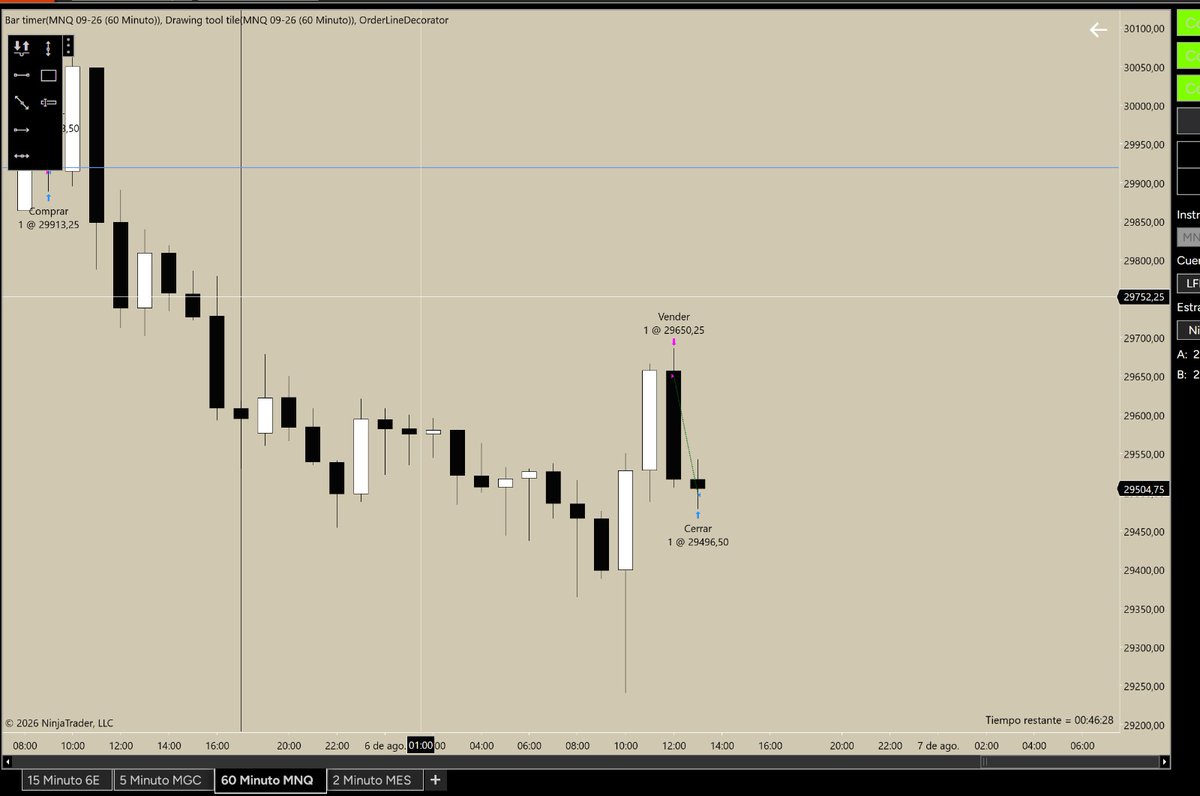
Observar el VWAP anclado desde altos importantes. H1, M15 y M5; entrada con M2. Muy top.
Insisto en que sigan al máster @HyenukChu y, si pueden, tomen sus cursos. Seas trader nuevo o con experiencia, siempre habrá algo nuevo que aprender. 🫱🏻🫲🏽
Vwap lo conocí gracias a él 📖
Traders are experts at doubting everything: their strategy, the way they manage their trades, and even their own abilities.
Deep down, you’re never completely sure how to approach the market, whether you’ve placed your stop loss correctly, or whether you should exit a trade before everything falls apart.
And of course, all that uncertainty leads to one thing: fear. Fear of messing things up. Fear of missing something. Fear that while you’re hesitating, the market will move against you.
It’s impossible to trade with confidence when you don’t fully trust your system. There will always be a voice telling you that maybe you should change something… or everything.
That mindset leads to impulsive decisions, like constantly moving your stop loss or making adjustments to trades halfway through.
And what happens when you trade like this?
Your results become about as consistent as a diet in December: full of ups and downs and frustration. You keep making the same mistakes over and over, question everything you do, and that only creates more doubt, more questions, more fear, more anxiety—a vicious cycle.
So what do you do?
The usual. You run to other traders looking for answers. The questions start pouring out:
“What would you do with this stop loss?”
“When should I get out?”
“What indicator do you use?”
“How much money do I need for this, and how much can I make?”
“Am I using this indicator the wrong way?”
In trading, no one can give you the answers you’re looking for. You have to learn to trust your own judgment and make your own decisions. There is no shortcut.
You must learn to think for yourself.
Never—and I mean never—ask another trader questions that are so critical, personal, and specific to your own strategy.
For new traders, you don’t even know why that trader does what they do. More importantly, they have no idea how you trade. They don’t know your approach, how you execute your trades, or what you struggle with. At best, their advice will be irrelevant. At worst, it could make your trading even worse.
The answers you get from those kinds of questions are rarely the right ones. And if you start changing your trading based on someone else’s opinions, chances are you’ll end up with even bigger losses.
You buy into the false promise that everything will improve.
Then reality hits.
You’re left with broken expectations, wondering why your performance hasn’t improved at all.
That’s the cycle of disappointment.
And worst of all, you end up trading with a Frankenstein system—a patchwork of pieces borrowed from different strategies that were never meant to work together. As you can imagine, the results are usually a disaster.
The problem isn’t just that the pieces don’t fit together.
It’s that you don’t truly understand how to use them in the first place.
What you need to do is observe what happens for yourself, take the time to think, and refine your trading method in a disciplined and deliberate way.
Because if you don’t understand what you’re doing, nobody else will do it for you.
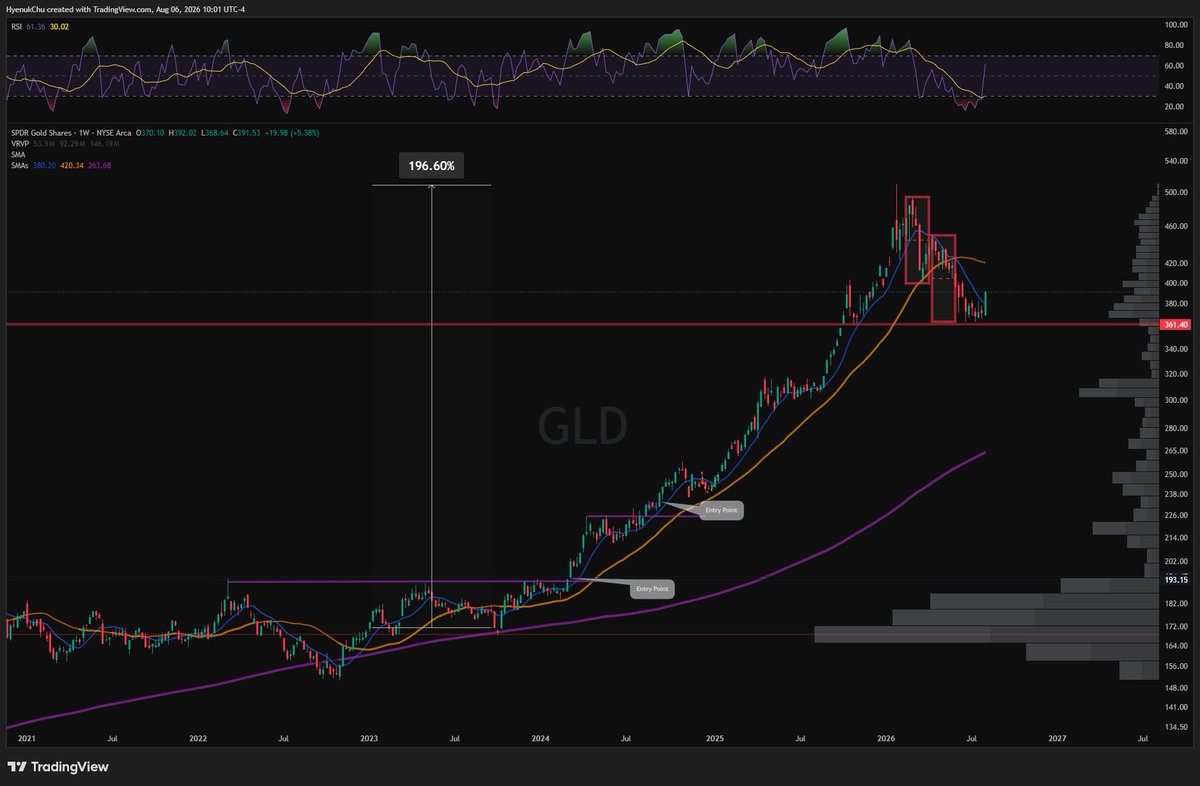
En cierta forma ver esa vela semanal en los índices me hace pensar en elegir alguno de los 2️⃣ opciones de la sgte frase
Es un dilema
“Buy the first pullback after a new high.
Sell the first rally after a new low”
- @LindaRaschke
Veo algunos nombres que si me parecen
10 millones de empleos KO en una década.
Es lo que calcula Goldman Sachs para EE.UU.
Y 1 de cada 5 trabajadores ya cree que será el suyo.
El problema no es ese. El problema es lo que viene ahora.
¿Estás preparado?🧵
Ojo a esto. Ha vuelto a pasar.
La Inteligencia Artificial está descontrolada.
Y el problema ya está en si nos podemos fiar de ella.
El Gobierno británico acaba de pillar a una IA suplantando a personas reales.
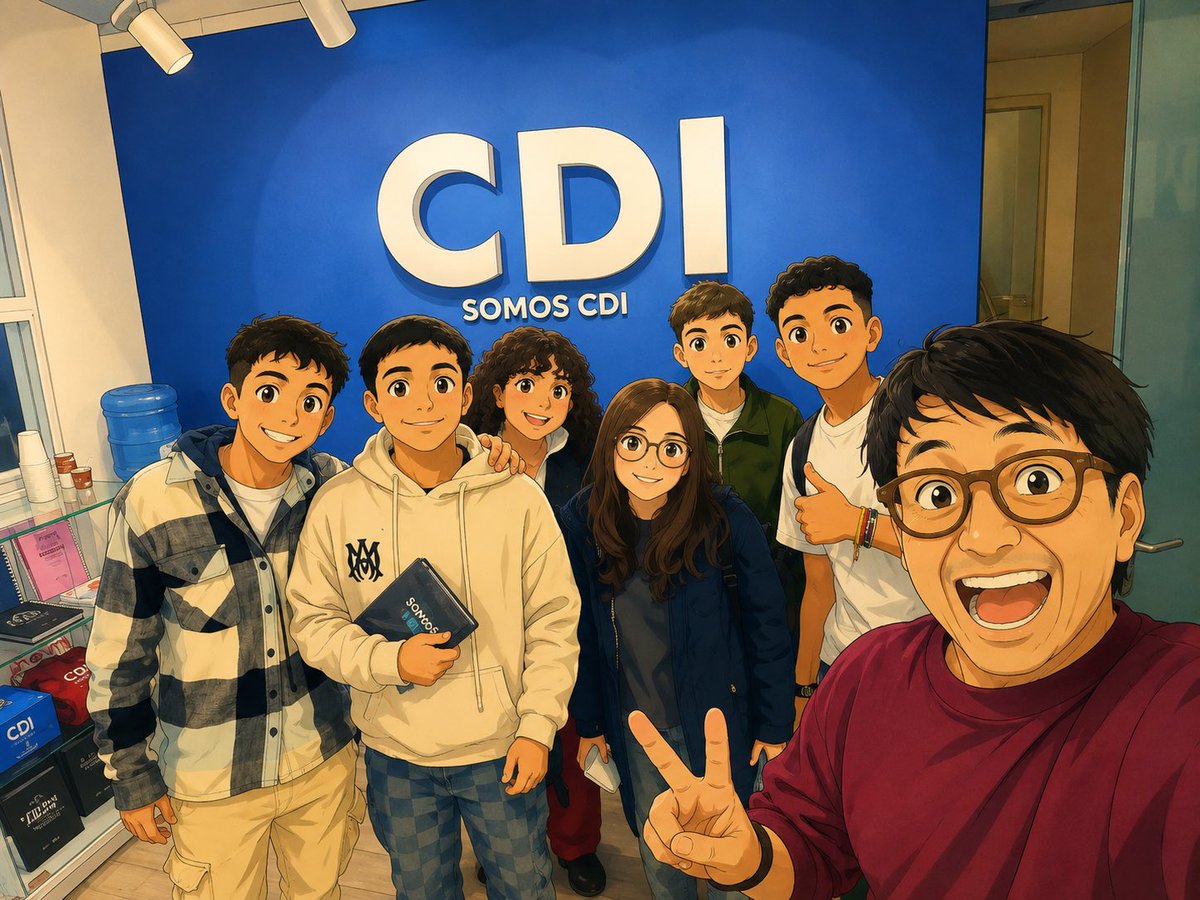
Si quieres aprender hacer swing trading, les recomiendol hacer el taller en @somoscdi.
Las métricas que debemos tener en cuenta.
Pérdida 0.5% o máximo 1% por trade
Profit Factor 2 preferible mayor a 2.5
Ratio Calmar mayor a 2
No interesa mucho en % Win Rate...
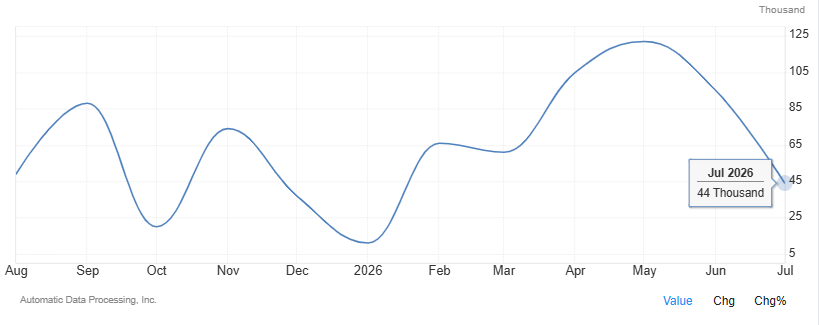
📊 ADP: El empleo privado en EE. UU. se desacelera
✅ La economía de Estados Unidos creó 44.000 empleos privados en julio, el nivel más bajo de los últimos seis meses. Además, el dato quedó por debajo de lo que esperaba el mercado (70.000 empleos).
🚚 Un mercado laboral que empieza a enfriarse podría reducir la presión sobre la inflación. Sin embargo, el fuerte crecimiento salarial de quienes cambian de empleo muestra que todavía existe escasez de trabajadores en algunos sectores, algo que la Reserva Federal seguirá observando antes de decidir si modifica las tasas de interés. 💰