God knows and sees everything,it is all plain before Him no matter where it is schemed from.
When I am afraid I will trust in the LORD.
Thank you Lord Jesus Christ,you being for me who then can be against me and prevail?
Hope in God ,trust Him and He shall bring it to pass Amen
📢 Applications are now OPEN!
The #GenerationConnect Young Leadership Programme 2026-2027, in partnership with @Huawei, will mentor, train, and fund 30 young changemakers to implement digital development projects in their communities.
Apply by 31 March➡️ https://t.co/37j8tXkNtV
“We are called to assist the earth, to heal her wounds, and in the process heal our own.”
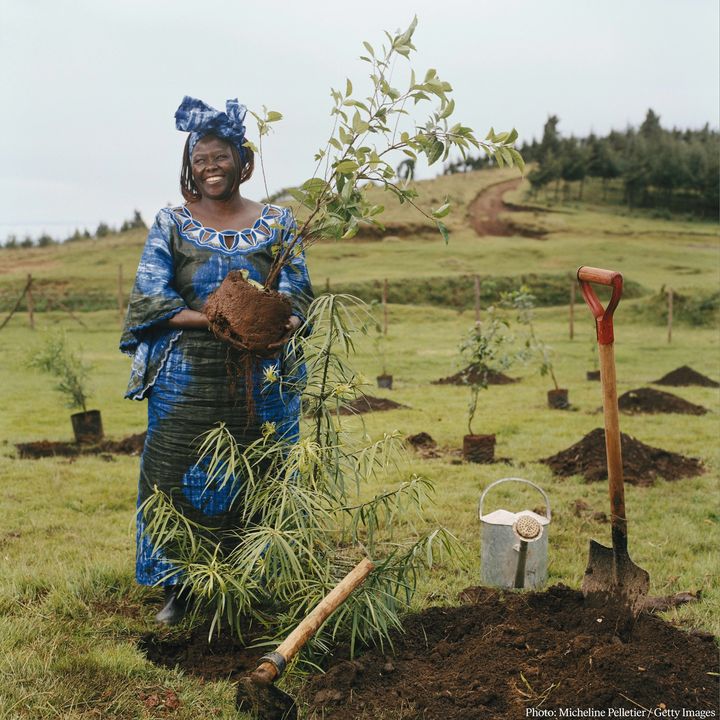
After becoming the first woman to earn a doctorate degree in East and Central Africa, Wangari Maathai started a movement that led to the planting of 50 million trees, a more democratic society and the Nobel Peace Prize.
In 1976, Wangari Maathai became involved with the National Council of Women in Kenya. She suggested that they should start community-based tree planting to combat deforestation and desertification. In 1977, she developed her idea into a grassroots movement organisation called the Green Belt Movement (GBM).
Maathai began the project by planting nine trees in her own yard – as it grew it became the largest tree planting project Africa had ever seen, encouraging women to plant trees in “green belts” around their towns and villages and to think ecologically. Her movement grew and spread to other African countries. With the GBM, Maathai hoped to promote sustainability as well as create jobs for women and empower them to gain economic and social power.
Besides giving jobs to women and planting more than 50 million trees, the movement also became a symbol for a democratic struggle and a token of peace. According to widespread African tradition, trees are used as white flags during disputes. In Wangari Maathai’s own words: “The tree also became a symbol for peace and conflict resolution, especially during ethnic conflicts in Kenya when the Green Belt Movement used peace trees to reconcile disputing communities.”
In 2004, Maathai was awarded the Nobel Peace Prize "her contribution to sustainable development, democracy and peace." She was the first African woman to receive the peace prize.
Photo by Micheline Pelletier / Getty Images
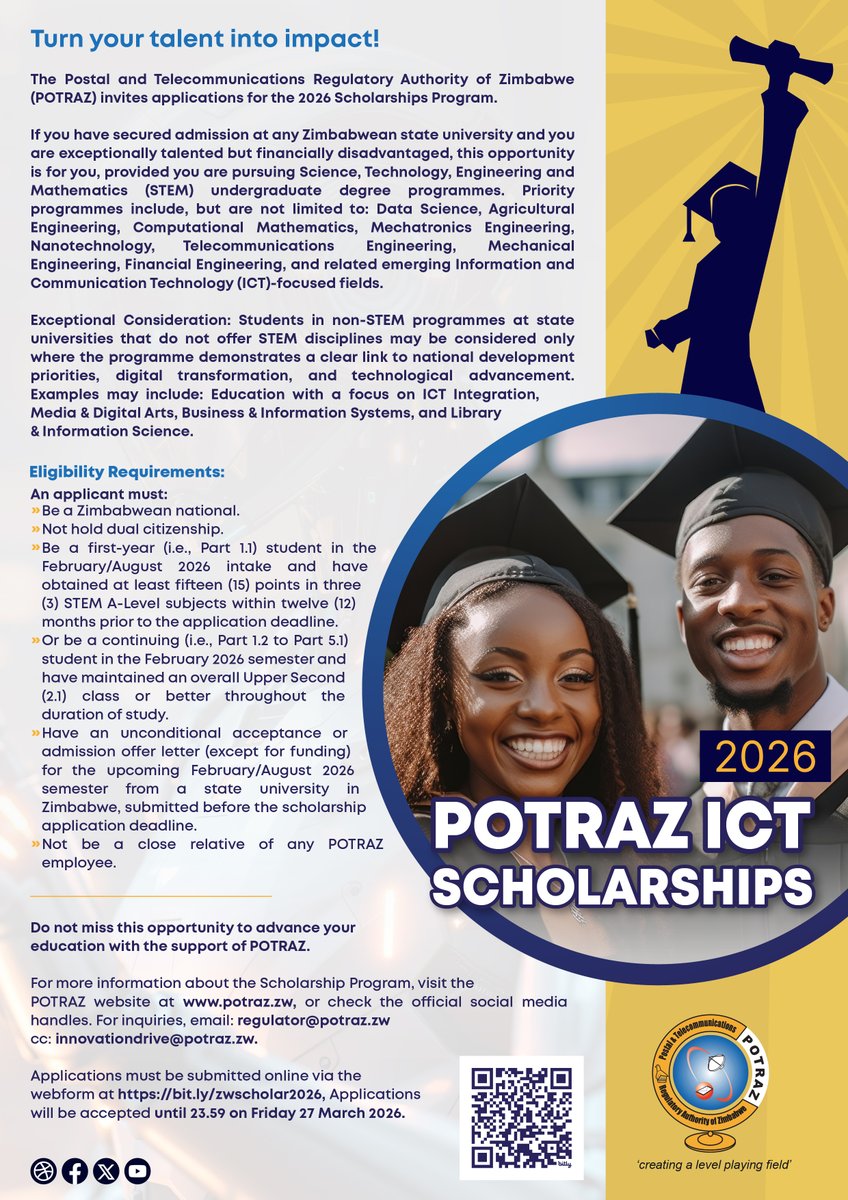
POTRAZ ICT Scholarships for 2026. Do not miss this opportunity to advance your education with the support of POTRAZ. Applications must be submitted online via the webform at https://t.co/XFD3oiCPJb, Applications will be accepted until 23.59 on Friday 27 March 2026.
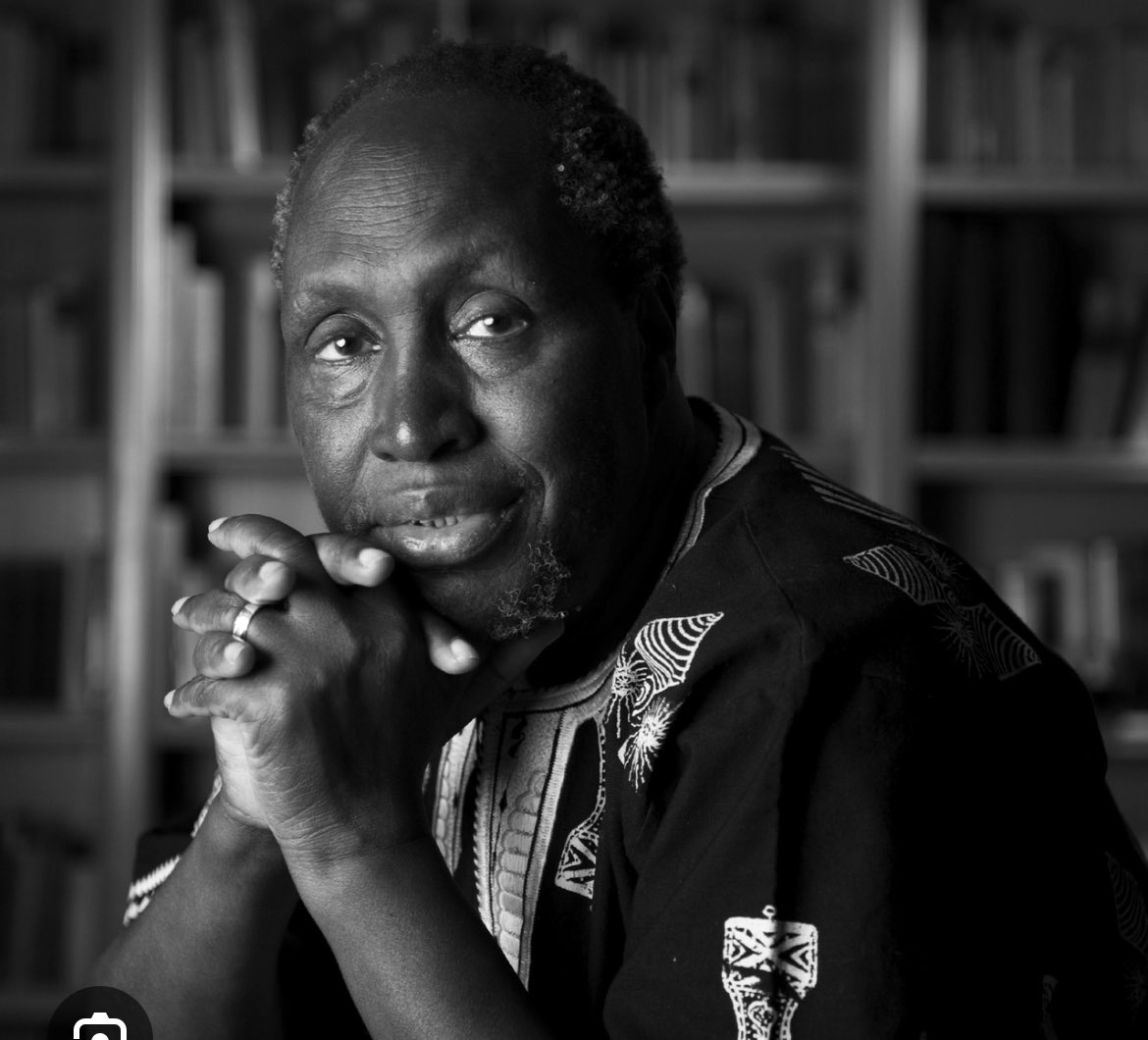
"The oppressor has always counted on the silence of the oppressed. But silence is not consent. It is the first step towards resistance."
-Ngũgĩ wa Thiong'o
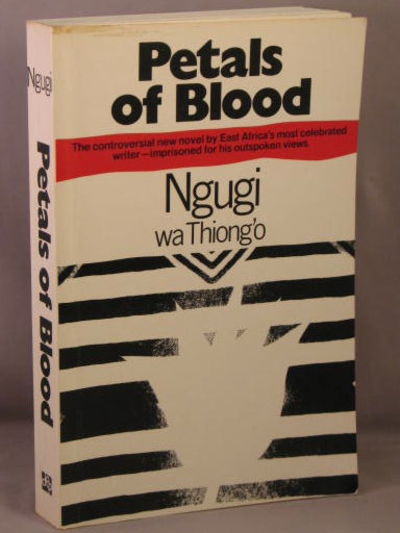
Petals Of Blood
Writers Never Die,
Their Works Mortality Defy,
Their ink never dries
Convictions are not lies
With Nature you've complied
Thus we say Goodbye 🫂
(Rest in His Bossom, Good Sir Ngungi wa Thiong'o)
"The two ridges lay side by side. One was Kameno, the other was Makuyu. Between them was a valley. It was called the valley of life."
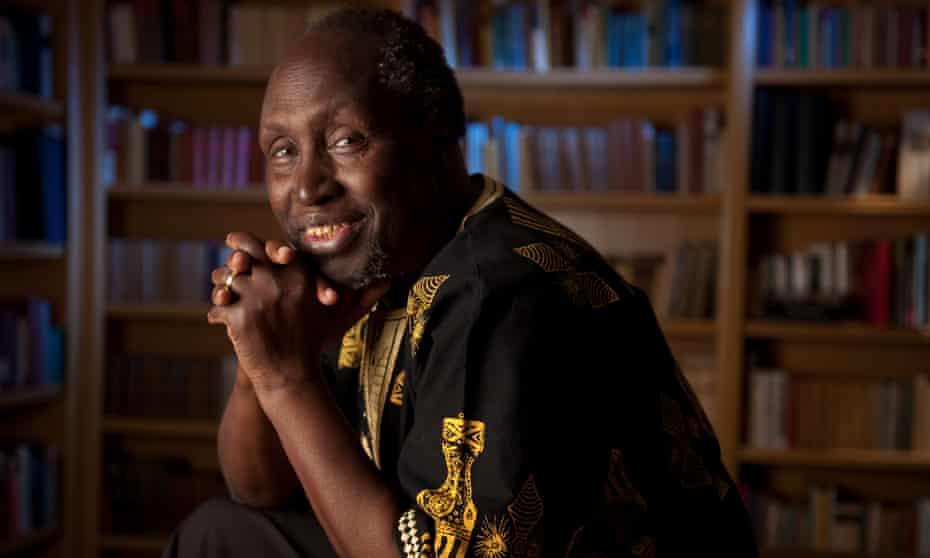
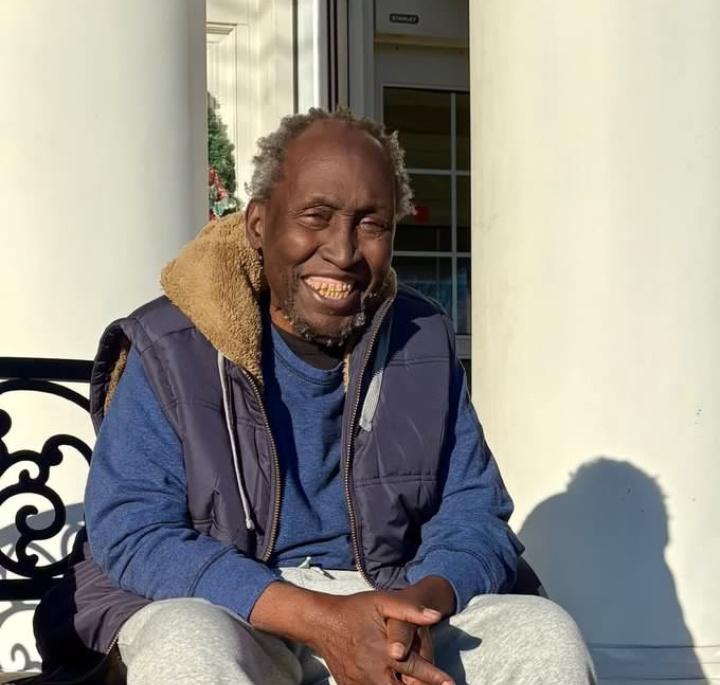
Rest in Peace Mwalimu Ngùgì wa Thiong'o.
"A savior had come. He had opened the eyes of the people. He had awakened the sleeping lions. They would now roar, roar to victory."
~ Ngugi Wa Thiong'o in The River Between.
Here are books written by Ngũgĩ wa Thiong'o :
1. Weep Not, Child
2. The River Between
3. A Grain of Wheat
4. Petals of Blood
5. Devil on the Cross
6. Wizard of the Crow
7. Dreams in a Time of War
8. In the House of the Interpreter
9. Rest in peace
Rest in power ..👇🧵
Every child deserves a life free from abuse! We denounce all forms of violence against children. Let’s promote positive discipline and ensure a safe, nurturing environment for all.
If you witness child abuse, REPORT IT! 📞 08080676
#EndChildAbuse#ProtectChildren#SafeZimbabwe