It looks like the 2020 north-central #VancouverIsland ETS has wrapped up… 965 tiny ETS tremors (not felt) between Jan. 23 and Feb. 9. A burst of ~200 tremors also occurred at the south end of the island.
What is ETS? https://t.co/M6SpDesBEo
PNSN monitor: https://t.co/GbXdBrcVEY
Mondays feel a bit less like Mondays when you are looking at earthquakes from the sky for work.
(Differential lidar for the 2010 El Mayor Cucapah earthquake, Mexico -- data available from @OpenTopography, originally published in Oskin et al., 2012 https://t.co/7iDMrXmSlc )
Aftershocks commonly bunch up near the ends of an initial earthquake rupture, in this case suggesting that yesterday's M7.7 broke about 200 km of the plate boundary. Statistically, if another significant quake occurs, it is most likely to be near the most active aftershock zone.
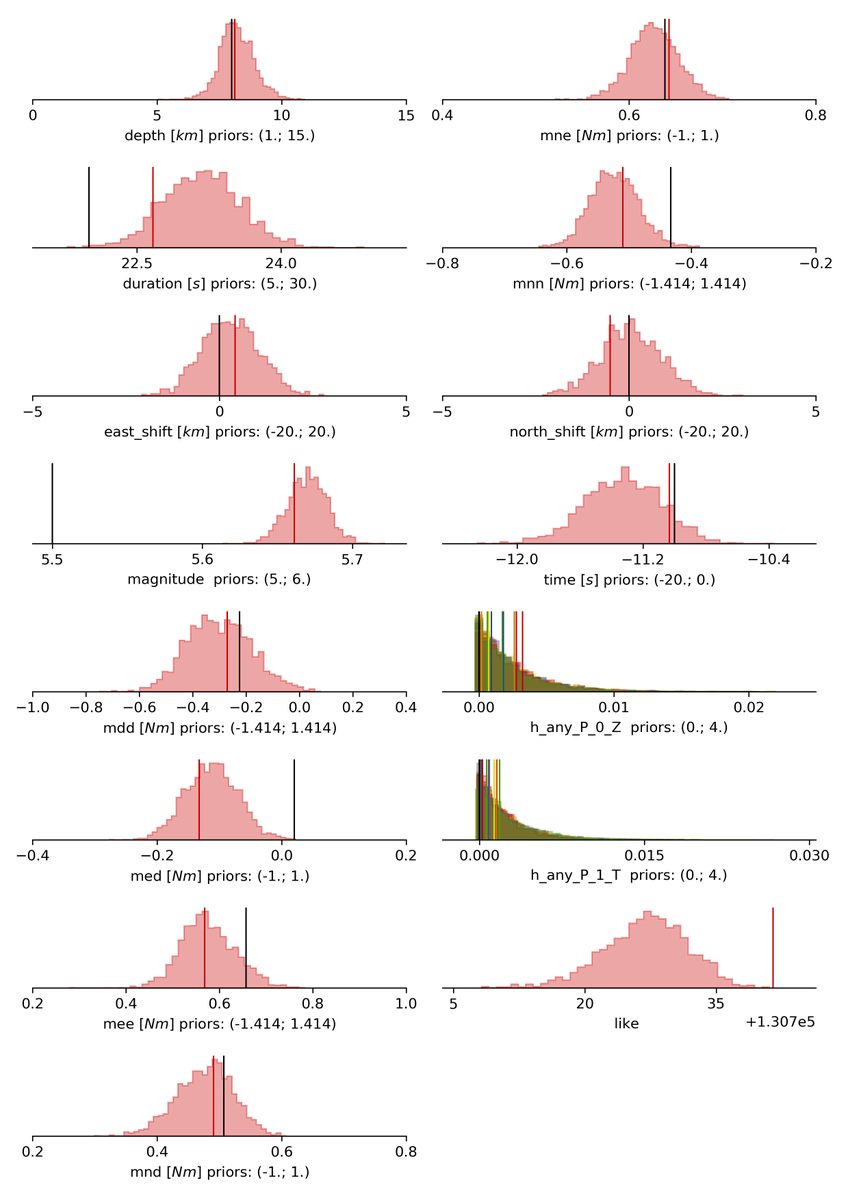
Want to sample earthquake moment tensors with Bayesian methods? Here is an example on how to do it using the python tool BEAT and real regional data from the 2009 L'Aquila earthquake:
https://t.co/32qP9MxEWz
Also the Beat paper: https://t.co/pG7ZotYQtr
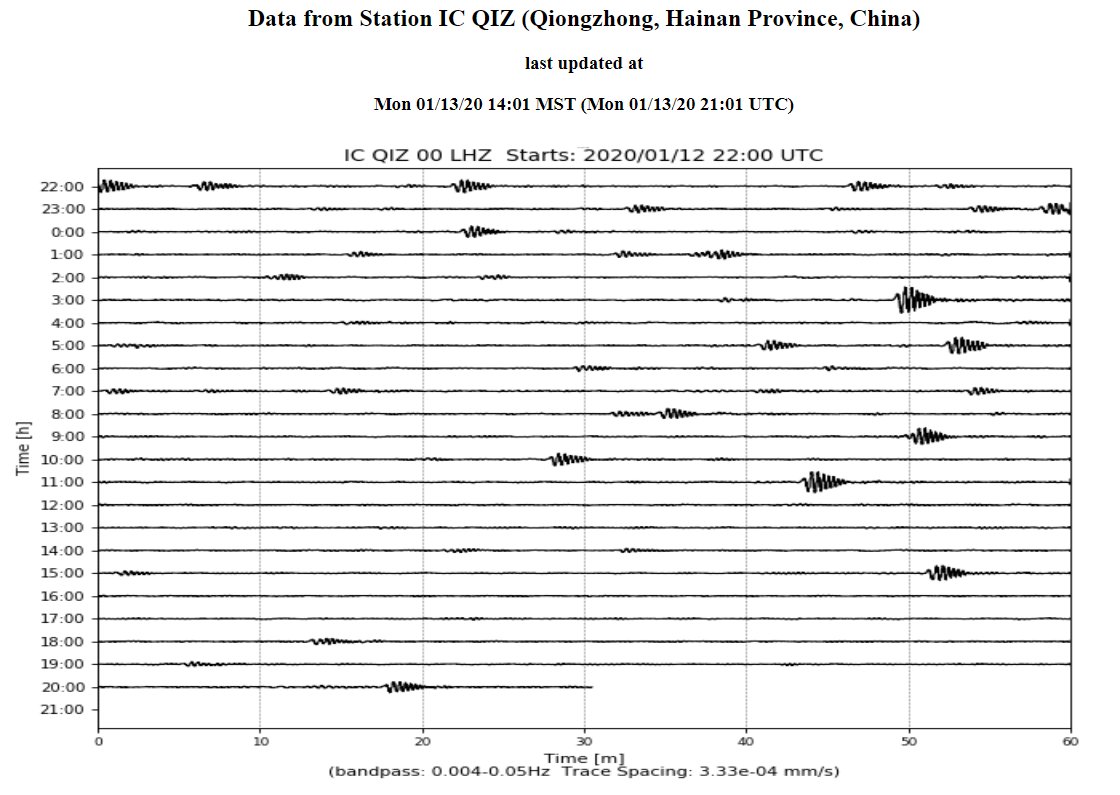
So I guess these tremors are from magma movement or dome expansion in the Philippines Volcano? https://t.co/nVifIqPipx #earthquakes#volcanoes#volcano#ngsschat
So I guess these tremors are from magma movement or dome expansion in the Philippines Volcano? https://t.co/nVifIqPipx #earthquakes#volcanoes#volcano#ngsschat