• Work with your care team or physical therapist on safe ways to move
• Use heat, cold, or rest when recommended to ease discomfort
• Pay attention to swelling, stiffness, or worsening pain and speak up early
Chronic joint pain can affect how you move, rest, and feel day to day, but small, consistent steps may help support joint health:
• Stay active with gentle, joint-friendly movement when possible
• Follow your treatment plan and take medications as prescribed
October 12–20 is Bone and Joint Health Action Week 🦴
For people living with chronic conditions like hemophilia, arthritis, or other musculoskeletal disorders, joint health is more than mobility, it’s a big part of comfort, independence, and daily quality of life.
Happy Columbus Day! 🇺🇸
Today, we recognize a significant chapter in American history and reflect on the voyages that connected continents and shaped the course of history.
Wishing everyone a safe and enjoyable holiday! #ColumbusDay
Anxiety, depression, frustration, and isolation may develop alongside the physical condition, even when someone appears to be managing well from the outside.
#WorldMentalHealthDay#MentalHealthAwareness
For people living with chronic illness, mental health is often part of the medical journey too. Ongoing symptoms, treatment schedules, uncertainty, pain, fatigue, and the need to constantly explain what you’re going through can take a real emotional toll.
On World Mental Health Day, it’s worth remembering that mental health conditions are not always obvious. Anxiety can look like irritability.Depression can look like exhaustion. Burnout can look like “just being busy.” And many people continue functioning while quietly struggling.
If you notice a new or unusual change, speak with your healthcare provider. Self-awareness does not replace recommended mammograms or medical screening.
#BreastCancerAwarenessMonth#BreastCancerAwareness
That’s why awareness still matters. Know what’s normal for your breasts and watch for:
• A new lump or thickening
• Changes in size or shape
• Dimpling or other skin changes
• Nipple changes or unusual discharge
• New redness or swelling
Today, treatment can include hormone therapy, targeted therapies and immunotherapy tailored to the specific type of cancer.
For breast cancer that is found while still localized to the breast, the 5-year relative survival rate is over 99%.
October is Breast Cancer Awareness Month.
Breast cancer accounts for about 1 in 3 new cancers diagnosed in women in the U.S.
The good news: decades of research have transformed how breast cancer is detected and treated.
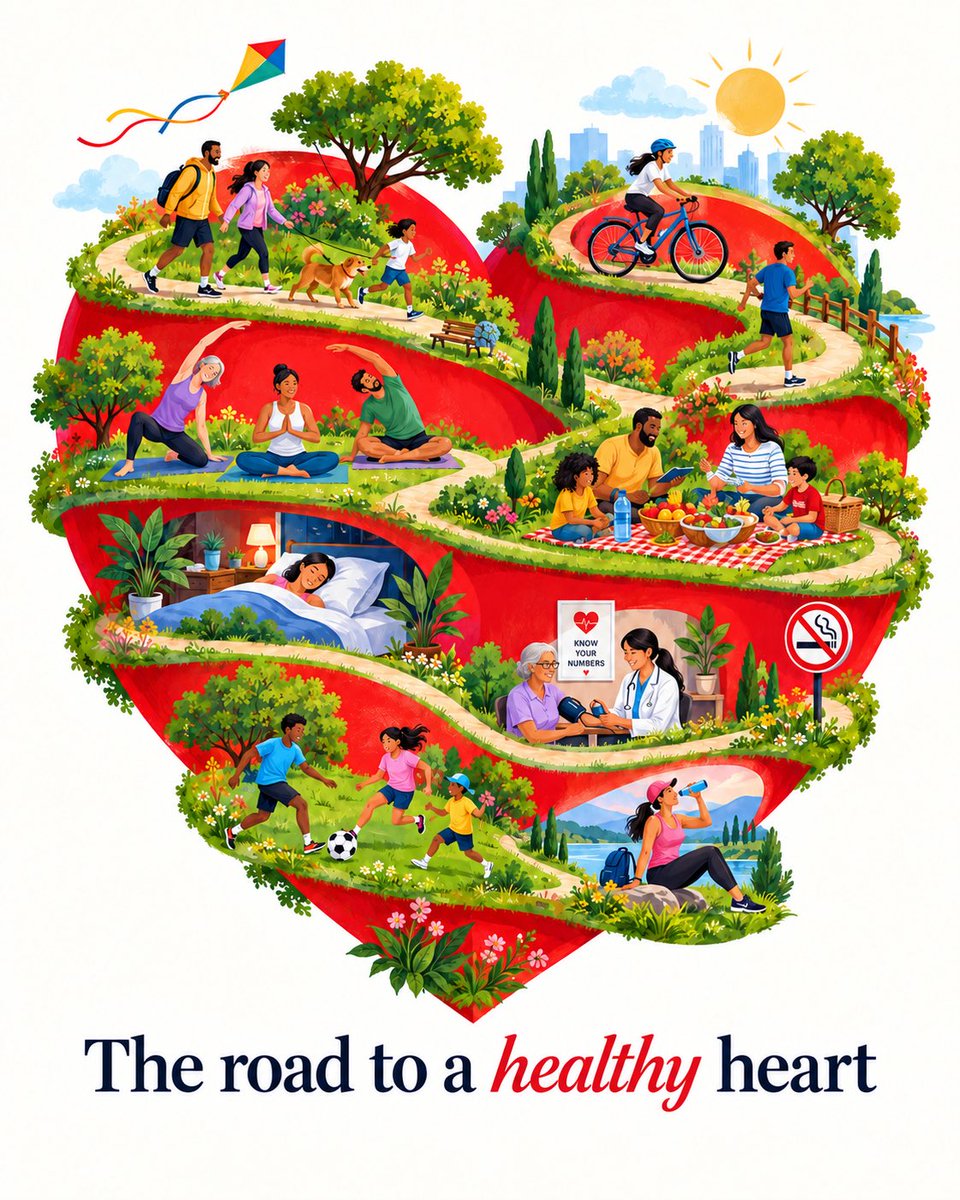
A healthier heart starts with everyday habits: staying active, eating well, knowing your blood pressure and cholesterol, avoiding smoking, getting enough sleep, and keeping up with regular checkups.
Small, consistent choices can have a meaningful impact over time.
#WorldHeartDay
World Heart Day | September 29 ❤️
Cardiovascular disease is still the leading cause of death worldwide, but many of its biggest risk factors can be prevented or managed.
They answer questions, help patients understand treatment, identify medication concerns, and work with providers to help keep care on track.
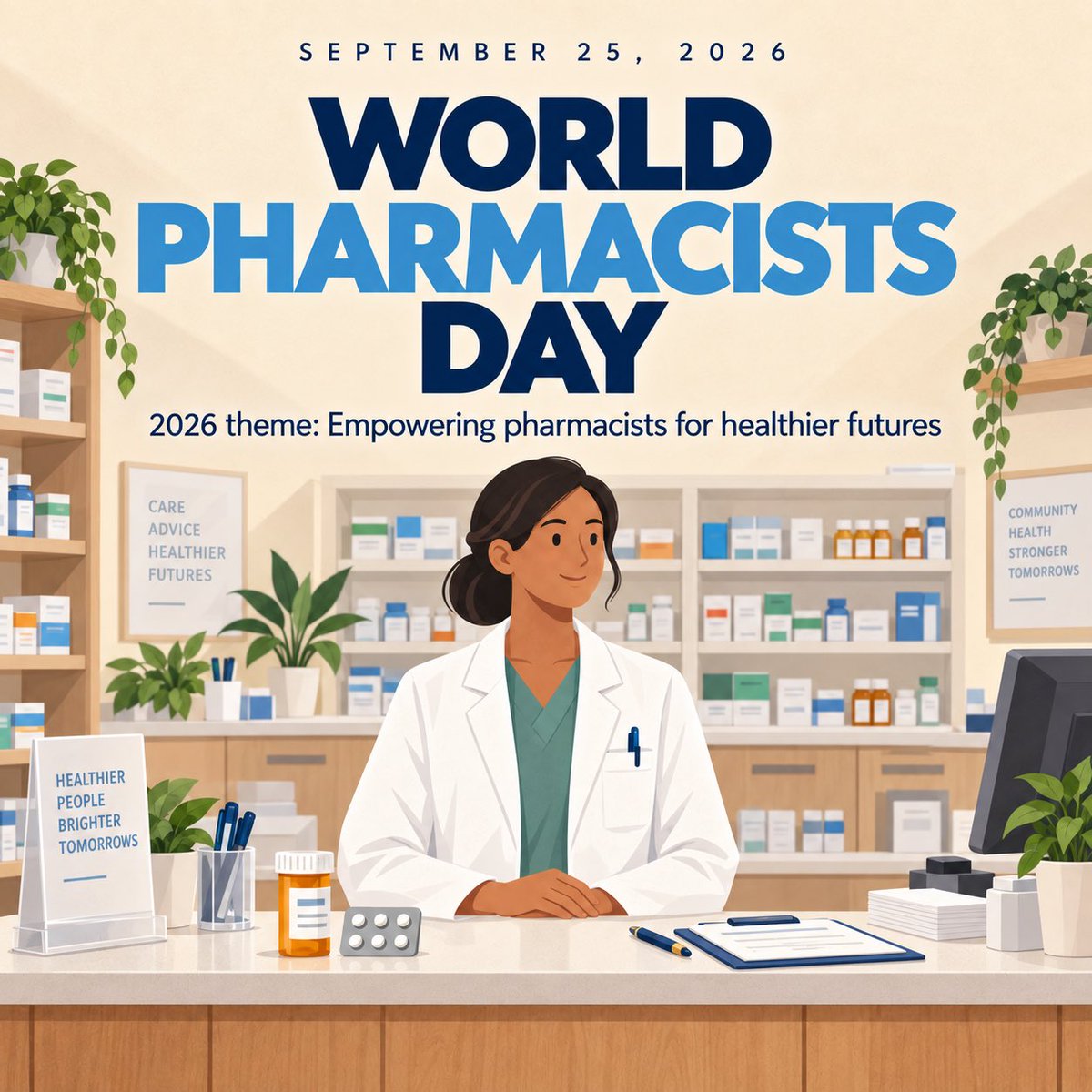
Today, we’re proud to celebrate pharmacists everywhere — and the difference they make every day.
#WorldPharmacistsDay#Pharmacists
“Empowering pharmacists for healthier futures.”
This year’s World Pharmacists Day theme is a simple one, but an important one.
Pharmacists are often one of the most accessible parts of the healthcare system.
This day is also a reminder that HIV prevention and testing matter at every age. Getting tested, staying in care, and taking treatment as prescribed can make a major difference in long-term health.
#HIVandAging#HIVAwareness#HIVTesting#HealthyAging#Healthcare
That progress is worth recognizing, but aging with HIV can also bring added challenges.Older adults may be managing HIV alongside heart disease, diabetes,medication interactions, or other age-related health concerns,making regular care and good communication especially important.
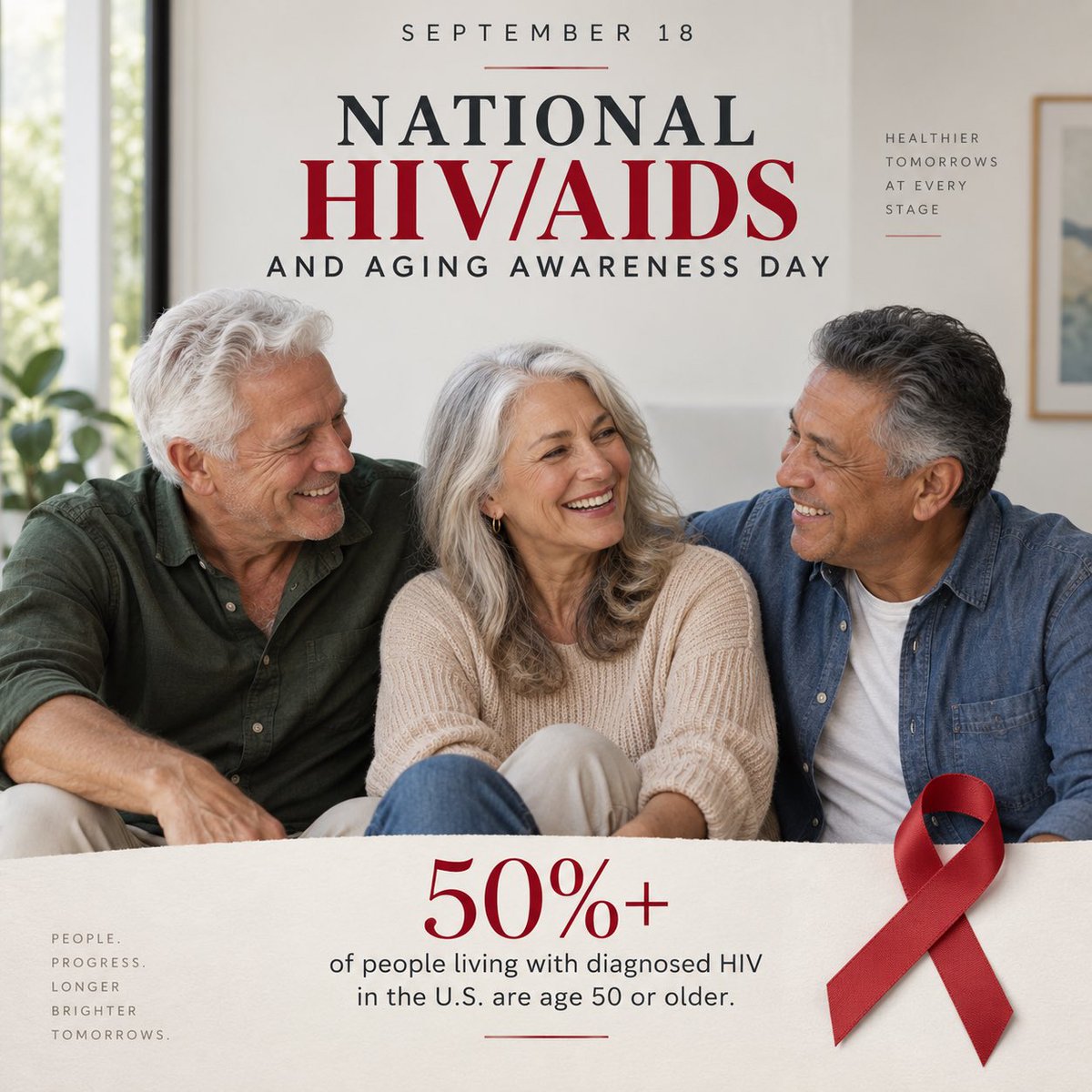
September 18 is National HIV/AIDS and Aging Awareness Day.
Thanks to major advances in treatment, people with HIV are living longer than ever before. In fact, more than half of people living with diagnosed HIV in the U.S. are now age 50 or older.