Our Danube Clouded Yellow research team spent some time in the field with Professor László Rákosy this summer - a wonderful man, whose Butterflies of Romania has been keenly anticipated, for good reason!
Re-introduced Large Blue seem to be proving positively adaptable in the UK. We can't assume this would be the case with all species, but it offers a glimmer of hope for Large Blue conservation measures, at least, elsewhere in Europe.
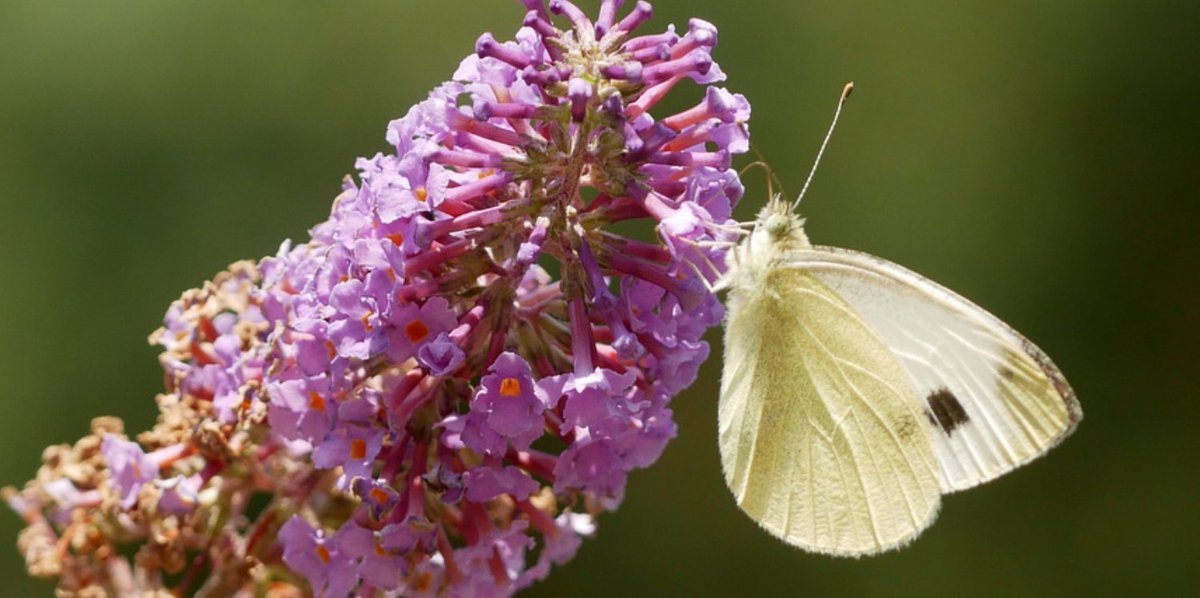
Surely only a matter of time now before one is confirmed somewhere in southern England. With a large arrival of migrant Pierids along the English south coast in the past week, it's worth giving every 'Small White' a second glance...
The Southern Small White (Pieris mannii, scheefbloemwitje) is the most abundant Pieris-white in my village at the moment, which is for the first time. The species apparently profited from the combination of a wet spring and a hot summer.
🚨New Insect migration paper🦋
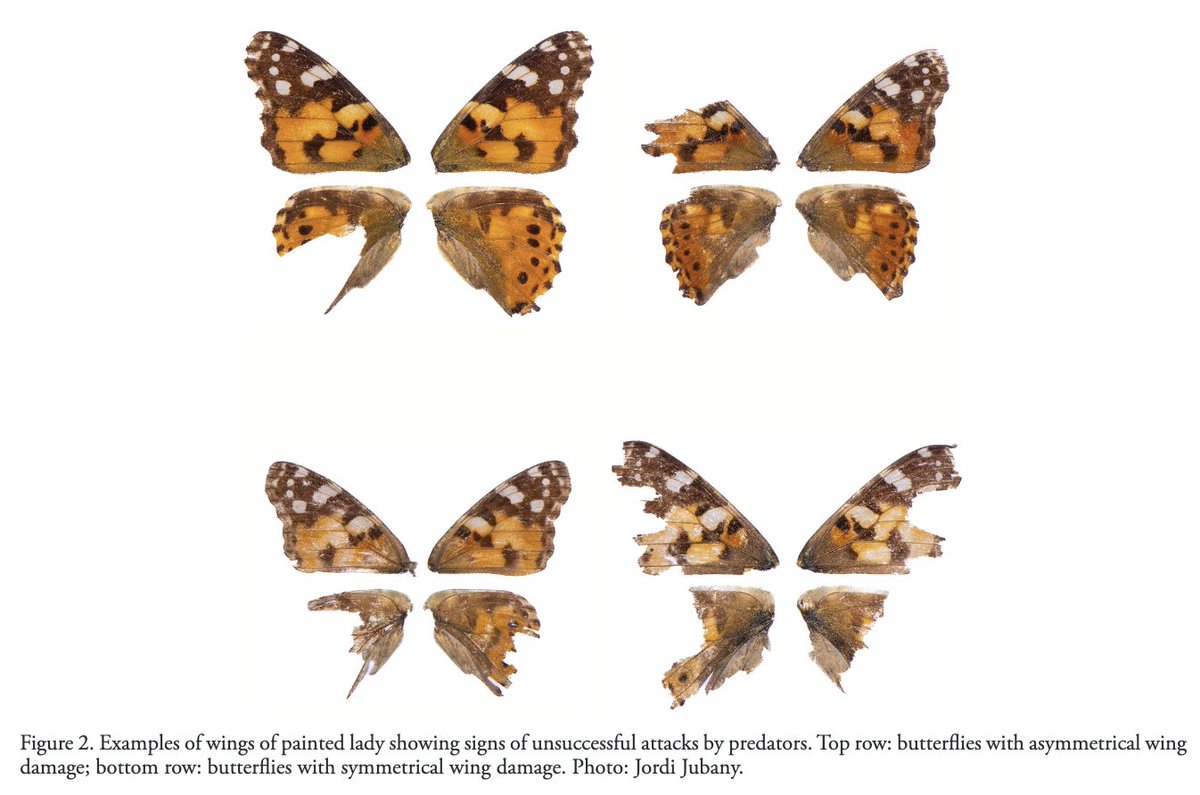
Stefanescu, @CrinanJarrett et al. found that migratory painted lady butterflies are more likely to be attacked by predators closer to the equator
A reason for their northward migration could be to escape being lunch!
Paper https://t.co/h06bxtT2X1
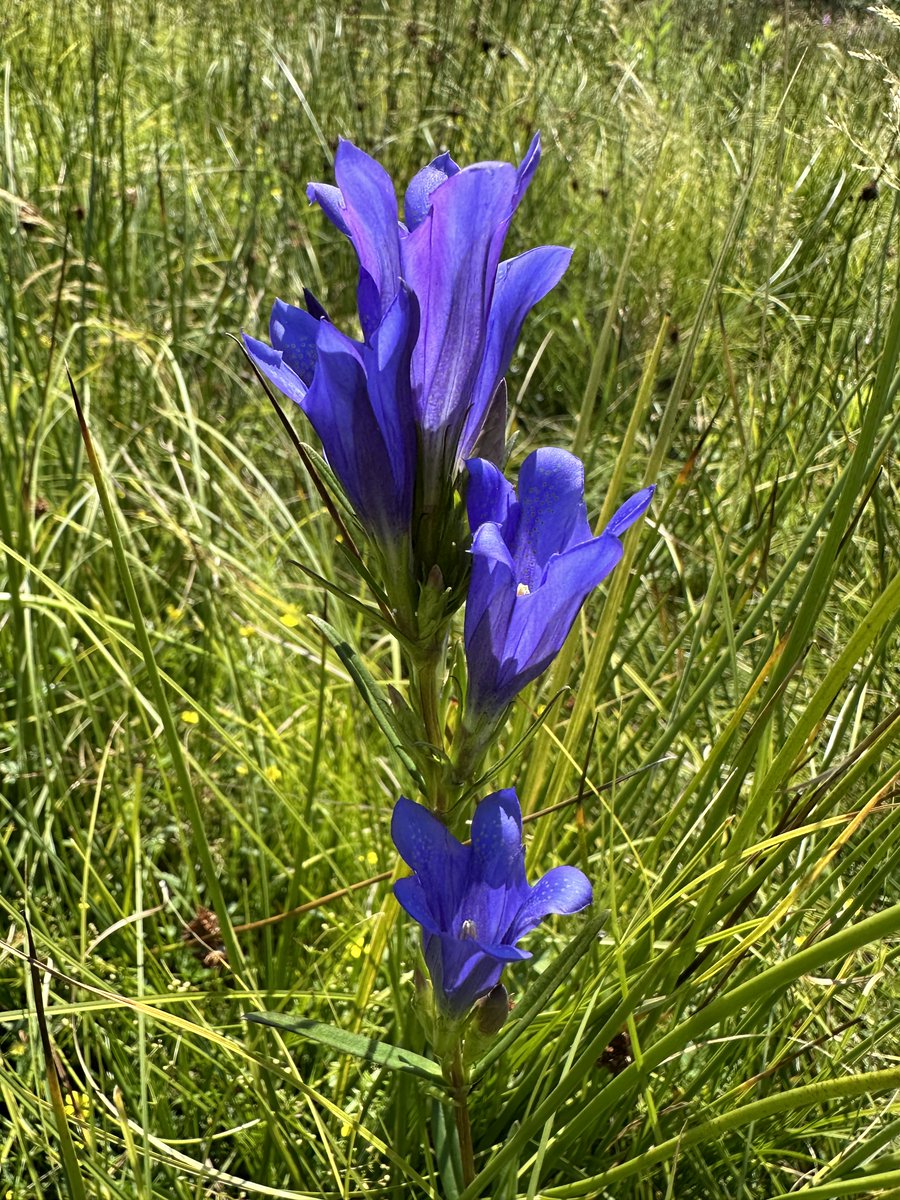
On these sites we also found Marsh Gentian and Great Burnet, and two Alcon Blue (Phengaris alcon) egg-laying, and one Scarce Large Blue (Phengaris telejus) also egg-laying. Neither of these species were previously known from these sites, underlining the value of surveys. (4/4)
For the second time this year, EBG members travelled to Romania recently to continue our survey work for the endangered Danube Clouded Yellow (Colias myrmidone).
The 2nd brood of DCY emerged very early this year - they were on the wing in July, so we only saw the tail-end...(1/#)
We were joined in the field on one of the days by Professor László Rákosy, the foremost expert on Romanian lepidoptera. We were able to take him to some sites that he had not previously visited where myrmidone were flying and there was abundant larval foodplant. (3/#)
So many of our rarer European species exist on the very periphery of viability now, their continued existence balanced on a knife edge.
Knowledge is power, of course - knowing what's where, and what it requires, is crucial. But vital too, sadly, is the hand of fate...
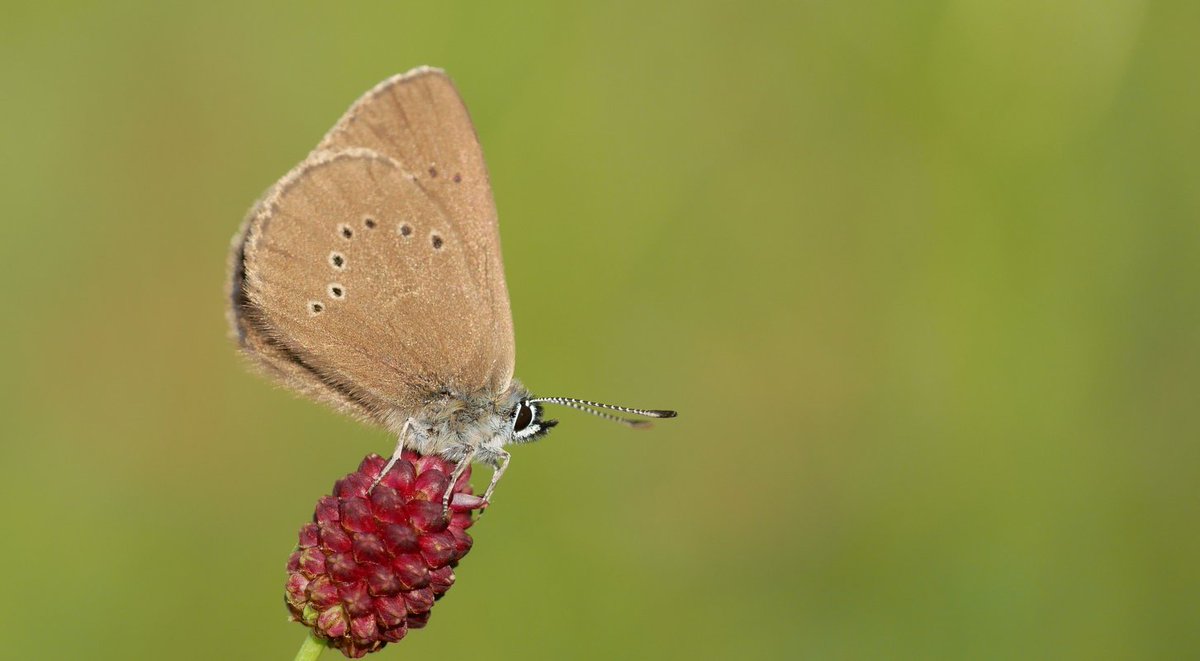
Dusky large blue (Phengaris nausithous) extinct (again) in NL. The species occurred only on one road verge, which was mown at the wrong moment a few years ago. New habitat was not ready soon enough to ensure survival.
https://t.co/jQWcIgogvO
It'll come as no consolation whatsoever to British butterfly-watchers, but the poor numbers of insects there aren't in isolation, as these observations from the Netherlands starkly illustrate.
Very poor year for the Grayling (Hipparchia semele, heivlinder) on Dutch Butterfly Monitoring transects. On sites where I saw them in hundreds in the 1990s, and in dozens in the 2010s, I now get stuck at 5 or so.
...who will survey 46 localities between Madrid & Zaragoza that have been identified by Enrique García-Barros, Spain’s leading satyrid expert. Each site will be visited twice to ensure, whether their flight period is early or late, there's a chance to find the butterfly. (2/2)
Concerns have been expressed over the current status of Southern Hermit which seems to have been in decline in recent years and will be classified as Endangered in the forthcoming Red List of European Butterflies.
We've secured the services of two Spanish MSc students... (1/2)
Durant gran part de l’any 2019, Europa es va omplir de milions de papallones Vanessa cardui (la migradora dels cards)! 🦋📈 Ara, la ciència ha aconseguit desxifrar l’origen d’aquesta explosió demogràfica. Vols saber-ne el motiu? 🧐 La notícia completa!👇
https://t.co/Ef42RS24sc
We will visit Romania again in August with seven volunteers to survey for the second brood of Danube Clouded Yellow. Watch this space for more news... (3/3)
(Images kindly supplied by EBG survey team members Mike Prentice & Andrew Lipczynski)
We've been working in Romania for over a decade surveying sites for Danube Clouded Yellow, a butterfly which has been declining in Europe. As a result of our work the Romanian government scheduled some of the sites to give them and the butterfly protection. (1/#)
Recently 4 of our members set off for Cluj-Napoca to search for DCY. Our task was to survey several sites, some of which were known sites, but other of which were predicted by a model produced by our German colleagues. We found 88 adult DCY, and saw a female egg-laying. (2/#)
1/3 Desde la Asociacion ZERYNTHIA hemos promovido que el Ayuntamiento de #Baza perciba la necesidad de proteger la mariposa "Euchloe bazae" y su hábitat como elementos sido nuestro patrimonio natural que debemos valorar y conservar.
Not universally supported, fiercely resisted by agricultural lobbyists, but desperately needed and potentially a lifeline for some habitats and the species within them - a landmark decision in the EU today.
https://t.co/0jq0x5ttj4
Locals don't want these quarries. The Macedonian Grayling certainly don't benefit from them. We're begging the government of Macedonia to intervene to stop this needless commercial activity before it's too late, and one of Europe's rarest butterflies is lost forever. (4/4)
You're looking at one of Europe's rarest butterflies, and one that's threatened with the most imminent risk of extinction.
This is the Macedonian Grayling, a species with an incredibly restricted range near the Pletvar Pass in central Macedonia. And it's in trouble. (1/#)
The local community is now severely affected by noise, air and water pollution and has been vocal in expressing its concerns against this continuous environmental degradation. We hear that residents are actively trying to stop machinery from arriving and working on site. (3/#)