@EricTopol In that infographic, it looks like the vaccinated population has a ~4% infection rate and then the unvaccinated population is ~6.5% (correct me if I added that up wrong). Is the difference (1.5%) likely actually bigger because the unvaccinated sample size isn’t as big?
Union members went on strike this morning at four different UC campuses, including UCLA. Protesters are demanding better pay and job security. https://t.co/V4J7GdKUtw
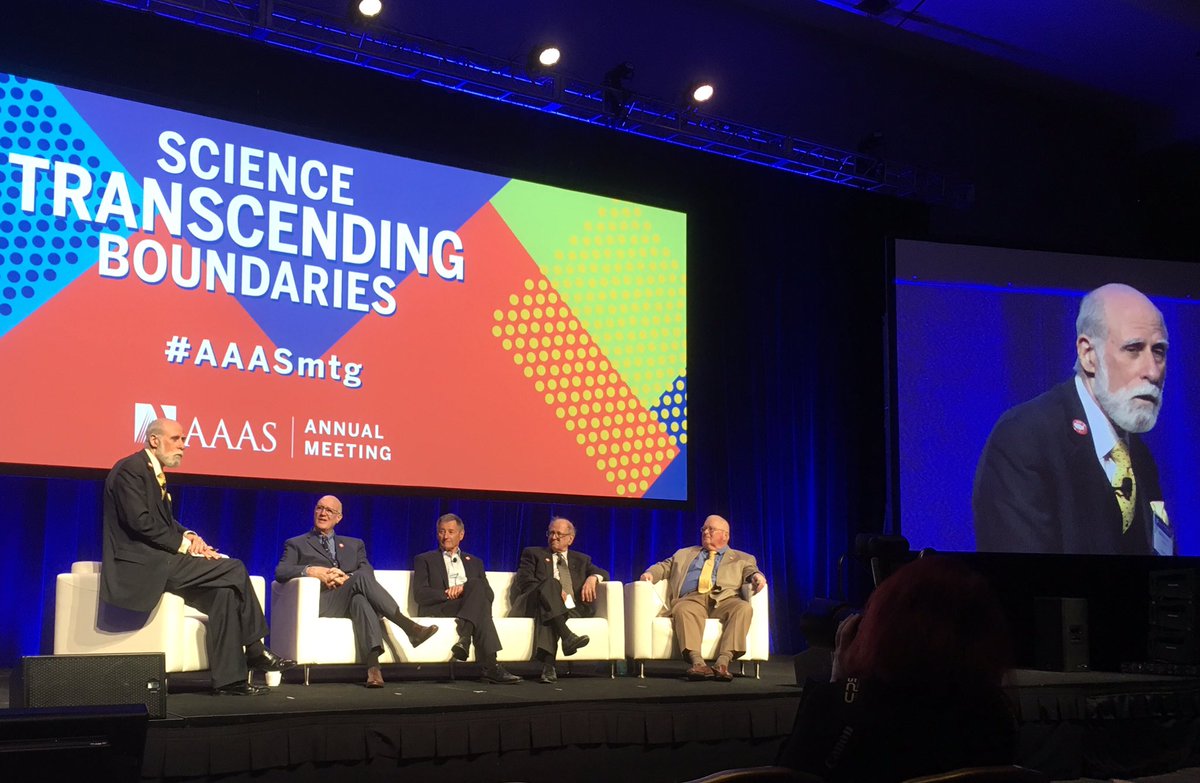
Crocker - Getting agencies like DARPA to fund a project like computer resource sharing would be much harder today. Even back then, it was a bit of a conundrum that they were willing to fund it.
Robert Goldstone: Learning a fact that is stand-alone isn’t optimal. What’s best is to learn that fact when it is linked to other facts or real-world insights. #typesoflearning#AAAS
@Sarah_Mojarad 1. Preparation - stick to a consistent slide format with simple information and plenty of visuals; make the slides relate to what you're talking about
2. Open body language
3. Refrain from carrying your notes
4. Bounce eye contact from student to student
#ENGR410Qs
@Sarah_Mojarad 1. He didn't properly engage the audience.
2. He wasn't well prepared (clearly didn't rehearse).
3. His relied to heavily on his slides, which not only followed an inconsistent format but also had content he wasn't ready to cover.
#ENGR410Qs
@Sarah_Mojarad According to Burroughs Welcome Fund, a speaker will tend to lose their audience 5-10 minutes into their talk/lecture. In professor Lewin's lecture, because he exhibits vocal confidence, uses gestures/movement, and has practiced heavily, his audience stays engaged.
#ENGR410Qs
@Sarah_Mojarad Yes because he finds a hands-on, practical way to display something counter-intuitive. He is also engaged, passionate, and excited about what he is talking about. He also immediately connects how the physical display connects to the class equations on the board. #ENGR410Qs