What make places 'tick'? The Everyday Economy focuses on the less-known dimensions of economic activity and the lived realities of everyday economic issues.
Brand new social infrastructure-related resource available on the UCL Everyday Economy website!📰📄Read about what's new at the Sacriston Youth and Community Project @sacristonyp in their Spring 2022 Newsletter: https://t.co/7N421MfzLn
A new report covering Food Security and Civil Society from @LucyNatarajan and UCL colleagues has been added to our publication list!📑A fascinating read filled with insights drawn from research with local stakeholders from the London Borough of Barnet. https://t.co/KMKa8XhWby
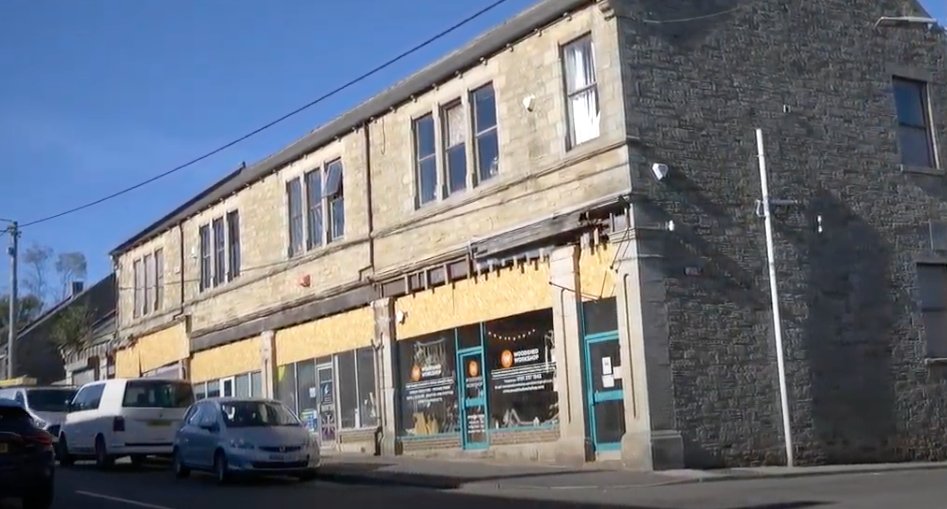
The story of the Sacriston Youth Hub @sacristonyp is now live as a resource on the Everyday Economy webpage https://t.co/6FrsPTsV62! A phenomenal example of the importance of social infrastructure for local communities. https://t.co/ygnJHSTz51 @john_tomaney
The Story of Sacriston Youth Hub https://t.co/rAs5Ghhs87 via @YouTube
A new space making a real difference to people's lives...also the AMAZING people in it!
@UCL_BSP@EverydayEconomy@GlassHouseCLD
New 'Resource' available! "The Oil is Dying Long Live its Heritage. The Refining of Legal Systems and Port-Cities' Planning" is Stephan Hauser's fascinating doctoral thesis investigating the influence of oil companies on regulations. A must read! https://t.co/NQUjWfm4fF
Also, for a detailed account of the proceedings, do not miss Judith Ryser's very comprehensive report of both our #EverydayEconomy events. Available as part of a growing list of resources on our website: https://t.co/6FrsPTsV62
In July 2021 we held our second #EverydayEconomy event and today we are delighted to share the presentation recordings on our website https://t.co/PpYaRomCOW and YouTube channel https://t.co/2X08pIlvBT. Join us again in our journey exploring place-based economic experiences.
Research on Dunkirk: The Oil is Dying? Long Live its 'Heritage'!
Stephan Hauser explaining the importance of lessons from the history of industry and local choices around critical economic directions in Dunkirk.
@EverydayEconomy
A fascinating new paper has been added to our 'Publications' list on the #EverydayEconomy website: (2021) Reframing urban and regional ‘development’ for ‘left behind’ places. Cambridge Journal of Regions, Economy and Society. Find it here: https://t.co/79pSIXGBkj
We regularly update our "Resources" library with publications, reports, podcasts and much more. This week, among others, read about the value of social infrastructure, regulating short term rentals, and 20-minute neighbourhoods.
https://t.co/6FrsPTsV62
There's still time to register to our second Everyday Economy event this evening if you haven't done so already. More information and registration link on our brand new Everyday Economy website: https://t.co/PpYaRomCOW @UCL_BSP
We are ready for our second Everyday Economy event! Join us on July 8 to discuss current participatory action and ‘useful evidence’, as well as insights from place-based work.
Full schedule, info, and registration link on our website: https://t.co/PpYaRomCOW
Our first event was a great success. A big thank you to all our speakers and to all who attended for a fascinating discussion / Q&A.
If you missed it, stay tuned for the release of the presentation recordings and keep an eye out for the next one planned for early July 2021.
What makes places ‘tick’? And is there a way to measure it? Join a panel of speakers who will share their research in everyday economy and investigating life in ordinary places - 1 June
https://t.co/STEZyA28L1
@LucyNatarajan@dimitris_pan
🎙️New BSP Podcast ep🎙️Left behind places, cultural heritage and deep place research methodologies - @john_tomaney and Ross Forbes from @DurhamMiners discuss researching cultural heritage and place in #Durham
https://t.co/W6kRNDZ9Nu