How did @ILO advance the #SSE in 2024–25?
Dive into the newly released strategic results overview, highlighting how the ILO supports cooperatives and the broader SSE across the policy cycle. 👉https://t.co/NULlFhBcgJ
Cultural heritage is often preserved not only in archives or institutions, but in the physical sites. If you are aware of a site that meaningfully preserves cultural heritage within a cooperative context, it may be eligible for nomination and recognition. https://t.co/Zuh5xrBMJc
decisions and direction.
This balance is what allows co-ops to grow without losing their identity. Growth is not at odds with independence; it depends on it.
Learn more about principle 4 here: https://t.co/vKTt7Q9LCN
Your co-op doesn’t answer to distant shareholders. It answers to its members.
That is the essence of the Co-op Principle 4: Autonomy & Independence.
Even when co-ops engage external partners or access funding, the structure remains clear: members retain democratic control over
🔗 Read the full FAO feature on how women are bringing their traditional knowledge into global academic and policy spaces at: https://t.co/lqMdfhJRn1
#IYWF2026#YearOfTheWomanFarmer#GoCoop
In many agricultural communities, women are the traditional seed keepers. They are the ones who select, save, and manage the indigenous, drought-resistant crops that protect global biodiversity.
A 2025 FAO feature spotlights an essential truth: these women aren't just farmers
they are researchers and experts in their own right. The goal is ensuring they have a direct seat at the decision-making tables something that cooperatives through its values and principles make possible.
According to a national survey by NCBA CLUSA and Big Village, more than 8 in 10 Americans (81%) recognize that #cooperatives provide true, distinct value to consumers.
🔗 Read the full survey data: https://t.co/DFGdnlKtmb
#GoCoop
A co-op is a business owned and run by the very people who use it; it could be a grocery store, a credit union, or a local utility like rural electric co-ops. Instead of chasing profits, co-ops prioritize people over profits by focusing entirely on meeting community needs.
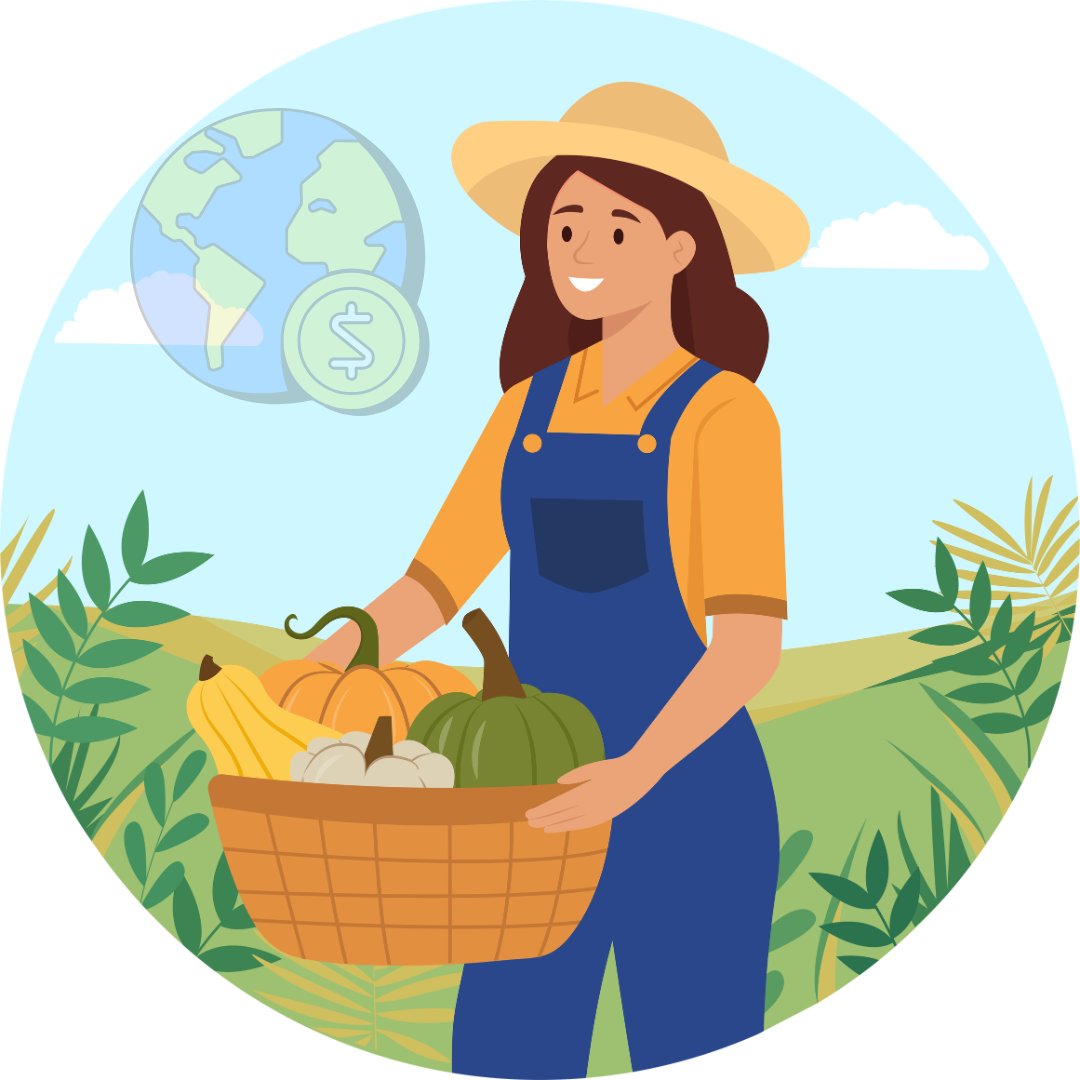
Economic growth isn't just about numbers. It’s about dignity & purpose. But how do we turn economic potential into reality? We build co-op infrastructure. This #IYWF2026 we aren't just celebrating women’s labor, we are championing the cooperative model that honors their dignity.
Have you had a chance of ordering from Dirtbaby Farm? This week, as part of our observance of the International Year of the Woman Farmer 2026, Vernon and our guests Evelyn Langley & Amalia Colón-Nava will explore the origin and evolution of Dirtbaby Farm https://t.co/TaqlbChpBW
This #SmallBusinessMonth, celebrate businesses built on shared success, community impact, and collective ownership.
Looking for a co-op to support? Our curated list is a great place to start. https://t.co/TC0JTMl9Zv
#GoCoop
Behind many strong local economies is a simple idea, people working together.
From food co-ops to worker-owned businesses, #cooperatives prove that small businesses can thrive while creating opportunity for many.
Sometimes, the most meaningful growth happens when people feel heard, included, trusted, and empowered to contribute their ideas.
What’s the most valuable thing you’ve learned from a coworker or mentor?
#LearningAtWork#Coops
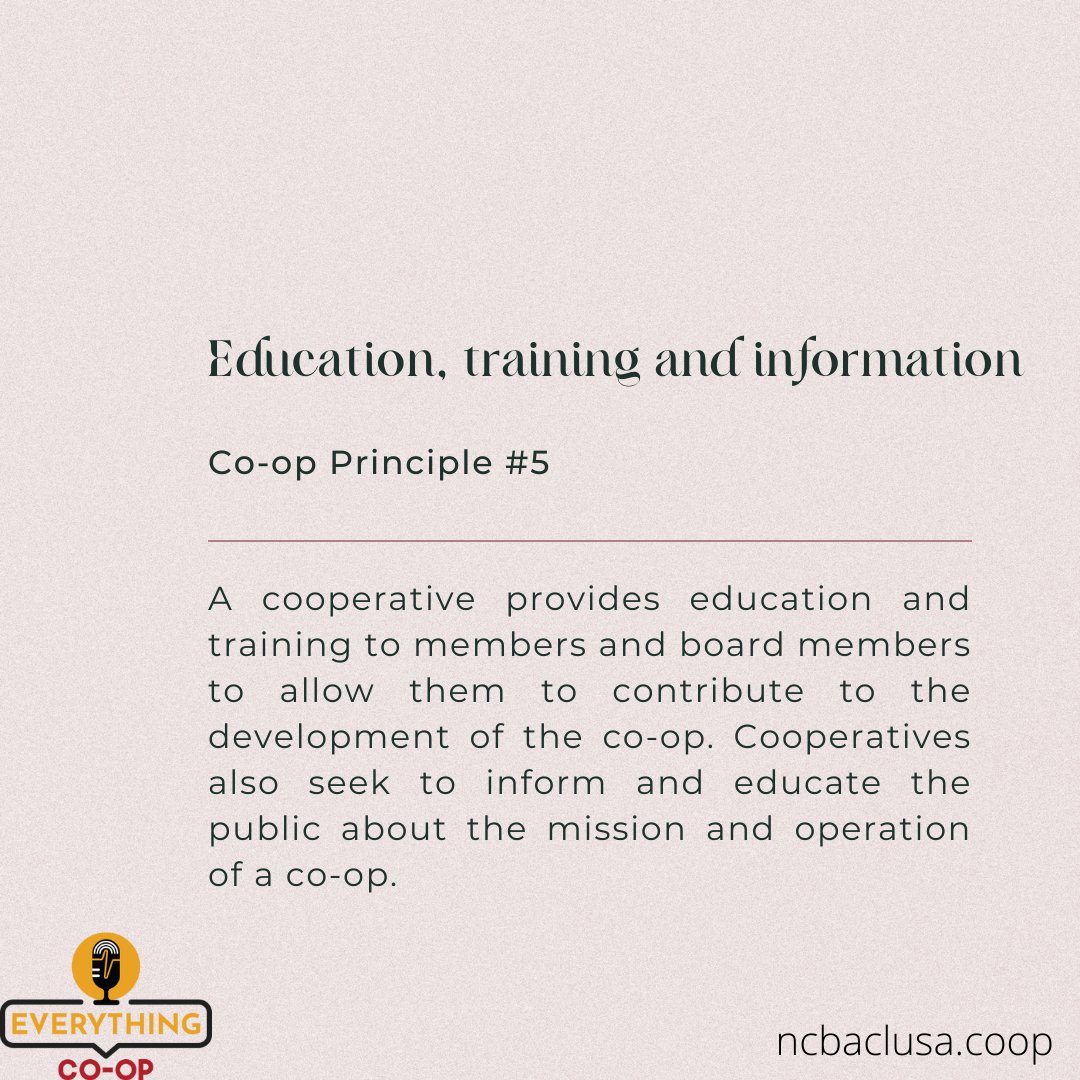
One of the strengths of the cooperative model is its 5th Principle: Education, Training, and Information. But learning in co-ops goes beyond formal training sessions.
By organizing into #cooperatives, women gain a formal legal identity and collective bargaining power. Co-ops often act as the bridge to financial services and land-use rights that individual women are frequently denied.
#YearOfTheWomanFarmer#IYWF22026#WomenFarmers#GoCoop
Globally, women own less than 15% of agricultural land. When you don't own the soil, it’s hard to secure a loan or provide food security and nutrition. Co-ops provide a strength in numbers solution.