The Model for Great Teaching offers a curriculum for teachers’ professional learning.
It provides a common professional language and a shared structure for enabling Great Teaching.
"Having words for important concepts enables community members to talk about them, think together and agree on their meaning, interrogate them for deeper understanding and gain collective clarity around related action and impact."
Language for learning leadership
Stoll (2020)
Which Element will you focus on first?
Let us know in the comments below! 👇
How do you ensure learners engage with feedback?
"Ensuring students engage with feedback is vital. A lack of feedback engagement can prevent learners from making progress and can potentially lead to repeated mistakes.
If students don’t act on the feedback they receive, the time teachers spend reviewing work and providing thoughtful, relevant comments is wasted."
Blog by @KateJones_teach
Read more here: https://t.co/7eIGq6YL9P
The Independent Inquiry into White Working Class Educational Outcomes has published its final report.
White British pupils on free school meals are half as likely to pass English and Maths GCSE as their peers. The report finds this gap can't be closed by schools alone, but names high-quality teaching as the biggest lever they can pull.
Our Director of R&D, Prof. Rob Coe, served on the Panel.
https://t.co/17Rv99EEzT
Teachers want feedback that supports growth, not just ticks boxes, the kind that fuels confidence and steady progress.
When feedback is specific, balanced and actionable, it becomes a powerful guide that strengthens both expertise and motivation.
That’s exactly what the 360° tools were designed for: supportive insight that helps teachers feel seen, understood and equipped to take their next step.
See how the feedback tools can turn insight into action https://t.co/xSnh9OmTzR
"Peer assessment involves students giving feedback to one another.
This may be verbal, written as comments or codes, or by checking and scoring. Feedback can be shared individually, in pairs or in groups.
While peer assessment can be valuable, it is not without challenges. Teachers need to be mindful of the variables that influence its effectiveness.
Since students are novices at giving feedback, they will need explicit modelling and ongoing guidance."
Blog by @KateJones_teach
https://t.co/MTDNOdQ4Q2
Did you know that the Great Teaching Toolkit now features video examples of teaching practice?
The video examples will highlight a specific component of an element from the Model for Great Teaching, and how a teacher has embodied a particular classroom practice, strategy or technique.
Teachers will be able to access these videos, alongside:
over 600 resources, including teaching techniques
12 online courses
insights from student surveys
video feedback
personal development cycles
See an example of the videos here https://t.co/ugJc3Drd8W
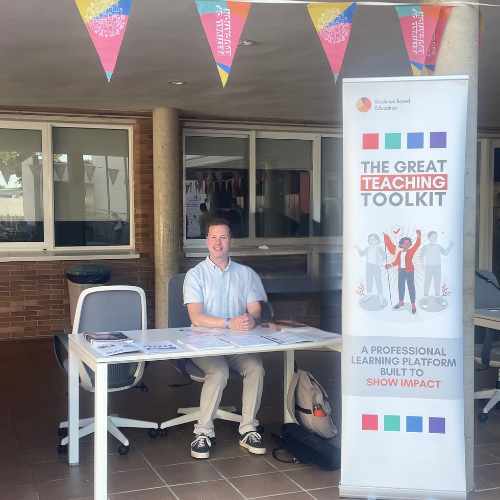
Last week we attended the very first @EducationFest in Spain.
We are pleased we contributed to a fantastic programme of professional learning and thought-provoking discussion around teaching and learning.
Faye Morris delivered a session on 'Rethinking Motivation' exploring motivation as a central part of self-regulated learning.
CJ Rauch delivered a workshop on 'Making Learning "Stick": Embedding Knowledge for Our Students and Ourselves' exploring strategies teachers can employ to embed knowledge.
A huge thank you to the organisers and everyone who joined the sessions. It was lovely to connect with so many educators committed to improving student outcomes through evidence-informed practice.
Today marks the 6-year anniversary of the publication of the Great Teaching Toolkit: Evidence Review 🎊
6 years ago, we set out to answer one key question:
👉 Where should teachers invest their limited time and energy to make the biggest impact on student learning?
The answers we found gave us the Model for Great Teaching: a clear, evidence-based curriculum for professional learning and expertise.
And from that Model, the Great Teaching Toolkit platform was born, using the science of learning to deliver accessible tools that help teachers reflect, grow, and see their impact.
Since 2020, the Evidence Review has reached educators in schools, groups and systems around the world and it's been translated into 6 languages.
In just 6 years, it has helped thousands of educators around the world know that:
✔️ Every teacher, no matter their experience, can keep getting better.
✔️ Great teaching is complex, but it's clear what matters most.
✔️ Teacher expertise matters, and it's a gift that keeps on giving.
By marking 6 years of the Evidence Review, we celebrate every single educator who has read it, shared it, used it and been inspired by it.
Thank you for coming on the journey with us!
Last year we celebrated by inviting educators to share how the Evidence Review shaped their practice. You can watch all videos here https://t.co/MnLM7abwqm
Leave a comment below to let us know how the Evidence Review has influence you!
https://t.co/35QSiSbo7e
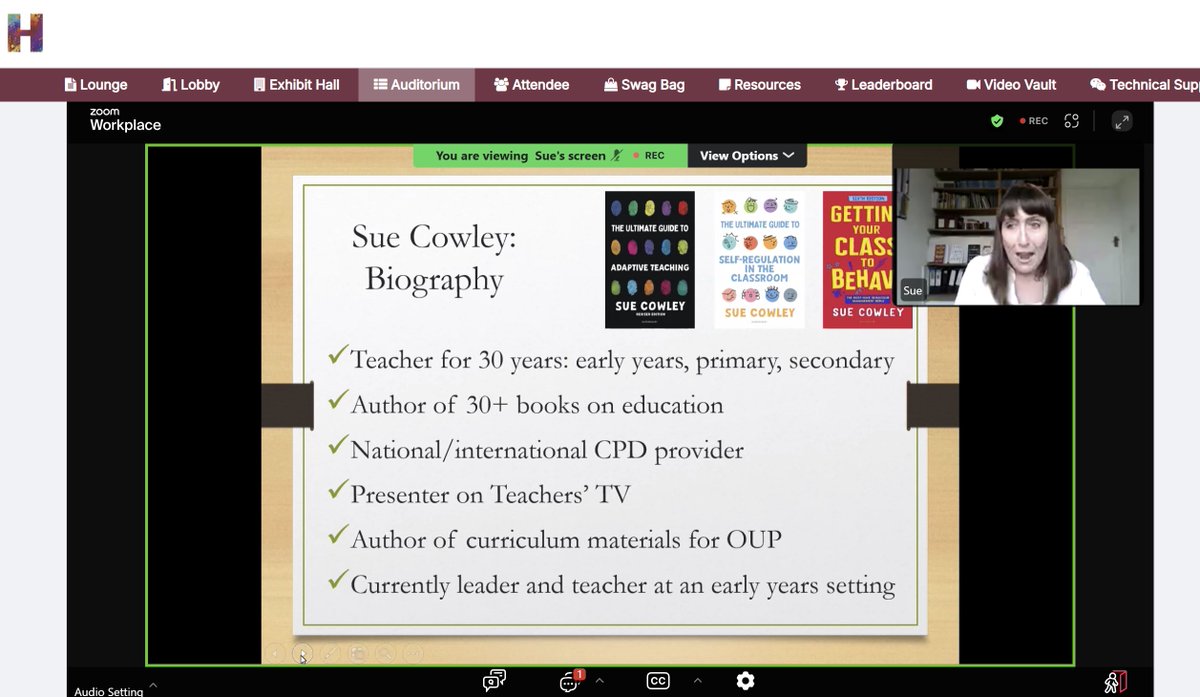
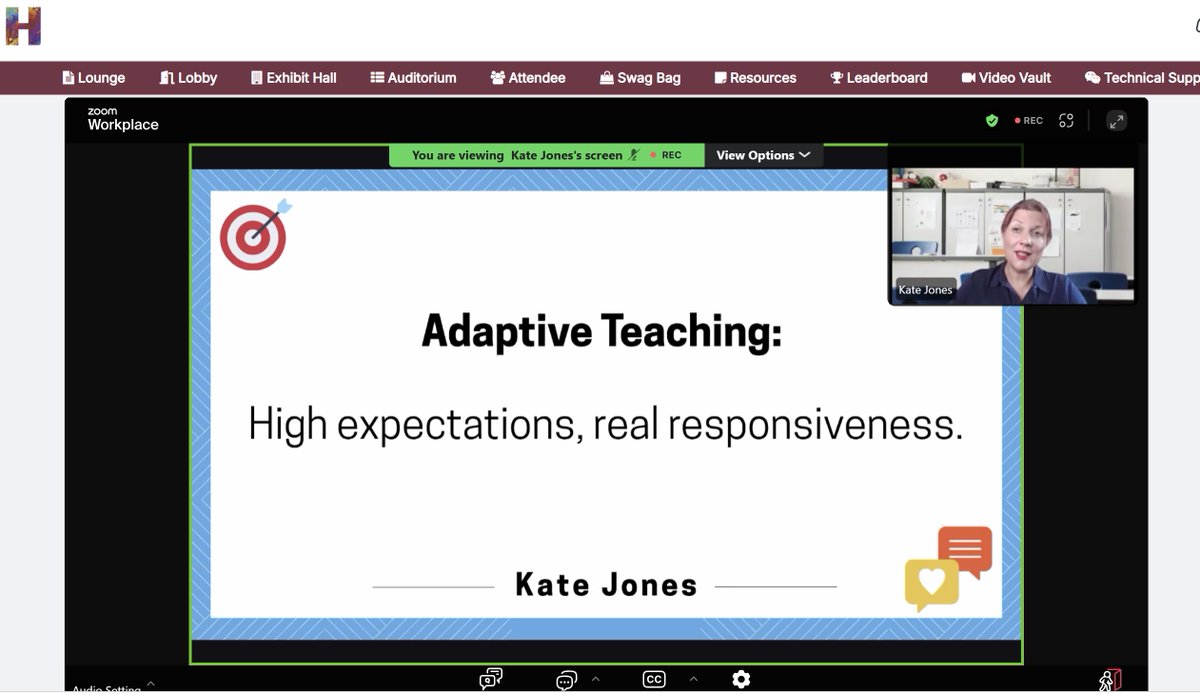
We're live on Day 3 & it's great to be hearing from Kate Jones from @EvidenceInEdu, @Sue_Cowley, Julian Dutnall, Simon London, John Morris OBE, Sarah Warshow, Rachel Ball & many more! Sign up here to join any sessions all week totally FREE! https://t.co/14UPP8bxpI #HFestEd
Great to be working with Evidence Based Education (@EvidenceInEdu) who are sponsoring #rEDYorkshire.
Expect evidence-informed practice and improving teaching through better understanding.
📍27 June | Doncaster
🎟 Tickets available here: https://t.co/sXtXpq096N
Time is one of the most valuable resources in schools, and when it comes to professional learning, we need to ensure that every minute spent is being used efficiently and in the right places.
Here's how the Great Teaching Toolkit can help save your school time:
• access to over 500 evidence-informed resources with 1 click
• generate personalised insights into the classroom environment in 10 minutes
•one log-in to video feedback, student surveys and courses - no need for multiple providers
Find out more here https://t.co/eaGtvgVhO2
"The first time I encountered the concept of ‘poor proxies’ was during a presentation by @ProfCoe in 2016 at the Festival of Education at Wellington College.
This was a significant moment in my professional development.
It challenged assumptions I had previously accepted, encouraged me to reflect on my classroom practice, and inspired me to learn more about how learning actually happens."
Blog by @KateJones_teach
https://t.co/prlLkfNtCB
"Exit tickets are often seen as a standard end-of-lesson routine, but are they actually effective?
Students respond to a prompt or question on paper, via a digital device or a mini whiteboard. The responses from students provide the teacher with immediate insight into what they’ve grasped and what requires further support.
They provide a snapshot of performance that informs the next instructional steps. They may include a range of questions that can be answered in a short amount of time, or they can be used to answer one key question with an extended answer."
Blog by @KateJones_teach on effective and efficient exit tickets https://t.co/YaT13pgLG2
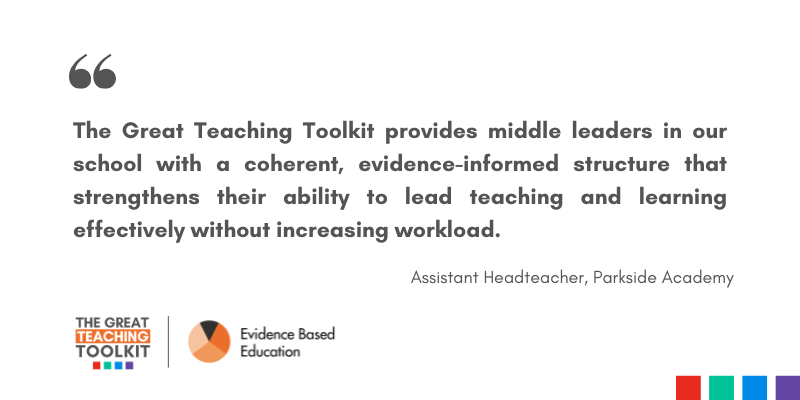
"The Great Teaching Toolkit: A Catalyst for Coaching"
Parkside Academy has been using the Great Teaching Toolkit for almost 2 years.
In this blog they offer a valuable insight into how the Toolkit has supported the development of high-quality coaching across the school.
First published in Issue 17/March 2026 of the Advancing Teaching & Learning journal by Advance Learning Partnership.
Read their full story here https://t.co/pOV5VNJBva
What's first on thi list then? 👀
The full #rEDYshire timetable is now available.
Bringing colleagues? We're also offering:
✅ 5 tickets for the price of 4
✅ 10 tickets for the price of 8
🎟 Tickets 'ere: https://t.co/sXtXpq096N
4 in 10 students feel their teacher knows when something is upsetting them.
A sense of belonging underpins almost every aspect of wellbeing and learning. It’s not a school-specific construct; it’s part of being human.
We all need to feel connected to people, to places, to something bigger than ourselves.
Based on 120,000 learner surveys completed on the Great Teaching Toolkit platform, only around four in ten students feel their teacher knows when something is upsetting them. These findings should give every leader pause for thought.
@ProfKime explains why belonging matters and isn't a "nice-to have" in this blog
https://t.co/H1UsPyJVG6
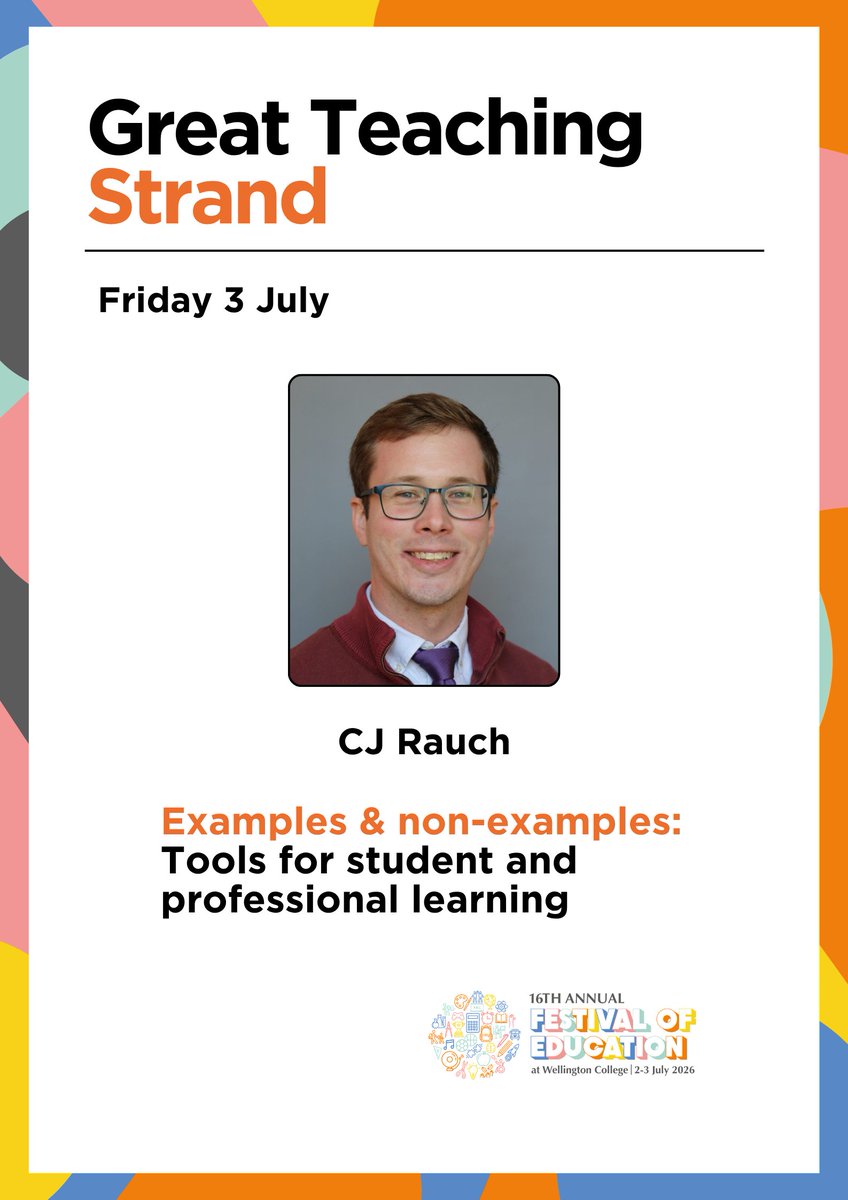
✍️ Friday 3 July sessions:
1. Leading a Metacognitive Setting with Nathan Burns @MrMetacognition
2. Confidence in the Classroom: Adaptive Teaching Essentials with Linzi Smithies and Judith Copeland
3. Less is more: designing classrooms that think clearly with Joe Stammers @Mr_Stammers
4. Formative Action: From Assessment to Action with Valentina Devid and Rene Kneyber
5. Examples & non-examples: Tools for student and professional learning with CJ Rauch
Introducing the Great Teaching Strand at @EducationFest
Join us at @WellingtonUK as we explore what makes great teaching. This strand features a brilliant line-up of speakers who will challenge assumptions, spark ideas, and inspire classroom practice.
Get your tickets here and use code EBE20 for 20% off https://t.co/A1tRJSK4zZ
This offer is limited to the first 40 people!
Are you attending? Come say hi 👋
#EducationFest @EducationScape
The Great Teaching Toolkit was designed to help schools create meaningful, evidence-informed professional learning that fits into the realities of school life. https://t.co/EzKxPJzFDR